Which Treats a Birman Will Take From Your Hand
It’s a common experience for Birman owners: you offer a delicious-looking treat, carefully selected from the pet store aisle, only to have your beautiful, blue-eyed companion sniff it politely, perhaps give it a tentative lick, and then look at you with those serene eyes as if to say, “Thank you, but I’m good.” It’s not that Birmans are ungrateful; it’s simply that their gentle, undemanding nature often extends to their appetite, making it a bit of a mystery to figure out which treats will truly win their heart (and stomach!). This guide is all about cracking that code, exploring the types of treats Birmans tend to adore, and how to introduce new ones successfully.
Understanding the Birman Palate: Why They're Picky (But Not Always)
Birmans are famously calm and sweet, a temperament that makes them wonderful companions but can sometimes leave us scratching our heads when it comes to their preferences, especially with food. Unlike some more boisterous breeds that might climb your leg for a crumb, Birmans maintain a certain dignified reserve. This doesn't mean they don't like treats; it just means you might need to approach the offering with a bit more finesse.
The Birman's Undemanding Nature and Food
One of the most charming aspects of a Birman is their quiet demeanor. They aren't generally vocal about their desires, and this extends to their mealtimes and treat times. You'll rarely find a Birman demanding food, even when they're truly hungry. They might sit patiently nearby, observe you with their sapphire gaze, or even give a soft, almost imperceptible trill. This polite approach means that when you offer a treat, their lack of an immediate, enthusiastic response shouldn't be mistaken for disinterest. It's just their way. You might recognize this if you've ever wondered Why a Birman Will Not Tell You It Is Hungry. They simply aren't ones for dramatics, and this trait carries over to their treat consumption. It's up to us, their devoted humans, to interpret their subtle cues and understand what truly appeals to them.
Their calm nature also means they might not be as driven by food as other breeds when it comes to seeking attention or performing tricks. While many cats are easily motivated by the promise of a tasty morsel, a Birman might appreciate the gesture of the treat more than the treat itself, especially if it comes with some gentle praise and attention. This means the treat needs to be genuinely appealing to them to elicit a stronger reaction. Don't be discouraged if they don't immediately pounce; offer it gently, perhaps place it on a clean surface nearby, and let them approach it on their own terms. Sometimes, the initial sniff is just reconnaissance before they decide it's safe and desirable.
Texture and Size Preferences for Birman Treats
When it comes to treats, texture and size play a huge role for Birmans. They have a delicate, refined mouth structure, and while their jaw is strong, they aren't generally aggressive chewers, especially compared to some larger cat breeds. Treats that are too hard, too large, or have sharp edges might be off-putting. Imagine trying to eat a giant, crunchy cracker when you're used to delicate pâté – it's just not as enjoyable!
Many Birmans prefer treats that are soft enough to chew easily or small enough to swallow with minimal effort. Think about the size of their regular kibble, if they eat it. Treats should ideally be comparable or smaller. This preference can also be linked to their overall gentle nature; they tend to play with their claws in and explore softly, so it makes sense their eating habits would follow suit. Hard, crunchy treats might also be less appealing if they have any underlying dental sensitivities, which can creep up on cats as they age. Smaller, softer options reduce the risk of discomfort and make the treat-eating experience a pleasure rather than a chore.
Types of Treats Birmans Often Love
Now that we understand a bit about the Birman's treat psychology, let's dive into the actual types of treats that often get those beautiful blue eyes sparkling. It’s all about appealing to their natural preferences and providing something truly enjoyable.
Soft and Chewy Options
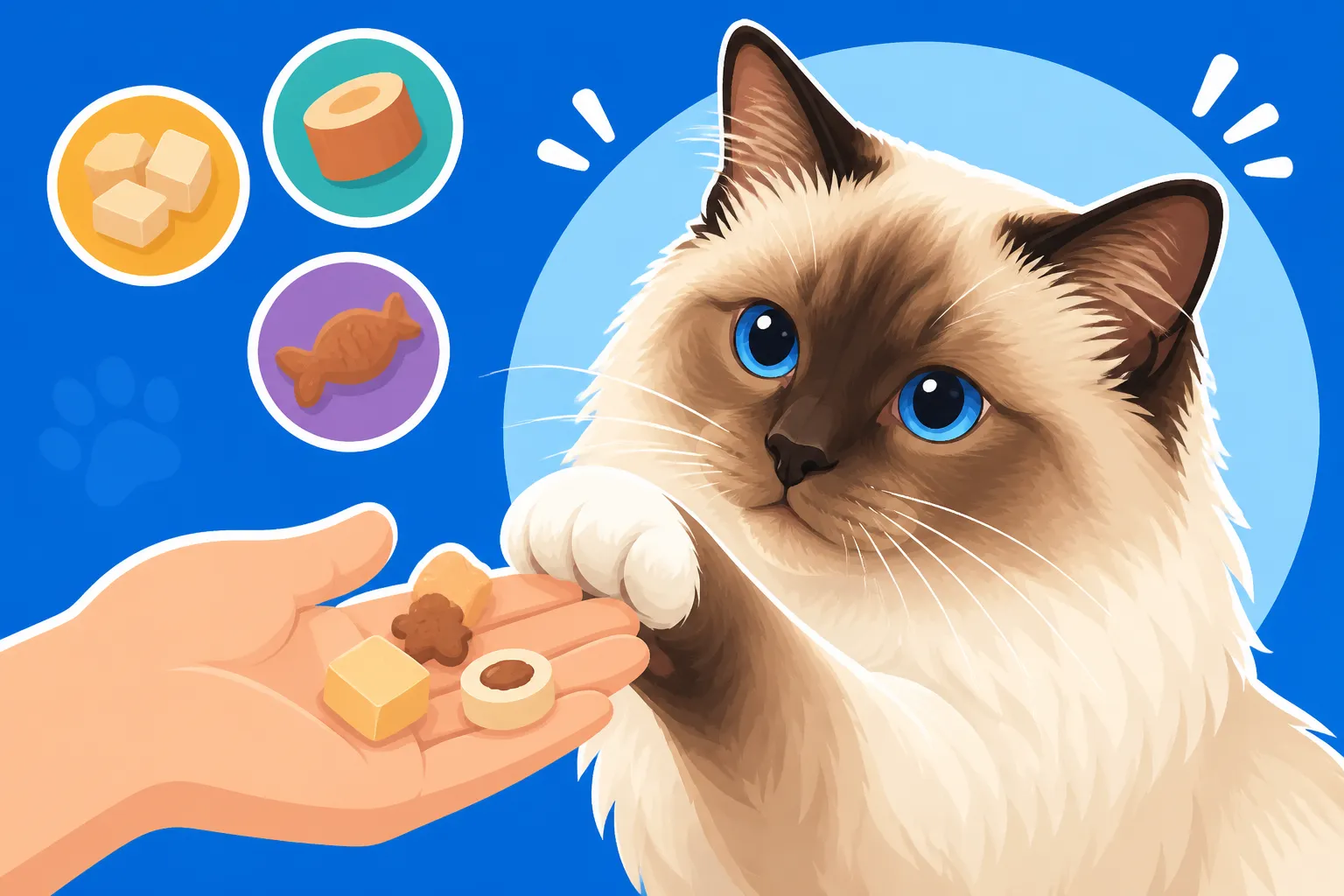
Soft and chewy treats are often a big hit with Birmans, for all the reasons we just discussed. They’re easy on the teeth, pleasant to mouth, and often packed with flavor. These can range from semi-moist kibble-like bites to more pliable sticks.
Many popular brands available on Chewy or Amazon often carry a good range of soft treats. Look for options that are specifically designed for cats, as dog treats can sometimes contain ingredients or sizes unsuitable for feline friends. These soft bites are fantastic for daily rewards or just a little "I love you" gesture. They're also great for older Birmans who might have some dental issues, ensuring they can still enjoy a tasty morsel without pain. If you're using treats for minor training, like getting them used to a carrier or the comb, soft treats are often consumed quickly, keeping their attention focused. You can even break larger soft treats into smaller pieces, effectively giving you more mileage out of each treat and making them even easier for your Birman to manage.
Freeze-Dried and Protein-Rich Treats
If you want to tap into your Birman's inner carnivore, freeze-dried, single-ingredient protein treats are often a game-changer. These treats are simply raw meat (like chicken, salmon, or liver) that has been freeze-dried, retaining all its intense flavor and aroma without any added fillers or artificial ingredients. The texture is light and crunchy, but they often crumble easily in the mouth, making them manageable even for gentle chewers.
The appeal here is twofold: the natural, potent smell is incredibly enticing, and the high protein content is exactly what a cat's body craves. Many high-quality freeze-dried options exist from reputable brands that focus on natural, wholesome pet foods. These types of treats are often considered “high-value” because of their intense palatability, making them excellent for special occasions or when you're trying to reinforce a new behavior. They’re also great for cats with sensitive stomachs since they're typically free of common allergens found in processed treats. Remember that What Protein Level a Birman's Ruff Needs to Stay Full is also related to their overall health and coat condition, and high-quality protein treats contribute positively to this.
Liquid or Lickable Treats
Don't underestimate the power of a good liquid treat! These come in pouches or tubes and are essentially pureed meat or fish in a creamy sauce. Birmans often adore these for their smooth texture and rich flavor. They're consumed by licking directly from the pouch or from a spoon, which many cats find incredibly satisfying.
Liquid treats are not only delicious but also a fantastic way to increase your Birman’s hydration, which is crucial, especially if they primarily eat dry kibble. Why Kibble Alone Leaves a Birman Short of Water is a real concern for many cat owners, and these treats can provide a welcome moisture boost. They can also be used to administer medication, as the strong flavor can mask the taste of pills or liquids. Furthermore, the act of licking a treat from your hand or a spoon is a wonderful bonding experience, strengthening the connection between you and your Birman. It's a low-effort, high-reward treat that fosters closeness and can provide comfort, particularly in new or stressful situations.
| Treat Type | Texture | Common Ingredients | Typical Birman Reaction | Best For |
|---|---|---|---|---|
| Soft & Chewy Bites | Soft, pliable | Meat-based, sometimes grain | Polite interest, steady chewing | Daily rewards, gentle training |
| Freeze-Dried Meat | Light, crumbly | Single-ingredient meat/fish | Enthusiastic, strong interest | High-value rewards, pickier eaters |
| Liquid/Lickable Puree | Smooth, creamy | Pureed meat/fish in broth | Eager licking, strong enjoyment | Hydration, bonding, medication hiding |
| Dental Chews | Firmer, abrasive | Plant fibers, special enzymes | Moderate chewing, takes time | Dental health, occasional treat |
| Catnip/Silvervine Toys | Scent-based | Catnip, silvervine powder | Rolling, rubbing, playful | Enrichment, not consumed, but a 'treat' |
Treats for Specific Situations: Training, Bonding, and Health
Treats aren't just for spoiling your Birman (though they're certainly good for that!). They can be powerful tools for training, strengthening your bond, and even supporting their health. Understanding how to deploy different types of treats for different purposes can be incredibly effective.
High-Value Treats for Training
While Birmans are not typically known for being highly trainable in the same way some dog breeds are, they are intelligent and can certainly learn. For tasks that require a bit more motivation, like harness training, getting them comfortable with nail trims, or teaching them to come when called, you'll want to pull out the "big guns"—high-value treats. These are the treats your Birman absolutely adores, the ones that get an immediate and excited response.
Often, these are the freeze-dried meats or perhaps a tiny piece of cooked chicken or salmon (ensure it's plain and cooked safely for cats). The key is scarcity: don't offer these treats all the time, so they remain special and desirable. For example, if you're trying to get your Birman used to being groomed, offering a tiny piece of their favorite freeze-dried salmon after each successful comb stroke can make the process much more positive. The goal is to create a strong positive association with the desired behavior. Remember, a Birman often gives a What a Birman Is Saying With That Short Trill when they are happy or interested, and a high-value treat might just elicit that special sound!
Treats for Bonding and Enrichment
Beyond training, treats are fantastic for simply strengthening the bond you share with your Birman. Hand-feeding treats, especially lickable ones, creates a moment of shared focus and trust. It’s a quiet, intimate interaction that reinforces your role as their provider and friend. This is particularly true for a breed like the Birman, who appreciates closeness without demanding constant physical interaction. They tend to prefer being near you rather than on you, and a treat offers a lovely way to connect. How a Birman Shows Affection Without Making Demands often involves these subtle gestures, and treats fit perfectly into that gentle give-and-take.
Treats can also be used for enrichment, especially if your Birman is an indoor-only cat. Puzzle feeders, which require your cat to bat, nudge, or solve a small puzzle to get a treat, can provide mental stimulation and prevent boredom. While some Birmans might ignore complex puzzles, many enjoy the challenge, especially if the reward is appealing. Look for Which Puzzle Feeder Suits a Birman, as some designs are better suited to their gentle play style. This not only makes treat time more engaging but also encourages natural hunting behaviors and problem-solving. It's a great way to add a little spice to their day without being overly rambunctious.
Functional Treats and Supplements
Finally, treats can sometimes pull double duty by offering health benefits. You’ll find a variety of "functional" treats on the market designed to address specific needs, such as dental health, hairball control, or even joint support for older cats.
Dental treats, for instance, are often designed with a specific texture or shape to help scrape plaque off teeth as your cat chews. While they are never a substitute for regular dental care, they can be a helpful addition to a routine that includes brushing your Birman’s teeth. For a cat like a Birman, who is predisposed to dental issues due to their narrow jaw, incorporating dental treats can be beneficial. Similarly, hairball treats often contain fibers or lubricants to help ingested fur pass through the digestive system more easily. As Birmans have a long, silky coat, even without an undercoat, they can still ingest a fair amount of fur. If you have an older Birman, joint support treats with ingredients like glucosamine can be helpful, though always consult your vet before introducing any supplements. Just be mindful of the calorie count, as even functional treats contribute to their daily intake. Always check with your vet if you're considering using treats as a primary means of addressing a health concern.
Tips for Introducing New Treats
So, you've got a selection of promising treats, now what? Introducing new treats to a Birman requires a touch of patience and observation. Their polite nature means they might not gobble everything up immediately, but that doesn't mean they won't love it eventually.
The Gentle Approach: Patience is Key
Birmans are not usually impulsive eaters. When presenting a new treat, avoid shoving it in their face or making a big fuss. Instead, offer it calmly on your open palm, or place it a short distance from them on a clean, familiar surface. Let them approach it at their own pace. They might sniff it extensively, bat at it gently, or even walk away and come back later. This is perfectly normal Birman behavior. Don't be discouraged if they don't take it immediately. They're processing the new scent and texture.
Sometimes, leaving a small piece near their usual eating spot for a while can work wonders. They might investigate it out of curiosity when you're not actively watching. Remember, a Birman's placid temperament means Why a Placid Birman Hides Pain or discomfort, so if they show any strong aversion or distress, respect that and try something different. It’s a dance of observation and gentle encouragement, not force. If it's a lickable treat, try squeezing a tiny bit onto your finger for them to sample; this often works well as it bypasses the need to chew.
Observation and Rotation
Once your Birman starts accepting treats, pay close attention to which ones they genuinely seem to enjoy the most. Do they purr softly when they see a specific pouch? Do they follow you to the cupboard for a certain crunchy bite? These are your cues! Not every Birman will like every treat, and individual preferences can vary widely. One of mine goes absolutely wild for freeze-dried salmon, while another prefers a creamy lickable treat.
It’s also a good idea to rotate the types of treats you offer. This keeps things interesting and can prevent your Birman from getting bored with one particular flavor or texture. Plus, it ensures they're getting a variety of nutrients if you're using single-ingredient treats. Keep an eye on the calorie content of treats, as even a small amount can add up, especially for an indoor cat. How Many Calories a Ten Pound Birman Burns a Day isn't a huge amount, so treats should always be given in moderation. If you notice any changes in their appetite for regular food or their general demeanor, How to Tell a Quiet Birman From an Unwell One is important, as a sudden disinterest in even their favorite treats can sometimes be a subtle sign that something isn't quite right, and it might be time for a vet check-up. Ultimately, finding the perfect treat for your Birman is a journey of love, patience, and understanding their wonderfully unique and gentle personality.
Disclaimer
This article is for general informational purposes only and does not constitute professional advice. Laws, prices and regulations vary by location and change over time. Consult a qualified professional for guidance on your specific situation.