How to Tell a Quiet Birman From an Unwell One
It’s a common worry for any Birman parent: "Are they just being their usual quiet self, or are they actually trying to tell me something's wrong?" Our beloved Birmans are famously gentle and undemanding, which is one of their most endearing qualities, but it also makes deciphering their health status a real challenge. Their placid temperament can unfortunately mask discomfort or illness, making it incredibly hard to spot when they're not feeling their best. This comprehensive guide will walk you through how to differentiate your Birman's normal serene behavior from the more subtle, often hidden, signs that they might be unwell, ensuring you know exactly when it's time to reach out to your vet.
The Birman's Calm Nature and Subtle Cues
Birmans are often described as the "Sacred Cat of Burma," and their serene disposition certainly lives up to the legend. Unlike some of their more vocal or boisterous feline cousins, Birmans are known for their quiet elegance and laid-back attitude. This natural calm is a huge part of their charm, making them wonderful companions in almost any household. However, it's precisely this quietude that can make pet parents second-guess themselves when trying to interpret changes in behavior.
What a Naturally Quiet Birman Looks Like
A healthy, content Birman isn’t typically one to demand attention with loud meows or frenetic energy. Instead, they’ll often be found nearby, perhaps curled up on a favorite blanket on the sofa, or even just a few feet from where you’re working. They are masters of the subtle invitation, often making eye contact, giving a slow blink, or gently rubbing against your leg as they pass. Their communication often involves a soft, almost chirping trill rather than a full-throated meow. It’s a sweet, quiet sound that often means they’re acknowledging your presence or asking for a gentle stroke. If you pay close attention, you’ll learn to recognize the small trill a Birman uses instead of a meow, a hallmark of their understated charm.
Their affection is shown in a very present, yet undemanding way. They love being near their people, often following you from room to room just to be in the same space. You might find them observing you with those captivating blue eyes, perfectly content just to be part of your world. This isn't a cat that will typically climb the drapes or knock things off shelves for fun; their play is generally gentle and often solitary or with a trusted human. This quiet companionship is exactly how a Birman shows affection without making demands.
Normal Birman Routines and Habits
Just like people, every Birman has their own routine, but there are general patterns to observe. A healthy Birman will usually have a consistent appetite, eating their meals with interest and maintaining a healthy weight. Their litter box habits will be regular – consistent frequency and stool quality. They’ll also typically spend a good amount of time grooming themselves, keeping their silky single coat in pristine condition, free of mats.
Their sleep patterns are also fairly predictable. While cats do sleep a lot, a healthy Birman will have periods of alertness and gentle play throughout the day. They might nap in sunny spots, on a soft bed, or even draped over your feet, but they will wake easily and interact with their surroundings. If your Birman suddenly seems to prefer an unusually secluded spot, or their usual patterns shift, it's worth taking note.
Unmasking the Hidden Illness: Behavioral Shifts
One of the biggest challenges with Birmans is that they often try to hide their pain or discomfort. It's an instinctual behavior in many animals, but with a cat as inherently placid as a Birman, these changes can be incredibly subtle and easily missed if you're not paying close attention. As a pet parent, understanding why a Birman hides illness behind a placid temperament is crucial. You're looking for changes from their normal behavior, no matter how minor they seem.
Changes in Social Interaction and Activity Levels
A significant red flag for a Birman is a change in their usual social patterns. While they are quiet, Birmans are generally social cats who enjoy being near their family. If your Birman starts to withdraw, hide more often than usual, or seems reluctant to interact, it’s a strong indicator that something is amiss. A Birman that used to greet you at the door but now stays hidden, or one that no longer seeks out your company, is definitely telling you something. This kind of retreat can be a clear sign that what a withdrawn Birman is telling you is that they’re not feeling well.
Another warning sign is a decrease in their activity levels or interest in play. Birmans might not be acrobatic, but they do enjoy gentle play sessions. If your cat suddenly shows no interest in their favorite wand toy or stops engaging in their usual quiet games, it's a cause for concern. Similarly, any unusual irritability or, very rarely, aggression, from a normally sweet-natured Birman, is a serious sign that they are likely in pain or distress and needs immediate veterinary attention. This is especially true if you notice why a Birman that stops following you needs a vet.
Subtle Discomfort in Movement or Posture
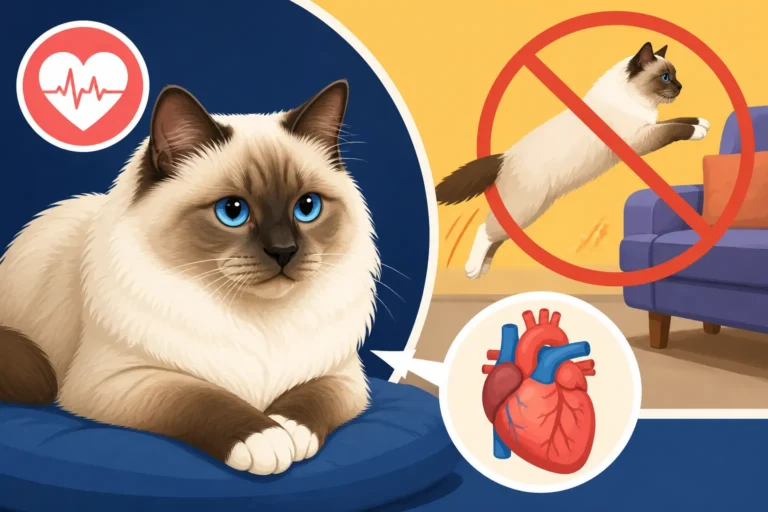
Changes in how your Birman moves can be difficult to spot, especially if they’re not overtly limping. Look for any reluctance to jump up onto furniture they usually access easily, or hesitation before going up or down stairs. You might notice them slowing down during walks or appearing stiff after resting. This could indicate joint pain or other musculoskeletal issues. Sometimes, a subtle change in their posture, like a slightly hunched back or holding their head lower than usual, can signal discomfort.
Even very minor signs, like skipping a step when climbing or showing a slight wobble, can be significant. Birmans are generally well-built cats, but age or underlying conditions can lead to issues like arthritis. It's particularly heartbreaking to see how arthritis shows in a Birman that never jumped much, as their natural calm means they rarely complain overtly. Early detection through observing these subtle movement changes can help manage their comfort significantly.
Physical and Physiological Indicators of Trouble
Beyond behavior, there are many physical cues that your Birman might be unwell. These often manifest in changes to their daily bodily functions or their appearance. Because Birmans are so good at hiding discomfort, keeping a close eye on these routine indicators is paramount.
Appetite, Thirst, and Litter Box Anomalies
One of the most common and earliest signs of illness in cats is a change in appetite. Birmans are generally not known to be overly picky eaters, nor are they prone to begging. In fact, why a Birman never wakes you for food is part of their gentle nature. If your Birman, who usually eats their meals without fuss, suddenly leaves food behind, eats less, or completely refuses to eat, this is a serious warning. Even a slight decrease in appetite can be significant, especially if it persists for more than 24 hours. Don’t underestimate why a Birman’s appetite goes first when it is unsettled.
Similarly, changes in water intake can be telling. Drinking significantly more or less than usual can indicate various underlying health issues, from kidney problems to diabetes. Monitoring their litter box is also critical. Look for changes in the frequency of urination or defecation, or alterations in the consistency, color, or smell of their waste. Straining to urinate or having accidents outside the box are clear signs that a vet visit is needed immediately. Any unexplained weight loss or gain is also a significant indicator of potential health issues, underscoring why a Birman's weight should be recorded every visit.
Coat, Eyes, and Overall Appearance Clues
A Birman’s silky coat is usually immaculate, thanks to their diligent self-grooming. If you notice their coat looking dull, greasy, matted, or disheveled, it could be a sign of illness. Pain, lethargy, or even dental problems (like how dental disease progresses in a Birman) can make it difficult for them to groom themselves properly. Conversely, excessive grooming, to the point of creating bald patches, can indicate stress, allergies, or skin irritation.
Their captivating blue eyes should be bright and clear, free from discharge, redness, or cloudiness. Any squinting, excessive tearing, or a visible third eyelid are signs that their eyes might be irritated or infected. It's a good habit to incorporate checking your Birman's eyes into your daily routine, as why a Birman's eyes should be checked at every visit is important for early detection. Also, observe their nose for any unusual discharge, and their breathing for any difficulty, panting, or labored breaths. Pale gums can signal anemia or other serious conditions.
Proactive Health Management and Vet Communication
Being proactive about your Birman's health is the best way to catch potential issues early, before they become serious. This means more than just waiting for obvious symptoms; it involves consistent observation and open communication with your veterinarian. Having a reliable pet insurance plan, like one from Healthy Paws, can also provide immense peace of mind, ensuring you can always make health decisions based on what's best for your Birman, without financial worry.
Establishing a Health Baseline and Regular Checks
The key to recognizing when your quiet Birman is unwell is knowing what their “normal” truly looks like. Spend time observing your cat daily. Note their typical eating and drinking habits, how often they use the litter box, their energy levels, and their preferred resting spots. Gently handling them during petting sessions can allow you to feel for any lumps, bumps, or areas of tenderness. Regularly weighing your Birman at home or having their weight recorded at every vet visit, as recommended in why a Birman’s weight should be recorded every visit, helps track subtle changes.
Regular veterinary check-ups are non-negotiable, even if your Birman seems perfectly healthy. These visits allow your vet to perform thorough physical examinations, listen to their heart and lungs, and discuss any changes you've observed. Your vet can also recommend routine preventative care, such as vaccinations and parasite control. Even for a seemingly healthy, indoor Birman, how often a Birman with clear papers still needs a vet is crucial for long-term well-being.
When to Contact Your Veterinarian Immediately
While Birmans are good at hiding illness, there are certain symptoms that demand immediate veterinary attention. These include:
* **Persistent vomiting or diarrhea:** Especially if it lasts more than 24 hours or contains blood.
* **Labored breathing or excessive panting.**
* **Inability to urinate or straining in the litter box:** This can be a life-threatening emergency, particularly for male cats.
* **Sudden, severe lethargy or weakness.**
* **Any signs of acute pain:** Such as crying out, hiding, or unusual aggression when touched.
* **Collapse or seizures.**
* **Refusal to eat or drink for more than 24 hours.**
If you observe any of these red flags, do not wait. Contact your vet or an emergency veterinary clinic right away. Trust your instincts – if something feels seriously wrong, it probably is. Having pet insurance, like Healthy Paws, can remove the stress of unexpected emergency vet bills, allowing you to focus solely on your Birman's health.
Communicating Effectively with Your Veterinarian
When you take your Birman to the vet, be as specific as possible about the changes you’ve noticed. Instead of just saying “he’s quiet,” describe *how* his quietness has changed. For example: “He usually greets me at the door with a trill, but for the past two days, he’s stayed under the bed,” or “He’s eating about half of his usual food and isn’t interested in treats.” Keep a log of symptoms, including when they started, how often they occur, and any other relevant details.
This detailed information provides your vet with crucial clues, helping them make an accurate diagnosis and get your Birman on the road to recovery more quickly. Remember, your vet is your partner in your Birman's health journey, and clear communication is essential. Consider the long-term health trajectory; the twelve to sixteen years a Birman usually gets is a wonderful span, and proactive care helps ensure those years are filled with comfort and joy.
Table: Normal Birman Behavior vs. Signs of Illness
| Category | Normal, Healthy Birman | Potentially Unwell Birman (Signs to Watch For) |
|---|---|---|
| Social | Present, follows you, enjoys gentle interaction, soft trills | Hiding, withdrawn, avoiding interaction, unusual aggression |
| Activity | Gentle play, curious, consistent napping, explores | Lethargy, reluctance to play, difficulty jumping, stiffness |
| Appetite | Eats meals consistently, good interest in food, maintains weight | Reduced appetite, refusal to eat, weight loss/gain, excessive thirst |
| Grooming | Maintains clean, silky coat, regular self-grooming | Dull/greasy coat, mats, excessive grooming, skin lesions |
| Litter Box | Regular frequency and consistency of waste | Straining, increased/decreased urination, diarrhea, constipation |
| Eyes/Nose | Bright, clear eyes; clean nose | Discharge, redness, squinting, labored breathing |
| Vocalization | Soft trills, purrs, occasional gentle meow | No vocalization, excessive crying, unusual growling |
Early detection is always best. Pay attention to your Birman, understand their unique personality, and don't hesitate to contact your vet if you have any concerns. A cat as placid and loving as a Birman deserves all the vigilance we can offer to ensure their comfort and long-term health. Knowing these subtle signs is a powerful tool in your toolkit as a responsible pet parent.
Disclaimer
Please note that the information provided in this article is for general educational purposes only and should not be considered a substitute for professional veterinary advice. Always consult with a qualified veterinarian for any health concerns or before making any decisions related to your pet's care.