How Dental Disease Progresses in a Birman
It's incredibly frustrating when you realize your beloved Birman might be suffering from a hidden health issue, especially something as common and insidious as dental disease. Many of us don't even consider our cat's teeth until there's a really obvious problem, and by then, things can be quite advanced. This guide is here to walk you through how dental disease progresses in a Birman, what to look out for, and how you can stay ahead of it, ensuring your furry companion lives a comfortable, pain-free life.
Understanding the Birman's Oral Anatomy and Predispositions
When we talk about dental disease in cats, it's not just a superficial problem; it's a deeply rooted issue that can affect their entire well-being. And for Birmans, there are a few anatomical quirks and genetic predispositions that can make them particularly susceptible. It's not about them being 'unhealthy,' but rather about understanding their unique build and how it interacts with common feline health challenges.
The Birman's Unique Jaw Structure
One factor often overlooked is the structure of a Birman's mouth itself. While not as extreme as some brachycephalic (short-nosed) breeds, Birmans typically have a somewhat more refined, sometimes narrower jaw compared to a standard domestic shorthair. This can sometimes lead to slight crowding of the teeth. When teeth are a bit too close together, or if there's any slight malocclusion (imperfect positioning of the teeth when the jaws are closed), it creates tiny nooks and crannies where food particles and bacteria can easily get trapped. These areas become prime breeding grounds for plaque, which is the sticky film that forms on teeth. If you've ever felt around your Birman's mouth, you might notice how delicate their jawline feels, and that often corresponds to less space inside for everything to sit perfectly aligned. This is why it's so important to understand How a Birman's Narrow Jaw Needs a Scale and Polish regularly. Without sufficient space and proper alignment, those hidden areas are notoriously difficult for even the best brushing attempts to reach effectively.
Moreover, the shape of their palate and the way their teeth fit together might influence how effectively they naturally 'self-clean' their teeth through chewing. While cats aren't known for their vigorous chewing habits like dogs, a well-aligned bite can still help dislodge some superficial plaque. If a Birman's bite is slightly off, this natural mechanism is less efficient. Imagine trying to clean a narrow, convoluted pipe compared to a wide, straight one – it's just harder to get into all the twists and turns. This predisposition means that while many dental issues affect all cat breeds, the starting line for a Birman might be a little closer to 'problem area' than for some others. It underscores why a proactive approach to dental hygiene isn't just a suggestion for Birmans, but truly a necessity.
Genetic Factors and Breed-Specific Risks
Beyond the physical structure, there's also the question of genetics. While specific genes for dental disease in Birmans aren't widely identified in the same way we see for conditions like HCM or PKD, the breed's history and genetic makeup do play a role in overall health, which in turn impacts dental resilience. The Birman was rebuilt after World War II from a very narrow genetic base, which means certain traits, both good and bad, can become more concentrated. While this has given us the beautiful, placid temperament and stunning appearance we adore, it also means any predispositions carried by those foundational cats could be passed down more broadly.
One common thread in many purebred lines is the potential for conditions like gingivitis and periodontitis to manifest earlier or more aggressively. This isn't to say all Birmans will suffer, but rather that a breeder focused on health will also be mindful of general vitality which includes oral health. For instance, any underlying immune system weaknesses, even subtle ones, could make a cat more susceptible to bacterial infections in the mouth, accelerating the progression of gum disease. It’s a bit of a domino effect: a slightly crowded mouth provides a niche for bacteria, and if the immune response isn't top-notch, those bacteria can gain a stronger foothold more quickly. Therefore, considering your Birman's overall health history and asking your vet about any breed-specific tendencies, even anecdotal ones, can be very insightful for long-term dental care planning.
The Silent Onset: Early Stages of Dental Disease
One of the most frustrating things about dental disease in cats, especially calm and undemanding breeds like Birmans, is how silently it progresses. Cats are masters at hiding pain, a survival instinct that means by the time you notice something, the problem is often quite advanced. This "silent onset" means that diligent observation and regular veterinary check-ups are your best defense.
Plaque and Tartar Formation
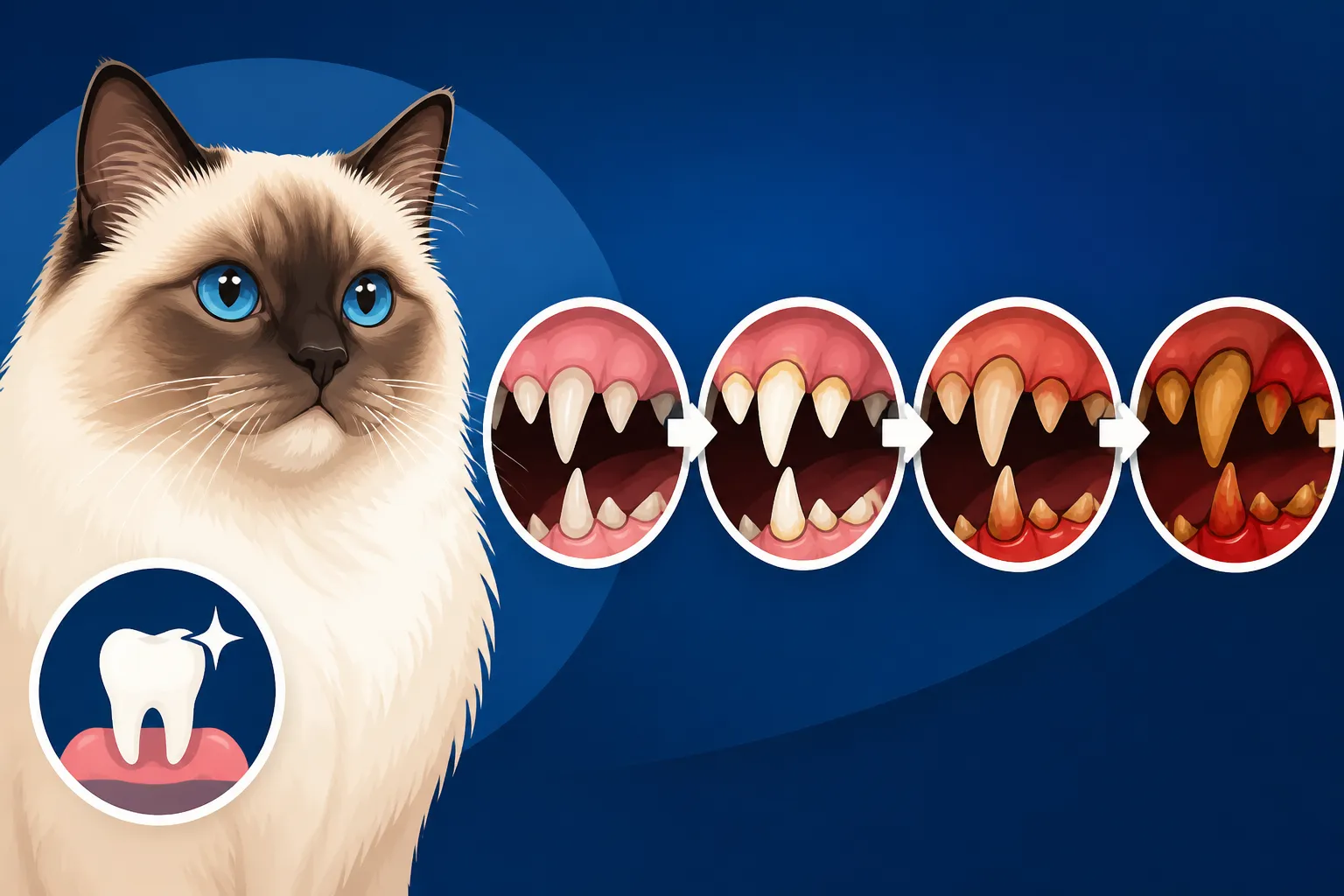
It all begins with plaque, that invisible, sticky film of bacteria, food particles, and saliva that constantly forms on your Birman's teeth. Every time your cat eats, bits of food inevitably cling to the tooth surface and along the gum line. If this plaque isn't removed regularly through brushing or natural chewing, it starts to harden. Within as little as 24-72 hours, plaque begins to mineralize, transforming into tartar (or calculus). Tartar is much harder and has a rougher surface, making it an even better anchor for more plaque to accumulate. It’s a vicious cycle. You’ll often see tartar as a yellowish or brownish buildup, usually most noticeable on the outside surfaces of the upper canine teeth and molars.
The problem with tartar is that it acts like a rough scaffolding, creating an ideal environment for bacteria to thrive and multiply. This bacterial playground sits right at the gum line, constantly irritating the delicate gum tissue. At this stage, your Birman might not show any signs of discomfort. They'll continue to eat, play, and interact as usual. This is why it's easy for owners to miss these early warning signs. The cat is seemingly fine, and we assume no news is good news. However, beneath that placid exterior, the groundwork for more serious issues is being laid, silently, relentlessly.
Gingivitis: The First Warning Sign
As plaque and tartar continue to build up along the gum line, the body’s immune system recognizes these bacteria as invaders and launches an inflammatory response. This inflammation of the gums is called gingivitis. You might notice your Birman's gums appearing redder than usual, perhaps a little swollen, especially where the tooth meets the gum. They might also bleed easily if you try to touch them or if your cat chews on something hard. This is literally Why Gum Disease Creeps Up on a Birman – it's often subtle at first.
Even with gingivitis, many Birmans will still not overtly display pain. They might be a bit more hesitant to chew on harder treats or toys, but their overall eating habits probably won't change drastically. This stoicism, a hallmark of the breed, can be a double-edged sword: it makes them wonderfully adaptable companions, but also means they won't complain when something hurts. It’s a silent battle happening in their mouth. If gingivitis is caught at this stage, it is often reversible with professional cleaning and diligent home care. However, if left untreated, it inevitably progresses, moving beyond mere gum inflammation to irreversible damage to the supporting structures of the tooth.
Progressing Problems: Periodontal Disease Takes Hold
Once gingivitis is established and ignored, the problem shifts from being merely an inflammation of the gums to a deeper, more destructive process known as periodontal disease. This is where the long-term health and comfort of your Birman really start to be compromised, and the damage becomes irreversible.
Periodontitis and Bone Loss
If gingivitis isn't treated, the bacterial infection and inflammation extend below the gum line, affecting the ligaments and bone that hold the teeth in place. This deeper inflammation is called periodontitis. The bacteria produce toxins that destroy the supporting tissues, leading to the formation of periodontal pockets – spaces between the gum and the tooth root where even more bacteria can accumulate and thrive, protected from normal cleaning efforts. This is where real trouble begins.
As periodontitis advances, the infection starts to erode the bone that anchors the tooth in the jaw. This bone loss is irreversible, and it’s the primary reason teeth become loose and eventually fall out. Your Birman might start showing more overt signs of pain at this stage. You might notice them favoring one side of their mouth, dropping food while eating, or being less enthusiastic about meal times. They might even become a bit withdrawn or irritable, which can be hard to distinguish from other subtle signs of illness in a placid cat. This is often the point where an owner might realize Why a Birman That Drops Food Has a Mouth Problem, finally connecting the dots. The underlying discomfort is now severe enough to affect daily activities, and it’s important to remember that by this stage, the disease has been developing for quite some time, often months or even years.
Abscesses and Oral Pain
With advanced periodontal disease, the deep pockets and bone loss create prime conditions for abscesses to form. An abscess is a localized collection of pus caused by a bacterial infection. These can be incredibly painful. An abscess might manifest as swelling on your Birman’s face, usually below an eye if it’s an upper tooth, or along the jawline. Sometimes, an abscess can rupture, leading to discharge of pus and a foul odor in your cat’s mouth or from their nose. The pain from an abscess can be excruciating, causing your Birman to refuse food, become lethargic, or even cry out when touching their face or mouth.
A Birman might become very sensitive around its mouth, even Why a Birman Flinches When Its Back Teeth Are Touched during routine petting. This is a clear indicator of severe pain. At this point, prompt veterinary intervention is crucial not only to alleviate suffering but also to prevent the infection from spreading. Left untreated, these infections can spread to other parts of the body, leading to more generalized illness. It’s a stark reminder that what starts as a seemingly minor dental issue can escalate into a major health crisis, significantly impacting your cat's quality of life and requiring extensive medical treatment.
Beyond the Mouth: Systemic Effects of Untreated Dental Disease
The mouth isn't an isolated system; it's intricately connected to the rest of the body. When dental disease is left unchecked, the chronic inflammation and bacterial infection in your Birman's mouth can have far-reaching consequences, affecting vital organs and altering their overall behavior and comfort.
Impact on Kidneys, Heart, and Other Organs
One of the most concerning aspects of untreated periodontal disease is its systemic impact. The constant presence of bacteria and inflammation in the mouth means that bacteria can enter the bloodstream, traveling to distant organs. The kidneys, liver, and heart are particularly vulnerable. When these bacteria reach the kidneys, they can contribute to or worsen kidney disease, a condition that is already a concern for many aging cats. Similarly, bacteria can lodge in the heart valves, leading to a serious condition called endocarditis, which is an inflammation of the heart's inner lining. Over time, this chronic bacterial assault can put a significant strain on these vital organs, potentially shortening your Birman's lifespan.
This link between oral health and systemic disease is why veterinarians often emphasize comprehensive annual check-ups, especially as Birmans enter their middle and senior years. It's not just about clean teeth; it's about protecting their entire body from a silent, chronic infection. For a breed like the Birman, which typically enjoys a long life, these systemic effects can compound other age-related health issues. Which Blood Values a Birman's Kidney History Makes Important are often closely monitored, and dental disease can certainly contribute to their deterioration over time. Investing in good dental care is truly investing in the long-term health of their internal organs, and therefore, their overall longevity and quality of life. Many pet insurance providers, like Healthy Paws, recognize the importance of preventative care and cover a portion of unexpected dental procedures once a condition is diagnosed, highlighting how common and impactful these issues are.
Behavioral Changes Due to Chronic Pain
It's heartbreaking to realize that chronic dental pain can fundamentally change your Birman’s personality and daily habits. As natural stoics, cats will often suffer in silence for a long time. However, persistent pain will eventually manifest in behavioral shifts. A once playful and interactive Birman might become more withdrawn, less interested in toys, or even avoid being petted around their face. They might hide more, become irritable when approached, or simply seem "off." This subtle change can be hard for owners to pinpoint, especially because Why a Quiet Birman Is Easy to Misread. We might just think they’re getting older, or are simply being their usual calm selves, when in reality, they’re in constant discomfort.
You might notice changes in their grooming habits too; they might groom less, especially around their face, or conversely, overgroom certain areas in an attempt to alleviate discomfort. Eating can become a slow, painful ordeal, even if they still try to eat out of sheer hunger. They might only chew on one side of their mouth or drop food frequently. These aren't just minor inconveniences; they are signs of chronic, debilitating pain. Recognizing these subtle cues – a decreased interest in interaction, changes in eating patterns, or a general reluctance to be handled – is critical. Your Birman might not cry out, but their behavior will often tell a story of quiet suffering that demands your attention and a trip to the vet.
Prevention and Early Intervention Strategies
The good news is that a significant amount of dental disease is preventable, and early intervention can halt its progression, saving your Birman from pain and more serious health issues down the line. It requires consistency and a proactive mindset, but the effort is absolutely worth it for your cat's comfort and longevity.
Home Dental Care Routines
Starting a home dental care routine early in your Birman's life is the single most effective way to prevent severe dental disease. The gold standard is daily tooth brushing. Yes, daily! It sounds daunting, but with a patient approach and positive reinforcement, many Birmans can be trained to tolerate it. You'll need a cat-specific toothbrush (often a finger brush or a very small, soft-bristled brush) and enzymatic cat toothpaste – never use human toothpaste, as it contains ingredients toxic to cats. Start slowly, just getting your Birman used to the taste of the toothpaste on your finger, then introduce the brush for short periods, focusing on the outside surfaces of the teeth, especially the canines and molars where plaque tends to accumulate most. Remember, a Birman's placid temperament often makes them more amenable to such routines than other breeds, so lean into that!
Beyond brushing, there are other supplemental tools. Dental chews and treats specifically formulated to reduce plaque and tartar can be helpful, though they are usually not a substitute for brushing. Look for products with the Veterinary Oral Health Council (VOHC) seal of acceptance, which indicates they meet certain standards for plaque and tartar reduction. Dental diets, often prescribed by your vet, can also help clean teeth as your Birman eats. These foods typically have larger, specially shaped kibble that scrapes the tooth surface. Water additives designed to reduce bacteria in the mouth are another option, though their effectiveness can vary. The key is finding a combination that works for you and your Birman, and consistently sticking with it. Every little bit of effort you put into home care significantly delays the progression of dental issues and will reduce How Many Dentals a Sixteen Year Birman Gets Through in their lifetime.
Professional Veterinary Dental Cleanings
Even with the most diligent home care, most cats will eventually need professional dental cleanings under anesthesia. This is because once plaque hardens into tartar, it cannot be removed by brushing alone; it requires specialized ultrasonic scaling tools that only a veterinarian can use. A professional dental cleaning (often referred to as a COHAT – Comprehensive Oral Health Assessment and Treatment) involves much more than just cleaning. Before the procedure, your vet will perform a thorough physical exam and often pre-anesthetic blood work to ensure your Birman is healthy enough for anesthesia, especially as they age. This is particularly important for breeds that have a known predisposition to certain conditions, and it reflects the thoroughness of a good veterinary practice.
During the procedure, your Birman will be safely anesthetized, allowing the vet to perform a complete oral examination, including probing around each tooth to check for periodontal pockets and taking dental X-rays. X-rays are crucial because a significant portion of dental disease, like bone loss and root problems, lies beneath the gum line and is invisible to the naked eye. Then, all plaque and tartar are meticulously removed from above and below the gum line using ultrasonic scalers, followed by polishing the tooth surfaces to smooth out any microscopic etches that could attract new plaque. If any teeth are severely diseased, they may need to be extracted. It’s a comprehensive process that addresses existing problems and sets the stage for renewed home care. Even if your Birman has clear papers and still needs a vet yearly, a dental check-up and discussion about professional cleanings should be part of that routine. Pet insurance from companies like Healthy Paws can be a real lifeline for managing the costs associated with these necessary procedures, especially if extractions are needed.
Managing Advanced Dental Disease in Older Birmans
When dental disease has unfortunately progressed to an advanced stage, particularly in an older Birman, the approach shifts from prevention to comprehensive management, focusing on pain relief, infection control, and improving their overall quality of life. It’s a challenging situation, but there are still many ways to help your beloved senior cat.
Treatment Options for Severe Cases
For Birmans with severe dental disease, treatment often involves more intensive procedures. This typically means a professional dental cleaning under general anesthesia, but with a greater likelihood of extractions. Teeth that are loose, severely infected, or have significant bone loss need to be removed to eliminate sources of pain and infection. While losing teeth might sound drastic, it’s often the kindest thing you can do for a cat in chronic pain. Cats adapt incredibly well to eating without many teeth; they mostly swallow their food anyway. After extractions, your Birman will likely be prescribed pain medication and antibiotics to manage discomfort and prevent infection. The vet will likely want to take X-rays to assess the extent of the damage before and after any extractions.
In some cases, especially where there are deeply rooted infections or complex fractures, your vet might refer you to a veterinary dental specialist. These specialists have advanced training and equipment to perform procedures like root canals or restorations, though extractions remain the most common and often most effective solution for severe periodontal disease in cats. It's a difficult decision for any owner, witnessing their placid Birman go through such procedures, but seeing them return to a comfortable, pain-free state after treatment is incredibly rewarding. The goal is always to eradicate the source of pain and infection, allowing your Birman to eat comfortably and reclaim their happy disposition, especially when What an Old Birman Slows Down From First might already be taxing their energy.
Supporting an Aging Birman's Oral Health
Caring for an aging Birman with a history of dental issues requires ongoing vigilance and a tailored approach. As Birmans get older, they become more susceptible to various health conditions, and managing their oral health becomes even more critical. If your Birman has had multiple extractions, they might benefit from a softer diet – either wet food exclusively or kibble moistened with water or broth. This makes eating less challenging and more enjoyable. Regular check-ups become even more crucial, with your vet paying close attention to any new signs of dental disease, even if only a few teeth remain. The periodontium (the structures supporting the teeth) can still be affected, and gum inflammation can recur.
Beyond dental-specific care, supporting your aging Birman's overall health also aids their oral health. A balanced diet, appropriate hydration (perhaps with a water fountain to encourage drinking, especially given Why a Birman's PKD History Makes Water Intake Matter), and regular veterinary screenings for other age-related conditions are paramount. What a Birman's Yearly Panel Should Include After Eight years old will undoubtedly factor in their kidney health, and maintaining good oral hygiene can directly influence kidney function. An older Birman might also become less fastidious with their grooming, making it harder for them to keep their own mouth clean, thus requiring more assistance from you. Remember, Why an Old Birman Needs Fewer Calories might be true, but those calories still need to be easy to eat and nutritionally dense. It’s all about creating an environment where their senior years are as comfortable and joyful as possible, even with the challenges that come with age.
| Stage of Dental Disease | Key Characteristics | Common Signs | Recommended Action |
|---|---|---|---|
| Stage 0 (Normal) | Healthy gums, no plaque/tartar. | Pink gums, fresh breath. | Daily brushing, regular vet checks. |
| Stage 1 (Gingivitis) | Gums are red, inflamed; plaque/tartar buildup. | Red gum line, mild bad breath, no noticeable pain. | Professional cleaning (scale & polish), improved home care. |
| Stage 2 (Early Periodontitis) | Gums more inflamed, slight bone loss, periodontal pockets forming. | More pronounced bad breath, bleeding gums, mild discomfort, possibly subtle changes in eating. | Professional cleaning with subgingival scaling, dental X-rays, potential antibiotic course. |
| Stage 3 (Moderate Periodontitis) | Significant inflammation, moderate bone loss, deeper pockets, possible tooth mobility. | Severe bad breath, visible tartar, dropping food, facial swelling, pain upon touch, reduced appetite. | Professional cleaning, dental X-rays, likely tooth extractions, pain management. |
| Stage 4 (Advanced Periodontitis) | Severe inflammation, extensive bone loss, pus, major tooth mobility, abscesses. | Extreme pain, inability to eat, severe facial swelling, lethargy, systemic illness. | Extensive extractions, advanced pain management, antibiotics, potential referral to dental specialist. |
Disclaimer
This article is intended for informational purposes only and does not constitute medical advice. Always consult with a qualified veterinarian for any health concerns or before making any decisions about your Birman's care.