What an Old Birman Slows Down From First
It’s a tough truth that our cherished Birmans, for all their gentle grace and captivating blue eyes, eventually show the undeniable signs of age. One day, you might just notice a subtle shift, a momentary hesitation that wasn't there before, and you realize your beloved companion isn't quite the spry kitten they once were. This guide aims to help you recognize those initial, often easily missed, indicators of aging in your Birman, so you can offer them the best possible support as they transition into their golden years.
Changes in Mobility and Play Behavior
One of the most common and often earliest signs that your Birman is starting to slow down revolves around their physical capabilities and how they interact with their environment. They might not stop entirely, but you'll notice a distinct lessening of their previous vigor.
Less Jumping and Climbing
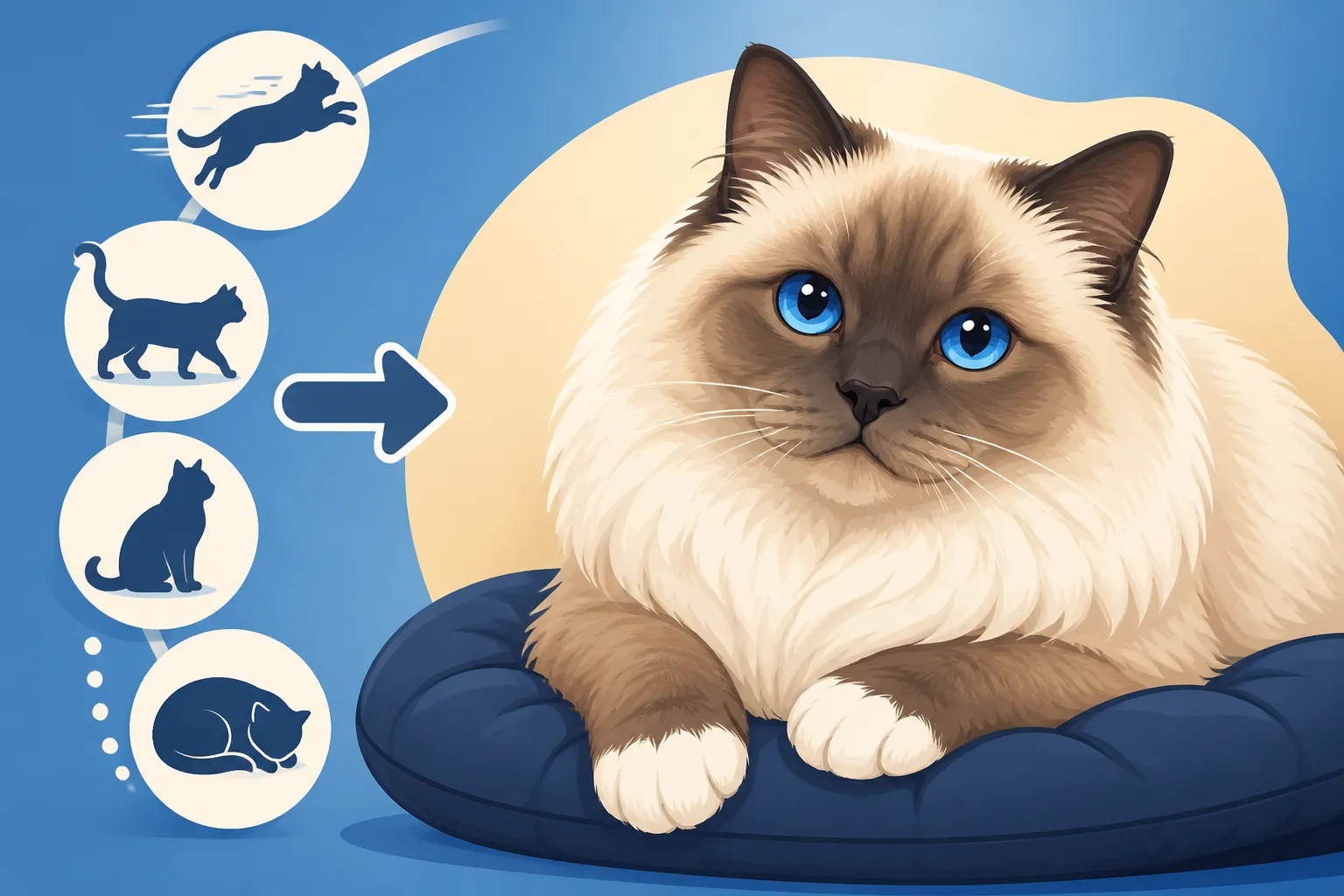
Remember when your Birman used to effortlessly leap onto the highest bookshelf or scale the cat tree in a single bound? As they age, you might observe that these acrobatic feats become less frequent, or they might even stop attempting them altogether. It’s not that they've suddenly lost interest in those prime perching spots, but rather that the physical effort required has become more challenging. They might start to prefer lower, more easily accessible areas like the back of the sofa or a cozy bed on the floor.
You might see them hesitate before jumping, perhaps taking a moment to assess the distance or even looking for an alternative, lower route. This reduced agility can often be attributed to subtle aches and pains in their joints, common as cats age. Conditions like arthritis, though often well-hidden by a Birman's stoic nature, can make jumping painful. If you've been noticing your Birman is starting to struggle, it's a good idea to chat with your vet about potential mobility support or supplements. Understanding How Arthritis Shows in a Birman That Never Jumped Much can help you interpret these subtle cues.
Reduced Interest in Play and Hunting Simulation
Another early indicator of aging is a noticeable drop in your Birman's enthusiasm for play. While Birmans are known for their calm demeanor, they still enjoy interactive play well into adulthood. However, as they age, those frantic chases after a feather wand or laser pointer might become shorter, less intense, or simply cease to capture their full attention. They might still bat at a toy if it’s presented directly to them, but they might not initiate play as often or show the same level of sustained interest.
This shift isn't necessarily a sign of boredom; it often reflects reduced energy levels or discomfort with rapid movements. Running and pouncing can put stress on aging joints, making less strenuous activities more appealing. You might find them preferring gentler forms of interaction, like a slow, deliberate patting session or simply sitting close by. This period is also when you might notice What an Old Birman Stops Doing Once It Passes Ten, which often includes a decline in active play.
Subtle Shifts in Eating and Drinking Habits
Our Birmans are creatures of routine, and changes in their eating and drinking patterns, no matter how minor, can be early red flags that something is changing as they age. Because they’re not demanding cats, these shifts can be easy to miss if you’re not paying close attention.
Pickiness or Changes in Appetite
It's natural for our cats' metabolisms to slow down a bit as they age, meaning they might need slightly fewer calories. However, a sudden or sustained change in appetite, whether it's becoming pickier about food they once loved or a general reduction in how much they eat, can be an early sign of age-related changes or even underlying health issues. A Birman, with its generally placid temperament, might just walk away from its bowl quietly, not making a fuss. This can be particularly concerning because a cat going without food, even for a day or two, can lead to serious health complications like hepatic lipidosis (fatty liver disease), especially in older felines.
Dental pain, for instance, can make eating hard kibble uncomfortable. If you notice your Birman chewing gingerly, dropping food, or showing a preference for softer textures, it's worth a dental check-up. Organ function decline can also impact appetite. For instance, kidney issues or thyroid problems (hyperthyroidism, which can ironically increase appetite but still cause weight loss) can manifest as changes in how they approach their meals. If your typically consistent eater starts acting strange around mealtime, it's a signal to investigate further. It’s worth remembering Why a Thin, Hungry Old Birman Needs a Thyroid Test as part of your proactive care.
Increased Thirst and Urination
While not always a definitive early sign, noticing your Birman visiting the water bowl more frequently or producing larger clumps in the litter box can be an important, subtle change. This isn't just about them being thirsty from a warm day; sustained increased thirst (polydipsia) and urination (polyuria) are classic indicators of several age-related health issues.
Kidney disease is a very common concern in older cats, and increased thirst is often one of the first noticeable symptoms as their kidneys become less efficient at concentrating urine. Diabetes is another condition that can lead to excessive thirst and urination. Even a Birman's predispositions due to its ancestry, like those that brought Why PKD Reached the Birman Through the Persian, make it crucial to monitor these changes. Getting a handle on these changes early can make a significant difference in managing their health, and regular vet check-ups are paramount. Comprehensive pet insurance, like a policy from Healthy Paws, can certainly ease the financial burden if these age-related conditions require ongoing diagnostics and treatment.
Alterations in Grooming and Appearance
Birmans are generally fastidious groomers, proud of their luxurious coats and elegant appearance. As they age, however, their ability to maintain that pristine look can diminish, revealing early signs of physical decline.
Neglected Grooming of Hard-to-Reach Areas
One of the most poignant early signs of aging in a Birman is when they start to neglect grooming certain areas of their body. Their magnificent ruff might become a little less tidy, or you might notice mats forming around their hindquarters, the base of their tail, or along their spine—places that require flexibility and effort to reach. They simply can’t twist and stretch as easily as they used to, leading to these areas becoming overlooked. This isn't laziness; it's a physical limitation.
A matted coat can be uncomfortable and even painful, pulling on their skin. It also traps dirt and moisture, potentially leading to skin infections. This is where you, as their human, step in. Regular, gentle grooming sessions become even more crucial. You might need to take over the responsibility for those hard-to-reach spots, ensuring their coat remains clean and mat-free. This shift means it's time to start thinking about What an Old Birman Needs Once Its Ruff Starts Matting and how you can adapt your care routine.
Coat Changes and Skin Dryness
Beyond just neglected grooming, the quality of your Birman's coat itself can change with age. Their once silky, lustrous fur might become a bit duller, coarser, or even thinner in places. The beautiful sheen might be replaced by a more lackluster appearance, and you might notice an increase in shedding, despite their single coat structure. This can be due to reduced nutrient absorption, hormonal changes, or simply the natural aging process affecting their skin and hair follicles.
Dry, flaky skin can also become more prevalent, especially if they aren't adequately hydrating or if their diet isn't supporting skin health as effectively as it once did. Sometimes, an older Birman's points might also appear to darken more intensely than before, which is a common age-related color change for pointed breeds. While some of these changes are cosmetic, a consistently dull coat or persistent dry skin can also signal underlying health issues, making a vet check-up advisable. Your vet might recommend dietary supplements, like omega-3 fatty acids, to support skin and coat health.
Behavioral and Cognitive Changes
Birmans are known for their calm, adaptable, and affectionate personalities. While their core temperament usually remains, aging can bring about subtle shifts in their behavior and cognitive function, which can be particularly challenging for owners to identify in such a quiet breed. This is also why Why a Quiet Birman Is Easy to Misread is so important to understand.
Increased Sleeping and Reduced Interaction
It's completely normal for older cats to sleep more. They've earned their rest, after all! However, if you notice your Birman is not just sleeping more, but also seems less interested in the interactions they once cherished, it could be an early sign of aging. They might spend more time tucked away in a quiet corner, less inclined to greet you at the door, or skip their usual evening cuddle session. This isn't necessarily a sign of unhappiness; it often reflects lower energy levels or a preference for quiet solitude as their senses become less sharp and their bodies tire more easily.
While they still crave your presence, they might prefer to be near you rather than actively engaging in play or demanding attention. They might still follow you from room to room, but instead of settling at your feet, they might choose a spot on the adjacent armchair or a sunny patch nearby. This shift in social dynamics can be heartbreaking for owners, but it's important to remember they still value your company, just perhaps in a more subdued way. Regular, gentle interaction, even if it's just quiet petting, remains vital.
Mild Disorientation or Confusion
Cognitive dysfunction syndrome (CDS), often referred to as "feline dementia," can begin with subtle signs of disorientation or confusion. This can be one of the more distressing aspects of aging in any pet, including our Birmans. You might notice them occasionally staring blankly at walls, getting "stuck" in a corner, or seeming unsure of where they are in familiar surroundings. They might forget where their litter box is located, leading to accidents outside the tray, or vocalize more at night, seemingly without reason.
These episodes might be fleeting at first, making them easy to dismiss, but they often become more frequent or pronounced over time. A Birman's serene nature might mean these moments are less dramatic than in a more vocal or active breed, but they are equally significant. If you start to see these kinds of changes, it's essential to discuss them with your veterinarian. There are ways to manage CDS, from environmental modifications to certain diets and supplements, that can improve your Birman's quality of life. Thinking about What a Birman's Yearly Panel Should Include After Eight will ensure you're proactively checking for these potential issues.
Sensory Decline and Communication Nuances
As Birmans gracefully age, their senses often become less acute, affecting how they perceive and interact with the world around them. These changes, though often gradual, can alter their behavior and how they communicate their needs.
Gradual Hearing and Vision Changes
Just like in humans, a Birman's hearing and vision can decline with age. You might first notice that they don't respond as readily to their name being called from another room, or they might seem startled when you approach them from behind. Their previously keen hunting instincts might wane as they struggle to pinpoint the location of a squeaky toy or a rustling leaf outside the window. This isn't a sudden blindness or deafness, but a slow, progressive decline that subtly changes their world.
While Birmans aren't particularly prone to specific eye conditions that lead to early blindness, the natural aging process can cause the lenses of their eyes to become cloudier (lenticular sclerosis), which can reduce their vision, particularly in low light. Their pupils might also appear more dilated, especially in dim conditions. Adjusting your home to accommodate these changes, such as maintaining consistent furniture arrangements and using nightlights, can help your aging Birman navigate more easily. This can often be tied to understanding The Twelve to Sixteen Years a Birman Usually Gets and what to expect during this period.
Quieter Vocalizations and Subtle Signals
The Birman is not a particularly vocal breed to begin with, known more for their soft trills and gentle purrs than loud meows. As they age, their vocalizations might become even quieter or less frequent. This can make it even harder to decipher their needs, especially if they are experiencing discomfort. Instead of a clear meow for food or attention, you might get a soft chirrup or a sustained gaze. You might even have to lean in to hear their purr, which might become less robust.
It’s crucial to become attuned to their subtle body language. A slow blink, a gentle rub against your leg, or a particular posture might be their way of communicating hunger, a desire for affection, or even pain. Why a Birman Hides Illness Behind a Placid Temperament highlights how important it is to observe these nuances. Being hyper-aware of these minute shifts is key to understanding your aging Birman and ensuring their comfort and well-being. Regular check-ups with your vet, discussing any tiny changes you've noticed, are essential, and a good pet insurance plan like those offered by Healthy Paws can provide peace of mind for covering diagnostic tests.
Proactive Care for Your Aging Birman
Recognizing these early signs of slowing down is the first step toward providing compassionate and proactive care for your senior Birman. Their golden years can be incredibly rich and fulfilling, but they often require a little more attention and understanding from us.
Regular Veterinary Check-ups and Screenings
The single most important thing you can do for an aging Birman is to ensure they receive regular, thorough veterinary check-ups. While a healthy adult Birman might only need annual visits, once they reach around eight years old, twice-yearly visits are often recommended. These appointments allow your vet to catch subtle changes that might be missed at home and to screen for common age-related conditions like kidney disease, hyperthyroidism, diabetes, and even heart conditions like hypertrophic cardiomyopathy (HCM).
During these visits, your vet will perform a comprehensive physical exam, check their weight, listen to their heart and lungs, and often recommend blood work and urine analysis. Understanding How Often a Birman With Clear Papers Still Needs a Vet highlights that even seemingly healthy cats benefit from this routine. Early detection is key for many conditions, allowing for interventions that can significantly improve their quality of life and potentially extend their healthy lifespan. These routine checks are fundamental to managing conditions before they become critical, for example, addressing How Kidney Failure Arrives in a Birman Past Fourteen long before it becomes an emergency.
Environmental Adjustments for Comfort and Safety
As your Birman slows down, making simple adjustments to their home environment can make a world of difference. Think about creating a "senior-friendly" space that caters to their changing needs. This might mean providing ramps or steps to help them access their favorite elevated spots, like a window perch or your bed, without having to jump. Ensure their litter box has lower sides, making it easier for them to step in and out comfortably, especially if they are experiencing joint pain. Consider placing multiple litter boxes around the house, particularly if mobility or cognitive changes are making it harder for them to reach their usual spot in time.
Comfortable, orthopedic beds in warm, quiet areas can provide relief for aching joints. Keep their food and water bowls easily accessible, perhaps in multiple locations if they are becoming disoriented. Non-slip mats on hard floors can help them navigate without fear of slipping. These thoughtful modifications can help reduce stress and improve your Birman's overall well-being as they age.
Dietary and Supplement Considerations
An aging Birman's nutritional needs can change. They might require a diet formulated for senior cats, which often contains different protein levels, phosphorus, and other nutrients to support kidney health and manage weight. Your vet can provide specific dietary recommendations based on your Birman's individual health status and any pre-existing conditions. For example, Which Blood Values a Birman's Kidney History Makes Important will guide dietary choices.
Supplements, such as omega-3 fatty acids for joint and coat health, or probiotics for digestive support, might also be beneficial. Always discuss any dietary changes or supplements with your veterinarian before introducing them, as some can interact with medications or exacerbate certain health conditions. Maintaining an ideal weight is also crucial, as obesity can worsen joint pain and increase the risk of other health issues. Conversely, unexplained weight loss needs immediate veterinary attention.
Continued Mental Stimulation and Affection
Even as your Birman slows down physically, their need for mental stimulation and affection doesn't disappear. While they might not be chasing toys with the same vigor, gentle play sessions, perhaps with a feather wand moved slowly or a puzzle feeder that isn't too challenging, can keep their minds active and prevent boredom. This is when you can really cherish How a Birman Shows Affection Without Making Demands.
Spending quality time with your Birman, even if it's just quiet companionship on the sofa, remains incredibly important for their emotional well-being. Grooming sessions can become a bonding experience, providing comfort and physical contact while also maintaining their coat. Gentle massage can help soothe aching muscles. Remember, your Birman has been a constant, loving presence in your life, and continuing to show them love, patience, and understanding as they age is the greatest gift you can give them.
| Early Sign of Aging | Potential Underlying Cause(s) | How You Might Notice It | Proactive Steps |
|---|---|---|---|
| Reduced Jumping/Climbing | Arthritis, joint pain, muscle weakness | Hesitation before jumping, preferring lower surfaces, slower movements | Vet check-up for pain management, ramps/steps, orthopedic beds |
| Decreased Play Drive | Lower energy levels, discomfort, cognitive decline | Shorter play sessions, less initiation of play, disinterest in active toys | Gentle interactive play, mental stimulation with puzzle toys, vet consultation |
| Appetite Changes | Dental disease, kidney issues, hyperthyroidism, stress | Pickiness, eating less, difficulty chewing, sudden weight loss/gain | Vet dental exam, blood tests, diet review with vet, monitor weight |
| Increased Thirst/Urination | Kidney disease, diabetes, hyperthyroidism | More frequent visits to water bowl, larger/more urine clumps in litter | Vet blood/urine tests, ensure fresh water availability, larger litter boxes |
| Neglected Grooming | Arthritis, pain, reduced flexibility | Mats on back/hindquarters, dull coat, greasy fur | Daily gentle brushing, vet check for pain/mobility, professional grooming if needed |
| Disorientation/Confusion | Cognitive Dysfunction Syndrome (CDS) | Staring blankly, getting "stuck," urinating outside box, increased nighttime vocalization | Vet consultation for CDS management, consistent routine, nightlights |
| Reduced Interaction | Lower energy, increased sleep, discomfort | Spending more time alone, less enthusiastic greetings, quiet companionship | Continue gentle affection, create quiet resting spots, monitor for other symptoms |
Disclaimer
This article is intended for informational purposes only and is not a substitute for professional veterinary advice. Always consult with your veterinarian regarding any health concerns or changes in your Birman's behavior or physical condition. Early detection and intervention are key to ensuring the best possible quality of life for your aging feline companion.