Which Lab Runs the Birman FOXN1 Test
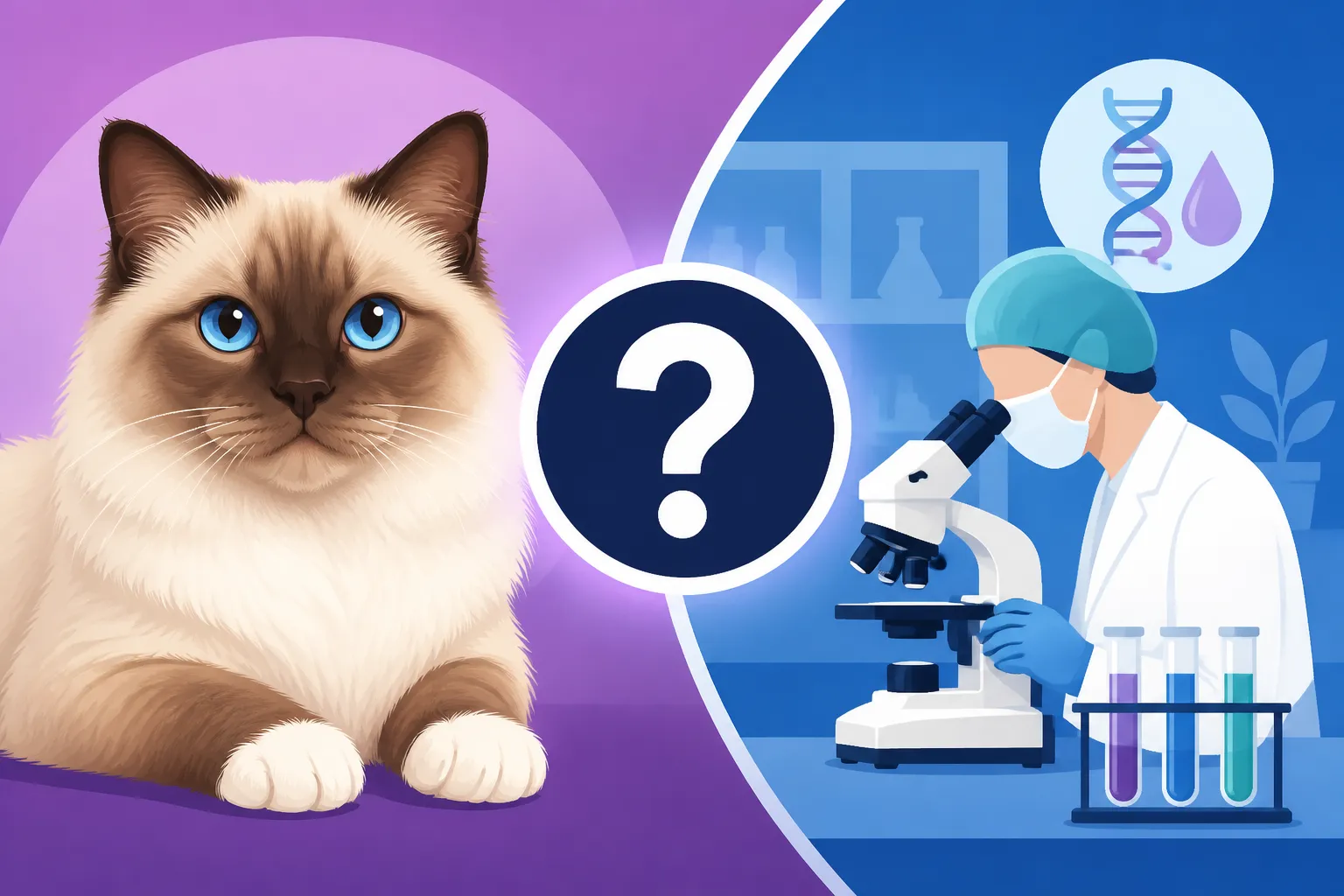
Bringing a Birman into your life is a joy, but the lingering worry about their genetic health can be a real burden for any loving owner or dedicated breeder. One of the most significant concerns in the Birman community revolves around the FOXN1 gene, which, when inherited incorrectly, can lead to devastating health problems. This comprehensive guide is here to shed light on what FOXN1 is, why testing is so vital, and most importantly, which reputable laboratories you can turn to for accurate Birman FOXN1 testing, helping you navigate this crucial aspect of responsible pet ownership.
The Gravity of FOXN1 in Birman Health
Understanding the intricacies of Birman health means delving into specific genetic predispositions that can profoundly impact their lives. The FOXN1 gene, while perhaps not a household name for every cat owner, is a critical piece of the puzzle for Birmans.
Understanding the FOXN1 Gene and Its Impact
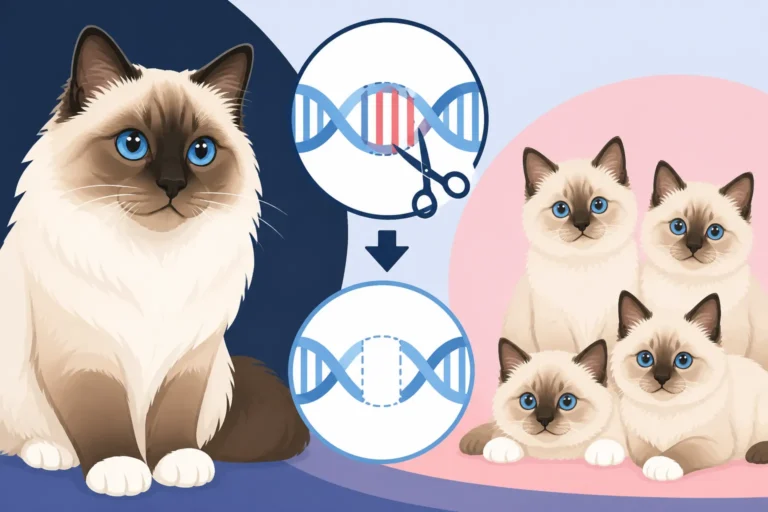
The FOXN1 gene plays a pivotal role in the development of the thymus gland, a small but mighty organ essential for the immune system. Specifically, it's crucial for the maturation of T-cells, which are the body's little warriors against infections. In Birmans, a specific mutation or deletion in this gene can lead to a condition known as congenital hypotrichosis with thymic aplasia, often referred to simply as Birman hypotrichosis. This isn't just about sparse fur; it’s about a compromised immune system that leaves affected kittens incredibly vulnerable.
When we talk about the health challenges these beautiful cats face, it’s a stark reminder that even with their placid temperament and gentle nature, there are hidden genetic vulnerabilities. The history of The Birman Was Rebuilt From Two Cats and It Shows highlights the narrow genetic bottleneck the breed experienced, which unfortunately concentrated certain genes, including the one responsible for FOXN1 issues. Breeders work tirelessly to identify and manage these conditions, but it starts with understanding the science behind them.
The Devastating Reality of Birman Hypotrichosis
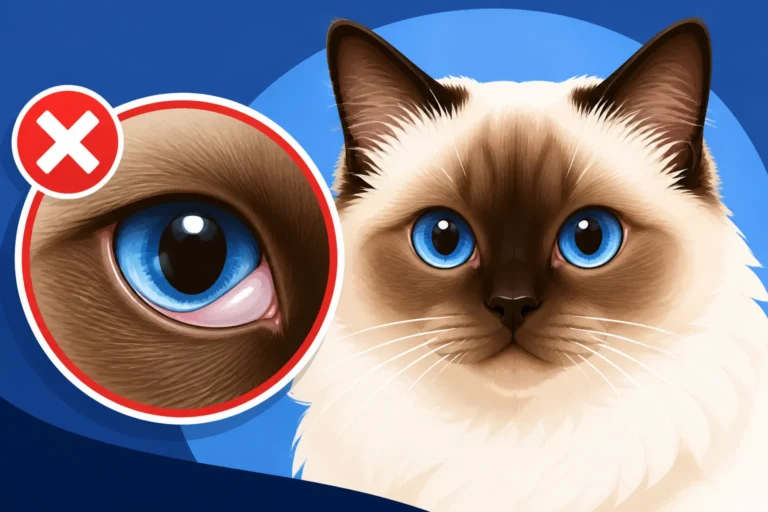
Imagine a tiny Birman kitten, born almost entirely bald or with extremely sparse, greasy fur. This heartbreaking image is the reality for an affected kitten with FOXN1-related hypotrichosis. Beyond the lack of a proper coat, which can lead to difficulties regulating body temperature, the true danger lies in the thymic aplasia – the failure of the thymus gland to develop. This means the kitten cannot produce functional T-cells, leaving them without a crucial part of their immune defense.
These kittens are, tragically, highly susceptible to every infection imaginable. Their bodies simply cannot fight off bacteria, viruses, or fungi that a healthy kitten would easily overcome. Sadly, Why a Birman Kitten Born Bald Will Not Reach Eight Months explains that their life expectancy is severely limited, often not surviving past a few months, and many are humanely euthanized to prevent prolonged suffering. It’s a gut-wrenching situation that underscores the absolute necessity of preventative testing.
Why Carriers Are So Important in Birman Lines
The FOXN1 mutation is inherited in an autosomal recessive pattern. This means a kitten only develops the disease if it inherits two copies of the faulty gene – one from each parent. Cats that carry one copy of the faulty gene and one normal copy are called "carriers." These carriers are completely healthy themselves; they show no symptoms of hypotrichosis and live full, normal lives. However, they are vital to identify because if two carriers are bred together, there's a 25% chance with each kitten that it will inherit two faulty genes and be affected by the disease.
Understanding How a Birman Carrier Is Identified is paramount for responsible breeding. Without knowing the carrier status of breeding cats, breeders are essentially playing a genetic lottery, risking the birth of severely ill kittens. Identifying carriers allows breeders to make informed decisions, ensuring that no two carriers are mated, thus safeguarding future generations from this tragic condition.
The Imperative for Genetic Screening in Birmans
For anyone involved with Birmans, whether as a dedicated breeder or a loving pet owner, genetic screening for conditions like FOXN1 isn't just a suggestion—it's a moral imperative. It's about protecting these beautiful animals and upholding the integrity of the breed.
The Breeder's Responsibility and Ethical Mandate
Responsible Birman breeders understand that their role extends far beyond producing adorable kittens. It encompasses a deep commitment to the health and well-being of every cat in their program, and every kitten they place into a home. This ethical mandate means thorough health testing for genetic conditions like FOXN1, HCM (Hypertrophic Cardiomyopathy), and PKD (Polycystic Kidney Disease) is non-negotiable. It's about transparency, diligence, and making difficult but necessary decisions for the good of the breed.
A breeder's commitment to testing for FOXN1 is a testament to their dedication. They invest time and resources to ensure they are not inadvertently contributing to the perpetuation of serious genetic diseases. Publishing test results, discussing carrier status openly, and educating prospective owners about these issues are hallmarks of a reputable cattery. This is why when considering a kitten, always ask Which Results a Birman Breeder Must Put in Writing.
Protecting Your Kitten's Future and Your Heart
For prospective pet owners, choosing a kitten from a breeder who meticulously screens for FOXN1 and other genetic conditions offers invaluable peace of mind. No one wants to bring home a precious kitten only to face the crushing reality of a severe, untreatable genetic illness shortly thereafter. Knowing that both parents have been tested and are either clear or that carrier parents have been responsibly bred to clear mates means you're bringing home a kitten with the best possible start in life.
This level of care also means that if you ever need to make difficult choices about your pet's health, having a complete genetic picture can inform those discussions with your vet. While no insurance policy can prevent genetic conditions from existing, knowing your kitten comes from tested lines can offer a layer of reassurance. Companies like Healthy Paws emphasize preventative care and understanding your pet's genetic background can help tailor discussions about potential health concerns, allowing you to focus on the joy your Birman brings, rather than the anxiety of unforeseen genetic issues.
Why Waiting for Symptoms Is Too Late
The insidious nature of recessive genetic diseases like FOXN1 hypotrichosis is that affected kittens are born with the condition. By the time symptoms are visible – such as hair loss, a greasy coat, or recurring infections – it's already too late to prevent the disease in that individual kitten. There is no cure for thymic aplasia, and treatment is merely supportive, often proving ineffective against the barrage of infections these kittens face.
This is precisely why preventative genetic testing of the parents is so crucial. It allows breeders to identify the genetic risk before a kitten is conceived, thereby preventing the birth of affected kittens altogether. If you're pondering What an Affected Birman Kitten Looks Like at Birth, it's important to understand that early detection in the kitten itself is not the goal; prevention through parental screening is the gold standard for this condition.
Navigating the World of Birman FOXN1 Testing Laboratories
Once you understand the importance of FOXN1 testing, the next logical step is to identify where you can get these tests done reliably. Finding a reputable laboratory is key to receiving accurate, actionable results.
What to Look For in a Reputable Testing Lab
When selecting a laboratory for your Birman's FOXN1 test, several factors should guide your decision. Foremost, ensure the lab specializes in companion animal genetic testing, particularly feline genetics. Look for facilities with a strong scientific reputation, clear communication channels, and efficient turnaround times. They should ideally be accredited or recognized by relevant veterinary or genetic testing bodies, which speaks to their quality control and accuracy.
Furthermore, a good lab will provide clear, easy-to-understand instructions for sample collection, submission, and result interpretation. They should also offer secure and confidential handling of your cat's genetic information. Don't hesitate to ask breeders you trust or your veterinarian for recommendations, as they often have direct experience with various labs and can offer valuable insights.
Prominent Laboratories Offering Birman FOXN1 Genetic Tests
Several highly regarded laboratories globally offer reliable genetic testing for the Birman FOXN1 mutation. These labs are at the forefront of canine and feline genetic diagnostics and are frequently utilized by responsible breeders and veterinarians.
One of the most widely recognized and respected institutions offering genetic testing for Birman FOXN1 is the University of California, Davis (UC Davis) Veterinary Genetics Laboratory (VGL). UC Davis VGL is renowned for its scientific rigor, extensive research in animal genetics, and a comprehensive panel of tests for various breeds, including specific Birman health screenings. Their expertise makes them a go-to choice for many breeders in North America.
Another highly reputable option, particularly for those in Europe and increasingly globally, is Laboklin. Laboklin is a leading veterinary diagnostic laboratory with a strong focus on genetic testing for a wide range of inherited diseases in cats and dogs. They offer specific panels for Birmans that include FOXN1, and their services are known for their accuracy and customer support.
Orivet Genetic Pet Care is another established name, offering a variety of genetic tests for cats, including the FOXN1 mutation for Birmans. Orivet provides detailed reports and often has user-friendly online portals for managing samples and results.
For breeders in specific regions, smaller, specialized labs might also exist, often affiliated with veterinary schools or national breed clubs. Always verify their credentials and ensure they specifically test for the Birman FOXN1 mutation, as mutations can be breed-specific. Checking online reviews or asking in Birman breeder forums can also provide anecdotal evidence of reliability and service quality.
The Simple Steps to Submitting Your Birman's Sample
The process of submitting a sample for FOXN1 testing is surprisingly straightforward and non-invasive, typically requiring only a buccal swab (cheek swab). This is great news for both you and your cat, as it avoids the need for a blood draw, which can be more stressful.
Here’s a general overview of the steps involved:
- Order a Test Kit: Visit the chosen laboratory's website (e.g., UC Davis VGL, Laboklin, or Orivet) and order the Birman FOXN1 genetic test kit. It will usually include sterile buccal swabs, submission forms, and detailed instructions.
- Collect the Sample: This is the easiest part. Using the provided sterile swabs, gently but firmly rub the inside of your Birman's cheek and gum line for about 10-20 seconds. The goal is to collect cells, not just saliva. Many labs recommend avoiding feeding your cat for at least 30 minutes prior to collection to ensure a clean sample. Repeat with a second swab if instructed. Why a Cheek Swab Clears a Birman for FOXN1 explains the simplicity and effectiveness of this method.
- Dry and Package: Allow the swabs to air dry completely (usually 5-10 minutes) before placing them into the provided envelopes or tubes. This prevents mold growth during transit.
- Fill Out Forms: Carefully complete all submission forms, ensuring all information about your Birman (name, registration number, date of birth, etc.) is accurate.
- Ship the Sample: Mail the packaged swabs and forms back to the laboratory following their specific shipping instructions. Some labs provide prepaid shipping labels.
The turnaround time for results can vary, typically ranging from a few days to several weeks, depending on the lab and their current workload. Once the results are ready, they'll usually be sent to you via email or through an online portal.
Deciphering Your Birman's FOXN1 Test Results
Receiving your Birman's genetic test results can feel a bit like reading a foreign language if you're not familiar with the terminology. However, understanding these results is crucial for making informed decisions about your cat's health and potential breeding future.
Understanding the "Clear," "Carrier," and "Affected" Spectrum
FOXN1 test results for a Birman will typically fall into one of three categories, indicating the genetic status of your cat:
- N/N (Clear/Homozygous Normal): This means your Birman has inherited two normal copies of the FOXN1 gene. The cat is genetically clear of the mutation and will not develop hypotrichosis due to FOXN1. More importantly, they cannot pass the faulty gene to their offspring. This is the ideal result for any breeding animal.
- N/P (Carrier/Heterozygous): This indicates your Birman has inherited one normal copy and one copy of the FOXN1 mutation. As discussed earlier, carriers are clinically healthy and will not show any symptoms of the disease. However, they can pass the faulty gene to approximately 50% of their offspring. This is where responsible breeding decisions become critical. How to Read a Birman's Carrier Result offers a deeper dive into interpreting this specific outcome.
- P/P (Affected/Homozygous Affected): This means your Birman has inherited two copies of the FOXN1 mutation, one from each parent. Cats with this genotype will develop Birman hypotrichosis with thymic aplasia. Sadly, these kittens face severe health challenges and a tragically short lifespan, as explored in Why Birman Hypotrichosis Is Called Short Life Expectancy. This result typically confirms the clinical diagnosis for an affected kitten.
Knowing these designations allows you to fully grasp the genetic implications for your individual Birman and for future generations if you are a breeder.
Strategic Breeding Decisions for FOXN1 Carriers
If your Birman is identified as a FOXN1 carrier, it absolutely does not mean they cannot be bred. In fact, carriers often possess other desirable traits (temperament, conformation, color) that are valuable to preserve within the breed. The key is strategic, responsible breeding. The golden rule is simple: never breed two carriers together.
A carrier (N/P) can be safely bred to a clear (N/N) cat. In such a pairing, statistically, 50% of the kittens will be clear (N/N) and 50% will be carriers (N/P), but critically, no kittens will be affected (P/P). This allows valuable genetic diversity to be maintained while completely avoiding the birth of sick kittens. It's a pragmatic approach that allows for careful management of the gene without unnecessarily removing healthy, genetically valuable cats from the breeding pool. This topic is so important that Why Two Birman Carriers Should Never Be Mated is a critical resource for breeders.
Beyond the Results: Ongoing Health Management
Receiving clear FOXN1 results is wonderful news, offering immense relief and confidence in your Birman's genetic health. However, even with clear results, responsible pet ownership and breeding demand a holistic approach to health. Genetic testing is just one piece of the puzzle. Regular veterinary check-ups, appropriate vaccinations, a high-quality diet, and ongoing attention to dental health remain paramount.
For breeders, documentation and transparency are essential. Keep meticulous records of all genetic tests, and be prepared to share them with prospective buyers. This not only builds trust but also contributes to the overall health database for the breed. If your cat is a carrier, remember the importance of careful mate selection and continuous communication with your veterinary team. While FOXN1 is a significant concern, it's just one aspect of comprehensive Birman care.
Financial and Practical Considerations for Testing
Investing in genetic testing might seem like an added expense, but when you consider the peace of mind it provides and the potential heartbreak it prevents, it’s truly an invaluable part of responsible Birman ownership.
The Investment in Your Birman's Health
The cost of a Birman FOXN1 test can vary depending on the laboratory, your location, and whether it's part of a larger panel. Typically, a single genetic test like FOXN1 might range from $50 to $150. While this might feel like an upfront cost, compare it to the emotional and financial toll of caring for a severely ill kitten, or the ethical burden on a breeder who has produced affected offspring. When viewed through this lens, the test is a small, sensible investment in the long-term health and well-being of the breed.
Think about it this way: for a fraction of the cost of potential vet bills for an affected kitten, or even the initial purchase price of a well-bred Birman, you gain invaluable genetic information. This information allows for preventative action, saving heartache and potentially significant expenses down the line. Pet insurance providers, such as Healthy Paws, also champion preventative care, understanding that comprehensive testing contributes to healthier pets and can help manage future claims by addressing issues proactively.
Comprehensive Panels: Testing for More Than Just FOXN1
Many laboratories offer comprehensive genetic health panels that include FOXN1 along with other relevant tests for Birmans. This is often a more cost-effective and efficient approach than ordering individual tests. For Birmans, beyond FOXN1, common tests include Polycystic Kidney Disease (PKD1) and sometimes tests for other conditions known to affect the breed.
For example, What Testing a Birman for FOXN1 and PKD1 Together Costs highlights the benefit of combining these tests. PKD1, while different in its manifestation, is another genetic condition that can be detected via DNA testing and managed through careful breeding. Opting for a panel ensures you have a more complete picture of your Birman's genetic predispositions, allowing for broader preventative measures and more informed breeding decisions. It’s a good idea to discuss Which Tests Belong on a Birman Panel with your vet or an experienced breeder.
Leveraging Pet Insurance for Peace of Mind
While genetic testing costs are generally an out-of-pocket expense, the broader implications of genetic health can certainly impact your pet insurance needs. Knowing your Birman's genetic predispositions allows you to have more targeted discussions with your veterinarian and your pet insurance provider about potential future health concerns. For instance, if you have a clear FOXN1 result, you can rest assured that one major genetic hurdle is avoided, allowing you to focus on other aspects of care.
For carriers or even cats from lines with a known history of conditions like HCM, discussing these factors with your insurance provider, such as Healthy Paws, can help you understand coverage limitations, exclusions, or how to best utilize your policy for proactive monitoring. Ultimately, investing in genetic testing is a responsible step that complements comprehensive veterinary care and thoughtful insurance planning, contributing to a long, happy, and healthy life for your beloved Birman.
Disclaimer
Please remember that this guide provides general information and recommendations. Always consult with a qualified veterinarian for personalized advice regarding your Birman's specific health needs, genetic testing protocols, and breeding strategies. Genetic science is constantly evolving, and professional guidance is essential for making the best decisions for your pet.