The Birman Was Rebuilt From Two Cats and It Shows
It’s a heartbreaking thought: a cherished cat breed brought to the brink of extinction, its very future hanging by a thread. For the beautiful Birman, this wasn't just a hypothetical scenario; it was a brutal reality during the turmoil of World War II. The breed's genetic foundation was decimated, leaving only two known individuals to rebuild an entire lineage, and this historical bottleneck has left an indelible mark on their health and genetic diversity to this day. This guide will delve deep into the Birman's incredible survival story, exploring the profound health implications of its reconstruction from such a narrow genetic base.
The Grim Reality of War: A Breed on the Brink
Imagine a world where your beloved feline companion's entire ancestry is almost wiped out, not by disease, but by the chaos of human conflict. This was the terrifying predicament facing the Birman breed in the aftermath of World War II. Before the war, Birmans, or "Sacre de Birmanie" as they were known in their adopted home of France, had established a small but growing presence in Europe. They were admired for their stunning point coloration, sapphire eyes, and the distinctive white "gloves" on their paws. Enthusiastic breeders worked diligently to expand the gene pool and refine the breed's characteristics, but the sheer destruction and disruption of the war brought everything to a screeching halt.
During those dark years, resources were scarce, travel was dangerous, and the focus of most people shifted to mere survival. Maintaining a cattery, with its inherent costs and complexities, became an impossible luxury for many. Pedigree records were lost, catteries were destroyed, and many cats simply perished due to starvation, disease, or the indiscriminate violence of war. It's a sobering thought that such a unique and gentle breed was almost a casualty of global conflict. The widespread impact wasn't just on individual cats; it was on the entire genetic tapestry of the breed, a loss that would take immense effort and careful planning to even begin to repair.
The Decimation of the European Birman Population
Before the war, the Birman population, particularly in France where the breed was officially established, was steadily growing. Records from the 1920s and 30s show a dedicated effort by French breeders to develop and standardize the breed. These were the pioneering days, where careful pairings aimed to solidify the Birman's distinctive traits. However, when the war broke out, the delicate infrastructure of breeding programs crumbled. Many breeders were forced to abandon their homes, evacuate their animals, or simply couldn't provide the necessary care. The very act of feeding a cat became a challenge, let alone maintaining breeding lines.
The genetic diversity that had been slowly building was obliterated. Imagine a library of unique genetic traits, painstakingly collected over decades, suddenly reduced to ashes. This wasn't just about losing individual cats; it was about losing entire lines, specific genetic variations that contributed to the breed's resilience and adaptability. The scarcity of food, lack of veterinary care, and the constant threat of bombings meant that even the hardiest cats struggled to survive. The situation was dire, leaving the post-war Birman fancy with an almost insurmountable task: to bring the breed back from the edge of oblivion.
The Near Loss of Genetic Diversity
The inherent danger of a small founder population is the lack of genetic diversity, making a breed more susceptible to certain diseases and less adaptable to environmental changes. The pre-war Birman population, while small, was at least somewhat varied. The war acted as a severe genetic bottleneck, drastically reducing the number of breeding individuals. This means that many unique genes, whether beneficial or benign, were simply lost from the gene pool forever. When a population shrinks so dramatically, the genetic material that remains becomes highly concentrated, increasing the chances of "bad" genes becoming more prevalent if not carefully managed.
This reduction in genetic variation is often called a "founder effect," where the genetic makeup of future generations is disproportionately influenced by the few individuals who survived. For the Birman, this meant that the genes carried by the two surviving foundation cats would largely dictate the genetic health and characteristics of every Birman cat that followed. This bottleneck made the breed inherently more vulnerable to the expression of recessive genes, some of which could be linked to serious health conditions. It underscored the critical need for meticulous breeding post-war to avoid compounding these inherent risks, a challenge that continues to influence breeding decisions today.
Orloff and Xenia de Kaabaa: The Architects of the Modern Birman
Out of the ashes of wartime destruction, a glimmer of hope emerged in the form of two remarkable Birman cats: Orloff and Xenia de Kaabaa. These two individuals are often credited with being the sole surviving Birmans after the war, making them the genetic bedrock of every modern Birman cat alive today. Their existence was nothing short of miraculous, a testament to the dedication of their owners who managed to protect them through unimaginable hardship. They became the literal progenitors, carrying the entire genetic future of the breed on their shoulders.
Their story is one of profound importance to anyone who loves Birmans. Without Orloff and Xenia, it's highly likely the breed would have vanished entirely. Their survival meant that the distinct Birman characteristics – the pointed coat, the deep blue eyes, and especially those iconic white gloves – could be passed on. However, their isolated lineage also meant that the entire breed would forever bear the genetic signature of just these two cats, a legacy that breeders have been carefully navigating ever since. Their contribution wasn't just about preserving the breed's existence, but defining its genetic parameters for centuries to come.
The Miraculous Survival of Two Cats
The tales of Orloff and Xenia de Kaabaa's survival are often pieced together from fragmented records and oral histories passed down through generations of breeders. It's believed that they were kept safe, perhaps hidden away, by dedicated owners in France during the occupation. Imagine the effort involved in feeding and sheltering these cats when human populations themselves were struggling for basic necessities. Their owners understood the immense value of these animals, not just as pets, but as living representatives of a unique and beautiful breed that faced extinction. Their dedication ensured that the Birman legacy wouldn't simply fade away.
While the exact details of their wartime experiences remain somewhat shrouded in history, their existence post-1945 is well-documented. They emerged as the last known purebred Birmans, a living connection to the breed's past. Their survival wasn't just luck; it was a profound act of preservation by individuals who recognized the cultural and aesthetic significance of the Birman. These two cats, through sheer resilience and human protection, became the unexpected heroes, holding the key to unlocking the future of the entire breed. It's a powerful reminder of how precious each individual life can be in the grand scheme of a species' survival.
Their Pivotal Role in the Breed's Reconstruction
With Orloff and Xenia de Kaabaa identified as the last remaining Birmans, the monumental task of rebuilding the breed began. However, breeding these two cats together exclusively would have led to an immediate and severe inbreeding crisis, further compounding the genetic bottleneck. The gene pool was simply too shallow for such a strategy. To save the breed, and to introduce some much-needed genetic diversity, careful outcrossing to other breeds became not just an option, but an absolute necessity. This decision, while controversial to some purists at the time, was a pragmatic and ultimately life-saving measure.
The first generation kittens from these outcrossings would then be carefully bred back to purebred Birmans (Orloff or Xenia, or their subsequent purebred offspring) over several generations. This process, known as backcrossing, aimed to re-establish the distinctive Birman type while slowly expanding the genetic base. It was a painstaking and lengthy endeavor, requiring immense patience and a deep understanding of genetics from the pioneering breeders. Their efforts ensured that the unique "look" of the Birman was preserved, but also that enough new genetic material was introduced to prevent immediate collapse from inbreeding depression. The breed associations played a crucial role in overseeing this complex process, laying down strict guidelines for registration and acceptable outcrosses.
The Necessity and Impact of Outcrossing
To prevent immediate genetic collapse and to inject some fresh blood into the severely depleted gene pool, the post-war Birman breeders made the difficult but essential decision to introduce other cat breeds into their breeding programs. This practice, known as outcrossing, was not undertaken lightly. It risked diluting the very traits that made the Birman unique, but it was deemed the only viable path to ensure long-term health and genetic viability. Without outcrossing, the genetic pool would have remained dangerously shallow, leading to severe inbreeding depression, increased susceptibility to genetic diseases, and potentially, the breed's eventual disappearance.
The specific breeds chosen for outcrossing were selected based on their genetic compatibility and their ability to contribute desirable traits while minimizing the introduction of undesirable ones. These choices were critical and have had a lasting impact on the Birman's genetic makeup and health profile. The immediate goal was survival and genetic diversification; the long-term challenge was to meticulously breed back to the original Birman standard, a process that took decades. This era of outcrossing truly shaped the modern Birman, forever intertwining its genetic story with that of other beloved feline breeds.
Which Breeds Were Crossed In to Save the Birman
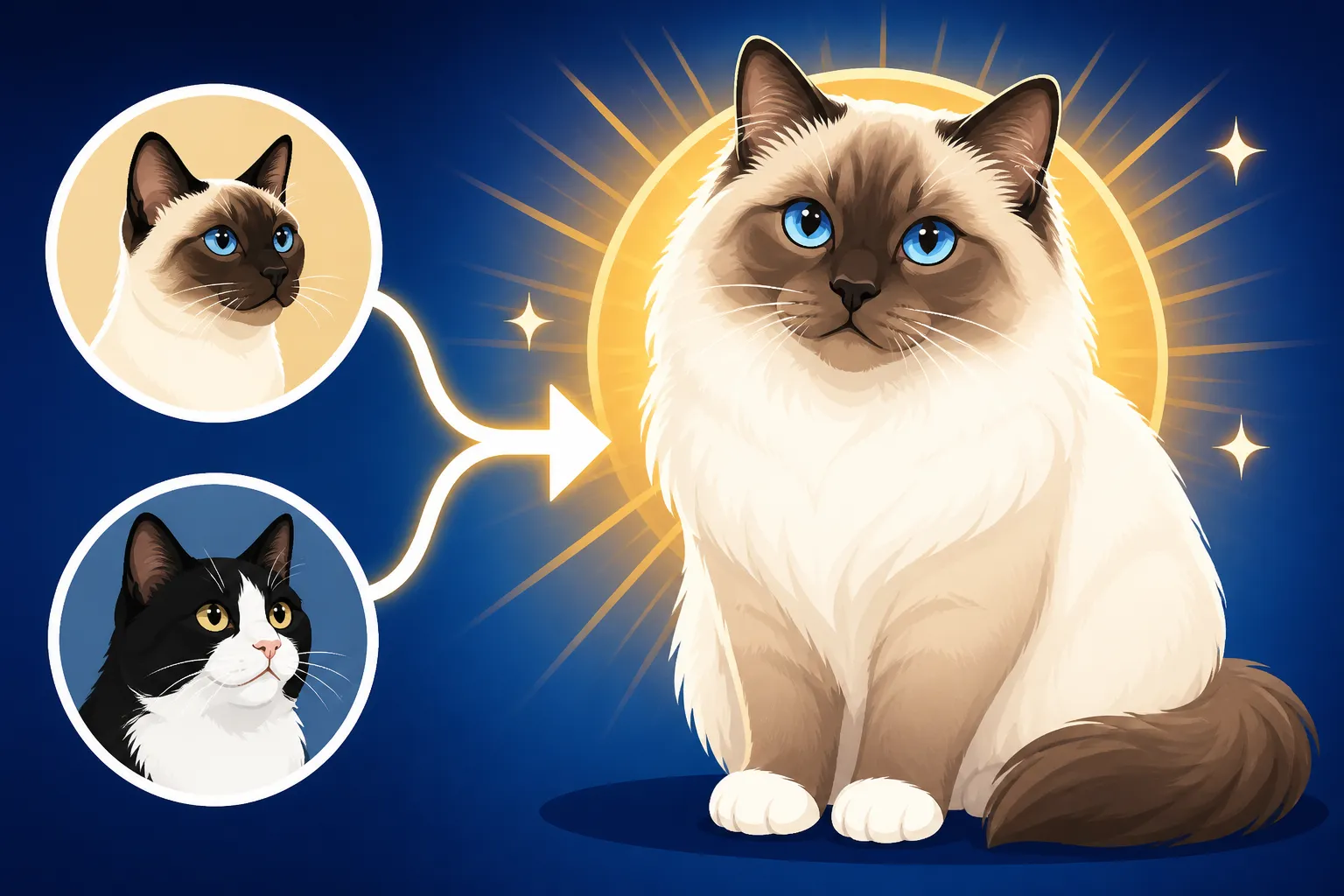
The historical records indicate that Persian and Siamese cats were the primary breeds used in the Birman's post-war outcrossing program. These choices were logical for several reasons. Persians contributed to the long, silky coat, the rounder head shape, and the docile temperament that breeders wanted to reinforce. However, they also brought with them their own set of genetic predispositions, including Polycystic Kidney Disease (PKD1), which later became a concern in Birmans. If you're wondering Why PKD Reached the Birman Through the Persian, it's a direct result of this necessary historical outcrossing.
Siamese cats were chosen for their pointed pattern genetics, which is a hallmark of the Birman, as well as their slender, athletic build and intelligence. They also helped to reinforce the striking blue eye color. While Siamese are known for being vocal, this trait thankfully didn't become dominant in the Birman, which largely retained its quiet demeanor. The careful selection of these two breeds aimed to preserve the Birman's aesthetic while broadening its genetic base. It was a delicate balancing act, trying to introduce new genes without fundamentally altering the Birman's established type and temperament. The process was iterative, involving many generations of careful breeding, selection, and an unwavering commitment to the breed's future.
The Introduction of New Genes and Potential Health Risks
While outcrossing was crucial for increasing genetic diversity, it wasn't without its own set of challenges. Each outcross breed brought its unique genetic baggage, including predispositions to certain health conditions. For instance, the introduction of Persian lines, while helping with coat length and plushness, also introduced the PKD1 gene into the Birman population. Polycystic Kidney Disease (PKD) is a progressive condition where cysts form in the kidneys, eventually leading to kidney failure. This is why a Birman breeder still tests for PKD, even decades later. This illustrates the double-edged sword of outcrossing: gaining diversity, but also potentially inheriting new vulnerabilities.
Similarly, while Siamese blood helped with the pointed gene and body structure, it's also a breed with its own genetic predispositions. Breeders had to be incredibly vigilant, selectively breeding away from undesirable traits or health issues while striving to retain the core Birman characteristics. This period necessitated meticulous record-keeping, health screening (as much as was possible with the limited veterinary science of the time), and a deep understanding of pedigrees. The genetic legacy of these outcrossings meant that future generations of Birmans would need careful monitoring for conditions that might not have been prevalent in the pre-war lines, requiring ongoing health testing and responsible breeding practices.
The Genetic Legacy of a Narrow Founder Base
Even with careful outcrossing, the fact remains that every Birman today descends from a very limited number of foundation cats. This narrow founder base, primarily Orloff and Xenia de Kaabaa, has left an undeniable genetic legacy. While outcrossing introduced some new genetic material, the core Birman genome still reflects the few individuals who survived the war. This means that certain genetic traits, both desirable and undesirable, became fixed or highly prevalent within the breed. Understanding this genetic bottleneck is crucial for appreciating why certain health conditions are more commonly associated with Birmans, despite the best efforts of responsible breeders.
The implications of such a restricted gene pool are vast, impacting everything from physical characteristics to susceptibility to disease. It means that while Birmans are generally a healthy breed with a good lifespan, they do have specific genetic predispositions that require ongoing vigilance from breeders and owners alike. It’s a constant reminder of the breed's incredible journey back from the brink, and the long-term responsibility that comes with preserving such a unique lineage. For anyone considering bringing a Birman into their home, it’s important to be aware of these historical genetic realities. You might be interested in learning What a Narrow Founder Base Left in the Birman.
Understanding Inbreeding Coefficients in Birmans
The concept of an inbreeding coefficient (COI) is vital when discussing a breed with a narrow founder base like the Birman. The COI is a measure of the probability that two alleles (versions of a gene) at any locus are identical by descent from a common ancestor. In simpler terms, it estimates how inbred an individual animal is. Due to the extreme bottleneck of the post-war era, Birmans inherently carry a higher degree of relatedness to their shared ancestors. Even with outcrossing, the initial genetic pool was so small that a certain level of inbreeding was unavoidable in the rebuilding process.
Responsible breeders today use COI calculations to make informed breeding decisions, striving to keep the coefficient as low as possible while maintaining breed type. The goal isn't necessarily to eliminate all inbreeding, as some degree is required to fix desired traits within a breed. However, excessively high COIs can lead to a phenomenon known as "inbreeding depression," which manifests as reduced fertility, smaller litter sizes, weaker immune systems, and an increased risk of expressing recessive genetic disorders. This ongoing challenge means that selecting breeding pairs requires careful consideration of their lineage and genetic contributions to maintain vigor and health. Many breed registries encourage breeders to publish COI data for transparency.
Genetic Predispositions and Recessive Traits
The genetic legacy of the Birman's reconstruction means that certain recessive genes, if present in the founding population or introduced through outcrossing, had a higher chance of becoming widespread. This is because with fewer unique genetic variants, the likelihood of two related individuals carrying the same recessive gene and passing it on to their offspring increases significantly. This is why conditions like Polycystic Kidney Disease (PKD1), as mentioned earlier, are known concerns. The good news is that advancements in veterinary genetics allow for DNA testing for many of these conditions.
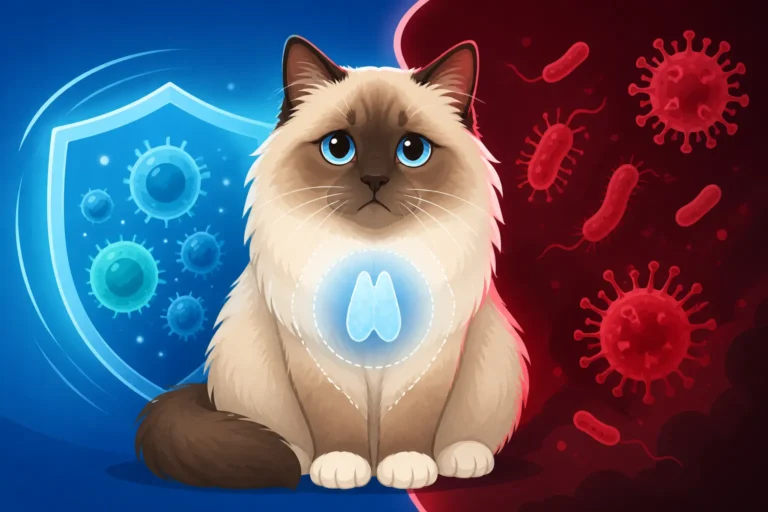
One particularly severe recessive condition linked to the Birman's unique genetic history is a form of inherited hypotrichosis (hairlessness) known as FOXN1-related immunodeficiency, or sometimes referred to as "Birman Hypotrichosis with Short Life Expectancy." This devastating condition, when two carrier parents are bred together, results in kittens born nearly bald, with a missing or underdeveloped thymus gland, rendering them severely immunocompromised. Sadly, these kittens rarely survive past a few months. If you're a breeder, understanding Why Two Birman Carriers Should Never Be Mated is paramount. This highlights the ongoing need for genetic screening and careful breeding practices to protect the breed from its own historical vulnerabilities.
Understanding the Birman's Vulnerabilities from its Reconstruction
The difficult journey of the Birman's reconstruction directly influences its health profile today. While Birmans are generally robust cats, their genetic history means that breeders and owners need to be particularly aware of certain conditions. This isn't to say that all Birmans will develop these issues, but rather that a heightened awareness and proactive approach to health screening are essential for ensuring a long and healthy life for these beautiful felines. The impact of having started from such a small genetic pool means that some issues are more prevalent than in breeds with a broader ancestry.
Being informed about these vulnerabilities allows prospective owners to choose kittens from responsible breeders who actively test for these conditions, and helps current owners work with their veterinarians to monitor for early signs of trouble. It's about being prepared and understanding the unique aspects of Birman health that stem directly from their fascinating and challenging history. After all, knowledge is power when it comes to the well-being of our beloved pets.
Hypertrophic Cardiomyopathy HCM in Birmans
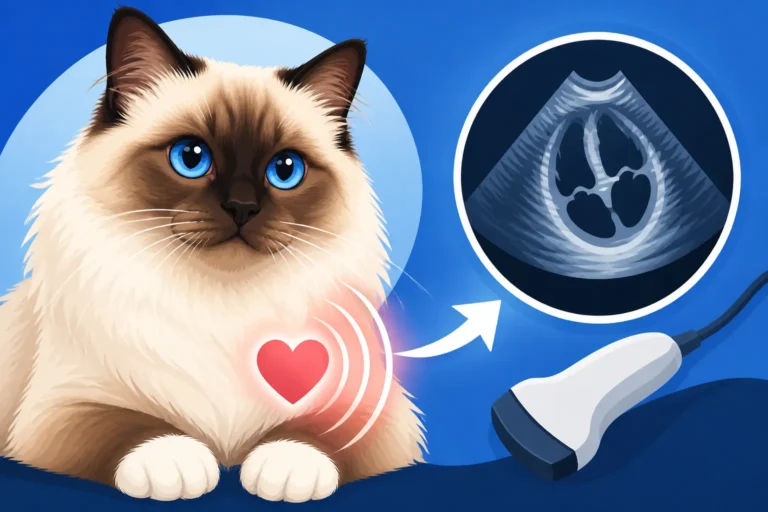
Hypertrophic Cardiomyopathy (HCM) is a common heart disease in cats, and unfortunately, Birmans are among the breeds identified as having a genetic predisposition to it. HCM causes the muscular walls of the heart to thicken, reducing its efficiency and potentially leading to heart failure, blood clots, or sudden death. While not directly linked only to the post-war bottleneck, the limited gene pool may have contributed to a higher prevalence of certain genes that predispose Birmans to HCM. It's a disease that can progress silently, often showing no outward symptoms until it's quite advanced.
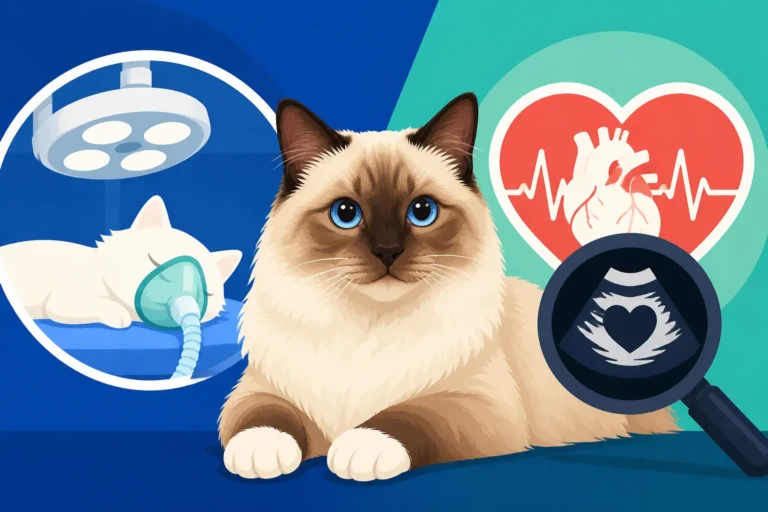
This is why regular cardiac screening, particularly echocardiograms, is so critical for breeding Birmans. An echocardiogram allows a veterinary cardiologist to visualize the heart's structure and function, measuring wall thickness and assessing blood flow. Since HCM in a Birman Has No DNA Test, Only an Echo, echo screening is the gold standard for diagnosis and monitoring. Responsible breeders routinely screen their breeding cats, often annually or every other year, to identify affected individuals and remove them from breeding programs. This proactive approach helps to reduce the incidence of HCM within the breed and is a testament to the ongoing commitment to Birman health.
Polycystic Kidney Disease PKD1 in Birmans
As discussed, Polycystic Kidney Disease (PKD1) is another condition of concern in Birmans, primarily inherited from the necessary outcrossing to Persian lines during the breed's reconstruction. PKD1 is an inherited condition characterized by the formation of fluid-filled cysts within the kidneys. These cysts are present from birth and gradually grow over time, eventually leading to kidney dysfunction and failure. The insidious nature of PKD is that symptoms often don't appear until later in life, typically around 7 years of age or older, making early detection crucial for management.
The good news is that unlike HCM, PKD1 does have a reliable DNA test. This genetic test allows breeders to identify affected cats, carriers, and clear cats. A cat only needs one copy of the dominant PKD1 gene to be affected, though symptoms and severity can vary. Responsible Birman breeders rigorously test all their breeding animals for PKD1, ensuring that they do not breed affected cats, and ideally, only breed clear cats to prevent passing the gene on. This has made a significant difference in reducing the prevalence of PKD in Birman lines. If you're adopting a Birman, always ask to see the PKD1 test results for both parents.
Here's a quick overview of key health tests for Birmans given their history:
| Health Condition | Primary Cause/Link | Testing Method | Importance |
|---|---|---|---|
| FOXN1 Immunodeficiency | Narrow founder base, recessive gene | DNA Test (cheek swab) | Crucial for breeders to prevent affected kittens. |
| Hypertrophic Cardiomyopathy (HCM) | Genetic predisposition, complex inheritance | Echocardiogram by certified cardiologist | Essential for breeding cats; recommended for pet Birmans too. |
| Polycystic Kidney Disease (PKD1) | Persian outcross during reconstruction | DNA Test (cheek swab) | Highly recommended for all breeding Birmans. |
| Progressive Retinal Atrophy (PRA-b) | Genetic predisposition (less common) | DNA Test | Some breeders test, especially if concerned about specific lines. |
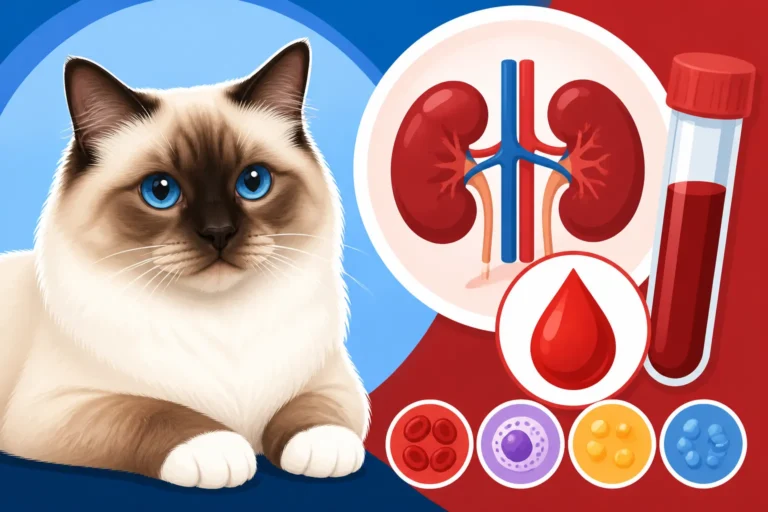
| Blood Type (for breeding) | General feline health, specific to Neonatal Isoerythrolysis | Blood Test | Crucial for breeding queens and studs to prevent severe kitten illness. |
Other Less Common but Important Considerations
Beyond HCM and PKD1, the Birman's genetic blueprint, influenced by its founding history, means breeders also keep an eye on other potential issues, though these are far less prevalent. For example, some Birman lines may have a predisposition to certain dental issues, such as gingivitis or periodontal disease, partly due to jaw structure and a tendency to retain food debris. Regular dental care and veterinary check-ups are always a good idea for any cat, but perhaps particularly so for breeds like the Birman where oral health can sometimes be a subtle indicator of underlying genetic tendencies.
Additionally, a few cases of progressive retinal atrophy (PRA-b) have been reported in the breed, though it's not considered a widespread issue like HCM or PKD1. Genetic testing is available for this condition, and responsible breeders may choose to screen their lines if there's any history of the condition. It's a testament to the ongoing vigilance in the Birman community that even less common conditions are monitored. Pet owners can feel confident knowing that reputable breeders are doing their utmost to ensure the health of their kittens. When considering pet insurance for your Birman, look for plans like those offered by Healthy Paws, which cover a wide range of inherited conditions, providing peace of mind against unexpected health challenges.
How Modern Breeding Practices Address Historical Challenges
Modern Birman breeders are acutely aware of the breed's unique history and the genetic implications of its post-war reconstruction. Far from ignoring these challenges, responsible breeders actively embrace them, utilizing scientific advancements and ethical practices to safeguard the future health of the breed. It's a continuous, evolving process that requires dedication, transparency, and a deep love for these magnificent cats. The goal is to move forward, not backward, ensuring that the Birman is not only beautiful but also robust and healthy for generations to come.
This commitment involves significant investment in health testing, careful selection of breeding pairs, and a collaborative approach within the global Birman community. It's a far cry from the desperate days immediately after the war, when information and resources were scarce. Today, breeders have access to a wealth of knowledge and tools to make informed decisions that benefit the entire breed. Understanding these modern practices is key to appreciating the resilience and ongoing efforts within the Birman world.
Mandatory Health Testing and Registry Requirements
For responsible Birman breeders, health testing isn't just a suggestion; it's a cornerstone of their breeding program. Many international cat registries, while not always making specific health tests mandatory for registration, strongly recommend them and provide mechanisms for breeders to list their test results publicly. For example, for conditions like FOXN1 immunodeficiency and PKD1, DNA tests are readily available and should be performed on all breeding cats. A clear result for both parents ensures that no affected kittens will be produced, eliminating the heartbreak associated with these severe conditions. This helps ensure that breeders aren't contributing to the spread of these specific genetic issues.
For HCM, regular echocardiogram screenings by a board-certified veterinary cardiologist are essential. While there isn't a DNA test for HCM in Birmans, consistent echo screening helps identify affected cats, allowing them to be removed from breeding programs. This proactive approach helps reduce the prevalence of HCM within breeding lines. Breeders understand that these tests represent a significant investment of time and money, but they are absolutely critical for maintaining breed health and reputation. Always ask a breeder for proof of these health screenings for both parents when considering a kitten. The commitment to such testing is a clear indicator of a breeder's dedication.
The Importance of Pedigree Research and Transparency
Beyond individual health tests, responsible Birman breeders are meticulous in their pedigree research. They delve deep into the ancestral lines of their cats, sometimes going back to Orloff and Xenia de Kaabaa themselves, to understand any potential genetic predispositions or patterns of illness within a lineage. This involves studying not just the immediate parents, but also grandparents and great-grandparents, looking for any red flags or recurring health issues. Pedigrees aren't just a family tree; they're a genetic roadmap.
Transparency is also paramount. Reputable breeders are open and honest about their cats' health histories, their testing protocols, and any challenges they may have encountered in their lines. They should readily provide copies of health certificates, DNA test results, and echocardiogram reports. They often share this information on their websites or openly discuss it with prospective owners. This level of honesty builds trust and allows new owners to make informed decisions. A breeder who is evasive about health testing or pedigree information should raise a significant red flag. This shared commitment to open information benefits the entire Birman community and strengthens the breed's future. You should always insist on seeing Which Results a Birman Breeder Must Put in Writing.
The Ongoing Journey: Ensuring the Birman's Health Today
The journey of ensuring the Birman's health is never truly over. It's an ongoing commitment from breeders, veterinarians, and, most importantly, the loving families who welcome these cats into their homes. While breeders lay the groundwork with careful genetic selection and health testing, the day-to-day well-being of a Birman depends on the care it receives throughout its life. Understanding the breed's historical vulnerabilities isn't about fostering anxiety, but empowering owners to be proactive advocates for their cat's health.
From selecting a healthy kitten to providing optimal nutrition and regular veterinary care, every step plays a role in maximizing a Birman's chances of a long and joyful life. It’s a partnership between science, dedication, and affection that continues the legacy of Orloff and Xenia de Kaabaa, ensuring that the Birman thrives long into the future.
Partnering with Your Veterinarian for Proactive Care
Once you bring a Birman kitten home, your partnership with a trusted veterinarian becomes central to its ongoing health. Regular wellness check-ups are essential, not just for vaccinations and parasite control, but also for monitoring overall health and catching any potential issues early. Given the breed's history, your vet should be aware of conditions like HCM and PKD1. Even if your kitten's parents were clear, a good vet will know to listen carefully for heart murmurs or other subtle signs during annual exams. For instance, The Age a Birman Starts Needing Yearly Heart Checks often dictates when more specific screenings might begin.
As your Birman ages, proactive screening becomes even more important. This might include annual bloodwork to monitor kidney function, especially considering the breed's predisposition to PKD. Your vet might also recommend periodic echocardiograms, even for pet Birmans whose parents were clear, particularly if any heart murmurs are detected during routine examinations. Discussing your Birman's specific genetic history with your vet, including the health results of its parents, can help tailor a preventative health plan that is perfectly suited to your individual cat. Remember, early detection is often key to effective management and better outcomes for many feline health conditions.
The Role of Nutrition and Environment in Longevity
While genetics lay the foundation, diet and environment play a significant role in a Birman's overall health and longevity. Providing a high-quality, balanced diet specifically formulated for felines is paramount. Given that cats are obligate carnivores, their diet should be rich in animal protein. Adequate hydration is also crucial, especially for kidney health. Many Birman owners find that incorporating wet food into their cat's diet, or using a water fountain, encourages better fluid intake. This is particularly relevant if there's any history of kidney issues in the ancestral lines, as Why a Birman's PKD History Makes Water Intake Matter is a topic often discussed.
A stimulating and safe indoor environment also contributes to a Birman's well-being. As an indoor-only breed, providing opportunities for play, exercise, and mental enrichment helps prevent obesity and boredom, both of which can lead to health problems. While Birmans aren't hyperactive, they do enjoy interactive play and companionship. A calm, stable household environment also reduces stress, which can positively impact immune function. Ensuring they have comfortable resting spots, clean litter boxes, and plenty of love rounds out the holistic approach to keeping your Birman healthy and happy throughout its life, helping them reach their full potential, which is typically The Twelve to Sixteen Years a Birman Usually Gets.
Caring for an Ageing Birman: Continuing the Legacy
As Birmans enter their senior years, typically around 7-10 years of age, their care needs evolve. Just like humans, older cats are more susceptible to age-related conditions, and their historical genetic predispositions can sometimes manifest more clearly during this life stage. This is a time when the commitment to proactive care truly shines, allowing owners to address issues early and maintain their Birman's quality of life for as long as possible. It’s about adapting care to meet their changing needs, ensuring their golden years are as comfortable and happy as their vibrant youth.
The bond with an ageing Birman is incredibly special, and providing them with tailored care in their senior years is a profound expression of that love. From dietary adjustments to increased monitoring, understanding these changes is vital for extending their healthy lifespan and honoring the breed's remarkable journey.
Recognizing Subtle Signs of Ageing and Illness
Birmans are known for their placid and tolerant temperament, which can sometimes be a double-edged sword when it comes to detecting illness. Their quiet nature means they may hide pain or discomfort, making it challenging for owners to notice subtle changes. Why a Birman Hides Illness Behind a Placid Temperament is a crucial point for all Birman owners to understand. As your Birman ages, be extra vigilant for even minor shifts in behavior, appetite, or activity levels.
Signs to watch for include:
- Changes in appetite or thirst: Drinking more could indicate kidney issues or hyperthyroidism.
- Weight changes: Unexplained weight loss or gain warrants a vet visit.
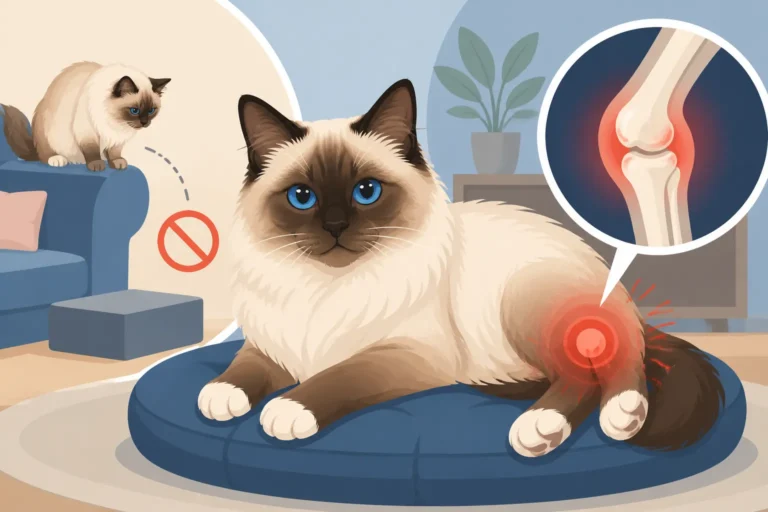
- Decreased activity or reluctance to jump: Could signal arthritis or heart problems.
- Changes in grooming habits: Matted fur, especially around the back or hindquarters, can indicate pain or arthritis preventing them from reaching.
- Changes in litter box habits: Increased urination, straining, or accidents outside the box.
- Subtle shifts in personality: Becoming more withdrawn, less interactive, or unusually vocal.
Any noticeable change, no matter how small, should prompt a conversation with your veterinarian. Early intervention can make a significant difference in managing age-related conditions and improving your Birman's comfort.
Tailored Care for Senior Birmans
Caring for a senior Birman often involves a multi-faceted approach. Dietary adjustments are common, with many older cats benefiting from senior-specific formulas that are lower in calories (to prevent obesity in less active cats) or tailored for kidney support (if kidney values are a concern). Your vet may recommend supplements for joint health, especially if your Birman shows signs of arthritis. Providing easily accessible resources, such as ramps to favorite perching spots or raised food and water bowls, can also help ease discomfort for cats with mobility issues.
Environmental modifications, like extra soft bedding or a heated cat bed, can provide comfort for aching joints. Continue with regular, gentle grooming, paying special attention to areas they might struggle to reach. Most importantly, maintain a consistent routine and provide plenty of quiet affection. Regular veterinary check-ups, often twice a year for senior cats, become even more critical, allowing your vet to monitor organ function, blood pressure, and dental health more closely. Consider investing in a comprehensive pet insurance plan, like those from Healthy Paws, which can help cover the costs of diagnostics and treatments that often become necessary in a Birman's later years, ensuring you can always prioritize their health without financial strain. This dedicated, tailored care allows your Birman to age gracefully and comfortably, a living testament to the breed's enduring legacy.
Disclaimer
This article is intended for informational purposes only and does not constitute veterinary advice. Always consult with a qualified veterinarian for any health concerns or before making any decisions about your pet's medical care.