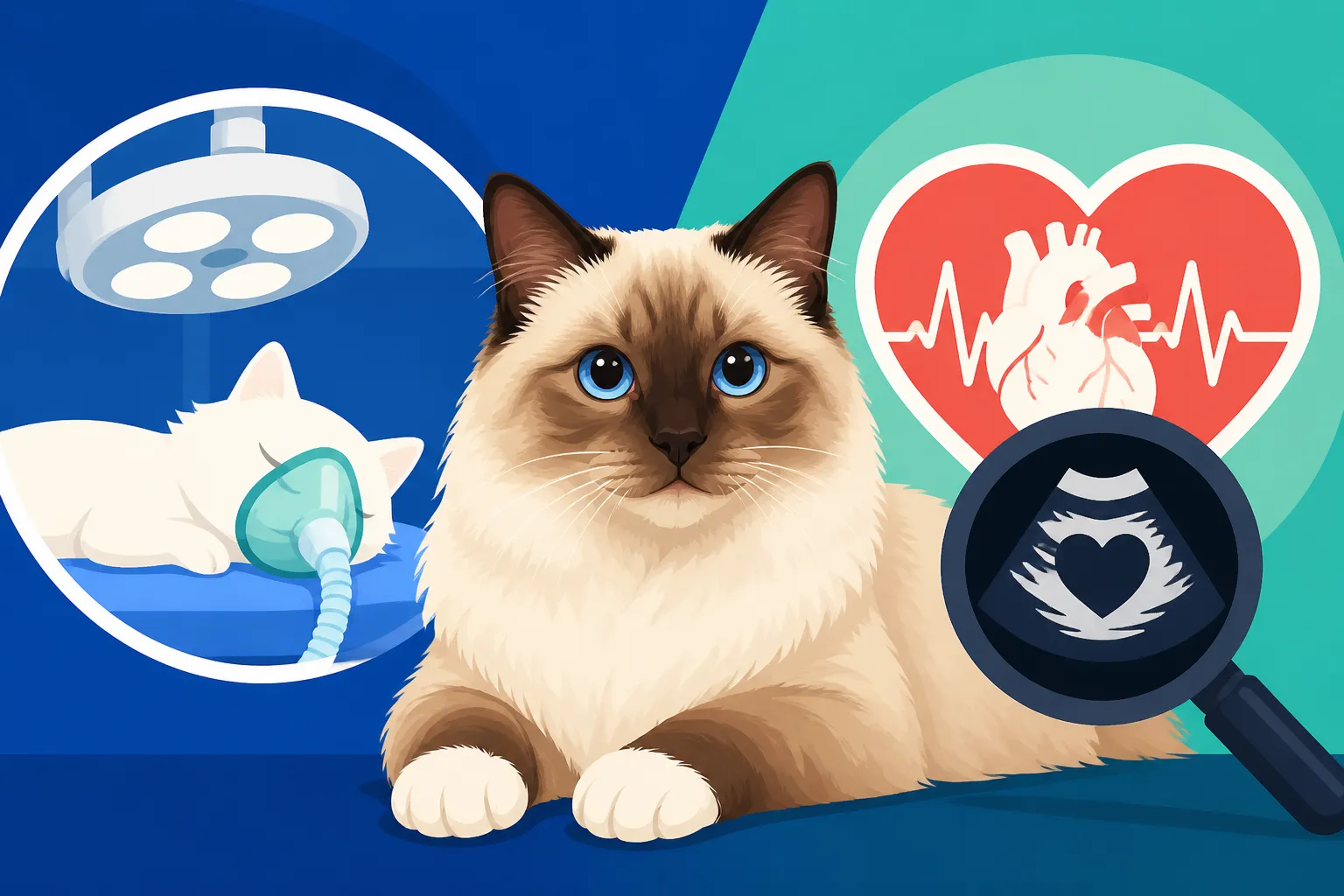
Whether a Birman Needs a Heart Scan Before Anesthetic
It’s a truly frightening thought: your beloved Birman needing surgery or a dental procedure, and the vet talking about anesthesia. Suddenly, a routine appointment can feel overwhelming, especially when you start wondering about hidden risks. One of the biggest worries many Birman owners face is the potential for underlying heart conditions that could complicate anesthesia. This guide is here to walk you through exactly why a heart scan before any anesthetic procedure isn't just a good idea, but often a critical step in safeguarding your gentle companion.
The Critical Importance of Pre-Anesthetic Heart Screening for Birmans
When your Birman needs a procedure that requires anesthesia, whether it's a dental cleaning, a lump removal, or something more serious, your vet will undoubtedly recommend pre-anesthetic blood work. This is standard practice, and it’s excellent for checking kidney and liver function, which are vital for processing anesthetic drugs. But for Birmans, there’s an additional, often overlooked, layer of protection that many experienced vets will champion: a heart scan. This isn't just an extra expense; it's a profound investment in your cat's safety, especially given the breed's predispositions.
Birman's Predisposition to HCM and Silent Disease
Birmans, like several other purebred cats, have a known genetic predisposition to Hypertrophic Cardiomyopathy (HCM). This is a cruel, progressive disease where the muscular walls of the heart, particularly the left ventricle, thicken abnormally. This thickening makes the heart muscle stiff, less efficient at pumping blood, and can lead to a host of problems, including blood clots, congestive heart failure, and sudden cardiac death. The insidious thing about feline HCM is that it's often a silent killer. Your Birman could be prancing around, seemingly healthy and happy, while its heart is quietly undergoing significant, dangerous changes. They are absolute masters at masking discomfort and illness, which makes conditions like HCM even more treacherous. This placid temperament means that Why a Birman Hides Illness Behind a Placid Temperament is a constant concern for owners, making proactive screening even more critical.
Unfortunately, for Birmans, there isn't a simple DNA test that can definitively diagnose HCM. Unlike some other breeds where specific genetic markers have been identified, HCM in a Birman Has No DNA Test, Only an Echo. This means that the only reliable way to screen for this condition is through an echocardiogram. Without this specialized scan, even the most thorough physical exam might miss the subtle signs of early-stage HCM, leaving your cat vulnerable during a stressful event like anesthesia.
Anesthesia's Impact on an Undiagnosed Heart
Now, imagine an anesthetic agent flowing through the system of a Birman with undiagnosed HCM. Anesthesia causes profound physiological changes, including fluctuations in blood pressure and heart rate. A healthy heart can generally compensate for these changes, but a heart already struggling with thickened walls and impaired function is under immense strain. The drugs can reduce the heart’s ability to pump effectively, leading to dangerous drops in blood pressure or the development of arrhythmias (irregular heartbeats). In severe cases, an undiagnosed heart condition can lead to acute heart failure on the operating table, stroke, or even death during or immediately after the procedure. It's a terrifying scenario that no owner wants to contemplate, but it's a very real risk that pre-anesthetic screening aims to prevent.
Navigating the Risks: Why a Scan Mitigates Anesthetic Complications
Understanding the potential dangers of anesthesia on an undiagnosed heart is the first step. The second is realizing how a simple, non-invasive heart scan can drastically reduce those risks, transforming a nerve-wracking situation into a much safer one for your beloved Birman.
Understanding Specific Anesthetic Risks on a Compromised Heart
Anesthesia is a delicate balance. It needs to suppress pain and consciousness while maintaining vital functions like breathing and circulation. For a cat with a healthy heart, veterinarians can typically anticipate and manage the common side effects of anesthetic drugs. However, when the heart is already compromised by HCM, those common side effects can escalate quickly into life-threatening complications. For instance, many anesthetics cause vasodilation, meaning blood vessels relax and widen, which can lead to a drop in blood pressure. In a cat with a healthy heart, this is usually manageable. But in a Birman whose heart is already struggling to pump blood efficiently due to thickened walls, this drop can be catastrophic, leading to insufficient blood flow to vital organs.
Furthermore, anesthetic agents can sometimes trigger or worsen cardiac arrhythmias. A heart that is structurally abnormal due to HCM is more prone to these electrical disturbances. These arrhythmias can severely disrupt the heart's pumping action, leading to further drops in blood pressure, oxygen deprivation, and in the worst cases, cardiac arrest. The margin for error becomes incredibly narrow, and that's precisely why knowing the heart's condition beforehand is paramount. Without a clear picture of How HCM Shows Up in a Birman, a vet is operating with crucial information missing.
The Power of Proactive Care and Peace of Mind
This is where the pre-anesthetic heart scan becomes your Birman's guardian angel. If the scan reveals no significant abnormalities, your veterinary team can proceed with anesthesia with much greater confidence. They know your cat's heart is structurally sound and better equipped to handle the stresses of the procedure. This peace of mind for both you and the veterinary staff is invaluable.
If the scan does reveal early signs of HCM or other heart issues, it doesn't mean your Birman can never undergo anesthesia. Instead, it empowers your veterinary team to make informed, life-saving adjustments. They can:
- Tailor the Anesthetic Protocol: Selecting different drugs that are less taxing on the cardiovascular system.
- Adjust Dosages: Carefully reducing drug amounts to minimize impact.
- Increase Monitoring: Implementing more intensive cardiac monitoring during the procedure, such as continuous ECG, direct blood pressure measurement, and capnography (measuring CO2 in breath).
- Prepare for Emergencies: Having specific medications and interventions on standby, should a cardiac event occur.
- Consult a Specialist: In complex cases, they might recommend a consult with a veterinary cardiologist to develop the safest possible plan. This could involve stabilizing the heart condition with medication before proceeding with the necessary procedure.
This proactive approach dramatically reduces the risk of complications, making essential procedures safer for your Birman. It’s about taking control, rather than leaving things to chance, especially when facing something as critical as anesthesia. For many owners, investing in these screenings, and potentially pet insurance like Healthy Paws, offers reassurance that they are providing the best possible care for their furry family member.
What a Pre-Anesthetic Heart Scan Entails for Your Birman
So, what exactly happens during a heart scan for your Birman? It might sound intimidating, but the process for an echocardiogram is generally non-invasive and quite straightforward for your cat. Understanding the steps can help alleviate any anxieties you might have about this crucial diagnostic tool.
The Echocardiogram (Echo) Process
An echocardiogram, often simply called an "echo," is essentially an ultrasound of the heart. It uses sound waves to create a real-time, moving image of your Birman's heart, allowing the veterinarian to see its structure and how it's functioning.
Here’s what you can generally expect:
- Preparation: Your Birman will typically lie on a soft cushion with a small section of fur on their chest gently clipped. This allows for better contact between the ultrasound probe and the skin. Most Birmans, with their incredibly docile and patient nature, tolerate this procedure very well without sedation. Their calm demeanor is one of their defining traits, which really helps in these situations.
- The Scan: A veterinary technician or the veterinarian will apply a specialized gel to the clipped area and then use a small, handheld probe to capture images. They'll move the probe around the chest, looking at different angles of the heart. The room is usually quiet and dimly lit to help keep your cat relaxed.
- What the Scan Shows: The echocardiogram provides a wealth of information. The vet will be looking for:
- Heart Wall Thickness: Crucial for detecting HCM. They'll measure the thickness of the ventricular walls.
- Chamber Size: Assessing if the heart chambers are enlarged or constricted, which can indicate various heart diseases.
- Valve Function: Checking if the heart valves are opening and closing correctly.
- Blood Flow: Observing how blood moves through the heart and great vessels, identifying any turbulent flow that might indicate issues.
- Pumping Strength: Evaluating the overall contractility and efficiency of the heart muscle.
This level of detail is Why an Echo Is the Only Way to Screen a Birman for HCM. It gives a dynamic, comprehensive view that a stethoscope simply cannot provide.
Cardiologist vs. General Vet: Who Should Do the Scan?
While many general practitioners can perform basic cardiac ultrasounds, for a pre-anesthetic screen, especially in a breed predisposed to HCM, it's often recommended to have the echo performed and/or interpreted by a board-certified veterinary cardiologist. These specialists have extensive training and experience in diagnosing and managing heart conditions in animals. They are experts at identifying subtle changes that a general vet might miss and can provide the most accurate assessment of your Birman's cardiac health. They can also offer precise recommendations for anesthetic protocols based on their findings.
Interpreting the Results and Next Steps
Once the echo is complete, the results will be discussed with you.
- Clear Scan: If your Birman's heart looks healthy, congratulations! This means the risk of cardiac complications during anesthesia is significantly reduced, and your vet can proceed with confidence. However, remember that HCM can develop later in life, so continued monitoring is still important. The Age a Birman Starts Needing Yearly Heart Checks is a good benchmark to consider.
- Abnormal Findings: If the echo reveals thickening or other abnormalities consistent with HCM or another heart condition, don't panic. This vital information allows your vet to create the safest possible plan. It might mean delaying the elective procedure to allow for cardiac medication to stabilize your cat, or referring you to a cardiologist for further evaluation. The goal is always to minimize risk. For instance, How a Vet Manages a Birman Whose Echo Came Back Thickened involves specific medications and careful monitoring to improve heart function before any stressful events like anesthesia.
Financial Considerations and Insurance
It's true that an echocardiogram adds to the cost of pre-anesthetic workup, usually ranging from a few hundred dollars depending on your location and whether a specialist is involved. When you consider What a Birman's Echo Screening Costs, it can seem significant. However, comparing this to the potential costs and heartbreak of dealing with an anesthetic complication due to undiagnosed heart disease, it's a worthwhile investment. Many pet insurance providers, such as Healthy Paws, offer coverage for diagnostic tests like echocardiograms, especially if they are deemed medically necessary as part of a pre-surgical workup. It’s always wise to check your specific policy details to understand what’s covered. Thinking about Whether a Birman Policy Is Worth It Once HCM Is Excluded is an important conversation to have with your insurer and vet.
Making Informed Decisions for Your Birman's Well-being
As a Birman owner, you are your cat's primary advocate. Being informed and proactive about their health, especially regarding potential genetic predispositions, is the best way to ensure they live a long, healthy, and happy life.
Breeder Responsibility and Health Records
A responsible Birman breeder will be transparent about the health history of their breeding cats and their lines. They should be actively screening their breeding animals for HCM with regular echocardiograms performed by a cardiologist. This is often done yearly or every other year, as How Often a Breeding Birman Needs Scanning is crucial for maintaining healthy lines. When you acquire a kitten, they should provide you with copies of the parents' health clearances. This transparency is a strong indicator of a breeder who prioritizes the health and well-being of their cats. Knowing that your Birman comes from lines with a history of clear echo scans can provide significant reassurance, contributing to the understanding of How Many Years a Birman From Echo Scanned Lines Lives. Don't hesitate to ask for this documentation; it's your right as a prospective owner.
Ongoing Monitoring, Even With a Clear Scan
Even if your Birman has a clear heart scan before a procedure, it doesn't mean their heart is guaranteed to be perfect for life. HCM is a progressive disease, and it can develop at any age, though it's more commonly diagnosed in middle-aged or older cats. This is why regular veterinary check-ups are so important. Your vet will listen to your Birman's heart annually for any murmurs or abnormal rhythms, which could be an indicator that further investigation, such as another echo, is warranted. How Often a Birman With Clear Papers Still Needs a Vet highlights that routine care is paramount, regardless of initial health clearances.
Additionally, as your Birman ages, other health concerns, such as kidney disease, can emerge. It's important to remember that Why a Birman's Kidneys Are Checked Before Any Anesthetic is also a critical part of pre-surgical screening, as these organs are vital for filtering drugs and maintaining overall health. A holistic approach to pre-anesthetic assessment is always best.
Advocating for Your Cat's Best Care
Ultimately, you know your Birman best. If you have any concerns about their health, no matter how minor, always discuss them openly with your veterinarian. Don't be afraid to ask questions about the necessity of a heart scan before anesthesia, especially given the breed's predispositions. A good vet will welcome your proactive involvement and take the time to explain the risks and benefits of all recommended diagnostics. This collaborative approach ensures that you and your veterinary team are making the most informed decisions for your Birman’s safety and long-term health. For example, some pet owners choose to plan ahead for these types of diagnostic tests by budgeting for them or enrolling in pet insurance plans, like those offered by Healthy Paws, to help cover unexpected medical costs. It's about empowering yourself with knowledge and ensuring your Birman receives the best possible care throughout their life.
Here's a quick comparison of the situation with and without a pre-anesthetic heart scan:
| Feature | With Pre-Anesthetic Heart Scan | Without Pre-Anesthetic Heart Scan |
|---|---|---|
| Knowledge of Heart Health | Comprehensive understanding of heart structure and function. | Unknown, relying on physical exam which may miss hidden disease. |
| Anesthetic Protocol | Tailored and optimized for specific cardiac health. | Standard protocol, potentially suboptimal for compromised heart. |
| Risk of Complications | Significantly reduced due to informed decisions and monitoring. | Higher risk of cardiac arrest, arrhythmias, or heart failure. |
| Monitoring During Surgery | More intensive cardiac monitoring often implemented. | Standard monitoring, potentially inadequate for underlying issues. |
| Emergency Preparedness | Specific interventions and drugs on standby if abnormalities found. | Reactive response to complications as they arise. |
| Owner Peace of Mind | High, knowing all possible precautions were taken. | Lower, with lingering worry about hidden health problems. |
| Cost | Initial cost of scan added to overall procedure. | Potentially higher costs for emergency intervention if complications occur. |
Disclaimer
The information provided in this guide is for general informational purposes only and does not constitute veterinary advice. Always consult with a qualified veterinarian regarding any medical conditions or before making any decisions about your Birman's health and treatment plan. Veterinary practices and recommendations may vary.