Why an Affected Birman Kitten’s Skin Looks Greasy
It's incredibly distressing to notice anything out of the ordinary with a tiny kitten, especially when it comes to their delicate skin. When a Birman kitten's skin looks greasy, it's a specific and worrying sign that often points to a serious underlying genetic condition that impacts more than just their beautiful coat. This guide will meticulously unpack why this happens, the science behind it, and what it means for the kitten.
The Genetic Root of the Problem: Birman Hypotrichosis (FOXN1)
When we talk about a Birman kitten with greasy-looking skin, we're usually delving into the heartbreaking reality of a condition known as Birman Hypotrichosis, or more specifically, FOXN1 deficiency. This isn't just a simple skin irritation; it's a severe genetic disorder that fundamentally impacts a kitten's development and immune system. The gene responsible, FOXN1, plays a crucial role in the growth of hair and, critically, the proper formation of the thymus gland.
This condition is inherited in an autosomal recessive manner. What does that mean in plain terms? It means a kitten must inherit two copies of the faulty FOXN1 gene—one from each parent—to be affected. If a kitten inherits only one copy, they become a "carrier." Carriers are completely healthy themselves and show no symptoms, but they can pass the gene on to their offspring. This is why genetic testing is absolutely vital for all breeding Birmans, as How a Birman Carrier Is Identified is usually done through a simple DNA test. Responsible breeders meticulously screen their cats to avoid unknowingly mating two carriers, because Why Two Birman Carriers Should Never Be Mated is a scenario that inevitably leads to affected kittens.
More Than Just Hair Loss: The Thymic Aplasia Connection
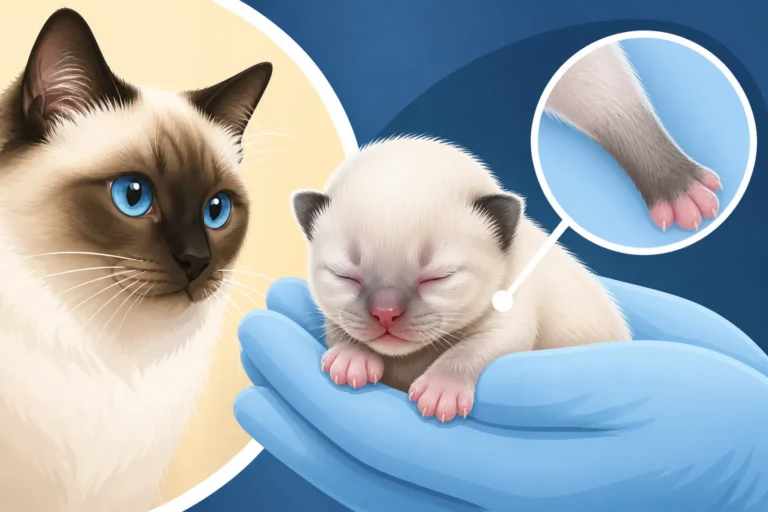
The implications of inheriting two copies of the defective FOXN1 gene extend far beyond just hair loss, which is what "hypotrichosis" refers to. While affected kittens are born either completely bald or with incredibly sparse, downy fur, the real danger lies beneath the surface. The FOXN1 gene is also indispensable for the development of the thymus gland. In kittens with Birman Hypotrichosis, the thymus is either absent or severely underdeveloped, a condition known as thymic aplasia.
The thymus gland, nestled in the chest, is an unsung hero of the immune system, particularly during early life. It's where T-cells, a vital type of white blood cell, mature and learn to distinguish between the body's own cells and foreign invaders like bacteria and viruses. Without a functioning thymus, these T-cells cannot properly develop, leaving the kitten profoundly immunocompromised. This explains What FOXN1 Does to a Birman Kitten beyond hair loss – it strips them of their ability to fight off even the most common infections. It's a devastating blow to their entire defense system, leading to a cascade of health problems.
The Greasy Mystery: Compromised Skin Barrier and Sebaceous Dysfunction
Now, let's get right to the heart of why an affected Birman kitten's skin looks greasy. It's a direct consequence of this severe immune deficiency combined with the lack of a proper coat. Think of the skin as the body's largest organ and its first line of defense. In a healthy cat, the skin forms a robust barrier, protected by fur and a finely tuned balance of oils and microorganisms. For an affected Birman kitten, this defense system is shattered.
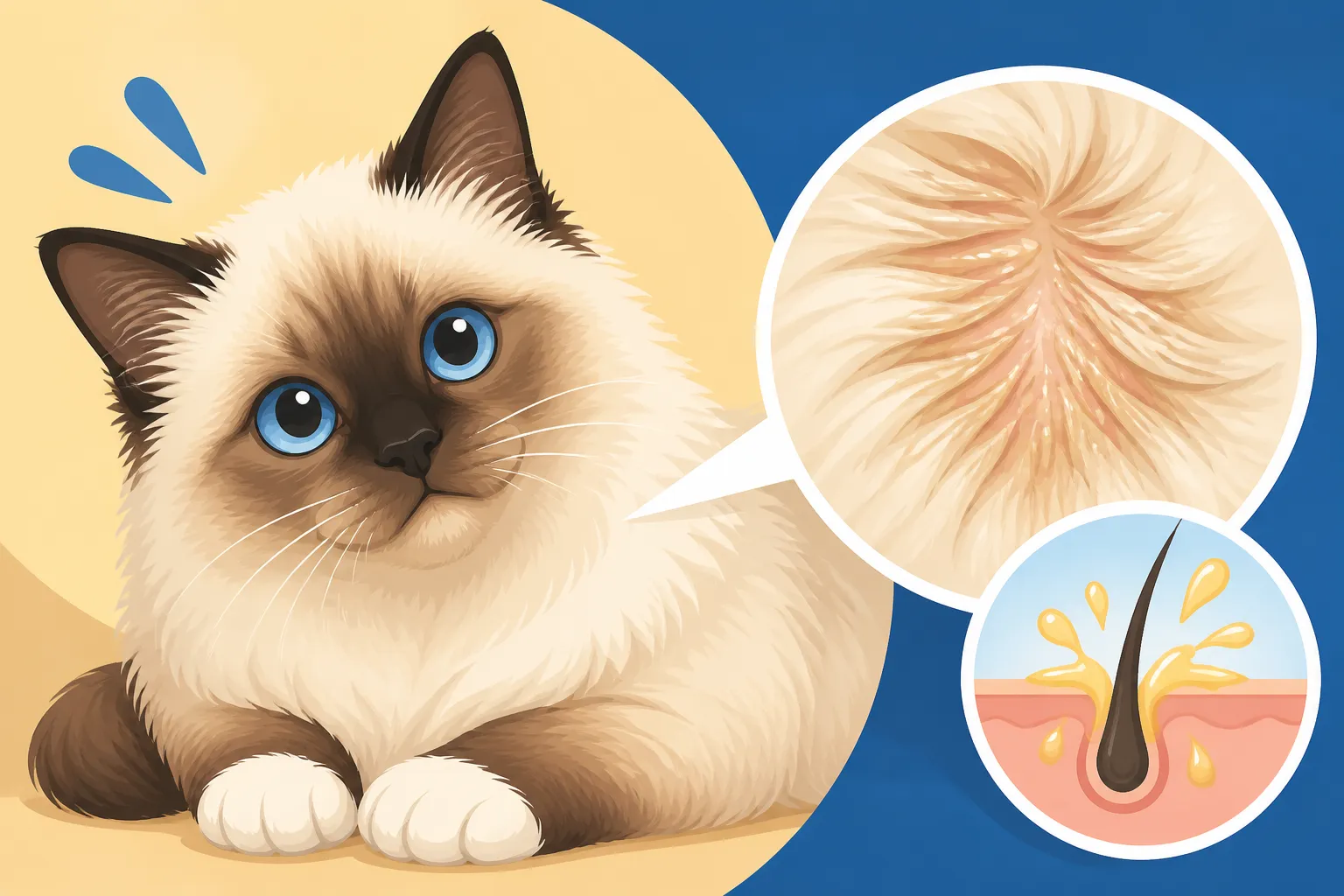
Without a functioning immune system, the kitten's body struggles to regulate even basic bodily functions, including skin health. The skin itself becomes incredibly fragile and unable to maintain its normal barrier function. One key player in skin health is the sebaceous glands, which produce sebum—a natural, oily substance that moisturizes the skin and conditions the hair. In these vulnerable kittens, the sebaceous glands can go into overdrive or produce sebum with an abnormal composition. Adding to this, What a Hairless Birman Kitten's Skin Looks Like means there's no fur to absorb or distribute this sebum naturally. Instead, it simply accumulates on the surface of the skin, giving it that characteristic greasy, often waxy appearance and feel. It’s like having an oily scalp with no hair to soak up the excess.
Secondary Infections: The Culprit Behind the Greasy Feel
While abnormal sebum production contributes to the greasy look, the truly alarming aspect, and what often makes the greasiness worse, is the rampant secondary infections. Remember, these kittens have virtually no immune system thanks to the thymic aplasia. This means their body cannot defend itself against bacteria, fungi, and yeasts that would normally be harmless or easily controlled on healthy skin.
These opportunistic pathogens seize the chance to multiply rapidly on the compromised skin. Bacterial skin infections (pyoderma) and fungal infections (like yeast overgrowth) thrive in the warm, moist, and nutrient-rich environment created by the excess sebum and weakened skin barrier. The combination of abnormal sebum, inflammation, and these invading microorganisms results in the skin becoming not just greasy, but often red, inflamed, flaky, and sometimes quite malodorous. It can look scaly, crusty, or develop small pustules. Owners might also notice itching and discomfort, as the poor kitten is constantly battling these infections from the outside in. This is why Why a Bald Birman Kitten Catches Every Infection is such a crucial point; their skin is a prime target. Even with the best possible hygiene, the underlying systemic issue makes effective management nearly impossible, leading to a grim prognosis. While a strong pet insurance plan like those from Healthy Paws is invaluable for managing chronic health issues in healthy pets, the severity of Birman Hypotrichosis sadly often transcends what even comprehensive coverage can meaningfully address in the long term.
The Difficult Reality: Prognosis and Ethical Considerations
It's difficult to discuss, but understanding the prognosis for a Birman kitten affected by FOXN1 deficiency and thymic aplasia is crucial for anyone involved with the breed. Sadly, the outlook for these kittens is extremely poor. The complete or severe lack of a functional immune system means they are perpetually vulnerable to a myriad of infections. These are not just skin infections, but systemic ones that can quickly overwhelm their tiny bodies.
Kittens born with this condition, even with intensive veterinary care, rarely survive past a few weeks or months. How Many Months an Affected Birman Kitten Survives is often a matter of weeks, as Which Infections Kill an Affected Birman Kitten range from common bacterial and viral pathogens to fungal diseases that a healthy kitten would easily shrug off. They face a constant battle against pneumonia, severe gastrointestinal issues, and widespread skin infections, leading to immense suffering. This is why, in almost all cases, the most humane decision is to relieve the kitten of its suffering through euthanasia. Why an Affected Birman Kitten Is Usually Put to Sleep is a heartbreaking decision made out of compassion to prevent a prolonged, painful, and ultimately futile struggle.
| Feature | Healthy Birman Kitten Skin | Affected Birman Kitten Skin (FOXN1) |
|---|---|---|
| Hair/Coat | Soft, silky, growing coat (initially white, points develop) | Absent or extremely sparse, fine downy hair ("bald") |
| Texture | Smooth, supple | Greasy, oily, waxy, sometimes scaly or crusty |
| Color | Pinkish, healthy pigmentation | Red, inflamed, irritated, sometimes darkened from infection |
| Odor | Clean, faint "kitten smell" | Often strong, foul odor due to bacterial/yeast overgrowth |
| Immune System | Fully functional, developing T-cells | Severely compromised (thymic aplasia), no functional T-cells |
| Susceptibility to Infection | Low, normal resistance to pathogens | Extremely high, constant battle against opportunistic infections |
| Prognosis | Excellent with proper care | Grave, typically succumb to infections within months |
Prevention is Key: Responsible Breeding and Genetic Testing
The tragic reality of Birman Hypotrichosis underscores the critical importance of responsible breeding practices and comprehensive genetic testing. Preventing this devastating condition is entirely possible and lies squarely with breeders. The FOXN1 genetic test is readily available, allowing breeders to identify whether their cats are clear, carriers, or, in rare cases, affected. Which Lab Runs the Birman FOXN1 Test can be easily found with a quick online search, with many reputable veterinary genetic testing laboratories offering it.
Prospective kitten buyers have a vital role to play too. Always, always ask breeders for documented proof of genetic testing for both parents of any kitten you are considering. This should include results for FOXN1 and other breed-relevant conditions like Polycystic Kidney Disease (PKD1). While What Testing a Birman for FOXN1 and PKD1 Together Costs is an investment for breeders, it's a small price to pay to ensure the health and welfare of their kittens. A responsible breeder will be transparent and proud to share these results, demonstrating their commitment to the breed's health. While insurance providers like Healthy Paws can offer financial peace of mind for unexpected illnesses and injuries throughout a cat's life, preventing conditions like FOXN1 through diligent testing is the best possible start for any Birman kitten.
Disclaimer
The information provided in this article is for educational purposes only and is not intended to be a substitute for professional veterinary advice. Always consult with a qualified veterinarian for any health concerns or before making any decisions about your pet's health or treatment.