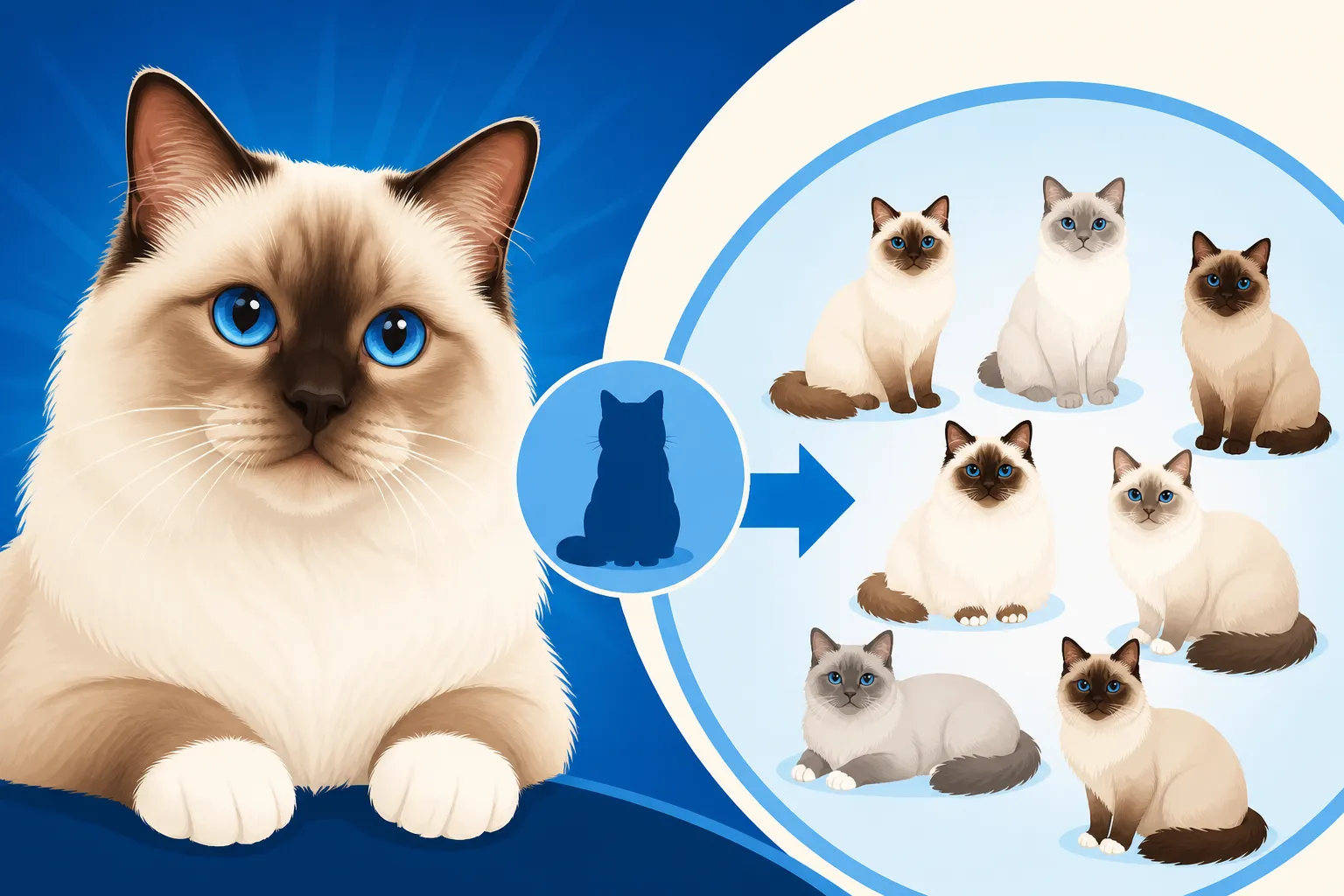
Whether the Birman Gene Pool Has Widened Since
Many Birman enthusiasts often wonder about the breed's genetic past, particularly if the devastating impact of World War II on the breed’s numbers meant a permanently restricted gene pool. It's a valid concern, as a narrow genetic base can lead to significant health vulnerabilities. This guide will delve into the Birman's genetic journey, exploring whether the breed's gene pool has truly widened since those challenging post-war years and what that means for our beloved feline companions today.
The Post-War Bottleneck and the Birman's Narrow Start
Imagine a breed nearly vanishing, reduced to just a handful of individuals. That's precisely what happened to the Birman cat during and immediately after the Second World War. It's truly heartbreaking to think about, and it left a profound mark on the breed's genetic makeup. This period is often referred to as a "genetic bottleneck," and its effects are something every Birman lover should understand.
Before the war, the Birman, known in France as the "Sacre de Birmanie," was gaining popularity, cherished for its stunning appearance and gentle temperament. There were active breeding programs, primarily in France, building on the initial imports from what was then Burma. However, the chaos and destruction of the war meant that maintaining catteries, tracking pedigrees, and ensuring the survival of breeding lines became incredibly difficult, if not impossible. Many cats were lost, either directly due to conflict, lack of resources, or breeders being displaced or unable to continue their work.
When the war finally ended, the situation was dire. The Birman population had dwindled to critical levels. Records indicate that only a tiny number of cats, famously including a pair named Orloff and Xenia de Kaabaa, were left to carry on the entire breed. These two, specifically, became the linchpins for the future of the Birman. You can read more about Which Two Cats Rebuilt the Birman to truly grasp the scale of this challenge. This drastic reduction in numbers meant that the genetic diversity, which is crucial for a breed's long-term health and resilience, was severely compromised. All modern Birmans trace their ancestry back to this incredibly small group, meaning that the early post-war gene pool was incredibly narrow indeed. This foundational issue meant that, for a time, the genetic future of the entire breed hung by a thread, and it's why concerns about inbreeding and inherited conditions are so prominent in breed discussions even today. The fact that How Two Cats in 1945 Shaped the Birman's Health is a separate topic shows just how impactful this event was.
The Immediate Aftermath: Scarcity and Risk
The sheer scarcity of Birmans immediately after the war was astounding. Breeders were faced with an impossible task: how to resurrect a breed from such limited stock without exacerbating existing genetic issues or creating new ones. When How Many Birmans Survived the Second World War is discussed, it really puts into perspective the monumental effort required. The small number of surviving cats meant an incredibly high degree of relatedness among the foundation stock. This naturally led to fears of intense inbreeding, which can bring to the forefront recessive genes for various health problems.
Inbreeding, while sometimes used strategically in early breed development to "fix" desired traits, becomes a severe risk when the starting population is so small. It significantly reduces the genetic variations available to the breed, making it more vulnerable to diseases and potentially weakening its overall vitality. For the Birman, this meant that any genetic predispositions present in those few surviving cats were likely to become widespread. This explains why breed health issues, even those managed today, often have roots traceable to this period. Concerns arose that a single severe genetic defect could wipe out the entire lineage if not carefully managed. It was a perilous tightrope walk for those dedicated breeders. The narrowness of the initial gene pool truly was an existential threat.
The Necessity and Impact of Outcrossing Programs
Faced with such a dire situation, early Birman breeders had no choice but to implement outcrossing programs. This wasn't a choice made lightly; it meant temporarily introducing other breeds into the Birman lines to infuse new genetic material. It was a necessary, though controversial, step to ensure the breed's survival and to address the critically narrow gene pool. This period marks a crucial turning point in the Birman's genetic history. Without it, our lovely Birmans as we know them today might not exist.
The primary goal of outcrossing was simple: genetic diversification. By bringing in cats from other breeds, breeders aimed to dilute the genetic similarities within the Birman population, introduce new alleles, and reduce the prevalence of any harmful recessive genes that might have become concentrated due to the bottleneck. This strategy also helped to bolster the overall vigor and health of the breed, preventing what's known as "inbreeding depression." The breeders understood that while it might alter some aspects of the breed temporarily, it was essential for long-term health. The decision to outcross wasn't just about preserving the breed's aesthetic, but fundamentally about its genetic future and resilience. It's precisely Why Post War Outcrossing Was Unavoidable for the Birman.
Which Breeds Contributed to the Birman's Revival?
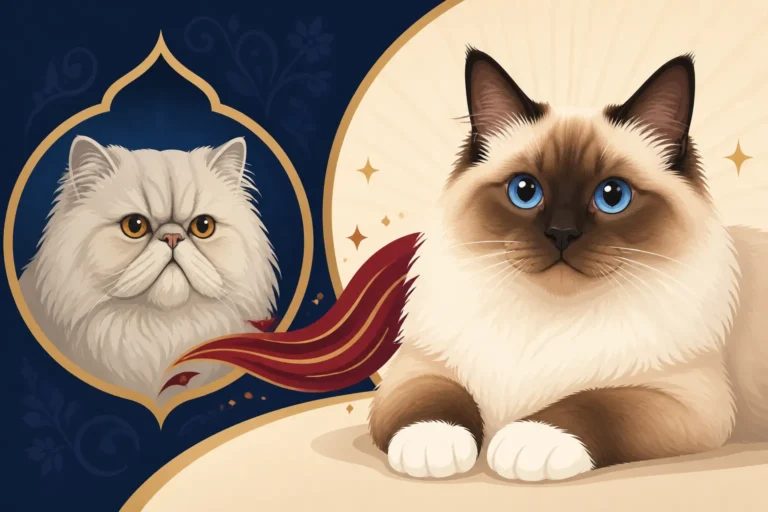
The choice of outcross breeds was strategic, focusing on cats that shared some physical characteristics with the Birman or could contribute desirable traits without completely altering the breed standard. The most commonly documented outcrosses included Persians and Siamese. Each of these breeds brought their own unique genetic contributions, which were then carefully managed through subsequent generations of selective breeding.
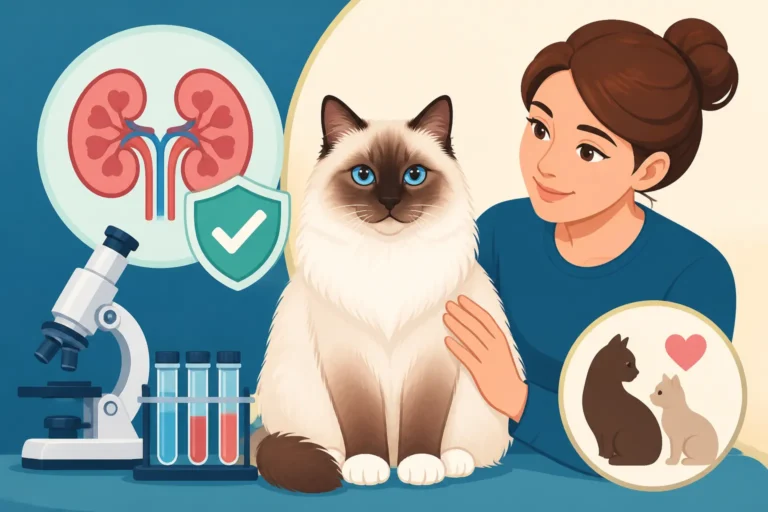
Persians were often chosen for their long, luxurious coats and gentle temperaments. They helped to restore the Birman's longhair gene and perhaps contribute to its docile nature. However, it wasn't without its challenges. What Persian Blood Brought Into the Birman included not just a fuller coat, but also some of the health concerns associated with Persians, such as Polycystic Kidney Disease (PKD), which is why diligent testing for PKD1 is still crucial in Birman breeding programs.
Siamese cats were also utilized, primarily to reinforce the pointed pattern (color on the extremities) and their blue eye color. They also contributed to the Birman's overall structure and activity level, balancing some of the extreme quietude that might have come from the Persian lines. While Siamese are known for being quite vocal, the Birman fortunately inherited their calm demeanor rather than their loud voice. You can explore What Siamese Blood Brought Into the Birman to understand these specific influences. The process involved meticulous record-keeping and careful selection over many generations to breed back to the distinct Birman type while retaining the newly introduced genetic diversity. This wasn't a quick fix, but a multi-decade endeavor by dedicated breeders across Europe and eventually, North America.
The Long-Term Effects of Outcrossing on Genetic Diversity
The outcrossing programs were undeniably successful in their primary goal: widening the Birman gene pool from its perilously narrow post-war state. Over several generations, the offspring of these outcrosses were carefully bred back to Birmans, selecting for individuals that retained the essential Birman characteristics – the pointed pattern, deep blue eyes, medium-long silky coat, and importantly, the distinctive white "gloves" and "laces" on their paws.
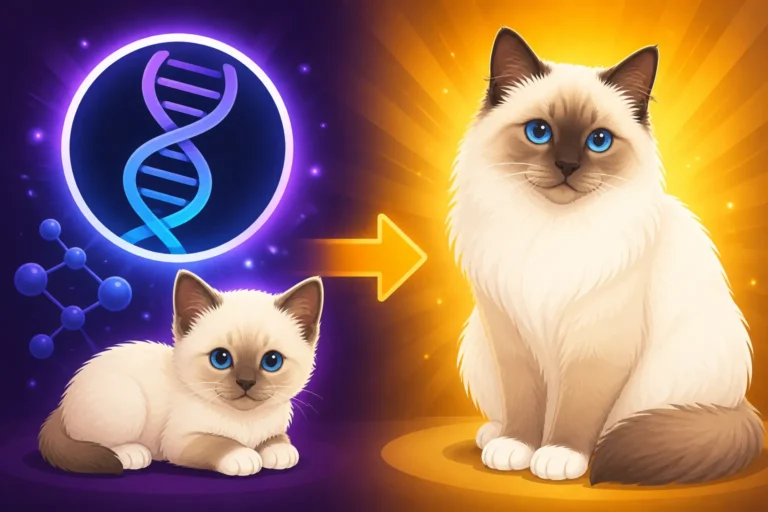
This deliberate infusion of new genes significantly increased the breed's genetic variability, which is a key indicator of a healthy population. It helped to flush out many of the harmful recessive genes that might have become fixed if only the original, limited stock had been used. For example, while some Persian health issues were introduced, the overall effect was a stronger, more resilient breed less susceptible to the immediate consequences of extreme inbreeding. It was a crucial step in moving the breed from a state of critical genetic fragility to one of greater stability. Understanding What the Outcrossing Brought Into the Birman highlights both the benefits and the ongoing management responsibilities for breeders.
This table illustrates the general impact of the outcrossing period:
| Aspect of Gene Pool | Pre-Outcrossing (Post-WWII) | Post-Outcrossing (Stabilized) |
|---|---|---|
| Genetic Diversity | Extremely Low | Significantly Increased |
| Inbreeding Level | Very High | Reduced to Moderate |
| Recessive Gene Expression | Higher Risk | Lowered Risk (though new genes introduced) |
| Overall Health Vigor | Compromised | Improved |
| Breed Resilience | Fragile | Stronger |
| Potential for New Traits | Very Low | Increased |
Current State of Genetic Diversity in the Birman
So, has the Birman gene pool widened enough since those critical post-war efforts? This is the million-dollar question, and it’s one that conscientious breeders and owners continue to grapple with. The good news is, absolutely, the gene pool is significantly wider than it was immediately after World War II. The outcrossing programs were a success in that regard, pulling the breed back from the brink of genetic collapse. However, it’s also important to be realistic: the Birman's gene pool is not as broad as some ancient, naturally evolved landrace breeds.
The breed is now well-established across the globe, recognized by major registries like the CFA (Cat Fanciers' Association) and TICA (The International Cat Association) in North America, and FIFe (Fédération Internationale Féline) in Europe, among many others. The sheer number of active breeders and Birmans around the world means that there is a continuous, albeit managed, exchange of genetic material. Modern breeding practices, including careful pedigree analysis and genetic testing, further contribute to maintaining and improving diversity. However, the legacy of that initial bottleneck, where A Narrow Founder Base Left in the Birman, still means that the overall genetic variation is less than what you might find in a breed with a much larger and more diverse founding population. It's a spectrum, and the Birman sits comfortably in the middle, having overcome its greatest genetic hurdle but still requiring mindful breeding.
Ongoing Genetic Challenges and Successes
Even with a wider gene pool, challenges remain. Any breed founded on a small number of individuals will carry certain predispositions. For the Birman, this includes conditions like Hypertrophic Cardiomyopathy (HCM), Polycystic Kidney Disease (PKD1) – largely inherited from the Persian outcrosses – and a rare condition called Feline Hypotrichosis with Thymic Aplasia, also known as FOXN1 or "Birman Hypotrichosis." While the gene pool has diversified enough that these aren't guaranteed for every Birman, they are still important considerations for breeders. In fact, you can find out more about Which Diseases Survived the Birman's Post War Bottleneck to understand the ongoing impact.
The success lies in the proactive efforts of breeders and veterinary science. Genetic testing for FOXN1 and PKD1 is widely available, allowing breeders to screen their cats and make informed decisions about pairings, effectively preventing affected kittens from being born. For HCM, while there's no genetic test yet, regular echocardiograms (heart scans) are vital for screening breeding cats. Many dedicated breeders are transparent with their health testing results, which is a fantastic step forward for the breed. This constant vigilance and commitment to health testing mean that while the genetic vulnerabilities exist, they are increasingly manageable, leading to healthier Birman generations.
The Role of Responsible Breeding in Maintaining Diversity
Responsible breeding is the cornerstone of maintaining and, where possible, further widening the Birman's gene pool. This isn't just about avoiding inbreeding; it's about making thoughtful pairing choices that prioritize genetic health and diversity while still adhering to the breed standard. Breeders utilize tools like coefficient of inbreeding (COI) calculations to assess the relatedness of potential mates and aim for pairings that introduce new genetic lines without sacrificing breed type.
Many reputable Birman breeders actively seek out new breeding stock from different regions or lines to prevent the concentration of certain genes within their own catteries. They understand that a diverse pedigree is just as important as a beautiful one. Furthermore, participation in breed registries and health programs provides a network for sharing information and working collectively towards the breed's genetic health. This includes voluntarily testing for conditions like HCM and sharing those results transparently. It's a continuous, collaborative effort that ensures the Birman remains a robust and healthy breed for future generations. If you're wondering Whether the Birman's Gene Pool Is Safe Now, the answer lies heavily in these ongoing responsible breeding practices.
What This Means for Birman Breeders and Owners Today
For anyone considering bringing a Birman into their home, or for those already living with these wonderful cats, understanding the breed's genetic history offers valuable insights. It’s not meant to create worry, but rather to empower you with knowledge to make informed decisions and appreciate the incredible journey the breed has undertaken.
For Prospective Birman Owners: Asking the Right Questions
When you're looking for a Birman kitten, don't be shy about asking your potential breeder tough questions about their lines and health testing. A reputable breeder will welcome your interest and be transparent. They should be able to provide clear documentation of genetic tests for both parents, particularly for FOXN1 and PKD1. Ask to see current echocardiogram results for breeding cats, especially for HCM screening. Don't just take their word for it; ask for copies of the certificates or verification from a veterinary cardiologist. This due diligence is incredibly important.
Consider asking about the diversity in their breeding lines. A breeder who proudly talks about the different pedigrees they incorporate or their efforts to avoid tight inbreeding is a good sign. Be wary of breeders who downplay the importance of genetic testing or claim their cats are "too healthy" to need it. Remember, these tests are preventative and crucial for future generations. Organizations like The Birman Cat Club or regional breed associations often list reputable breeders who adhere to high standards of health testing and ethical breeding practices. Looking at the parentage of a kitten and understanding How Narrow the Birman's Founder Base Really Was can give you peace of mind about the health of your future companion.
For Current Birman Owners: Proactive Health Management
If you already have a Birman, understanding its genetic background reinforces the importance of proactive veterinary care. Regular check-ups are essential, and discussing breed-specific health concerns with your vet can lead to early detection and better outcomes. Even if your cat comes from thoroughly tested lines, routine health screenings, especially as your Birman ages, are a good idea. Many vets will recommend annual physical exams, blood work, and urine tests to monitor kidney function, particularly given the historical link to PKD1 from Persian outcrosses.
Cardiac screening, even for pet Birmans from clear lines, can be a prudent discussion to have with your veterinarian, particularly if any heart murmurs are detected during routine exams. Investing in pet insurance, like a plan from Healthy Paws, can also provide invaluable financial protection should any hereditary health issues arise later in your cat's life. Having a robust plan from a provider like Healthy Paws can mean the difference between getting the best possible care for your beloved Birman and facing difficult financial decisions during a stressful time. Being prepared and informed allows you to give your Birman the best possible chance at a long, healthy, and happy life.
Disclaimer
Please remember that this article offers general information and insights into the Birman cat's genetic history and current status. It is not a substitute for professional veterinary advice. Always consult with a qualified veterinarian regarding your individual cat's health, diet, and any medical concerns. Breed-specific health information should be discussed with your veterinarian and reputable breeders to make informed decisions.