What Two Founder Cats Did to the Birman’s Inbreeding Figure
When you fall in love with the serene beauty and gentle nature of a Birman cat, it's easy to get lost in their enchanting blue eyes and plush coat. But behind that captivating exterior lies a fascinating and, at times, challenging genetic history. The Birman breed faced a severe crisis that dramatically narrowed its genetic diversity, leaving a lasting impact on every cat we adore today. Understanding this journey is crucial for appreciating the efforts made to preserve their health and unique traits.
The Birman's Post-War Genetic Bottleneck
It's hard to imagine a time when our beloved Birman cats were on the brink of vanishing forever, but that's precisely the grim reality they faced after the Second World War. The chaos and devastation of global conflict didn't spare even the quiet world of cat fancying, and many established breeds found their populations decimated. For the Birman, which had a relatively small presence in Europe to begin with, the situation became incredibly dire, leading to a genetic bottleneck that fundamentally reshaped its future.
World War II's Devastating Impact on Breeding
Picture Europe in the mid-1940s. War had raged for years, and survival was the primary concern for everyone. Keeping pedigree cats, managing breeding programs, and maintaining detailed records often became impossible luxuries. Catteries were abandoned or destroyed, breeders were displaced, and many precious bloodlines simply vanished. It wasn't just a matter of losing a few cats; it was the loss of entire generations of carefully planned breeding and the genetic diversity that came with them. Travel restrictions and food shortages meant that even if a cat survived, finding a suitable, healthy mate from a different line was an insurmountable challenge.
The infrastructure that supported purebred cat breeding—show circuits, detailed registries, and a network of dedicated breeders—collapsed under the strain of war. This widespread disruption meant that breeds across the continent suffered immense losses, but some, like the Birman, were hit particularly hard due to their already limited numbers outside their originating regions.
The Birman's Near Extinction Event
For the Birman, the post-war outlook was bleak. Their numbers were so low that the breed was effectively on the verge of extinction. Stories from that time paint a stark picture: only a literal handful of Birmans were known to have survived the war's ravages. Imagine the immense pressure on those few remaining individuals – they represented the entire hope for a breed's continuation. This extreme scarcity meant that the vast genetic variation that might have existed pre-war was drastically reduced, creating what geneticists call a severe "founder effect."
This reduction meant that the genetic pool for all future Birmans would be incredibly shallow, essentially derived from just a couple of individuals. It's a miracle, really, that the breed survived at all, and it stands as a testament to the dedication of a few tenacious breeders who refused to let these beautiful cats disappear. This challenging period directly led to the situation where The Birman Came Out of the War With Two Cats Left, a stark reminder of how close they came to being lost to history.
Identifying the Key Founder Cats: Orloff and Xenia de Kaabaa
In the wake of this near-apocalyptic scenario for the Birman breed, two cats emerged as the unlikely saviors, carrying the genetic torch for all future generations. Their existence, and the subsequent efforts of dedicated breeders, are why we have Birmans today. These two cats became the literal foundation upon which the modern Birman breed was painstakingly rebuilt.
The Last Hope: Orloff and Xenia de Kaabaa
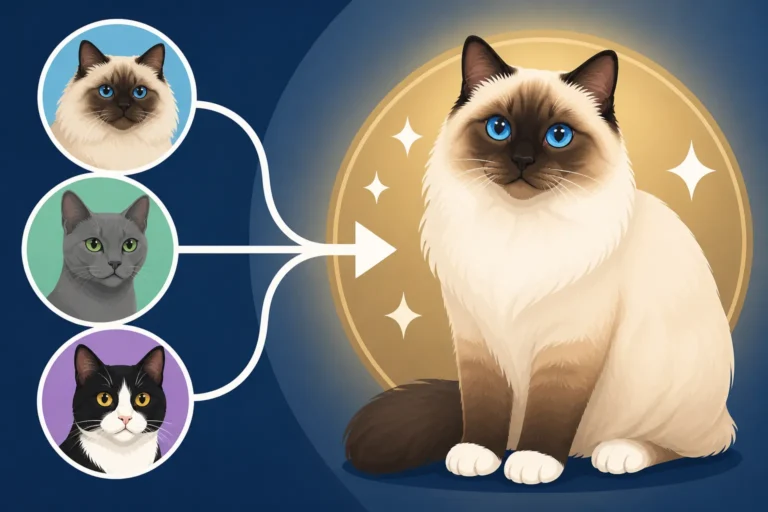
After World War II, when the dust settled and breeders began to assess the damage, it became clear that the Birman gene pool had shrunk to an alarming degree. The vast majority of modern Birmans can trace their lineage back to just two individuals: Orloff and Xenia de Kaabaa. These two cats were identified as key survivors, becoming the linchpins for the breed's revival. Orloff, a male, and Xenia, a female, essentially restarted the Birman population, meaning that every Birman cat you see today carries their genetic blueprint. It’s a sobering thought that such a rich and diverse breed could depend so heavily on such a limited number of ancestors. You might be surprised to learn that Which Two Cats Every Birman Descends From really is a question with a very specific, and quite dramatic, answer.
The immense responsibility placed on these two cats, and on the breeders who managed their lineage, cannot be overstated. They weren't just breeding cats; they were preserving a legacy. Every mating, every litter, was a critical step in a desperate mission to restore the breed, all while navigating the precarious genetic landscape left by the war.
The Unavoidable Need for Outcrossing
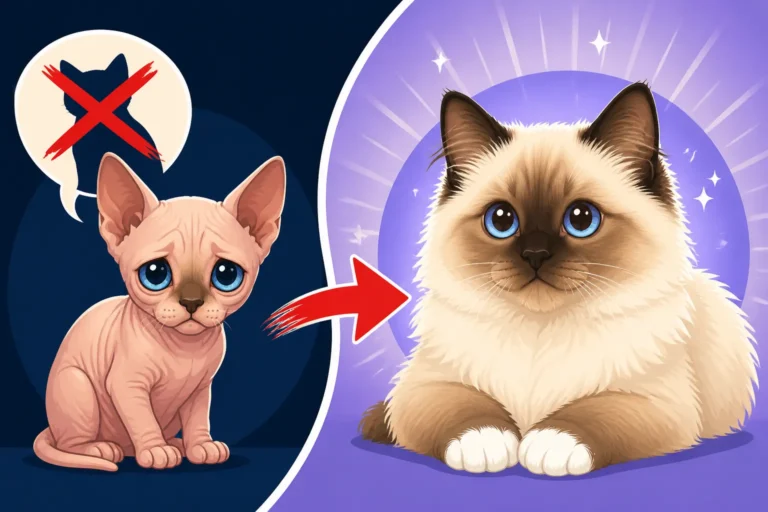
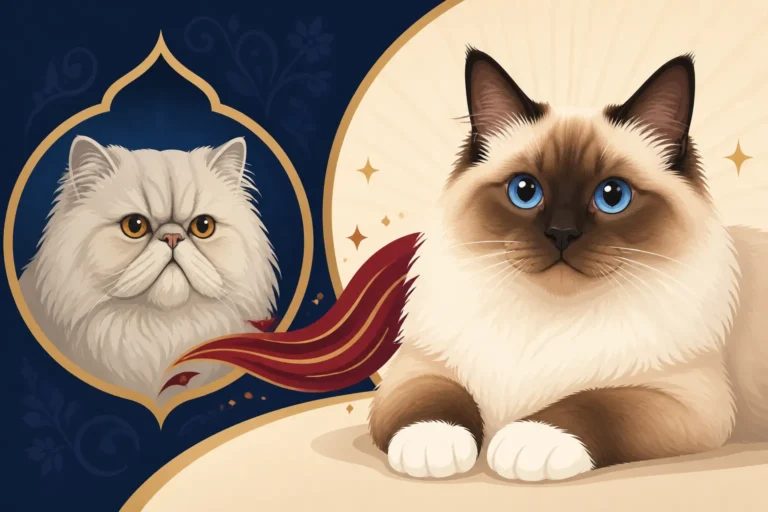
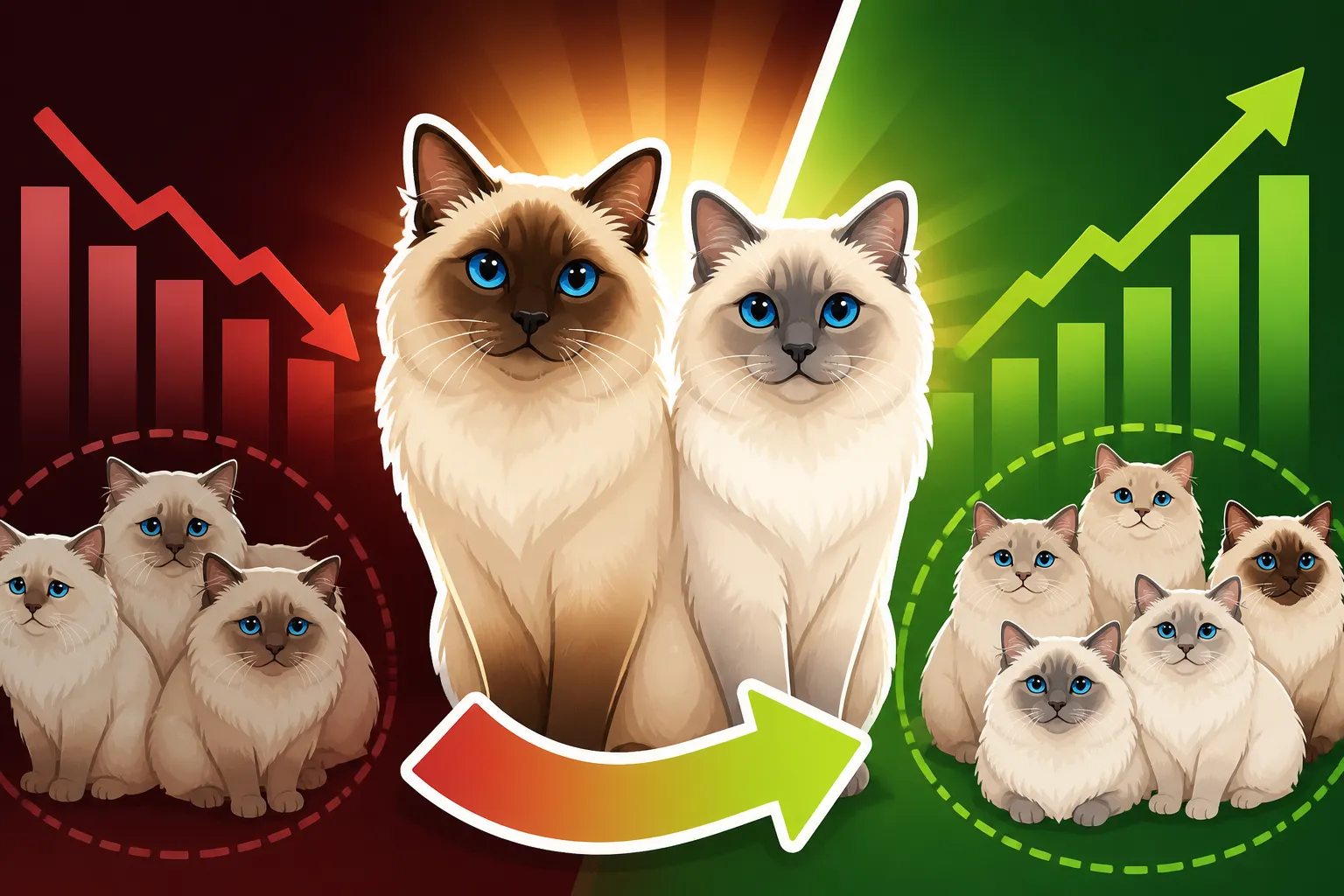
With such a tiny gene pool, relying solely on Orloff and Xenia de Kaabaa and their immediate descendants for breeding would have quickly led to extreme levels of inbreeding, and with it, devastating health consequences. To introduce fresh genetic material and ensure the breed's viability, outcrossing became not just an option, but an absolute necessity. Breeders judiciously introduced other long-haired cats, primarily Persians, and possibly some Siamese (though with careful selection to avoid the Siamese vocal traits and body type), into the Birman lines. This was a strategic and calculated risk, aiming to widen the gene pool while diligently trying to retain the Birman's distinctive appearance and gentle temperament. This essential intervention explains Why Post War Outcrossing Was Unavoidable for the Birman and fundamentally altered the genetic makeup of the breed.
The process of outcrossing was complex, requiring breeders to carefully select cats that could contribute genetic diversity without diluting the Birman's unique traits, like their gorgeous white "gloves" and "laces" on their paws, or their striking blue eyes and semi-long, silky coat. It was a delicate balancing act, aimed at preserving the breed's essence while injecting new life into its genetic foundation. This strategic decision meant that What the Outcrossing Brought Into the Birman was not just new genes, but a renewed chance at survival.
The Impact on the Birman's Inbreeding Coefficient
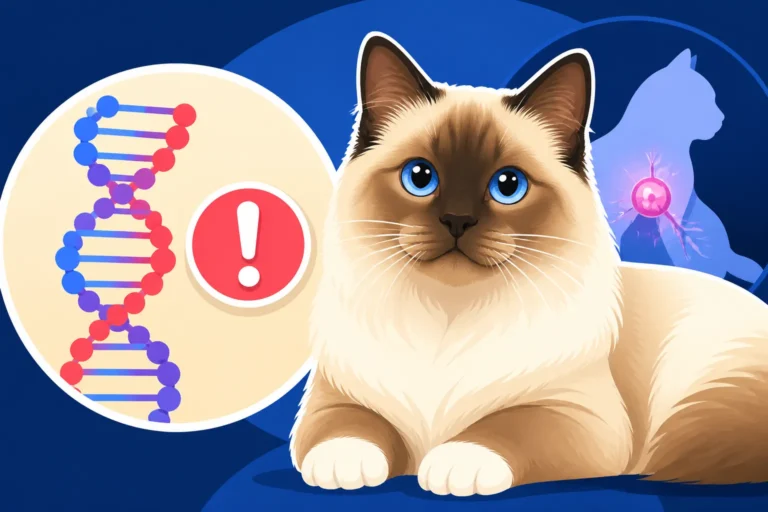
The story of Orloff and Xenia de Kaabaa is a powerful reminder of how fragile a breed's genetic health can be. Their critical role in the Birman's survival, while heroic, also left an undeniable mark on the breed's genetic diversity, specifically its inbreeding coefficient. Understanding this figure is key to appreciating the ongoing efforts by responsible breeders to maintain the health and vitality of these precious cats.
Understanding Inbreeding Coefficients
Let's talk about inbreeding coefficients, or COI, in a way that makes sense. Simply put, an inbreeding coefficient is a measure of the probability that two alleles (different forms of a gene) at any given genetic locus are identical by descent. What does that mean for your cat? It means the percentage chance that your cat inherited the exact same gene from both its mother and father, because those parents shared a common ancestor. A higher COI indicates a closer relationship between the parents, meaning less genetic diversity. For instance, if a cat's COI is 12.5%, it suggests that if you went back a few generations, its parents might have shared a grandparent.
A low COI is generally desirable, as it suggests a wider genetic pool, which often correlates with greater vigor and a reduced risk of inherited conditions. Think of it like a family tree: if there are many unique branches, the genetic material is varied. If the tree constantly loops back on itself, the genetic pool becomes much smaller.
How the Bottleneck Inflated the Birman's COI
Because almost all modern Birmans trace their lineage back to those two foundational cats, Orloff and Xenia de Kaabaa, every Birman shares a relatively small number of common ancestors. This historical genetic bottleneck directly and significantly inflated the breed's overall inbreeding coefficient. Even with subsequent outcrossing programs designed to introduce new blood, the impact of that initial narrow base remains embedded in the breed's pedigree. It's like trying to fill a bucket from a tiny trickle – eventually, you get water, but the source is still very limited. The phrase How Narrow the Birman's Founder Base Really Was isn't just a figure of speech; it's a genetic reality for the Birman.
The challenge is that once a population goes through such a severe bottleneck, even several generations of careful breeding won't fully restore the lost genetic diversity. It takes a monumental, continuous effort to slowly diversify the lines, but the ghost of those two founders will always be present in the genetic makeup of the breed. This shared ancestry means that many Birmans, even from seemingly unrelated lines, can still show a higher COI than breeds that didn't experience such a drastic reduction in their founding population.
Genetic Implications for Breed Health
The elevated inbreeding coefficient carries significant implications for the Birman's health. When genetic diversity is limited, there's a higher chance for recessive genes – which often carry predispositions to certain diseases – to become homozygous (meaning two copies are inherited, one from each parent). When this happens, these recessive traits, whether beneficial or detrimental, are more likely to be expressed. This can lead to an increased prevalence of inherited conditions within the breed.
While Birmans are generally considered a robust breed, this genetic history makes certain health screenings and tests especially crucial. For example, some conditions are known to have survived the post-war genetic bottleneck and are still carefully monitored today. These include conditions like Polycystic Kidney Disease (PKD), for which Why a Birman Breeder Still Tests for PKD, and Hypotrichosis, which is linked to the FOXN1 gene. In fact, FOXN1 Is the Birman's Own Genetic Disease, and breeders diligently test for carriers to prevent affected kittens. Additionally, while not strictly a genetic disease linked directly to inbreeding, the breed is also monitored for Hypertrophic Cardiomyopathy (HCM), and regular echo scans are a vital part of responsible breeding.
Understanding these risks means that as a Birman owner, you might encounter more recommendations for health screenings and tests from your vet. When you consider the potential for these inherited conditions, having a robust pet insurance plan can be a lifesaver. Providers like Healthy Paws, for instance, often cover unexpected illnesses and accidents, which can be invaluable for managing the long-term health of a Birman.
Addressing Inbreeding and Ensuring Future Health
While the genetic bottleneck presented a formidable challenge, it also spurred a dedicated community of Birman breeders to implement rigorous strategies to protect the breed's health. Their commitment, combined with advancements in veterinary science, continues to shape a brighter future for these cherished cats.
Responsible Breeding Practices and Pedigree Analysis
Modern Birman breeders are acutely aware of the breed's genetic history and the importance of managing inbreeding. They meticulously use pedigree analysis software to calculate the inbreeding coefficient of potential breeding pairs, aiming to select combinations that will result in the lowest possible COI for the offspring. This isn't just about avoiding direct sibling or parent-offspring matings; it’s about looking back many generations to understand shared ancestry and make informed decisions. Responsible breeders strive to introduce genetic diversity wherever possible, even within the constraints of the Birman gene pool.
This analytical approach ensures that while the breed's distinctive traits are preserved, the risk of inheriting two copies of undesirable recessive genes is minimized. Furthermore, transparency is a hallmark of ethical breeding. You'll find that reputable breeders are always ready to share detailed pedigree information and health test results for both parents. This commitment often extends to documentation, as Which Results a Birman Breeder Must Put in Writing typically includes genetic test clearances and health screening records.
The Role of Genetic Testing and Health Screening
Beyond pedigree analysis, genetic testing and regular health screenings are the cornerstones of responsible Birman breeding. DNA tests are available for specific conditions like FOXN1 (hypotrichosis) and PKD1 (Polycystic Kidney Disease), allowing breeders to identify carriers and make informed decisions about matings. No breeder wants to produce kittens that will suffer from preventable genetic illnesses.
For conditions like Hypertrophic Cardiomyopathy (HCM), where a DNA test isn't yet available, regular cardiac ultrasound (echo) screenings by a veterinary cardiologist are paramount. This is precisely why HCM in a Birman Has No DNA Test, Only an Echo, making these specialized screenings a non-negotiable part of a breeding program. Breeding cats are typically scanned yearly or bi-yearly to detect early signs of heart thickening. Proactive health management, including regular vet visits and recommended screenings, is paramount. Even with the best breeding practices, genetic predispositions exist, and a good insurance policy from a company like Healthy Paws can provide peace of mind and financial support should any health issues arise, covering the costs of these crucial tests and potential treatments.
| Genetic Health Concern | Type of Test/Screening | Purpose | Breeder Action |
|---|---|---|---|
| FOXN1 (Hypotrichosis) | DNA Test (cheek swab) | Identifies affected, carrier, or clear status | Avoids breeding two carriers together to prevent affected kittens. |
| PKD1 (Polycystic Kidney Disease) | DNA Test (cheek swab) | Identifies affected, carrier, or clear status | Ensures at least one parent is clear to prevent affected kittens. |
| HCM (Hypertrophic Cardiomyopathy) | Cardiac Ultrasound (Echo Scan) | Screens for heart wall thickening, often yearly in breeding cats | Removes affected cats from breeding programs; monitors their quality of life. |
| Blood Type | Blood test | Identifies blood type (A, B, AB) to prevent Neonatal Isoerythrolysis | Mates compatible blood types to protect kittens. |
Looking to the Future: Widening the Gene Pool
The work of protecting and strengthening the Birman gene pool is an ongoing commitment. Researchers continue to study feline genetics to identify new markers for health conditions and explore possibilities for further genetic diversification. While outright outcrossing with other breeds is generally avoided now that the breed is established, careful management of existing lines and strategic selection of breeding partners aim to slowly increase the effective population size and minimize genetic drift.
The goal is to ensure the long-term vitality, health, and resilience of the Birman breed. By combining a deep understanding of their history with modern scientific tools and dedicated breeding practices, the Birman community strives to secure a future where these sacred cats can thrive for generations to come. Many hope to see Whether the Birman Gene Pool Has Widened Since that critical post-war period, indicating a continued improvement in their genetic robustness.
Disclaimer
This article is for general informational purposes only and does not constitute professional advice. Laws, prices and regulations vary by location and change over time. Consult a qualified professional for guidance on your specific situation.