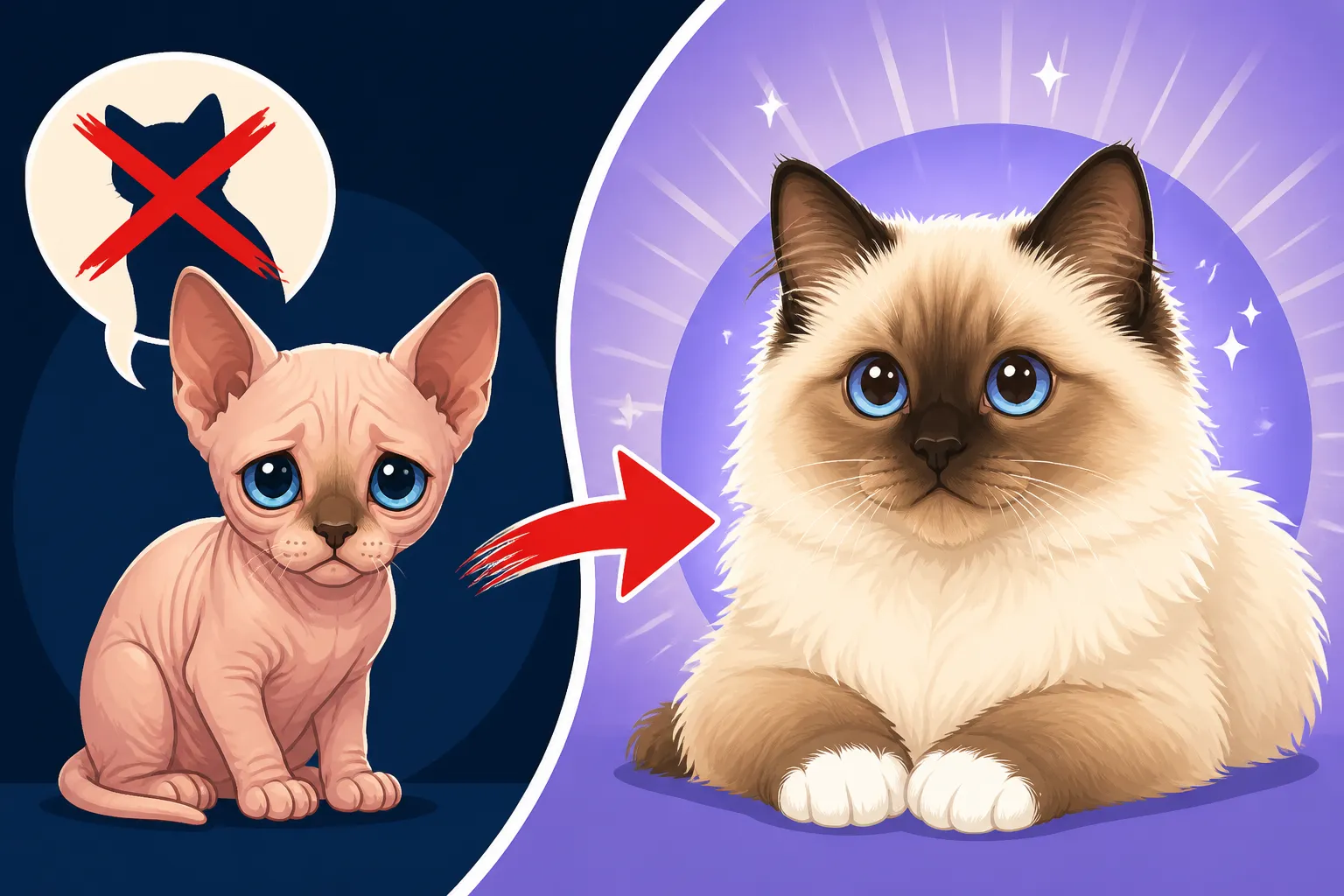
Why a Birman Kitten Born Bald Will Not Reach Eight Months
It's an incredibly distressing experience for any cat owner, but especially for a breeder, to welcome a new litter of kittens only to find one profoundly different, and tragically, visibly unwell. When a Birman kitten is born bald, or with extremely sparse, greasy fur, it's a heartbreaking indicator of a severe genetic condition that, unfortunately, means they won't live to see eight months old. This guide will delve deep into the specifics of this rare but devastating genetic issue, explaining exactly why these precious kittens face such a short, challenging life.
The Immediate Shock of a Hairless Birman Kitten
Imagine the scene: a healthy Birman queen delivers her litter, and among the soft, downy, almost-white bundles, there's one that stands out for all the wrong reasons. A kitten that’s almost completely bald, or perhaps has a very thin, patchy coat that feels strangely oily to the touch. This isn't just a cosmetic difference; it's the outward manifestation of a grave internal problem. The immediate shock and confusion quickly give way to profound concern, as this isn't a typical kitten presentation. Unlike kittens that might have temporary alopecia from stress or mites, this kind of hair loss is present from birth and signals a much deeper, systemic issue that affects the kitten's very ability to thrive.
The development of the Birman kitten's coat is usually a gradual, beautiful process, with their points slowly darkening and their fur thickening over the first few weeks and months. So, to see a kitten without this crucial protective layer is a stark and painful contrast to the expectation. It’s a moment that no breeder or owner ever wants to face, as it signals a future filled with challenges, and ultimately, profound sadness.
Understanding FOXN1 and Birman Hypotrichosis
The underlying cause of a Birman kitten being born bald and having a drastically shortened lifespan is a specific genetic mutation affecting the FOXN1 gene. This isn't just a generic form of hair loss; it's a condition known as congenital hypotrichosis with thymic aplasia, specifically linked to the Birman breed. The gene FOXN1 plays a critical role in the development of both hair follicles and, crucially, the thymus gland. Without a properly functioning FOXN1 gene, these essential bodily components simply don't develop correctly.
The thymus gland, for those unfamiliar, is a small organ located in the chest, and it's absolutely vital for the immune system. Specifically, it's where T-cells, a type of white blood cell, mature and learn to fight off infections. If the thymus is underdeveloped or completely absent (aplasia), the kitten’s immune system is severely compromised. This isn't a minor defect; it leaves them virtually defenseless against common pathogens that a healthy kitten would easily bat away. The devastating impact of this gene mutation goes far beyond the cosmetic, impacting the kitten's fundamental ability to survive. You might wonder, "What FOXN1 Does to a Birman Kitten" — it systematically undermines their immune defenses and their physical integrity.
The Genetic Basis: How the Disease Occurs
Birman hypotrichosis with thymic aplasia is an autosomal recessive genetic disorder. This means that a kitten must inherit two copies of the mutated FOXN1 gene—one from each parent—to be affected by the condition. If a kitten inherits only one copy, they are considered a carrier. Carriers are perfectly healthy themselves, showing no symptoms of the disease, but they can pass the mutated gene on to their offspring. This is a crucial point for breeders, as seemingly healthy cats can unknowingly carry and transmit this devastating gene.
The existence of carriers makes responsible breeding paramount. If two carriers are mated, there is a 25% chance with each kitten born that it will inherit two copies of the mutated gene and thus be affected by the disease. There's also a 50% chance the kitten will be a carrier like its parents, and a 25% chance it will be genetically clear. This unpredictable outcome makes genetic testing an invaluable tool. For more on the specifics of how this mutation is inherited, you can read about How the FOXN1 Deletion Reaches a Birman Litter. Understanding this inheritance pattern is the first step in eradicating this condition from breeding lines.
Let's consider a practical scenario. A breeder might have a gorgeous Birman queen and a handsome stud, both healthy, champion-line cats. If both of these cats happen to be carriers for the FOXN1 mutation, every litter they produce carries this devastating risk. Without genetic testing, the breeder would have no idea until an affected kitten is born, which is a truly tragic way to discover the genetic status of their breeding stock. This is why proactive testing is not just recommended, but essential for the health of the breed.
| Genetic Status of Parents | Affected Offspring Probability | Carrier Offspring Probability | Clear Offspring Probability |
|---|---|---|---|
| Clear x Clear | 0% | 0% | 100% |
| Clear x Carrier | 0% | 50% | 50% |
| Carrier x Carrier | 25% | 50% | 25% |
| Carrier x Affected | 50% | 50% | 0% |
| Affected x Affected | 100% | 0% | 0% |
This table clearly illustrates Why Two Birman Carriers Should Never Be Mated if the goal is to prevent affected kittens. However, a carrier can be bred carefully to a clear cat to maintain genetic diversity, as long as offspring are tested.
Symptoms and Progression: More Than Just Hair Loss
While the most striking symptom of this condition is the lack of hair (hypotrichosis), the issues go much deeper. Affected Birman kittens are born either completely bald or with a very sparse, fine, often greasy or scaly coat. This isn't just an aesthetic concern; fur provides insulation and protection, and its absence leaves the kitten vulnerable to temperature fluctuations and skin issues. Their skin might appear thin, delicate, and prone to irritation or secondary infections because it lacks the natural protection a coat provides.
However, the primary reason these kittens cannot survive past a few months lies with their immune system. As mentioned, the FOXN1 mutation also causes thymic aplasia, meaning the thymus gland is either absent or severely underdeveloped. This profound immune deficiency leaves them utterly susceptible to even the most common infections that healthy kittens easily fight off. They often suffer from recurring respiratory infections, gastrointestinal issues, and other opportunistic infections that their bodies simply cannot combat. Imagine trying to fight a war with no soldiers – that's the reality for these kittens.
The progression is heartbreakingly predictable. Initially, the kitten might appear mostly normal apart from the hair loss, feeding and interacting somewhat. But as they grow, and are exposed to the myriad of bacteria and viruses in any environment, their compromised immune system quickly fails. They become listless, struggle to gain weight, and are frequently ill. Despite the best efforts of vets and caretakers, the infections pile up, overwhelming their tiny bodies. This rapid decline is Why Birman Hypotrichosis Is Called Short Life Expectancy.
The Prognosis: Why Life is So Short
The outlook for a Birman kitten born with FOXN1-related hypotrichosis with thymic aplasia is, unfortunately, grave. These kittens rarely survive beyond a few months of age, with most not reaching eight months. The primary reason for this tragically short lifespan isn't the hairlessness itself, but the profound immunodeficiency caused by the absent or dysfunctional thymus. They simply cannot develop the robust immune response needed to fend off the common infections they will inevitably encounter.
Think about a human baby born without a functioning immune system – they live in sterile environments, often in isolation, to protect them. For a kitten, such extreme measures are difficult, if not impossible, to sustain, especially in a typical home or cattery environment. Even with intensive veterinary care, antibiotics, and supportive therapies, the constant barrage of pathogens eventually overwhelms their system. The internal struggle is relentless, and their small bodies simply give out.
There is currently no cure or effective long-term treatment for this condition. The goal of care becomes supportive: keeping the kitten warm, nourished, and as free from infection as possible. However, this is a battle that, almost without exception, is lost. The quality of life for an affected kitten rapidly deteriorates, making the decision to humanely euthanize a profoundly difficult but often compassionate choice to prevent prolonged suffering. This difficult truth is why How Many Months an Affected Birman Kitten Survives is a question with such a heartbreaking answer. The goal is to provide comfort, warmth, and love during their brief time, minimizing distress as much as possible.
Breeding Responsibly: Preventing Future Cases
Given the devastating nature of this genetic condition, responsible breeding practices are absolutely critical to prevent its occurrence. The cornerstone of prevention is genetic testing. Reputable Birman breeders should test all their breeding cats for the FOXN1 mutation to determine if they are clear, carriers, or affected. Since affected cats would not survive to breeding age, the focus is on identifying carriers.
Once a breeder knows the genetic status of their cats, they can make informed decisions about breeding pairs. For instance, a carrier cat (one copy of the mutated gene) should only ever be bred to a cat that has tested clear (no copies of the mutated gene). This pairing ensures that no kitten will inherit two copies of the mutated gene and thus, no affected kittens will be born. While this pairing can still produce carrier kittens (50% chance), those carrier kittens can then be tested themselves before being considered for future breeding. This strategy allows breeders to manage the gene within the population without sacrificing genetic diversity by removing all carriers from the breeding pool immediately.
However, the golden rule is clear: Why Two Birman Carriers Should Never Be Mated. This is the pairing that creates the 25% risk of producing an affected, short-lived kitten. Ethical breeders are committed to eliminating the possibility of such suffering, and robust genetic testing protocols are their most powerful tool. Leading laboratories, such as those that provide comprehensive feline genetic panels, offer the specific FOXN1 test for Birmans. Knowing Which Lab Runs the Birman FOXN1 Test and ensuring all breeding stock is clear is paramount.
The practice of thoroughly screening breeding animals protects not only the kittens but also the reputation and emotional well-being of the breeder. Transparency with prospective kitten buyers about genetic testing results is also vital, building trust and ensuring that new owners are well-informed about the health background of their new companion.
Caring for an Affected Kitten: Comfort and Compassion
For those rare and unfortunate occasions when an affected Birman kitten is born, the focus shifts entirely to providing comfort, warmth, and a peaceful environment for their brief lives. Since there is no cure for congenital hypotrichosis with thymic aplasia, veterinary care becomes palliative, aiming to manage symptoms and minimize suffering.
The kitten will need meticulous care to prevent infections. This includes maintaining a very clean environment, ensuring they are kept warm (due to the lack of insulating fur), and immediately addressing any signs of illness with veterinary attention. Antibiotics may be prescribed to combat secondary bacterial infections, but these only offer temporary relief and do not address the underlying immune deficiency. Nutritional support is also crucial, as sick kittens often struggle to feed and gain weight. Specialized kitten milk replacers or highly digestible wet foods may be necessary.
While the emotional bond with any kitten is strong, caring for an affected kitten requires immense emotional resilience. Breeders and owners often find themselves making difficult decisions about the kitten's quality of life as their health inevitably declines. The most compassionate choice, when suffering becomes too great, is often euthanasia. This is a painful decision, but it prevents prolonged distress for a kitten that has no chance of recovery. Even if one had pet insurance from a provider like Healthy Paws, the nature of this severe congenital condition often means that the most humane path is not focused on extensive, prolonging treatments but on comfort and peace. The priority is always the kitten's well-being and freedom from pain, recognizing the profound limitations imposed by their genetic condition.
The Emotional Toll on Owners and Breeders
Discovering that a cherished Birman kitten is suffering from congenital hypotrichosis with thymic aplasia carries a significant emotional burden for both breeders and new owners. For breeders, who dedicate their lives to the health and welfare of their lines, the birth of an affected kitten can be devastating. It brings feelings of guilt, sorrow, and often, a renewed determination to strengthen their genetic testing protocols. They invest immense time, love, and resources into their animals, and to see a kitten endure such a struggle is heartbreaking.
The experience can also highlight the importance of careful record-keeping and open communication within the breeding community. Sharing information about carrier cats, while sensitive, is crucial for improving the breed's overall health. Breeders often form close bonds with their kittens, and making the difficult decision for humane euthanasia is a profound emotional challenge, despite knowing it's the kindest choice.
For new owners who might have fallen in love with a tiny, unique, bald Birman, the journey is equally painful. They enter with hopes of a long, happy life with their new companion, only to be confronted with a terminal diagnosis. The financial strain of continuous veterinary care, even if attempting to prolong life for a short period, can be considerable, in addition to the emotional toll. The grief of losing a kitten so young, especially one they've cared for so intimately, can be intense and isolating. It underscores the importance of thorough background checks and communication with breeders to understand the health guarantees and genetic testing status of the kitten's parents. This tragedy is a stark reminder of the responsibilities involved in breeding and owning purebred animals, emphasizing the need for rigorous health screening and unwavering compassion.
Understanding Birman Coat Development and Variations
Normally, Birman kittens are born with very light, almost white fur, and their characteristic "points" – the darker coloration on their face, ears, paws, and tail – gradually develop over their first few weeks and months as they are exposed to cooler temperatures. Their silky, single coat, which is one of the breed's hallmarks, begins to grow in earnest, forming a luxurious mantle that is relatively easy to care for compared to some other long-haired breeds. This typical development is a joy to behold for breeders and owners alike, watching their tiny, pale fluffballs transform into the majestic, pointed cats we adore.
The baldness seen in affected FOXN1 kittens is a stark contrast to this natural process. It's not a variation of normal coat development; it's a profound absence. There are other types of hypotrichosis in cats, some with less severe consequences, but the Birman's FOXN1 mutation is uniquely linked to the thymic aplasia. It’s also important to distinguish this from kittens with very sparse fur due to malnutrition or other severe health issues that aren't primarily genetic hypotrichosis. A truly affected Birman kitten will present with this striking baldness from birth, signaling the deeper, more critical issue at play. Knowing the difference is vital for diagnosis, as What a Hairless Birman Kitten's Skin Looks Like and its greasy appearance are key indicators. This isn't just about appearance; it's a visible sign of a system failing before it's even had a chance to properly start.
The Broader Impact on the Birman Breed
The existence of a condition like FOXN1 related hypotrichosis with thymic aplasia highlights the critical importance of responsible genetic management within purebred cat populations. While this condition is thankfully rare, its devastating impact serves as a powerful reminder of the potential consequences of a closed gene pool and the necessity of diligent health screening. For this reason, FOXN1 Is the Birman's Own Genetic Disease, making breeders of this specific cat especially responsible for its management.
Breed clubs and registries play a vital role in encouraging and, in some cases, mandating genetic testing for certain conditions. By promoting transparency and providing resources for breeders, they help ensure that the breed continues to thrive as a whole, free from preventable genetic diseases. The goal is always to improve the health and longevity of the breed, allowing future generations of Birmans to live full, healthy lives. Every test performed, every responsible breeding decision made, contributes to safeguarding the Birman's future. It's a testament to the dedication of ethical breeders that conditions like this, while heartbreaking, are becoming less common thanks to proactive testing and careful genetic planning.
This commitment to health isn't just about avoiding diseases; it's about honoring the unique traits and gentle temperament that make the Birman so beloved. By focusing on robust health, breeders ensure that families can welcome these beautiful cats into their homes with confidence, knowing they are bringing in a companion who will hopefully share many happy years with them. This comprehensive approach to breeding means considering all aspects of a cat's well-being, from temperament to genetic health, and making choices that prioritize the long-term vitality of the entire breed.
Disclaimer
This article is intended for informational purposes only and does not constitute veterinary advice. Always consult with a qualified veterinarian for any health concerns or before making any decisions about your pet's care.