FOXN1 Is the Birman’s Own Genetic Disease
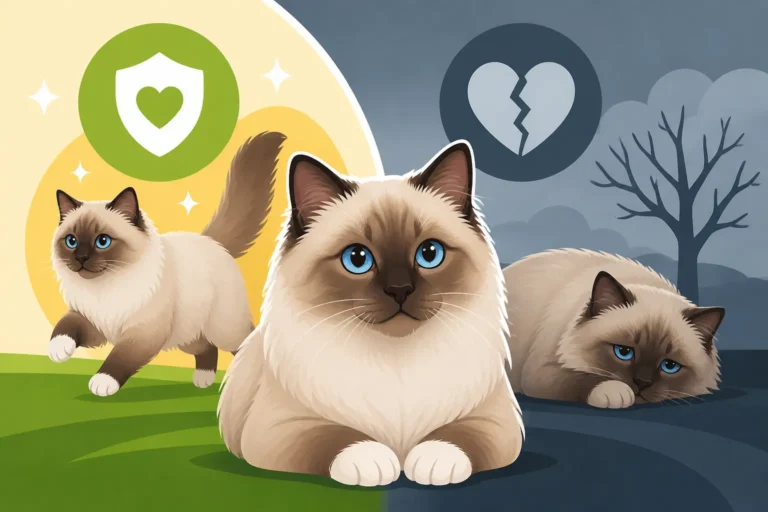
Discovering that your beloved Birman kitten might be facing a life-threatening genetic condition like FOXN1 is a devastating blow no pet parent wants to endure. The confusion, the fear, and the profound sadness that comes with realizing your precious furball may not have a long, healthy life can feel overwhelming. This comprehensive guide is here to unravel the complexities of FOXN1, a genetic disease specific to the Birman breed, providing clarity on its genetic underpinnings, how to recognize its signs, diagnostic methods, and crucially, how responsible breeding practices are the key to eradicating this heartache.
Understanding FOXN1 and its Devastating Impact
For Birman enthusiasts, the term "FOXN1" might send shivers down their spine, and for good reason. This isn't just a complicated scientific name; it represents a profound genetic vulnerability within the breed that can lead to heartbreaking outcomes for affected kittens. It's one of those silent threats that responsible breeders work tirelessly to eliminate, and that every prospective Birman owner should be aware of.
The Genetic Basis of FOXN1 in Birmans
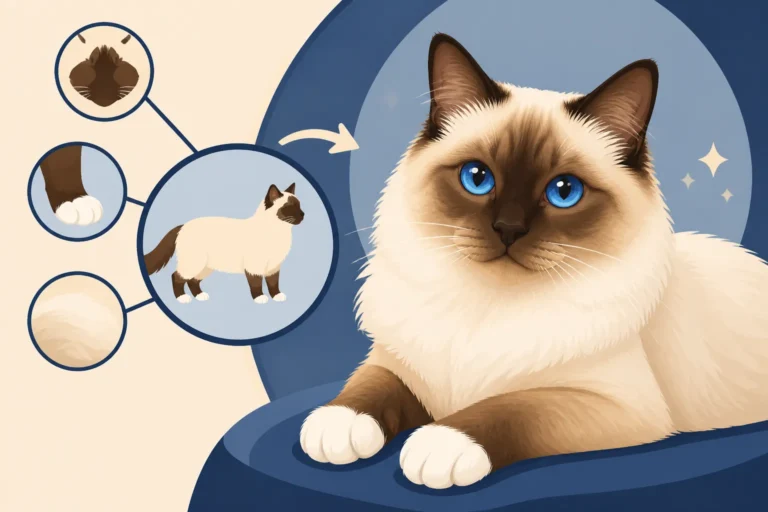
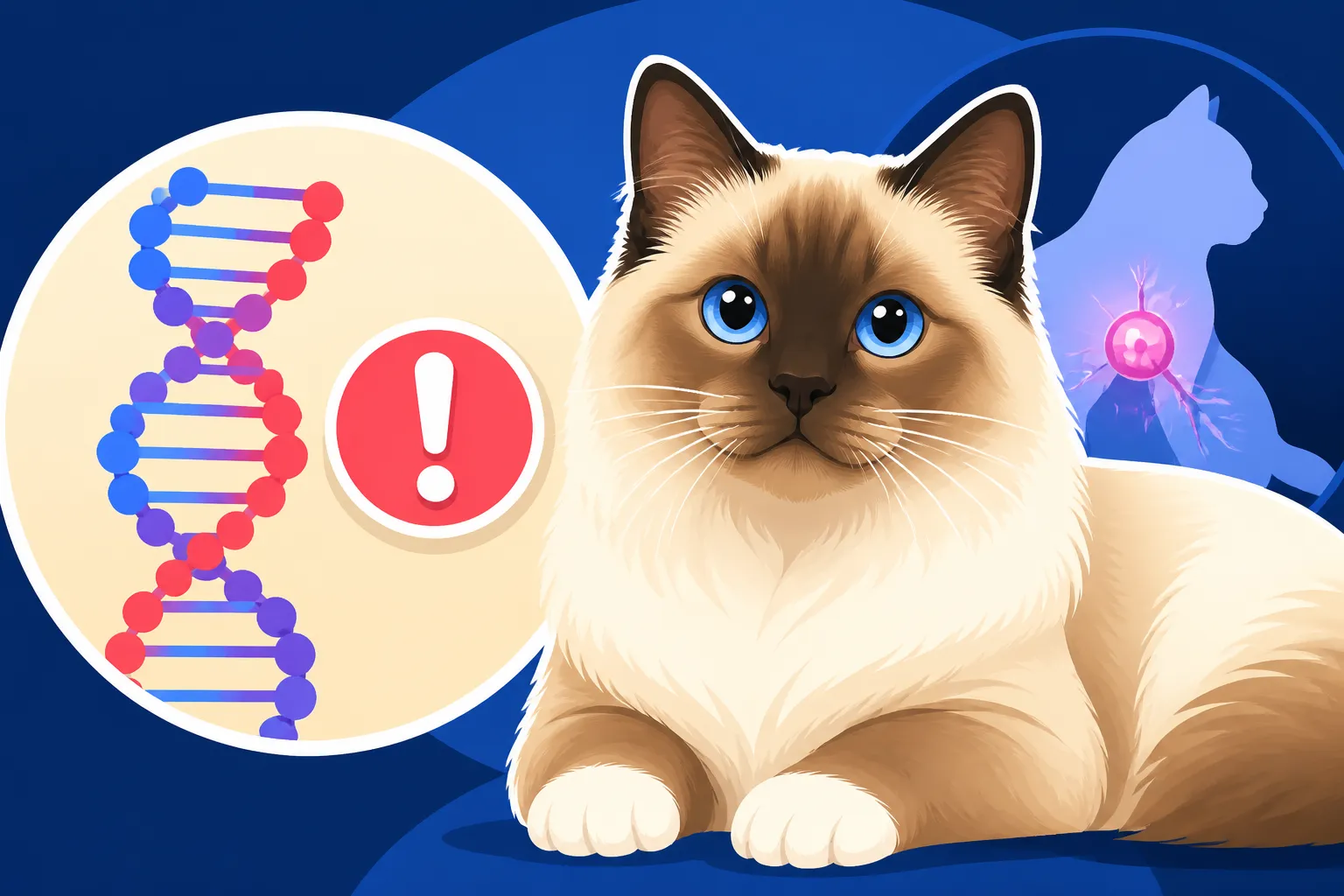
At its core, FOXN1 stands for Forkhead Box N1, a gene that plays a crucial role in the development of the thymus gland. In Birmans, this gene carries a specific deletion, a tiny error in its DNA sequence, that has monumental consequences. This condition is inherited in an autosomal recessive manner, meaning a kitten must inherit two copies of the faulty gene – one from each parent – to be affected by the disease. If a kitten inherits only one copy, it becomes a "carrier," perfectly healthy itself but capable of passing the gene on to its offspring. This is why testing is so vital; outwardly healthy cats can still carry the gene and, if mated with another carrier, produce affected kittens. The deletion's location is well-identified, allowing for precise genetic testing that has revolutionized how breeders manage this risk.
When a Birman kitten inherits two copies of this specific deletion, the FOXN1 gene simply can't do its job properly. The result is typically thymic aplasia or hypoplasia, which means the thymus gland is either completely missing or severely underdeveloped. The thymus is absolutely critical for the development and maturation of T-lymphocytes, which are a major component of the immune system. Without a functioning thymus, these crucial immune cells don't develop, leaving the kitten with a severely compromised, if not entirely absent, immune defense system. This makes them incredibly vulnerable to common infections that a healthy kitten would easily shrug off.
What FOXN1 Does to a Birman Kitten
The impact of this genetic flaw on a Birman kitten is profound and devastating. Essentially, What FOXN1 Does to a Birman Kitten is strip them of their natural defenses. Imagine a tiny, innocent creature born into a world teeming with microbes, yet utterly defenseless against them. That's the tragic reality for a Birman kitten affected by FOXN1. They are born without the ability to mount an effective immune response, making even the mildest bacterial or viral encounter potentially fatal.
This immune deficiency means that affected kittens struggle from birth. They are often less robust than their littermates, exhibiting a general failure to thrive. While the most striking physical symptom is often the lack of a proper coat, the internal battle is far more critical. Their underdeveloped or absent thymus leaves them wide open to opportunistic infections that would be minor annoyances for a healthy cat. They might contract respiratory infections that quickly turn into pneumonia, or gastrointestinal issues that lead to severe dehydration and malnutrition. The constant fight against illness saps their strength, preventing them from growing and developing normally, and ultimately leading to a life that is tragically cut short.
Recognising the Signs of an Affected Birman Kitten
The initial joy of a new litter can quickly turn to concern and then profound sorrow when a Birman breeder or owner recognizes the tell-tale signs of FOXN1. While the disease's effects are primarily internal, there are unmistakable external indicators that differentiate an affected kitten from its healthy siblings. These signs are often visible early on, making timely intervention and compassionate care paramount.
Visual Cues and Physical Manifestations
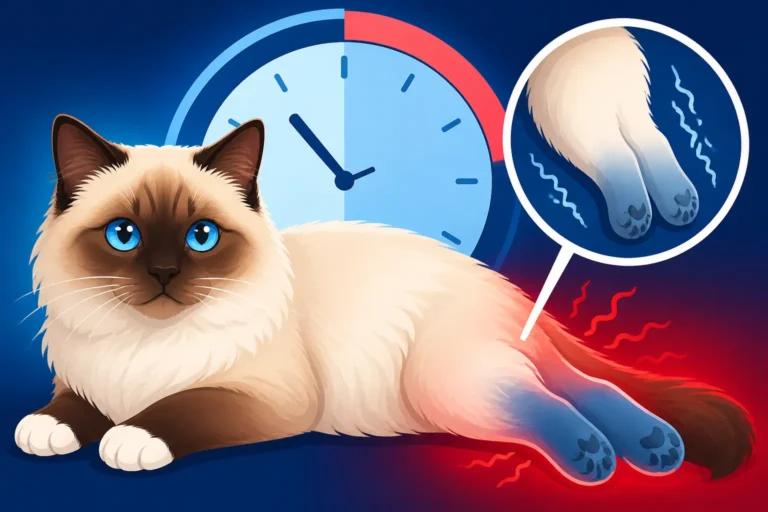
One of the most striking and immediate indicators of FOXN1 in a Birman kitten relates to its fur. While all Birman kittens are born quite pale and their point colors develop over weeks, a kitten affected by FOXN1 will stand out dramatically. They are often born completely bald or with an incredibly sparse, almost downy coat that fails to develop properly. This condition is sometimes referred to as hypotrichosis, meaning less hair than normal. Why a Birman Kitten Born Bald Will Not Reach Eight Months is directly linked to this underlying immune deficiency. The lack of a proper coat is not merely cosmetic; it's a symptom of a much deeper, systemic issue.
Furthermore, What a Hairless Birman Kitten's Skin Looks Like can also provide clues. The skin might appear unusually thin, delicate, and in some cases, even greasy or scaly, as it lacks the protective oils and robust nature that a healthy coat provides. This makes their skin highly susceptible to environmental damage and secondary skin infections. Even if a small amount of fur develops, How Thin an Affected Birman Kitten's Coat Stays is remarkable; it will remain sparse, patchy, and never achieve the luxurious, silky texture characteristic of the Birman breed. This stark contrast makes What an Affected Birman Kitten Looks Like at Birth a clear warning sign to experienced breeders who are familiar with the normal development of Birman kittens.
Behavioral and Health Indicators
Beyond the noticeable coat issues, affected Birman kittens exhibit a range of behavioral and general health problems stemming from their compromised immune systems. These kittens rarely display the robust energy and playful curiosity typical of a healthy kitten. Instead, they often seem lethargic, weak, and less interested in nursing or interacting with their littermates. This lack of vigor is a critical red flag, signaling that something is profoundly wrong beneath the surface.
Their severe immune deficiency means that Why a Bald Birman Kitten Catches Every Infection becomes painfully clear. They are constantly battling one ailment after another, from recurrent upper respiratory infections that manifest as sneezing, watery eyes, and nasal discharge, to persistent gastrointestinal issues like diarrhea and vomiting. Skin infections are also common, often appearing as redness, pustules, or scabs, especially on their delicate, sparsely furred skin. They simply cannot fight off the common bacteria, viruses, and fungi that healthy kittens encounter daily. This constant struggle leads to a devastating failure to thrive, where they struggle to gain weight, remain significantly smaller than their littermates, and show no signs of improvement despite diligent care.
Diagnosing FOXN1: The Crucial Steps
When a Birman kitten displays the worrying signs associated with FOXN1, a swift and accurate diagnosis becomes paramount. This isn't just about identifying the problem; it's about making informed decisions for the kitten's welfare and preventing further spread of the genetic condition within the breed. The diagnostic process involves both a thorough veterinary examination and specific genetic testing.
Initial Veterinary Examination and Suspicion
The moment a breeder or owner notices a Birman kitten that is born bald or with very sparse hair, along with signs of weakness or repeated infections, a veterinary consultation is immediately necessary. During this initial examination, the veterinarian will observe the kitten's physical condition, noting the lack of normal hair growth, any skin lesions, and signs of respiratory or gastrointestinal distress. The kitten's overall demeanor – lethargy, lack of appetite, and failure to thrive – will also be critical observations. The vet might also be able to palpate the chest area to assess for the presence of the thymus gland, though this can be challenging in tiny kittens. The profound impact of Why a missing thymus leaves a Birman defenseless becomes evident as the vet assesses the kitten's inability to fight off even mild infections.
To further investigate, the veterinarian might suggest blood tests to look for abnormalities in white blood cell counts, specifically a lack of T-lymphocytes, which would strongly indicate an immune deficiency. Imaging techniques, such as ultrasound or even a specialized CT scan, could be used to directly attempt to visualize the thymus gland. However, these methods can be invasive or difficult to perform on very young, frail kittens. In some cases, a biopsy of lymphoid tissue might be considered to definitively confirm thymic aplasia or hypoplasia, but this is usually a last resort due to the kitten's delicate state. The combination of clinical signs and initial test results often points strongly towards FOXN1, paving the way for definitive genetic confirmation.
Confirmation Through Genetic Testing
While clinical signs and general veterinary assessments can raise strong suspicions, definitive diagnosis of FOXN1 relies on genetic testing. This is a non-invasive, highly accurate method that directly identifies the specific genetic deletion responsible for the disease. Several specialized laboratories offer this test. For example, in the UK, Langford Veterinary Services at the University of Bristol is known for offering a comprehensive panel of genetic tests for cats, including the FOXN1 test for Birmans. Other reputable labs like Optimal Selection (through Wisdom Panel) or UC Davis Veterinary Genetics Laboratory in the US also provide such services, making it accessible to breeders globally. Which lab runs the Birman FOXN1 test can vary by region, but accredited veterinary genetic labs are the standard.
The process is remarkably simple: How a Cheek Swab Clears a Birman for FOXN1 or confirms a carrier or affected status. A sterile cotton swab is gently rubbed inside the kitten’s cheek to collect cells containing DNA. This sample is then sent to the specialized laboratory. The results will clearly indicate whether the kitten is "clear" (meaning it has two normal copies of the gene), a "carrier" (meaning it has one normal and one affected copy), or "affected" (meaning it has two affected copies and will develop the disease). This genetic test is not just for affected kittens; it's also routinely used by responsible breeders to screen their breeding cats, ensuring they don't unwittingly perpetuate this devastating gene. This proactive approach is critical for the long-term health of the Birman breed.
| Genotype | Status | Description | Breeding Implications |
|---|---|---|---|
| N/N | Clear | Has two normal copies of the FOXN1 gene. Will not develop the disease. | Can be bred with any other cat without risk of producing affected kittens. |
| N/FOXN1 | Carrier | Has one normal and one affected copy. Will not develop the disease. | Can be bred with a "Clear" cat (N/N) without risk of affected kittens, but 50% of kittens will be carriers. Should NEVER be bred with another "Carrier" (N/FOXN1). |
| FOXN1/FOXN1 | Affected | Has two affected copies of the FOXN1 gene. Will develop the disease. | Should not be bred. Suffers from severe immune deficiency. Often euthanized early due to poor quality of life. |
Preventing FOXN1: Responsible Breeding Practices
The heartbreaking reality of FOXN1 in Birman kittens underscores the critical importance of responsible breeding. This isn't just about producing beautiful cats; it's about ensuring the health and well-being of every single kitten brought into the world. Genetic testing and careful mate selection are the cornerstones of preventing this devastating disease.
The Importance of Genetic Testing for Breeding Cats
For any dedicated Birman breeder, genetic testing for FOXN1 is non-negotiable. It’s the primary tool to identify carriers and prevent affected kittens from being born. Every single cat intended for a breeding program, whether a queen or a stud, must be tested for the FOXN1 gene deletion. Without this vital information, breeders are essentially breeding in the dark, risking the emotional and financial toll of producing sick kittens. Why a Birman Stud Should Be Cleared Before Use is especially important, as a single stud cat can potentially sire many litters and widely spread the carrier gene throughout a breeding line if not properly screened.
The most catastrophic breeding scenario, and one that responsible breeders actively avoid, is mating two carrier cats together. Why Two Birman Carriers Should Never Be Mated is simple genetics: when two carriers (N/FOXN1 x N/FOXN1) are bred, there is a 25% chance that each kitten in the litter will inherit two copies of the affected gene (FOXN1/FOXN1) and thus be affected by FOXN1. There's also a 50% chance they will be carriers, and a 25% chance they will be clear. This 25% risk of producing a kitten destined for a short, suffering life is why such pairings are considered unethical and completely avoidable with proper testing. Breeders have an ethical obligation to understand these risks and use genetic testing to make informed decisions that prioritize the health of their cats above all else.
Managing Carrier Cats in a Breeding Program
Discovering that a valuable breeding cat is a FOXN1 carrier (N/FOXN1) doesn't necessarily mean the end of its breeding career, but it does require careful management and strategic planning. How a Birman Carrier Is Identified is, as we've discussed, through a simple cheek swab DNA test. Once identified, the breeder knows exactly what steps must be taken to ensure no affected kittens are produced. The key is to never breed a carrier cat with another carrier. Instead, a carrier cat can be safely bred with a cat that has tested "clear" (N/N) for the FOXN1 gene.
When a carrier (N/FOXN1) is bred with a clear cat (N/N), statistically, 50% of the kittens will be clear (N/N) and 50% will be carriers (N/FOXN1). Crucially, no kittens will be affected by the disease. This allows valuable genetic lines to be preserved while systematically breeding out the carrier status over generations. Why a Birman Carrier Can Still Be Bred Carefully revolves around these strategic mating choices. Responsible breeders often test all kittens from such a pairing before they go to new homes, ensuring that new owners are fully aware of their kitten's genetic status if it happens to be a carrier. This level of transparency, along with providing official test certificates, builds trust and contributes to the overall health improvement of the Birman breed. It's a testament to good stewardship within the breeding community, aiming not to discard healthy carriers but to use them responsibly to move towards a healthier future for the breed.
Life with an Affected Birman Kitten
Receiving a diagnosis of FOXN1 for a Birman kitten is one of the most heart-wrenching moments a breeder or owner can face. It signals that the kitten is battling an insurmountable immune deficiency, and it forces difficult decisions about their care and future.
The Heartbreaking Reality and Prognosis
For a Birman kitten born with two copies of the FOXN1 deletion, the prognosis is universally grim. These kittens, due to their absent or severely underdeveloped thymus, simply cannot develop a functioning immune system. This means they are completely vulnerable to every pathogen in their environment. Which Infections Kill an Affected Birman Kitten range from common respiratory viruses and bacteria, which rapidly progress to severe pneumonia, to gastrointestinal infections causing relentless vomiting and diarrhea, leading to severe dehydration and malnutrition. Even mild skin infections can become widespread and untreatable.
The reality is a constant struggle against illness, requiring intensive veterinary care, frequent antibiotic treatments, and often isolation in a sterile environment to minimize exposure to pathogens. Despite the most heroic efforts, How Many Months an Affected Birman Kitten Survives is typically very short, usually not extending beyond a few weeks to a few months. Most succumb to overwhelming infection or the complications of their immune deficiency. The quality of life for these kittens is extremely poor; they are often weak, in pain, and unable to experience the joy and playfulness characteristic of a healthy kitten. This profound suffering is why Why an Affected Birman Kitten Is Usually Put to Sleep is, sadly, the most compassionate decision. It's an agonizing choice, but it spares the kitten from prolonged pain and distress.
Support for Owners and Ethical Considerations
The emotional toll of caring for an affected Birman kitten, knowing its fate, is immense. Breeders, who have poured their hearts into their lines, and new owners, who have fallen in love with a tiny, fragile life, face profound grief and guilt. It's a situation where seeking support from fellow breeders, veterinarians, and even pet loss support groups can be invaluable. The decision to humanely euthanize is never easy, but it’s an act of ultimate kindness to prevent further suffering. Veterinary professionals are usually very understanding and supportive during this difficult time, helping owners navigate the emotional landscape.
It's important to remember that such occurrences, while devastating, are thankfully becoming rarer due to widespread genetic testing. How Rare Birman Hypotrichosis Actually Is has decreased significantly in well-managed breeding programs that prioritize health screening. Organizations like Healthy Paws, which provide pet insurance, can offer some financial relief for unexpected vet bills related to health issues, although genetic conditions often have specific exclusions or waiting periods. This highlights the importance of choosing a reputable breeder who tests their cats and provides health guarantees. While insurance helps with many unforeseen illnesses, it cannot erase the heartache of a genetic disease that fundamentally impacts a kitten's very existence. Breeders are increasingly transparent, and asking for parent health test results, including FOXN1, should be a standard part of any kitten adoption process.
The Broader Context: Genetic Health in the Birman Breed
While FOXN1 is a critical concern, it's also important to understand it within the broader genetic landscape of the Birman breed. Like many purebred cats, Birmans have a unique genetic history that has both blessed them with their distinctive beauty and left them vulnerable to certain hereditary conditions.
The Birman's Vulnerable Gene Pool
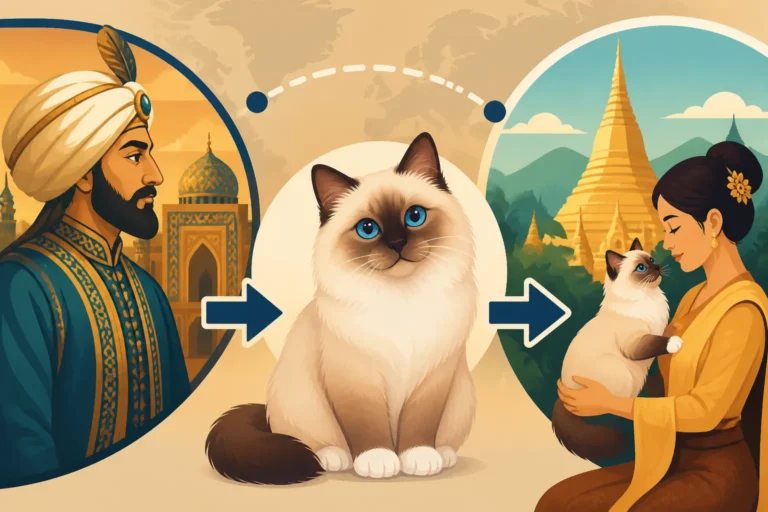
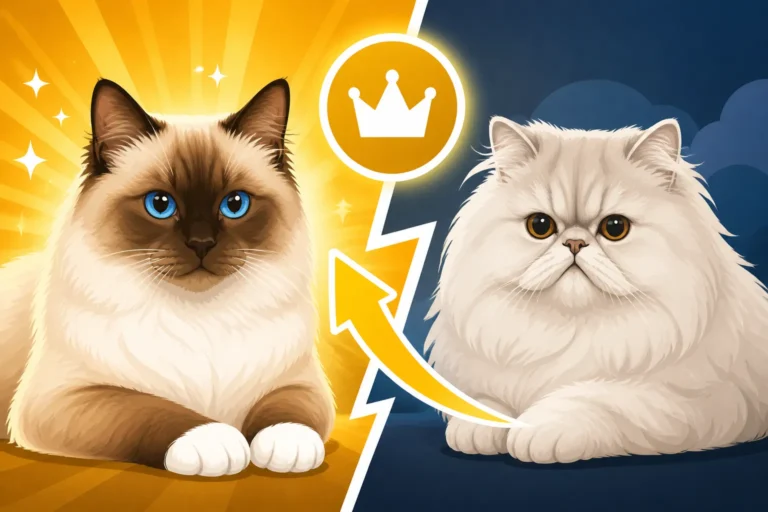
The Birman breed faced near extinction after World War II, a historical event that dramatically reduced its genetic diversity. The Birman Was Rebuilt From Two Cats and It Shows profoundly impacted the breed's genetic makeup. All modern Birmans trace their lineage back to a tiny handful of survivors and strategic outcrossings with other breeds, primarily Persians and Siamese, to re-establish the population. This history means that What a Narrow Founder Base Left in the Birman is a relatively restricted gene pool.
This bottleneck effect, where a population is severely reduced and then rebuilt from a small number of individuals, can concentrate certain genes, both good and bad. While careful breeding and selective outcrossing helped secure the breed's survival, it also meant that any genetic predispositions present in those founder cats or the outcrosses could become more prevalent. How Two Cats in 1945 Shaped the Birman's Health is a story of resilience but also a stark reminder of the challenges inherent in maintaining genetic health in a breed with such a limited origin. This is why thorough genetic testing, not just for FOXN1 but for other known conditions, is so vital today, to constantly monitor and improve the breed's overall health profile.
Beyond FOXN1: Other Important Genetic Considerations
While FOXN1 is a devastating genetic disease specific to Birmans, it's not the only health consideration for the breed. Responsible Birman ownership and breeding involve awareness of several other hereditary conditions that can affect their lifespan and quality of life. For instance, Polycystic Kidney Disease (PKD) is another concern, inherited in an autosomal dominant manner. Although less common in Birmans today due to extensive testing, it was introduced through historical outcrossings with Persians. Why a Birman Breeder Still Tests for PKD is a testament to diligence; even though the incidence is low, a single affected cat can pass the gene to half its offspring, so breeders remain vigilant.
Another significant health issue in Birmans, as with many large-breed cats, is Hypertrophic Cardiomyopathy (HCM), a thickening of the heart muscle. Unlike FOXN1 and PKD, HCM in a Birman Has No DNA Test, Only an Echo. This means regular cardiac screening via ultrasound (echocardiogram) is crucial for breeding cats to identify affected individuals and remove them from the breeding pool. This ongoing vigilance across multiple genetic and hereditary conditions, including conducting comprehensive tests like What Testing a Birman for FOXN1 and PKD1 Together Costs, is what defines ethical breeding. It ensures that the beauty and wonderful temperament of the Birman are matched by robust health, giving every kitten the best possible start in life and every owner the promise of a long, happy companionship. When considering pet insurance, it's worth noting that some policies, even from providers like Healthy Paws, may have specific clauses regarding hereditary conditions or require vet checks before coverage begins, so always read the fine print.
Disclaimer
The information provided in this guide is for general informational purposes only and should not be considered as professional veterinary advice. Always consult with a qualified veterinarian for any health concerns or before making any decisions related to your Birman cat's health and care.