How Rare Birman Hypotrichosis Actually Is
It’s truly devastating when you hear about a kitten struggling with a serious health condition, especially when it’s something as severe as hypotrichosis. Many Birman enthusiasts worry about genetic issues, and conditions like hair loss in a breed known for its glorious coat can certainly raise alarms. This guide is here to shed light on Birman hypotrichosis, explaining exactly what it is, why it's so serious, and most importantly, how incredibly rare it actually is in today's responsible breeding circles, offering peace of mind to current and prospective owners.
Unpacking Birman Hypotrichosis: More Than Just Hair Loss
When we talk about hypotrichosis in Birmans, we're not just discussing a bit of sparse fur or a seasonal shed. This is a very specific, inherited condition that has profound implications for a kitten's health and survival. It's often linked to the FOXN1 gene, which is critical for the development of both hair and the thymus gland.
What is Hypotrichosis in Birmans?
At its heart, Birman hypotrichosis is a severe genetic disorder caused by a specific mutation in the FOXN1 gene. This gene plays a crucial role in the proper development of hair follicles and, significantly, the thymus gland. The thymus is a vital organ in the immune system, responsible for maturing T-cells, which are frontline defenders against infections. So, when a Birman kitten inherits two copies of this mutated gene (one from each parent), the consequences extend far beyond mere hair loss.
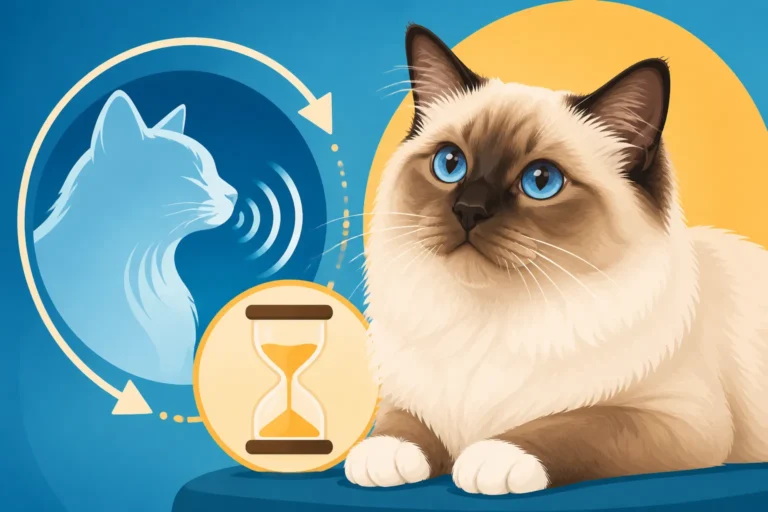
The condition itself isn't merely cosmetic; it's a fundamental failure in the kitten's immune system. Because the thymus doesn't develop correctly, or sometimes is completely missing, these kittens are born with a severe immunodeficiency. This means their tiny bodies are almost completely defenseless against even common pathogens, leaving them incredibly vulnerable. It’s a stark reality that this condition is truly called Why Birman Hypotrichosis Is Called Short Life Expectancy for a reason.
Clinical Signs of Affected Birman Kittens
The signs of Birman hypotrichosis are typically evident right from birth or shortly thereafter, which can be heartbreaking for breeders. An affected kitten will usually present as bald or nearly bald, often appearing quite frail compared to its healthy littermates. This isn't just a slightly thin coat; it's a noticeable absence of hair.
As they grow, or rather, struggle to grow, these kittens continue to show distinct symptoms. Their skin might appear abnormal, sometimes greasy or scaly, because of the lack of a protective coat. More critically, due to their compromised immune system, they are highly susceptible to every infection imaginable. Things like respiratory infections, gastrointestinal issues, and various skin infections become constant, overwhelming battles. You’ll find that What an Affected Birman Kitten Looks Like at Birth is a very telling description. Sadly, Why a Bald Birman Kitten Catches Every Infection underscores the severity of their plight; their bodies simply cannot fight off the everyday bacteria and viruses that a healthy kitten shrugs off.
The Striking Rarity of Birman Hypotrichosis (FOXN1)
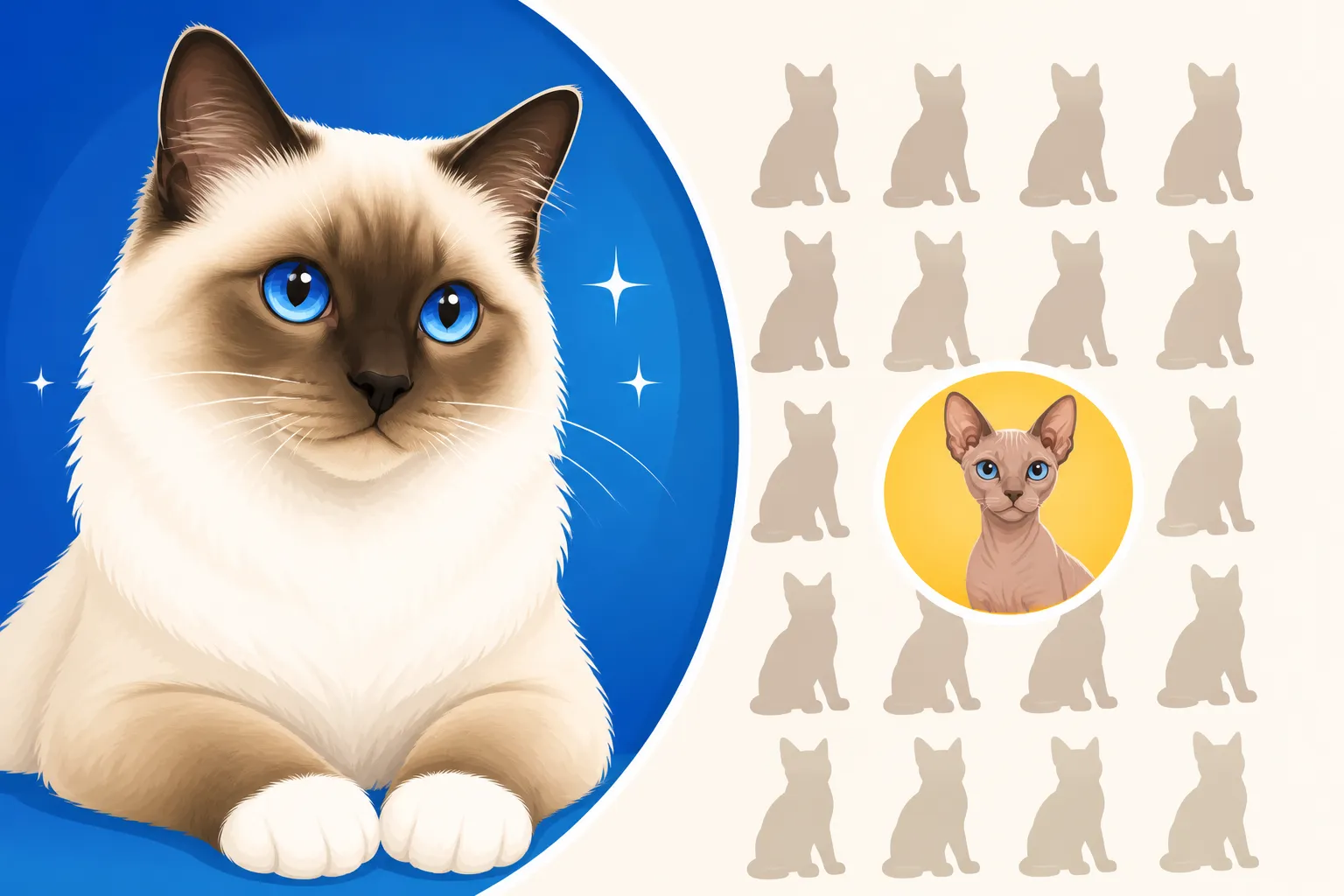
Despite the severity of Birman hypotrichosis, you might never encounter an affected kitten, and that’s largely thanks to dedicated breeders and advancements in genetic testing. The answer to "how rare is Birman hypotrichosis?" is: exceedingly rare, almost non-existent in professionally bred lines today.
How Genetic Testing Controls Its Prevalence
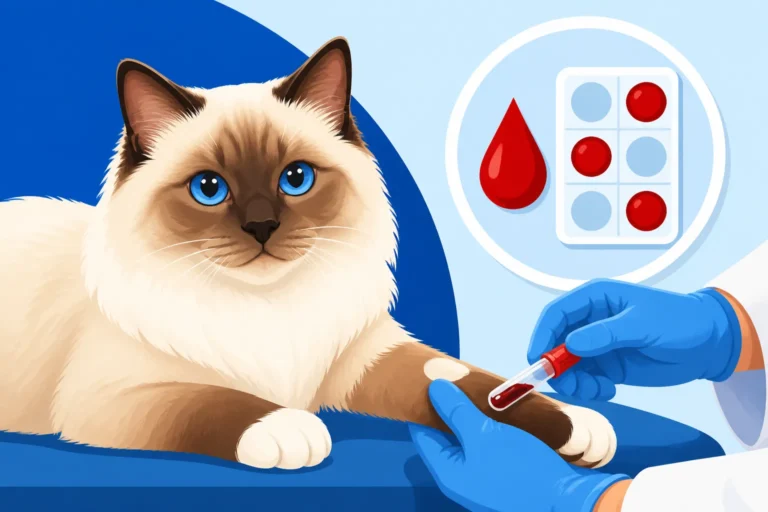
The primary reason Birman hypotrichosis is so rare now is the widespread availability and mandatory use of DNA testing for the FOXN1 gene. Breeders can easily test their breeding cats to determine their genetic status: clear, carrier, or affected. A cat that is "clear" does not carry the gene and cannot pass it on. A "carrier" carries one copy of the mutated gene but is perfectly healthy and shows no symptoms. An "affected" cat has two copies and will develop the condition.
The magic happens with responsible breeding practices. Breeders know that Why Two Birman Carriers Should Never Be Mated. If two carriers are bred together, there's a 25% chance in each litter that a kitten will inherit two copies of the faulty gene and be affected. By testing and avoiding such pairings, breeders can completely eliminate the risk of producing affected kittens. This proactive approach has dramatically reduced the incidence of this devastating disease to near zero in reputable catteries. This is a direct testament to how understanding FOXN1 Is the Birman's Own Genetic Disease has empowered the breeding community.
Breeder Responsibility and Ethical Practices
Responsible Birman breeders are the unsung heroes in preventing this condition. They don't just test; they meticulously track pedigrees and maintain transparent records. When you inquire about a kitten, a reputable breeder will readily provide documentation showing that both parents have been tested and are clear of the FOXN1 mutation, or, if one is a carrier, that they were only bred to a clear cat.
The emphasis on screening isn't just about preventing suffering; it's also about upholding the health and integrity of the breed. Organizations like The Cat Fanciers' Association (CFA) or The International Cat Association (TICA) don't always mandate FOXN1 testing, but ethical breeders consider it a non-negotiable part of their health protocol. Asking Whether Any Registry Requires the Birman FOXN1 Test often reveals that while not strictly required by all, it's a hallmark of a responsible program. For any serious breeder, ensuring Why a Birman Stud Should Be Cleared Before Use is paramount to preventing the spread of genetic diseases through entire lines.
Here’s a simple table to illustrate the genetic possibilities:
| Parent 1 Status | Parent 2 Status | Possible Kitten Status | Risk of Affected Kitten |
|---|---|---|---|
| Clear | Clear | All Clear | 0% |
| Clear | Carrier | 50% Clear, 50% Carrier | 0% |
| Carrier | Carrier | 25% Clear, 50% Carrier, 25% Affected | 25% |
| Clear | Affected | All Carrier | 0% |
| Carrier | Affected | 50% Carrier, 50% Affected | 50% |
| Affected | Affected | All Affected | 100% |
(Note: Affected cats typically do not survive long enough to breed, making the last two scenarios extremely rare in practice.)
Why You Might Not See Many Cases
If you’re a long-time cat owner or looking to get your first Birman, you might be wondering why you haven't heard much about this specific problem. The simple truth is, due to the success of genetic screening and the severe nature of the condition, affected kittens rarely make it into the public eye.
The Outcome for Affected Kittens
It's a harsh reality, but kittens born with Birman hypotrichosis often don't survive long. As mentioned, their compromised immune systems mean they succumb to common infections very quickly. Most affected kittens typically do not live past a few months, often just a few weeks. The devastating truth of How Many Months an Affected Birman Kitten Survives is that they are so vulnerable they cannot thrive.
Out of compassion, and to prevent prolonged suffering, breeders often make the incredibly difficult decision to humanely euthanize affected kittens shortly after diagnosis. This prevents the kitten from enduring a life of constant illness, pain, and failed treatments. It's a testament to a breeder's love for the breed and for individual animals, even in the face of such a tragedy. This is part of Why an Affected Birman Kitten Is Usually Put to Sleep. This grim reality, while painful to discuss, is another reason why these cases are not widely seen by the general public.
Public Awareness vs. Actual Incidence
Because affected kittens are prevented through responsible breeding or, tragically, do not survive, the public incidence of Birman hypotrichosis is incredibly low. Most pet owners who purchase a Birman kitten from a reputable breeder will never even have to consider this issue, as their kitten's parents will have been tested and cleared.
The existence of the condition serves as a powerful reminder of the importance of choosing a breeder wisely. When breeders perform necessary health screenings and maintain transparency, potential genetic issues like hypotrichosis remain mostly confined to the genetic potential, rather than becoming a widespread problem. This isn't to say it never happens, especially if someone unknowingly purchases a kitten from an unscrupulous breeder who doesn't test, but those instances are thankfully rare in the grand scheme of things. Knowing What FOXN1 Does to a Birman Kitten is vital for prospective owners to understand the gravity of skipping due diligence.
Living with a Birman: Preventing and Preparing
Bringing a Birman into your home is a joyous occasion, and knowing that severe genetic conditions like hypotrichosis are largely managed by responsible breeders should offer immense reassurance. However, vigilance and preparation are still key aspects of responsible pet ownership.
Importance of Verified Breeder Practices
When you're looking for your perfect Birman companion, verifying the breeder's health testing practices is paramount. Don't be afraid to ask direct questions about genetic testing for FOXN1 and other conditions common in the breed, such as HCM and PKD. A good breeder will welcome your questions and provide clear, verifiable documentation. This isn't just about hypotrichosis; it's about the overall health legacy of your future cat. Insist on seeing the genetic test results for both parents.
Always choose a breeder who is transparent, passionate about the health of their cats, and actively screens for known genetic conditions. This diligence upfront is your best defense against potential heartache later on. Remember, How a Birman Carrier Is Identified means that even a carrier cat (which is healthy) can pass on the gene if bred incorrectly, so knowing the parents' status is critical.
Pet Insurance and Genetic Conditions
Even with the most responsible breeding, unforeseen health issues can sometimes arise. This is where pet insurance can offer a valuable safety net. While conditions like Birman hypotrichosis are largely mitigated by good breeding, other genetic predispositions or unexpected illnesses can occur. Brands like Healthy Paws, for example, offer comprehensive pet insurance plans that can help cover the costs of diagnostics, treatments, and medications for a wide range of conditions.
Having a robust pet insurance policy from a company like Healthy Paws in place from an early age can provide immense peace of mind. It means you can focus on getting your beloved Birman the best possible care without being overwhelmed by unexpected veterinary bills. While conditions like hypotrichosis are effectively managed through breeding, being prepared for other health needs through a plan like those offered by Healthy Paws ensures you're ready for whatever life throws your way, protecting both your cat's health and your wallet. Investing in a healthy kitten from a reputable breeder and supplementing that with good insurance can set your Birman up for a long, healthy, and happy life.
Disclaimer
Please note that this guide provides general information and insights into Birman hypotrichosis. It is not a substitute for professional veterinary advice. Always consult with a qualified veterinarian for any health concerns or before making decisions about your pet's care.