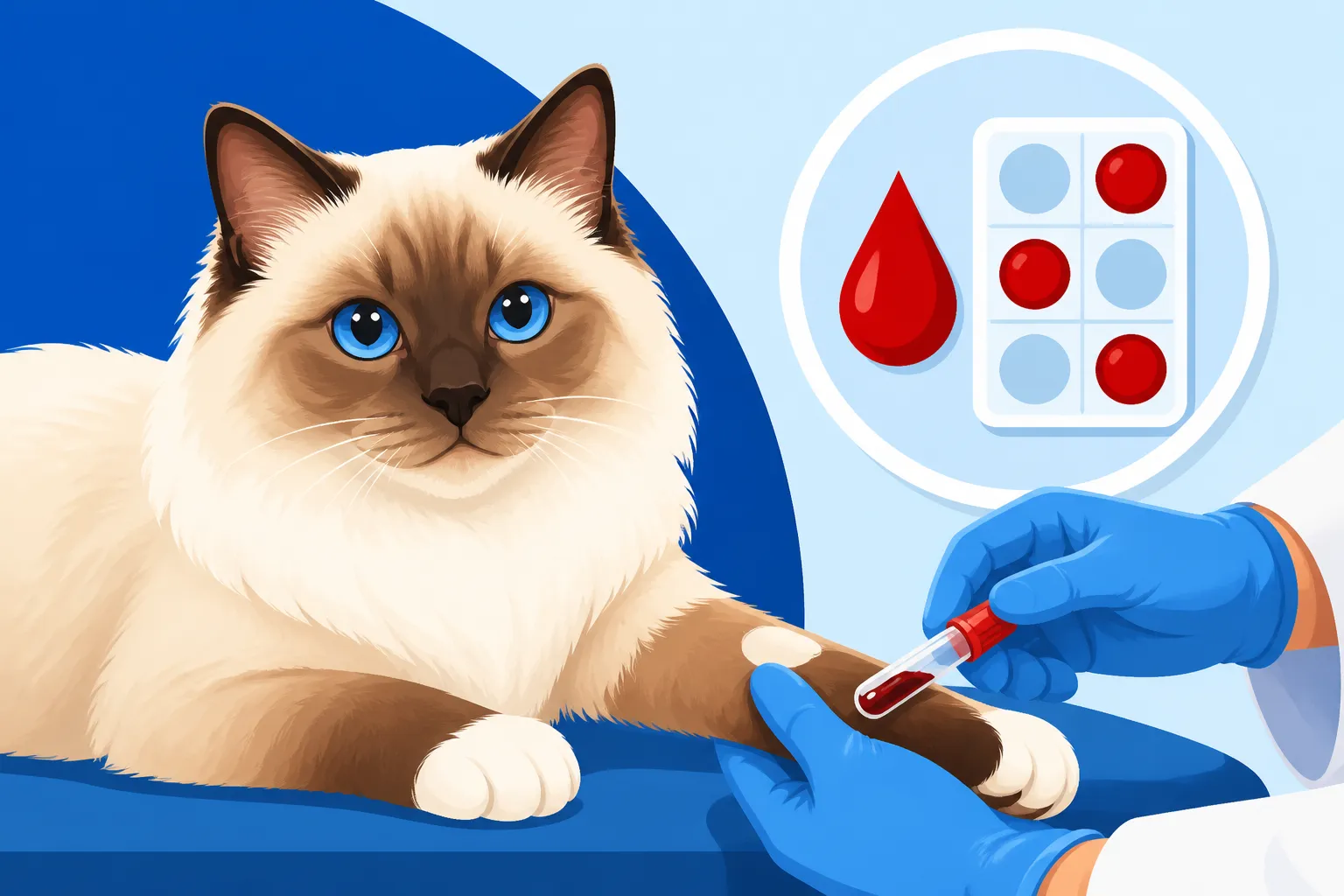
How a Birman’s Blood Type Is Tested
As a Birman owner or a conscientious breeder, few things can cause more sleepless nights than the thought of a health issue that could have been prevented, especially when it comes to the delicate balance of genetics. One such critical, yet often overlooked, area is understanding your Birman's blood type. This guide will walk you through why it's so vital, what the different feline blood types mean, and precisely how your beloved Birman can be tested, giving you peace of mind and the tools to ensure the healthiest future for them and any potential offspring.
The Critical Importance of Blood Typing for Birman Cats
You might think blood typing is only for humans or for emergency transfusions, and while it's absolutely crucial for those, for cat breeds like the Birman, it holds an even deeper significance, especially if you're involved in breeding. Imagine the heartbreak of losing an entire litter of precious Birman kittens, not to a visible illness, but to something as invisible as blood type incompatibility. This scenario, known as Neonatal Isoerythrolysis (NI), is a very real threat.
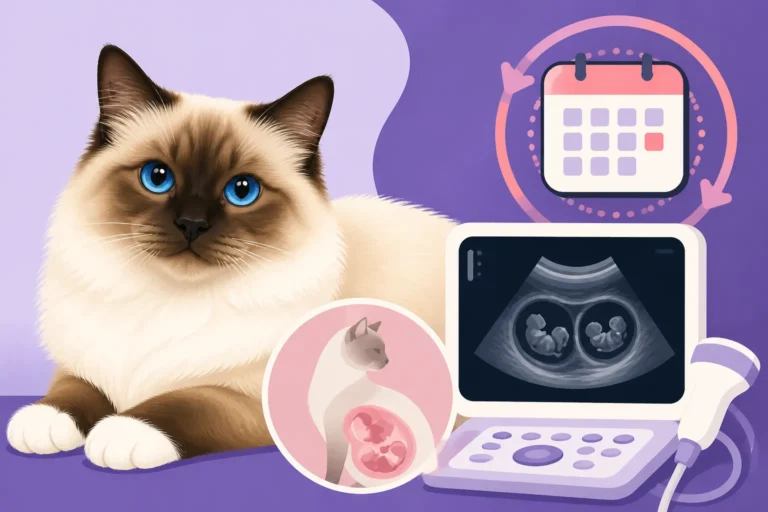
In simple terms, NI occurs when a mother cat (queen) has a different blood type than her kittens, and her antibodies attack the kittens' red blood cells. It's a silent killer that can devastate a litter within hours or days of birth, leaving breeders and owners bewildered and heartbroken. For Birmans, this risk is particularly relevant because of the prevalence of certain blood types within the breed. Knowing your cat's blood type isn't just a precaution; it's a fundamental pillar of responsible pet ownership and breeding. It can mean the difference between life and death for vulnerable kittens, and it informs critical decisions for planned matings, ensuring that potential issues are identified and mitigated long before kittens are even conceived. It also prepares you for emergencies, where a rapid blood transfusion could be life-saving.
Understanding Feline Blood Types, Especially for Birmans
Just like us, cats have different blood types, but the system is a bit simpler. There are primarily three main blood types in domestic cats: Type A, Type B, and Type AB. The vast majority of cats worldwide are Type A. However, certain breeds have a higher incidence of Type B, and this is where the Birman cat steps into the spotlight.
Type A Blood: This is the most common blood type in felines. Cats with Type A blood have naturally occurring anti-B antibodies in their plasma, but usually in low concentrations. If a Type A cat receives Type B blood, it can have a mild to moderate reaction. Many Birmans carry Type A blood, making them generally compatible with other A-type cats, but the situation becomes complex when a Type B cat is introduced into the equation.
Type B Blood: While less common overall, Type B blood is found more frequently in certain purebred cats, including the Birman, Cornish Rex, British Shorthair, and Devon Rex, among others. The critical distinction for Type B cats is that they possess very strong, naturally occurring anti-A antibodies. These antibodies are incredibly potent and can cause a severe, often fatal, reaction if a Type B cat receives Type A blood. This strong antibody presence is the core of the Neonatal Isoerythrolysis problem when a Type B queen is mated with a Type A stud. The prevalence of Type B in some Birman lines is why you'll often hear discussions among breeders about "How Many Birmans Have Blood Type B" and the associated risks.
Type AB Blood: This is the rarest feline blood type. Cats with Type AB blood generally do not have anti-A or anti-B antibodies, making them what we might call "universal recipients" in terms of receiving blood. However, because it's so rare, finding a Type AB donor can be challenging. For breeding, Type AB queens mated to Type A or Type B studs usually don't face the same NI risks as Type B queens, but the rarity of the type makes it a less common point of discussion.
The specific genetic makeup of Birmans means that breeders must be acutely aware of their cats' blood types to prevent genetic incompatibilities that lead to NI. A Type B Birman queen, if mated with a Type A stud, will produce kittens that are usually Type A. When these Type A kittens nurse from their Type B mother, they ingest her potent anti-A antibodies through her colostrum (first milk). These antibodies then attack the kittens' red blood cells, leading to a breakdown that can result in weakness, anemia, jaundice, and ultimately, death. This devastating condition is precisely "What Neonatal Isoerythrolysis Does to a Birman Litter". It underscores why knowing your Birman's blood type is not just a good idea, but an absolute necessity for anyone considering breeding.
The Process of Blood Type Testing for Your Birman
So, how do you actually go about discovering your Birman's blood type? The process is relatively straightforward, generally involving a quick trip to your veterinarian. There are a few different methods available, ranging from in-clinic rapid tests to more comprehensive laboratory analyses, and the choice often depends on your vet's preference and what you're trying to achieve (e.g., emergency typing vs. pre-breeding screening).
Initial Veterinary Consultation
Your journey begins with a visit to your trusted veterinarian. During this appointment, you can discuss your reasons for wanting the blood type test. If you're a breeder, this is an excellent opportunity to talk about your breeding plans and any concerns about blood type incompatibility. Your vet will explain the process, potential costs, and what to expect from the results. They'll also perform a general health check on your Birman to ensure they are fit for the blood draw. This initial check-up might also include a discussion about other important genetic tests for the breed, such as those for FOXN1 and PKD1, and "What Testing a Birman for FOXN1 and PKD1 Together Costs".
Sample Collection and Rapid In-Clinic Tests
The actual testing procedure typically involves collecting a small blood sample from your Birman. This is usually done with a quick, minimally invasive venipuncture, often from a vein in the leg or neck. Most Birmans, with their placid temperament, tolerate this well. The blood sample is then used for analysis.
For rapid, in-clinic testing, many veterinary clinics utilize specialized blood typing cards or gel column kits. These kits are designed to quickly identify the blood type (A, B, or AB) within minutes, providing immediate results.
- Card Agglutination Test: This popular in-clinic method involves mixing a small amount of your Birman's blood with reagents on a special card. The reagents contain antibodies that will react (agglutinate or clump) with specific blood cell antigens. For example, if your cat has Type A blood, its red blood cells will clump when mixed with anti-A antibodies. This test is quick, generally reliable for a first assessment, and helps vets get an immediate answer, which is invaluable in an emergency.
- Gel Column Assay: Another in-clinic method, this uses small gel columns containing reagents. When your cat's blood is added, the red blood cells migrate through the gel, and their position indicates the blood type. This is also a rapid and effective method.
These rapid tests are fantastic for situations where time is of the essence, such as before an urgent blood transfusion. However, for breeding purposes, many breeders prefer confirmation through a specialized external laboratory to ensure absolute accuracy.
Laboratory Confirmation and DNA Testing
For the most definitive and often preferred results, especially for breeding cats, the blood sample will be sent to a veterinary diagnostic laboratory. These labs offer highly accurate blood typing services, sometimes utilizing more sophisticated techniques. They might confirm the agglutination tests with cross-matching, which tests the compatibility of a donor's blood with a recipient's.
Beyond the traditional serological (blood sample) tests, genetic DNA tests are also available for feline blood typing. These tests identify the genetic markers responsible for a cat's blood type. For instance, the mutation responsible for Type B blood has been identified. A DNA test can tell you if your Birman carries the gene for Type B blood, even if it expresses as Type A (meaning it's a carrier). This is particularly useful for breeders to identify carriers of the Type B gene, preventing accidental incompatible matings. You might recall that other genetic conditions in Birmans, like FOXN1, also rely on DNA testing to identify carriers, so your vet might send samples to a lab that handles multiple genetic screenings, such as a specialty lab often mentioned in breeder circles for genetic health panels.
The results from a laboratory typically take a few days to a week to come back, and they will clearly state your Birman's blood type. These certified results are crucial for breeders and can be kept with your cat's permanent health records, proving invaluable for future breeding decisions or emergency situations. When planning for such extensive health checks and potential emergencies, comprehensive pet insurance can be a real lifesaver, helping to cover unexpected veterinary costs. Many pet owners find that providers like Healthy Paws offer robust coverage for these types of diagnostic tests and emergency care.
Interpreting Results and Implications for Your Birman
Once you have your Birman's blood type results, it's time to understand what they mean for your furry friend. The implications can vary significantly depending on whether your Birman is a cherished pet or part of a breeding program.
Implications for Pet Birmans
For pet Birmans, knowing their blood type is primarily about emergency preparedness. While we all hope our cats never need a blood transfusion, accidents and severe illnesses can happen. If your Birman ever requires a transfusion, having their blood type on file at your vet's office can save precious time in a critical situation. This speed can be the difference between life and death, as finding a compatible donor and performing cross-matching can take valuable hours. Many responsible pet owners include this information in their pet's records, much like they track annual vaccinations or schedule regular check-ups that might include something like "What a Birman's Yearly Panel Should Include After Eight".
Moreover, if your Birman is Type B, it's particularly important to communicate this information to any veterinarian or emergency clinic staff. As mentioned earlier, Type B cats have very strong anti-A antibodies, and receiving Type A blood could be fatal. Ensuring this information is prominently noted in their medical file is a simple step that could prevent a tragic mistake. It also highlights the importance of discussing all aspects of your cat's health with your vet, and having a reliable pet insurance plan from a company like Healthy Paws can provide financial security for unforeseen medical needs.
Implications for Breeding Birmans
For Birman breeders, blood typing is a non-negotiable step in responsible breeding. The primary concern is preventing Neonatal Isoerythrolysis (NI), which happens when a Type B queen is bred to a Type A stud. The kittens will likely inherit Type A blood from the father and ingest the mother's anti-A antibodies through her colostrum, leading to severe illness and death. This is why "Why a Type B Birman Queen Is a Problem" is such a critical consideration.
Breeders must ensure that:
- All breeding queens and studs are blood typed: This is the foundational step. You cannot make informed decisions without this knowledge.
- Incompatible pairings are avoided: A Type B queen should never be mated with a Type A stud. Mating a Type B queen with a Type B stud will produce only Type B kittens, eliminating the NI risk. A Type A queen can be safely bred with either a Type A or Type B stud.
- Genetic testing for carriers: If DNA testing reveals a Type A Birman is a carrier for the Type B gene, breeders can still use this cat in their program, but they must be extremely careful with mating choices to avoid producing Type B offspring or creating incompatible pairings in future generations.
If an accidental incompatible mating occurs (e.g., a Type B queen with a Type A stud), there are preventative measures, though they are labor-intensive and not without risk. These typically involve hand-rearing the kittens for the first 24-48 hours, feeding them a milk replacer, or providing colostrum from a Type A queen or a Type B queen previously mated to a Type B stud. The goal is to prevent them from ingesting the mother's antibody-rich colostrum. This delicate process is how "How a Birman Litter Is Protected From Isoerythrolysis" is attempted, though success is not always guaranteed.
Responsible breeders are transparent about their cats' health testing, including blood typing results. This transparency helps maintain the health of the Birman breed and provides peace of mind to kitten buyers, much like publishing echo results for HCM or sharing genetic test results. When you're dealing with the costs associated with extensive health testing and potential veterinary interventions for breeding, having a comprehensive pet insurance plan like those offered by Healthy Paws can be an invaluable asset. It allows breeders to focus on the health of their animals rather than being solely burdened by financial concerns.
| Feline Blood Type (Cat) | Antibodies Present | Can Receive (Transfusion) | Cannot Receive (Transfusion Risk) | Breeding Risks (Queen x Stud) |
|---|---|---|---|---|
| Type A | Weak anti-B | Type A | Type B (mild to moderate reaction) | Type A Queen + Type B Stud: Kittens may get NI from colostrum if they are Type B (less common). |
| Type B | Strong anti-A | Type B | Type A, Type AB (severe, often fatal reaction) | Type B Queen + Type A Stud: High risk of Neonatal Isoerythrolysis in Type A kittens. |
| Type AB | None | Type A, Type B, Type AB | None (Universal Recipient) | Generally no NI risk for Type A or Type B kittens with AB Queen. |
This table clearly illustrates the risks, especially for Type B queens. Ensuring all Birman breeding stock is properly typed and recorded is an essential step towards safeguarding the future of these wonderful cats and minimizing heartbreak. It's a testament to the dedication of breeders who prioritize health over all else, a commitment that aligns with the peace of mind offered by reliable pet insurance providers like Healthy Paws.
Disclaimer
This article provides general information and should not be considered a substitute for professional veterinary advice. Always consult with a qualified veterinarian regarding your Birman's specific health needs, diagnosis, and treatment options.