Why Birman Kittens Are Sometimes Hand Reared for Days
Finding yourself needing to hand-rear tiny Birman kittens is a heartbreaking and incredibly demanding situation, often stemming from unseen dangers that can quickly turn a joyful birth into a race against time. This guide will delve deep into the critical reasons why Birman kittens sometimes need to be hand-reared for days, particularly focusing on a serious genetic incompatibility that can threaten an entire litter, and explore other factors that might necessitate such intensive care.
Understanding Neonatal Isoerythrolysis: The Core Reason
One of the most profound and urgent reasons Birman kittens might require hand-rearing from birth is a condition called Neonatal Isoerythrolysis (NI). This isn't just a simple feeding issue; it's a life-threatening immune reaction triggered by incompatible blood types between the queen and her kittens. It’s a silent threat that can devastate a litter if breeders aren't meticulously diligent.
The Birman's Blood Type Predicament
Cats, like humans, have different blood types, and for Birmans, this can be particularly relevant. The primary blood groups are A, B, and AB. Type A is the most common, while Type B is less prevalent but crucial to understand in certain breeds, including the Birman. Type AB is the rarest. The danger arises when a Type B queen is mated with a Type A or Type AB tom, and the resulting kittens inherit either Type A or Type AB blood from their father. The mother's immune system, being Type B, naturally develops strong antibodies against Type A red blood cells. This is a crucial point: unlike in human medicine where a mother must be exposed to incompatible blood to develop antibodies, a Type B cat naturally has high levels of anti-A antibodies circulating in her system. This inherent predisposition makes the situation incredibly risky. Understanding Why a Birman's Blood Type Matters at Mating is paramount for any responsible breeder to avoid this scenario altogether. It's a foundational piece of knowledge that can literally save lives.
How Incompatible Blood Types Lead to Danger
The real problem begins when the Type A or AB kittens ingest their Type B mother's colostrum, which is her first milk. Colostrum is packed with antibodies designed to protect newborns from disease, but in this specific mismatch, those protective antibodies become lethal. The anti-A antibodies in the queen’s colostrum are absorbed through the kittens' gut lining, entering their bloodstream. Once there, they launch an attack on the kittens' own Type A or AB red blood cells. This leads to massive red blood cell destruction, a process known as hemolysis. The signs can be subtle at first, with affected kittens appearing strong and healthy for a few hours. However, as more antibodies are absorbed, the kittens rapidly decline. This condition, What Neonatal Isoerythrolysis Does to a Birman Litter, can cause a devastating cascade of symptoms, leading to severe anemia, organ damage, and ultimately, death, often within the first 24 to 72 hours of life. It’s a truly tragic scenario where the very substance meant to provide life and immunity instead delivers a fatal blow.
Identifying the Signs in Newborn Kittens
Recognizing the symptoms of Neonatal Isoerythrolysis quickly is absolutely critical, as time is of the essence. Affected Birman kittens might initially seem fine, nursing vigorously. However, within hours, you might start to notice them becoming weak and lethargic, falling behind their littermates in energy and activity. Their mucous membranes, usually a healthy pink, may start to look pale due to anemia, or even yellowish (jaundiced) as red blood cells are destroyed and bilirubin builds up. The most telltale sign is often dark, reddish-brown urine, indicating the presence of hemoglobin from the destroyed red blood cells. These kittens will often stop suckling, become increasingly cold (hypothermic), and may cry weakly. They can "fade" rapidly, losing condition and vigor at an alarming rate. It’s a stark reminder of What an Affected Birman Kitten Looks Like at Birth in terms of internal distress, even if their outward appearance isn't immediately suggestive of a genetic deformity like those seen in conditions such as FOXN1. A once robust kitten can quickly become lifeless, and without immediate intervention, the prognosis is very poor. This is a situation where every minute counts, and swift, decisive action is the only hope.
The Critical Window: Why Hand-Rearing is Essential
When Neonatal Isoerythrolysis is suspected or confirmed, immediate and intense intervention is required. Hand-rearing isn't just about providing nutrition; it's a strategic move to bypass the very mechanism that causes the disease.
Preventing Colostrum Intake: A Life-Saving Measure
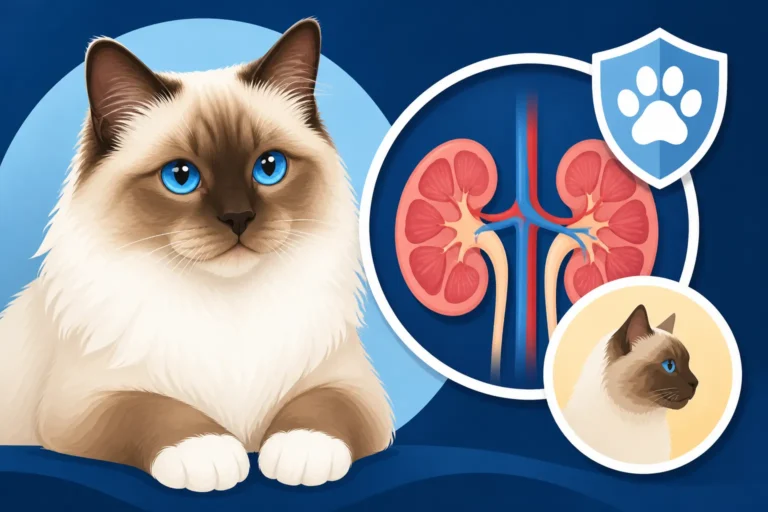
The cornerstone of treating or preventing NI is to stop the affected kittens from ingesting their mother’s colostrum. This means that as soon as the kittens are born, or even immediately after being identified as being at risk (if blood types were known pre-mating), they must be removed from the queen. This is an incredibly difficult decision for breeders, as it goes against every natural instinct of a mother cat and her kittens. However, for a Birman litter at risk, it's a non-negotiable step. The critical window for colostrum absorption in kittens is typically the first 24-48 hours after birth. During this time, the intestinal lining is "open," allowing large antibody molecules to pass directly into the bloodstream. After this period, the gut closes, and antibodies are no longer absorbed in the same way. Therefore, kittens must be hand-reared on a suitable kitten formula or, ideally, colostrum from a compatible queen (one that is Type A or from another species like goat colostrum) for at least the first two days. This temporary separation effectively bypasses the transfer of the dangerous anti-A antibodies, giving the Type A or AB kittens a chance to survive. How a Birman Litter Is Protected From Isoerythrolysis really boils down to this meticulous management and careful planning before the litter even arrives.
The Intensive Care Involved in Hand-Rearing
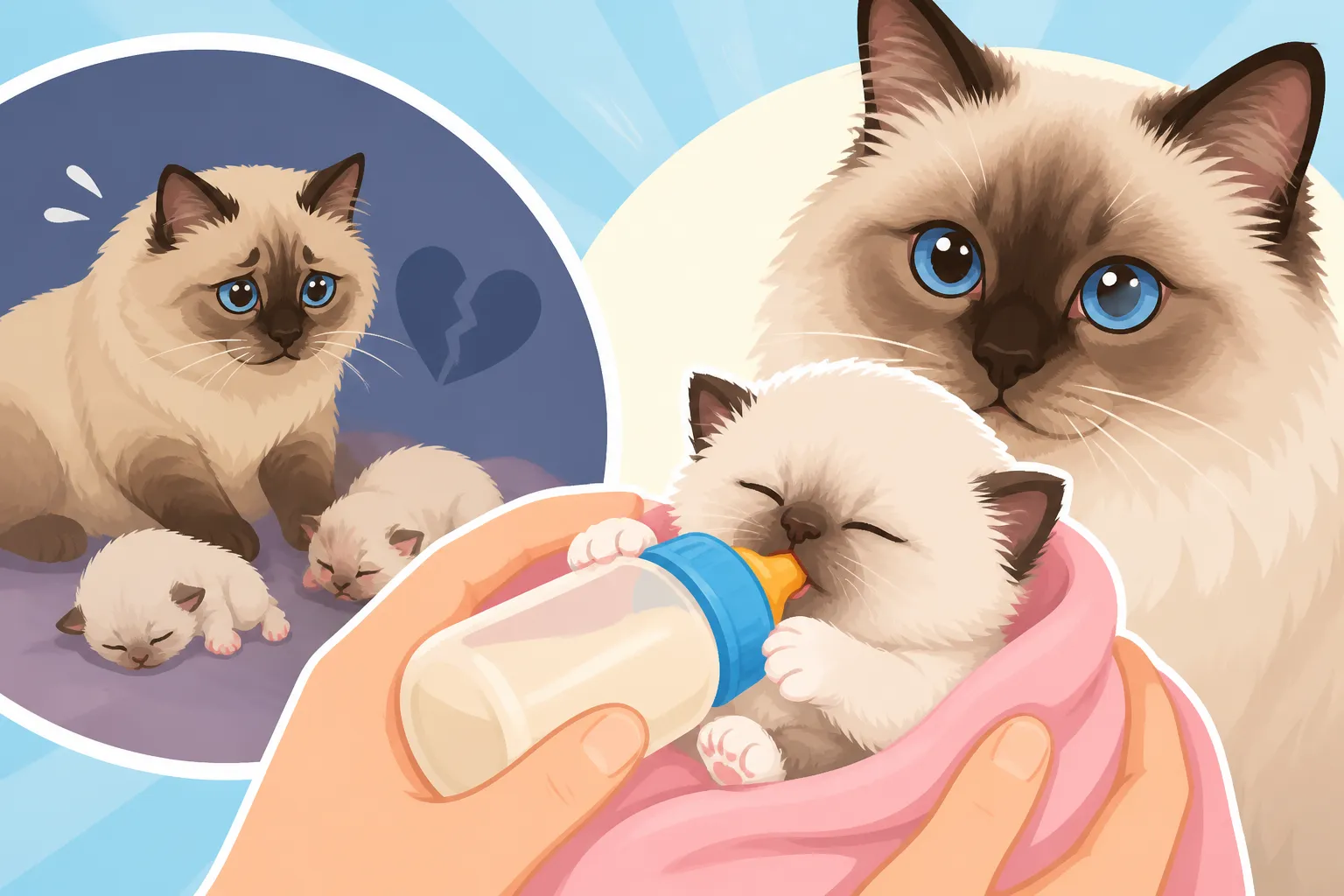
Hand-rearing newborn kittens is no small feat; it's an exhausting, around-the-clock commitment that demands incredible dedication. These tiny creatures are entirely dependent and fragile. Kittens, especially newborns, need to be fed every 2-3 hours, day and night, using a specialized kitten nursing bottle or syringe. The formula must be warmed to body temperature to prevent digestive upset. Beyond feeding, hand-reared kittens lack the vital stimulation their mother provides. This means the caregiver must meticulously stimulate them to urinate and defecate after every feeding by gently rubbing their perineal area with a warm, damp cotton ball, mimicking the queen's tongue. Temperature regulation is another major challenge. Newborn kittens cannot regulate their own body temperature and are highly susceptible to hypothermia. They need a consistent warm environment, often achieved with incubators, heating pads on low settings, or warm water bottles, always with an escape route to prevent overheating. Hygiene is also crucial; bottles and nipples must be sterilized, and the kittens kept clean and dry to prevent infections. Any lapse in care, even for a few hours, can be fatal. The emotional and physical toll on the person providing this care is immense, as it requires sacrificing sleep, social life, and personal time for days on end.
The Breeder's Role and Ethical Considerations
For responsible Birman breeders, the potential for Neonatal Isoerythrolysis is a serious concern that is addressed long before any mating takes place. Ethical breeding practices dictate that all breeding queens and studs should be blood typed. If a Type B queen is identified, she should only ever be bred to a Type B male to ensure all kittens are Type B and therefore safe from NI. Breeding a Type B queen to a Type A or AB stud, while possible, knowingly puts the entire litter at high risk of NI and requires a pre-planned strategy for immediate post-birth intervention. This means having formula, feeding supplies, and an incubator ready, and being prepared for the intense hand-rearing. Breeders must be transparent about these risks and the measures they take. Veterinary input is invaluable in these situations, and they can help guide breeders through the blood typing process and the management of at-risk litters. Organizations like the Cat Fanciers' Association (CFA) and The International Cat Association (TICA) emphasize health testing and responsible breeding, and while they don't explicitly regulate blood typing as a mandatory test, it's a critical component of ensuring the health and welfare of Birman kittens. The financial aspect of such a situation can also be significant, from veterinary consultations and emergency supplies to the sheer time investment. This is where comprehensive pet insurance like Healthy Paws, while typically not covering breeding costs, can offer peace of mind for the individual kittens once they are past the critical early stages and into their pet homes, potentially covering unexpected health issues that might arise.
Beyond Blood Types: Other Reasons for Hand-Rearing
While Neonatal Isoerythrolysis is a critical and specific reason for hand-rearing, it's certainly not the only one. Many factors, both maternal and kitten-related, can necessitate human intervention to ensure the survival of tiny Birman lives.
Maternal Issues and Lack of Care
Sometimes, the queen herself might be unable or unwilling to care for her litter, forcing humans to step in. A first-time mother, especially a very young or older queen, might lack the maternal instincts to properly nurse, clean, or bond with her kittens. This can be heartbreaking to witness, as the queen might simply ignore her crying litter. In some cases, a queen might reject one or more kittens from the litter, perhaps sensing a weakness or abnormality that isn't immediately apparent to human eyes. Physical issues can also arise: a queen might not produce enough milk (agalactia) to sustain her demanding litter, leaving hungry, crying kittens. Mastitis, an infection of the mammary glands, can make nursing excruciatingly painful for the queen, causing her to refuse to allow the kittens to suckle. If the queen herself falls ill after birth, perhaps due to birthing complications or another health issue, she might be too weak or unwell to provide adequate care, necessitating her recovery while humans step in for the kittens. In situations where a Birman's normally placid temperament might lead them to hide illness or discomfort, it can be even harder to discern if the queen is genuinely struggling. This reinforces the need for owners and breeders to pay close attention, as Why a Birman Hides Illness Behind a Placid Temperament can sometimes mask a queen's inability to care for her kittens.
Kitten Weakness or Prematurity
Individual kittens can also present challenges that demand hand-rearing. "Fading kitten syndrome" is a broad term for a kitten that fails to thrive, often due to underlying health issues. These kittens might be weaker, smaller, or premature, struggling to compete for nipples against stronger littermates. Their suckling reflex might be weak, making it difficult for them to get enough milk. Hypothermia is a common and deadly risk for weak kittens, as they lack the ability to generate enough body heat. Congenital defects, such as a cleft palate, prevent a kitten from nursing effectively, as they cannot create the necessary suction, leading to milk entering their lungs and causing aspiration pneumonia. Other health problems, from infections to genetic predispositions, can also render a kitten too weak to nurse independently. For instance, while not causing immediate hand-rearing, understanding conditions like Why a Birman Kitten Born Bald Will Not Reach Eight Months highlights the various severe congenital issues that can impact a kitten's early life and potentially necessitate intensive care if they even survive long enough. This fragility in the first days and weeks makes constant vigilance and proactive intervention paramount.
Environmental Stressors and Accidents
Sometimes, factors entirely outside the mother or kittens' health can necessitate hand-rearing. An overly large litter can simply overwhelm a queen, making it difficult for her to adequately feed and care for all her offspring, especially if she's a small queen with a typical Birman frame. In these cases, supplementing some kittens or even rotating them might be needed. Environmental stressors like extreme temperatures—either too cold or too hot—can quickly destabilize fragile newborns. A sudden loud noise or disruption in the birthing area could cause a stressed queen to abandon her nest, or even inadvertently injure a kitten in her panic. Accidental injuries, though rare, can also occur, perhaps if a kitten is inadvertently stepped on or jostled by a clumsy mother. These less common scenarios still require immediate human intervention and careful assessment to decide if temporary hand-rearing or supplemental feeding is the best course of action. It's often a judgment call, requiring experienced eyes to differentiate between a healthy, thriving kitten and one that truly needs help. Knowing How to Tell a Quiet Birman From an Unwell One applies not just to adult cats, but also to discerning the subtle signs of distress in a quiet, seemingly placid kitten.
Here's a quick comparison of why Birman kittens might need hand-rearing:
| Reason for Hand-Rearing | Primary Cause | Onset of Symptoms | Key Interventions |
|---|---|---|---|
| Neonatal Isoerythrolysis (NI) | Incompatible blood types (Type B Queen x Type A/AB Tom) | Within hours of first colostrum intake | Immediate removal from queen, hand-feeding compatible formula/colostrum for 48 hours |
| Maternal Neglect/Illness | Poor maternal instinct, low milk, mastitis, queen illness | Variable, from birth onwards | Hand-feeding, queen's medical care, fostering with another queen (if available) |
| Kitten Weakness/Defect | Prematurity, low birth weight, cleft palate, fading kitten syndrome | From birth (or rapid decline within first 72 hours) | Hand-feeding, incubator, vet care for specific defects, constant monitoring |
| Environmental Stressors | Overcrowding, extreme temps, accidental injury | Immediate to several hours | Hand-feeding (often temporary), environmental correction |
Hand-rearing Birman kittens is a profound act of love and commitment, often born out of desperate circumstances. Whether it's the insidious threat of Neonatal Isoerythrolysis, a struggling queen, or a fragile kitten, understanding the myriad reasons why these tiny lives might need our complete, unwavering attention is essential. The effort is immense, but the reward of seeing a once-failing kitten thrive is truly incomparable. For more detailed information on what critical care entails in a kitten's first weeks, you might want to look into What a Birman Kitten Has Had Done by Thirteen Weeks before it goes to its new home, as this outlines the comprehensive care usually provided by breeders.
Disclaimer
Please note that the information provided in this article is for educational purposes only and should not be considered a substitute for professional veterinary advice. Always consult with a qualified veterinarian for any health concerns or before making any decisions related to your Birman cat's care.