How Often a Breeding Birman Needs Scanning
Bringing a Birman into the world as a breeder is an incredible responsibility, one that demands a deep commitment to the health and well-being of not just your breeding cats, but every single kitten they might produce. One of the most critical, yet sometimes overlooked, aspects of responsible Birman breeding is the diligent schedule of health screenings, particularly scans designed to detect inherited conditions that could silently impact their beautiful lives. This guide will walk you through the essential scanning protocols for breeding Birmans, focusing on conditions like Hypertrophic Cardiomyopathy (HCM) and Polycystic Kidney Disease (PKD), ensuring you're equipped to make informed decisions for your cherished cats and their future generations.
The Indispensable Role of Cardiac Screening in Breeding Birmans
When you think about the health of a breeding cat, cardiac screening often rises to the top of the priority list, and for very good reason. Hypertrophic Cardiomyopathy, or HCM, is the most common heart disease in cats, and unfortunately, Birmans are not exempt from its reach. As a responsible breeder, understanding this condition and implementing a rigorous screening protocol is paramount to protecting your lines.
Understanding HCM and its Silent Threat
HCM is a disease where the muscular walls of a cat's heart thicken, making it harder for the heart to pump blood effectively. This thickening can lead to serious complications, including congestive heart failure, blood clots, and even sudden death. What makes HCM particularly insidious is its "silent" nature; affected cats often show no outward symptoms until the disease is quite advanced, or even in a crisis situation. You might not notice any changes in their playful demeanor or their quiet way of following you from room to room. This lack of obvious signs is precisely why relying solely on a physical exam or listening for a murmur isn't enough for breeding animals. A cat can have significant heart thickening with no detectable murmur, especially in the early stages, or conversely, a benign murmur that isn't indicative of HCM. The only definitive way to assess the heart's structure and function is through specialized imaging.
The prevalence of HCM across many purebred cat populations makes it a constant concern, and Birmans, despite their generally robust health, do carry a genetic predisposition. The precise genetic markers for HCM in Birmans are still being researched, unlike in some other breeds where a specific DNA test exists. This means that careful, regular screening by a veterinary cardiologist is the absolute cornerstone of any ethical Birman breeding program. Without this vigilance, you run the risk of inadvertently passing on a devastating condition to innocent kittens, causing heartbreak and significant financial strain for their future families.
Recommended Echo Screening Schedule for Breeding Cats
Given the silent progression of HCM, a specific and consistent echocardiogram (echo) screening schedule is non-negotiable for breeding Birmans. The general recommendation from veterinary cardiologists and breed clubs is to begin screening potential breeding cats before they are used in a breeding program, typically around one year of age, or as soon as they reach full adult size. This initial scan establishes a baseline of cardiac health.
For actively breeding Birmans, annual echocardiograms are crucial. This means that if you have a queen or stud actively producing litters, they should be scanned by a board-certified veterinary cardiologist every single year. The cardiologist will perform a thorough ultrasound of the heart, measuring wall thickness, chamber size, and blood flow velocity. They'll be looking for even subtle changes that could indicate the onset or progression of HCM. Remember, as discussed in HCM in a Birman Has No DNA Test, Only an Echo, there isn't a simple DNA test for HCM in Birmans, so the echo is your primary and most reliable tool. This yearly screening continues throughout their breeding careers, recognizing that The Age a Birman Starts Needing Yearly Heart Checks is often around 1-2 years, but the risk persists as they age.
Interpreting Echo Results and Breeding Decisions
The results of an echocardiogram require careful interpretation, ideally by the veterinary cardiologist who performed the scan. Generally, results fall into a few categories: "normal" or "clear," "equivocal" or "borderline," and "affected." A "normal" result means the heart measurements are within healthy parameters for a Birman of that age and size, giving you confidence to proceed with breeding. An "equivocal" or "borderline" result indicates some minor changes, but not definitive HCM, and often warrants a re-scan in 6-12 months to monitor for progression. Breeding cats with equivocal results should be approached with extreme caution, often requiring advice from the cardiologist before any mating.
An "affected" diagnosis means the cat has HCM. This is a devastating diagnosis, and it has profound implications for a breeding program. Any Birman diagnosed with HCM should be immediately removed from breeding. To continue breeding an affected cat would be irresponsible and unethical, as it significantly increases the likelihood of passing the disease to offspring. Even if the cat shows no symptoms, as How HCM Shows Up in a Birman can vary greatly, the genetic predisposition is still there. In cases where a Birman's echo comes back thickened, a vet will manage their condition, but their breeding career is over. This commitment to screening and ethical decision-making is vital for the long-term health of the Birman breed.
Navigating Polycystic Kidney Disease PKD Screening
While HCM is a significant concern, Polycystic Kidney Disease (PKD) is another inherited condition that requires diligent screening in Birman breeding lines. Although not as prevalent as in some other breeds like the Persian, the Birman's historical outcrossing to other breeds, including the Persian, means that the potential for PKD to be present in certain lines is a very real concern.
The Dual Approach to PKD Testing in Birmans
For PKD, breeders are fortunate to have a highly reliable primary screening tool: a DNA test. The PKD1 DNA test specifically identifies the genetic mutation responsible for autosomal dominant polycystic kidney disease. A simple cheek swab or blood sample can determine if a Birman is "clear," a "carrier," or "affected" (though true "affected" cats with two copies of the gene are rare and typically don't survive to breeding age). This test is definitive and can be done at any age, even on young kittens. It’s why Why a Birman Breeder Still Tests for PKD is a common question, and the answer lies in eliminating the risk at its root. This DNA test allows breeders to make informed pairing decisions to ensure no affected kittens are produced.
While the DNA test is the gold standard, ultrasound scanning still holds a valuable, albeit secondary, role in PKD screening for breeding Birmans. If a Birman's DNA status for PKD1 is unknown, or if there's a specific concern about kidney health beyond PKD1, an ultrasound can be performed. This imaging technique allows a veterinarian to visualize the kidneys and check for the presence of cysts, which are characteristic of PKD. For breeding cats, an initial renal ultrasound can be done around 10-12 months of age, and then potentially repeated every 1-2 years if the DNA status is clear but there’s a suspicion of other kidney issues, or if the DNA status is unknown and you are monitoring. However, it's critical to understand that a clear ultrasound doesn't negate the need for a DNA test for PKD1, as tiny cysts can be missed, especially in younger cats. How the PKD1 Test Clears a Birman is truly the most robust method for this specific condition.
When Ultrasound Scanning Complements DNA Testing for PKD
There are specific scenarios where ultrasound scanning for PKD remains a valuable, complementary tool for Birman breeders, even with the availability of DNA testing. Firstly, if you are working with older breeding cats whose genetic history for PKD1 is undocumented, or if they originated from lines where DNA testing wasn't standard, an ultrasound can provide crucial information. While not as definitive as a DNA test for the specific PKD1 mutation, it can visually confirm the absence or presence of renal cysts, which are What Kidney Cysts Do to a Birman – essentially impairing kidney function over time. Regular ultrasounds in such cases, perhaps every 1-2 years, would allow for monitoring of kidney health and detection of cysts as they develop and become visible.
Secondly, an ultrasound is invaluable if a Birman is known to be a carrier of PKD1. While carriers themselves typically do not develop the severe form of the disease (unless paired with another carrier, leading to affected offspring), monitoring their kidney health with occasional ultrasounds can be a prudent measure. This is less about identifying PKD for breeding decisions (which the DNA test already informed), and more about ensuring the individual cat's well-being throughout its life. It's about a holistic approach to health. Finally, for a comprehensive health overview, some breeders simply prefer to include a full abdominal ultrasound as part of an overall health check, which might encompass the kidneys alongside other organs, to ensure there are no other unexpected issues. This adds an extra layer of reassurance for both the breeder and future owners.
Comprehensive Health Scans Beyond Genetic Disorders
While HCM and PKD are critical genetic concerns, a breeding Birman's health extends beyond these specific conditions. A truly comprehensive breeding program incorporates regular health scans and checks that address overall well-being and reproductive capability. These scans are just as vital for ensuring healthy parents and successful litters.
Pre-Breeding Health Checks and Reproductive Scans
Before any Birman queen or stud enters a breeding program, a thorough general health check is essential. This isn't just a quick peek; it's a comprehensive veterinary examination that includes blood work, urinalysis, and often a fecal examination. These tests help establish baseline organ function, screen for underlying infections, and ensure the cat is in peak physical condition for the demands of breeding. Think of it as a full "MOT" for your beloved Birman. Beyond these general checks, specific reproductive scans are often recommended. For queens, this might involve an ultrasound of the reproductive tract to assess uterine health, rule out cysts or abnormalities in the ovaries, and ensure there are no adhesions that could complicate pregnancy or delivery. For stud cats, an examination of the testes and prostate can be important, especially for older or heavily used studs, to ensure optimal fertility and health.
These pre-breeding scans are proactive measures that can prevent future complications and potential heartbreak. Discovering an issue before a mating takes place allows you to address it, or to make the difficult but responsible decision to remove that cat from your breeding program. It's about setting up both the queen and the stud for the healthiest possible outcome. For instance, identifying a subtle uterine anomaly in a queen could prevent a difficult pregnancy or even the loss of a litter. These checks complement the genetic tests, forming a robust health panel for your breeding Birmans, aligning with the idea of a comprehensive approach to feline wellness, as Which Tests Belong on a Birman Panel would advise.
Pregnancy Monitoring and Post-Partum Scans
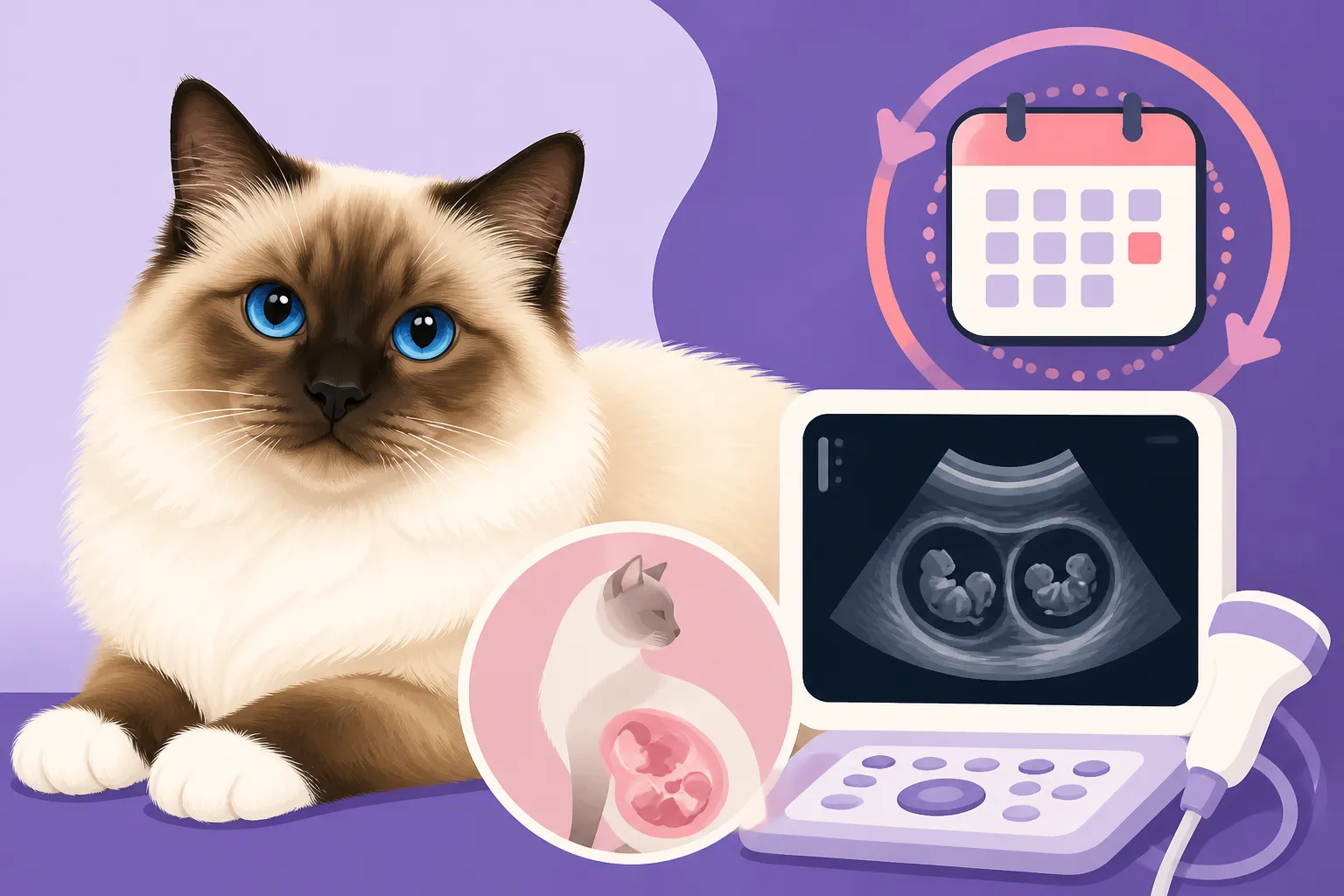
Once a breeding Birman queen is successfully mated, the scanning requirements shift to pregnancy monitoring. Ultrasound is an invaluable tool for this stage. Early pregnancy ultrasounds, typically around 21-25 days post-mating, can confirm pregnancy, assess fetal viability, and even provide an early, albeit rough, estimate of litter size. Seeing those tiny heartbeats on the screen is always a magical moment! Later in pregnancy, around 45-50 days, another ultrasound or X-ray might be used to get a more accurate kitten count, which helps breeders prepare for delivery and identify any potential issues, such as a very large kitten that might necessitate a C-section. Regular monitoring ensures the queen is progressing well and helps alleviate any anxieties about the impending birth.
After the birthing process, post-partum scans can be extremely beneficial, though not always mandatory. A post-partum ultrasound, usually within 24-48 hours after delivery, can confirm that all placentas have been expelled and that the uterus is contracting normally. Retained placentas can lead to serious infections (metritis) and other complications for the queen, which can be life-threatening if not identified and treated promptly. These scans ensure the queen recovers swiftly and can focus on her new family without lingering health concerns. This diligent care throughout the reproductive cycle underscores the immense responsibility of breeding and the continuous need for veterinary oversight.
Factors Influencing a Birman's Scanning Schedule
While general guidelines for breeding Birman health scans exist, it’s important to remember that every cat is an individual, and several factors can influence the exact frequency and type of scanning recommended. A truly responsible breeding program is adaptable, taking into account the unique circumstances of each Birman.
Age and Genetic Line History Considerations
The age of your Birman plays a significant role in its scanning schedule. Younger cats, typically those between one and three years old, are establishing their baseline health. For HCM, this means getting those crucial initial echocardiograms. As cats age, the risk of conditions like HCM can increase, making consistent annual scans even more important, especially for those actively breeding. For a venerable breeding queen or stud past, say, seven or eight years old, your vet might recommend slightly more frequent checks or specific blood work to monitor organ function, particularly kidneys.
Equally important, if not more so, is the genetic line history. If your Birman comes from a line with a known incidence of HCM, even if the immediate parents were clear, a more vigilant scanning schedule might be prudent. This could mean starting scans earlier, repeating them more frequently, or seeking out a cardiologist specializing in breeds with HCM concerns. Conversely, if a Birman's pedigree shows several generations of consistently clear HCM echoes and PKD DNA tests, you might feel a degree of reassurance, but it never negates the need for ongoing screening. Unfortunately, due to What a Narrow Founder Base Left in the Birman post-war, some genetic predispositions can be deeply embedded. Always discuss your cat's specific pedigree with your veterinary cardiologist. The more information you have about their ancestors, the better you can tailor their individual health plan. It’s also important to remember that a Birman's placid nature means that Why a Birman Hides Illness Behind a Placid Temperament is a real factor, so relying solely on observational cues is not enough.
Veterinary Expertise and Breeder Responsibility
The choice of your veterinary team is absolutely paramount in determining and executing an effective scanning schedule. For cardiac screening, engaging a board-certified veterinary cardiologist is non-negotiable. These specialists have the advanced training and equipment to perform and accurately interpret echocardiograms, ensuring the highest level of diagnostic precision. A general practitioner, while skilled, may not have the same depth of experience or specialized equipment to detect subtle changes indicative of early HCM. Similarly, for abdominal ultrasounds, a vet with extensive experience in feline internal medicine or diagnostic imaging will provide the most reliable results for conditions like PKD or reproductive health. Don't hesitate to ask your vet for their qualifications and experience with feline breeding health.
Ultimately, the onus of ensuring regular and appropriate scanning lies with the breeder. This is a core tenet of responsible breeding. It requires meticulous record-keeping of all test results, sharing this information transparently with potential kitten buyers, and making difficult decisions when a cat's health status might impact the future of the breed. This ethical commitment not only safeguards your own cats but also contributes to the overall health and integrity of the Birman breed as a whole. While pet insurance companies like Healthy Paws can offer crucial financial support for unexpected health issues, the upfront responsibility for preventative screening rests squarely on the breeder's shoulders, ensuring the best start in life for every kitten.
The Lifelong Commitment: From Breeding Cat to Beloved Pet
The journey of a Birman from a potential breeding candidate to an actively breeding queen or stud, and then eventually to a cherished, retired pet, is a long one. The commitment to health screening doesn't simply end when a cat is spayed or neutered; it evolves. These diligent efforts throughout their breeding years lay the groundwork for a healthier, longer life, and continue to provide peace of mind even after their breeding days are over.
Continued Monitoring for Retired Breeding Cats
Even after a Birman queen has delivered her last litter or a stud has completed his breeding career, the need for health monitoring, including scans, doesn't vanish. Retired breeding cats transition into full-time beloved pets, and their ongoing health is just as important. While the frequency of intensive screenings might decrease, they still benefit from regular veterinary check-ups and targeted scans as they age. For example, a Birman retired from breeding might shift from annual echocardiograms to scans every two to three years, or as recommended by a cardiologist, particularly if there was any history of equivocal results during their breeding career. How Often a Birman With Clear Papers Still Needs a Vet is a question many owners ask, and the answer is consistently: regularly.
Similarly, as Birmans enter their senior years, which for many starts around What an Ageing Birman Slows Down From seven or eight years old, general health scans like abdominal ultrasounds can become increasingly valuable. These can help monitor the health of internal organs, detecting age-related changes or the early onset of conditions like kidney disease or other systemic issues before they become symptomatic. This proactive approach helps ensure that these deserving cats enjoy a comfortable and healthy retirement, allowing them to continue showering their families with their gentle affection for many more years.
The Impact of Regular Scans on Lifespan and Quality of Life
The diligent adherence to a comprehensive scanning schedule for breeding Birmans has a profound, positive impact on both the lifespan and the overall quality of life for these magnificent cats. Early detection of conditions like HCM or PKD, even in their asymptomatic stages, allows for proactive management strategies, which can significantly slow disease progression and extend a cat's healthy years. For instance, diagnosing early HCM can lead to medication that supports heart function, improving prognosis. This means How Many Years a Birman From Echo Scanned Lines Lives is generally higher than those from unscreened lines, as problems are caught and addressed.
Beyond the individual cat, this rigorous screening commitment by breeders elevates the health of the entire Birman breed. By identifying and removing affected cats from breeding programs, and making informed pairing decisions for carriers, breeders actively work to reduce the incidence of inherited diseases. This protects future generations of Birmans and ensures that families who bring home a kitten from a responsible breeder can do so with greater confidence and peace of mind. Investing in these scans is not just a cost; it's an investment in a longer, healthier, and happier life for these wonderful companions. It reflects a breeder's dedication and why so many responsible breeders are transparent about their screening results. They know that Why a Birman Breeder Publishes Echo Results is a sign of integrity and commitment to the breed. It allows new owners to seek insurance from providers like Healthy Paws with a clearer understanding of their kitten's genetic predispositions, safeguarding against unexpected future health costs.
Birman Breeding Scan Frequency Summary
| Condition | Primary Test | Recommended Frequency for Breeding Birman (Active) | Notes |
|---|---|---|---|
| Hypertrophic Cardiomyopathy (HCM) | Echocardiogram (Echo) | Annually (by certified cardiologist) | Start around 1 year of age. Continues throughout breeding career. Crucial for early detection. |
| Polycystic Kidney Disease (PKD) | DNA Test (PKD1) | Once (before breeding) | Definitive. Essential to know carrier status. |
| Renal Ultrasound | Optional (if DNA unknown/monitoring) | If DNA status unknown, perform at 10-12 months, then every 1-2 years. Useful for monitoring carriers or other kidney issues. | |
| General Reproductive Health | Abdominal Ultrasound | Pre-breeding, during pregnancy, post-partum | Pre-breeding: assess uterine/ovarian/testicular health. Pregnancy: confirm, count, viability. Post-partum: check for retained placenta. |
| General Health Checks | Physical Exam, Blood Work, Urinalysis | Annually (minimum) | Essential baseline health assessment, infection screening. |
Disclaimer
This guide provides general information and recommendations for health screening in breeding Birman cats. It is not a substitute for professional veterinary advice. Always consult with a qualified veterinarian, and ideally a board-certified veterinary cardiologist for cardiac screenings, to create a personalized health and breeding plan for your individual Birman. Genetic diseases and their manifestation can be complex, and expert guidance is crucial for responsible breeding practices.