What an Ageing Birman Slows Down From
It's incredibly tough to watch our beloved Birman companions begin to slow down as they age. They've been a constant source of calm affection, following us quietly from room to room, and suddenly, those graceful movements aren't quite so effortless. This comprehensive guide will walk you through the subtle and not-so-subtle signs of aging in your Birman, helping you understand what changes to expect and how best to support them through their golden years, ensuring their comfort and well-being.
The Gentle March of Time: Understanding Birman Seniority
Just like us, our feline friends experience a natural progression of age, and Birmans are no exception. While they are known for their generally robust health and a respectable lifespan, typically reaching The Twelve to Sixteen Years a Birman Usually Gets, the senior years bring their own set of considerations. It's not about a sudden decline, but a gradual winding down, a gentle easing into a slower pace of life. Recognizing these early shifts can make all the difference in providing proactive care.
When Does a Birman Become a Senior?
The concept of "senior" can feel a bit arbitrary, but for Birmans, we usually start thinking of them as entering their golden years around 7-10 years old. This isn't when they become "old" overnight, but rather when physiological changes start becoming more pronounced, even if they're still playing with their favorite wand toy. It’s a transition phase, similar to humans entering middle age, where energy levels might dip slightly, and recovery from activity takes a little longer.
Many veterinarians consider cats to be senior from 7 to 10 years, and geriatric from 10+ years. This classification helps guide discussions about preventative care and the types of screenings that become more crucial. For a Birman, whose placid temperament often means they don't make a fuss, being vigilant about these age markers is especially important. They are masters at masking discomfort, a trait that makes Why a Birman Hides Illness Behind a Placid Temperament so critical to understand.
During this senior transition, you might notice subtle shifts that accumulate over months, not days. Maybe they sleep a little more, or their once-unblemished white paws show signs of being less meticulously groomed. Their beautiful blue eyes might not sparkle with the same youthful intensity, or they might seem a touch less interested in the boisterous play of a younger kitten. These aren't necessarily signs of illness, but indicators that their bodies are working a little harder, and their needs are evolving.
Early Signs of Slowing Down
The very first signs of an aging Birman slowing down are often incredibly subtle, easily mistaken for just "being a cat." You might notice they're not quite as quick to greet you at the door, or they might prefer a sunny nap spot over an intense play session. They may spend less time exploring vertical spaces, opting for the comfy sofa instead of the top of the cat tree. It's a reduced enthusiasm, a slight softening around the edges of their usual vigor.
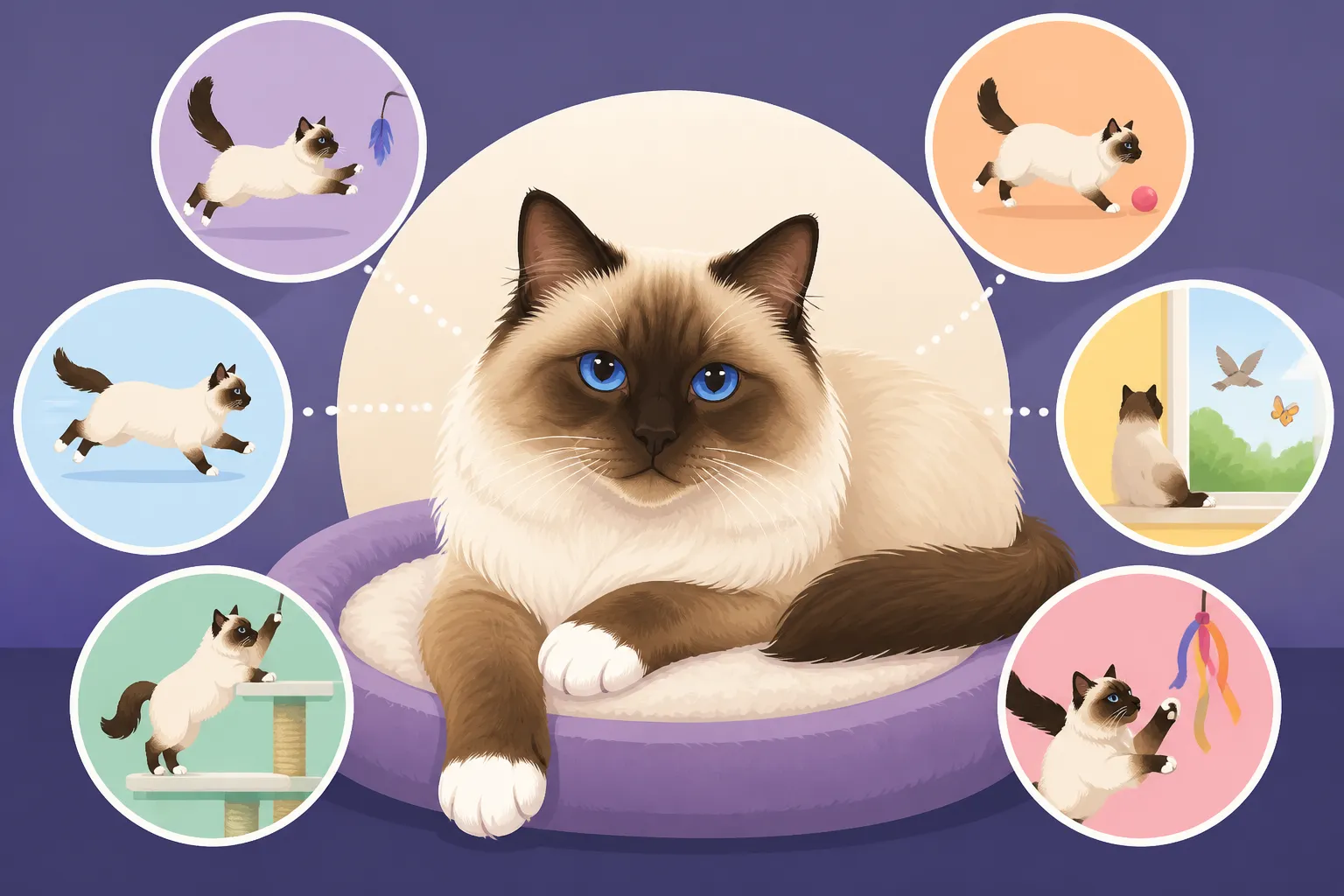
One of the initial changes you might observe is a decrease in their overall activity level. A Birman that used to leap onto counters with ease might now eye them thoughtfully before deciding it's not worth the effort, or perhaps even find a lower alternative. They might still enjoy a short burst of play, but tire more quickly, retreating to a cozy bed for a longer snooze afterward. These shifts in energy are often the What an Old Birman Slows Down From First indicators you’ll notice.
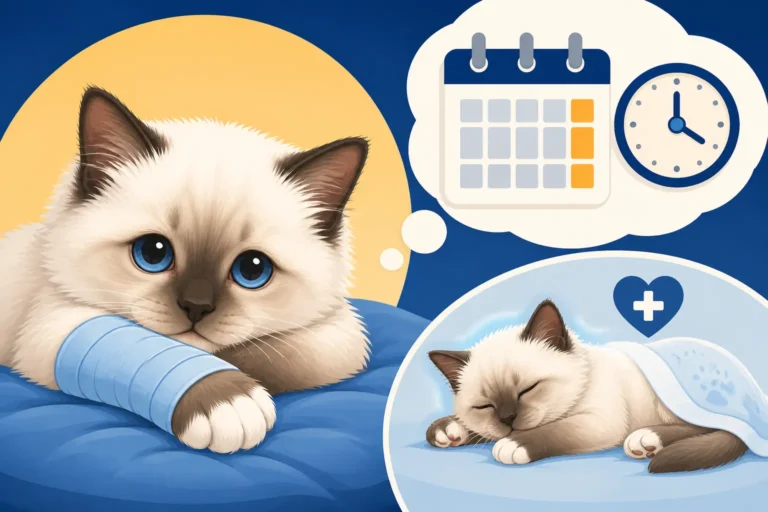
Another telling sign is a change in their sleeping patterns. While Birmans are known for enjoying their naps, an aging Birman might sleep for longer durations or seek out warmer, more secluded spots. They might also shift their sleep schedule, becoming more active at night or during parts of the day when they were previously awake. These small adjustments are their way of conserving energy as their metabolism slows and their bodies require more rest.
Physical Changes and Mobility Challenges
As our Birmans grow older, their bodies undergo physical transformations that can directly impact their mobility and overall comfort. These changes are a natural part of aging, but they often require us to adjust our care routines and home environment to help them navigate their world with greater ease.
Joint Stiffness and Arthritis
One of the most common complaints for aging felines, including our gentle Birmans, is the onset of joint stiffness, often progressing to arthritis. It's not always as obvious as a limping dog; cats are incredibly stoic, and their subtle signs can be missed if you're not looking closely. You might notice they hesitate before jumping, or they take a different, less direct route to get to their favorite high perch. If your Birman used to gracefully bound up stairs and now takes them one careful step at a time, or even starts Why an Old Birman Stops Using the Stairs, it's a strong indicator of joint discomfort.
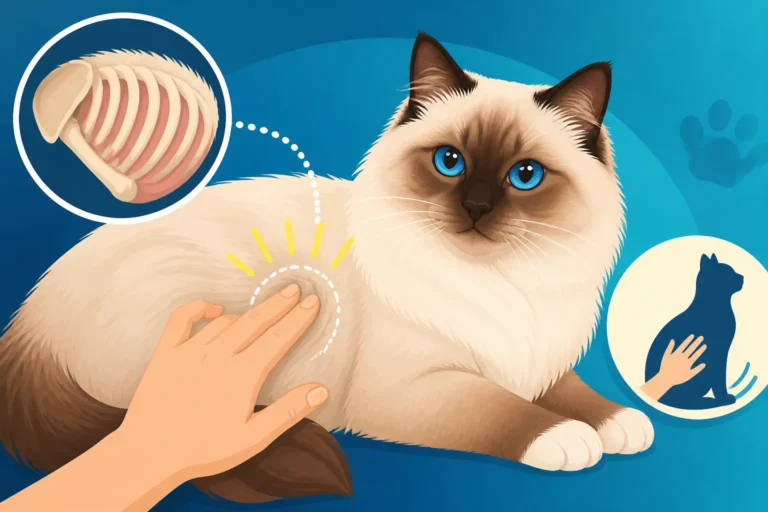
Arthritis, or osteoarthritis, is a degenerative joint disease that causes inflammation and pain in the joints. For a cat like the Birman, known for its agile, yet refined movements, this can mean a significant decrease in quality of life if left unaddressed. They might develop a stiff gait, be less willing to stretch, or even show signs of pain when touched in certain areas. Observing How Arthritis Shows in a Birman That Never Jumped Much is crucial, even if your Birman wasn't a high-jumper in its youth, it can still feel the ache.
Treatments for arthritis often involve a multi-modal approach, including prescription pain relief, joint supplements (like glucosamine and chondroitin), and lifestyle adjustments. Regular, gentle exercise can help maintain joint flexibility, and warm, comfortable beds can soothe aching limbs. Your vet can provide specific recommendations, and exploring pet insurance options like Healthy Paws, which often covers chronic conditions, can help manage the ongoing costs of these treatments.
Muscle Loss and Decreased Agility
Along with joint changes, aging Birmans often experience sarcopenia, which is age-related muscle loss. You might notice their hindquarters appear less muscular, or they might feel lighter despite maintaining a healthy weight. This muscle atrophy contributes to a general decrease in strength and agility, making activities that were once second nature, like jumping and balancing, more challenging.
This reduction in muscle mass means they might not be able to hold a jump as long, or they might wobble slightly when landing. They may also find it harder to get traction on slippery floors, leading to more cautious movements. A Birman that once enjoyed chasing a laser pointer for extended periods might now opt for shorter, less intense play sessions, struggling with quick turns or explosive sprints.
To combat muscle loss, adequate protein in their diet is crucial. Your vet might recommend specific senior cat foods that are formulated to support muscle mass. Additionally, encouraging gentle, consistent activity through interactive toys or short playtimes can help maintain existing muscle tone and prevent further deterioration. Remember, it's about making movement enjoyable and accessible, not forcing strenuous exercise.
Sensory Decline in Older Birmans
Just as our own senses can dim with age, so too can those of our cherished Birmans. While these changes are a natural part of getting older, understanding them helps us create an environment where they can still thrive, feeling secure and loved.
Impaired Vision
Loss of vision is a common concern for older cats, and while Birmans generally have striking blue eyes, their eyesight can still deteriorate. This isn't always a dramatic, sudden blindness, but rather a gradual dimming of their world. You might notice them bumping into furniture, especially if it's been rearranged, or hesitating in dimly lit areas. They may also become more reliant on their whiskers and sense of smell to navigate.
Conditions like cataracts, glaucoma, or retinal degeneration can contribute to vision loss. While some issues can be treated by a veterinary ophthalmologist, many are simply age-related. Creating a consistent environment with minimal changes to furniture layout can significantly help a visually impaired Birman. Keeping their litter boxes, food, and water in predictable locations will also reduce stress.
Your Birman might also become more startled if approached from their blind side, or if you appear suddenly in their peripheral vision. Always speak to them gently as you approach, giving them an auditory cue to know you're there. This helps them feel safe and avoids unnecessary fright, which can be particularly unsettling for an older cat.
Hearing Loss
Hearing loss is another common age-related change that often goes unnoticed until it's quite advanced. Our Birmans are known for their quiet demeanor, so a less responsive cat might just seem "more placid" rather than hearing-impaired. You might call their name, and they won't respond, or they might not react to familiar sounds like the opening of a treat bag (gasp!).
Cats often compensate for hearing loss by becoming more attentive to vibrations or visual cues. If your Birman doesn't stir when the vacuum cleaner starts or doesn't come running when you open the fridge, these could be signs. While complete deafness can occur, it's more often a gradual decline in the ability to hear high-frequency sounds first.
Living with a hearing-impaired Birman means relying more on visual signals and gentle vibrations. A tap on the floor can sometimes get their attention better than a vocal command. As with vision, always approach them from the front to avoid startling them. These adjustments ensure your Birman feels connected and understood, even if the world around them has become a little quieter.
Cognitive Changes and Mental Well-being
Aging doesn't just affect the body; it can also impact the mind. While not every senior Birman will experience significant cognitive decline, it's something to be aware of, as it can profoundly affect their daily life and your relationship with them.
Feline Cognitive Dysfunction Syndrome (FCDS)
Feline Cognitive Dysfunction Syndrome (FCDS), often referred to as "feline dementia," is a neurodegenerative condition similar to Alzheimer's in humans. It can manifest as disorientation, altered social interactions, changes in sleep-wake cycles, and reduced activity. For a Birman, who typically thrives on routine and calm, these changes can be particularly distressing. You might find them staring blankly at walls, forgetting where their food bowl is, or vocalizing more, especially at night.
Recognizing FCDS involves observing a cluster of symptoms over time. Your Birman might seem confused about familiar places, wander aimlessly, or forget learned behaviors. They might also become less interactive, or, conversely, more clingy. These shifts are heartbreaking to witness, but understanding them allows for compassionate care and management.
While there's no cure for FCDS, management strategies can improve quality of life. This includes maintaining a consistent routine, providing easy access to resources, offering cognitive enrichment through gentle play or puzzle toys, and sometimes, prescription medications or supplements recommended by your vet. Regular check-ups with your veterinarian are vital to rule out other medical conditions that might present similarly.
Disorientation and Confusion
One of the most common and challenging aspects of cognitive decline is disorientation and confusion. An aging Birman might seem "lost" in familiar surroundings, stand in a corner for no apparent reason, or forget the way to their litter box. This can be particularly frustrating for both the cat and the owner, especially if accidents start happening outside the box.
This disorientation can lead to increased anxiety and insecurity. Imagine waking up in your own home and not recognizing it fully. That's a glimpse into what an elderly cat experiencing confusion might feel. They might cry out more often, especially at night when their familiar cues are diminished, seeking reassurance and contact.
Creating a safe, predictable environment is paramount. Keep important items like food, water, and litter boxes easily accessible and in consistent locations. Gentle interaction and reassurance can help calm their anxieties. Consider adding nightlights to hallways to help them navigate in the dark. These small considerations can make a huge difference in their sense of security.
Internal Health Concerns to Watch For
Beyond the visible signs of aging, there are several internal health conditions that become more prevalent in older Birmans. Early detection and consistent veterinary care are key to managing these conditions and maintaining your cat's quality of life.
Kidney Disease
Chronic kidney disease (CKD) is unfortunately very common in older cats, and Birmans are not immune. The kidneys play a vital role in filtering waste from the blood, and as they age, their efficiency can decline. Early signs are often subtle and can include increased thirst and urination, weight loss despite a good appetite, and a duller coat. Catching it early can significantly prolong your cat's life and comfort. How Kidney Failure Arrives in a Birman Past Fourteen details the progression.
Your vet will typically monitor kidney function through regular blood and urine tests. They'll look at values like creatinine and BUN, as well as urine specific gravity. If CKD is diagnosed, dietary changes, such as a prescription kidney-friendly diet, are often the first line of defense. These diets are formulated to reduce the workload on the kidneys.
Managing CKD often involves a combination of dietary adjustments, hydration support (sometimes including subcutaneous fluids at home), and medications to control symptoms. While there's no cure, careful management can slow progression and keep your Birman comfortable for many years. Regular vet visits, at least twice a year for senior cats, are essential for monitoring and adjusting treatment plans.
Heart Conditions
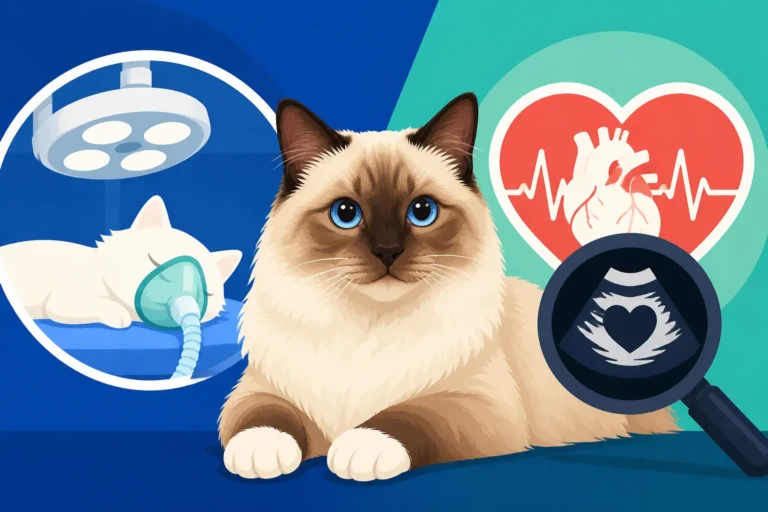
While some heart conditions like HCM are hereditary and can affect Birmans at any age, they can also develop or worsen in senior cats. The Age a Birman Starts Needing Yearly Heart Checks is a critical piece of information for all Birman owners. Signs of heart disease can include lethargy, decreased appetite, difficulty breathing, or coughing, though cats are adept at hiding these until the condition is quite advanced.
Routine veterinary check-ups for senior Birmans should always include listening to their heart. If a murmur is detected, further diagnostics like an echocardiogram might be recommended. Early diagnosis allows for interventions that can improve heart function and extend life.
Treatment for heart conditions can vary but often involves medications to manage symptoms and support heart function. Regular monitoring by your vet is crucial to ensure the medications are working effectively and to adjust dosages as needed. Just like with kidney disease, the proactive approach is best.
Dental Disease
Dental disease is incredibly prevalent in older cats and can have far-reaching effects on their overall health. Plaque and tartar buildup can lead to gingivitis, periodontal disease, and painful tooth loss. An aging Birman might stop eating certain foods, drop kibble, or show signs of pain when touching their mouth. Why a Birman That Drops Food Has a Mouth Problem highlights a common symptom.
The bacteria from dental infections can also spread to other organs, including the heart and kidneys, complicating existing conditions or leading to new ones. This is why good dental hygiene throughout your Birman's life is so important.
Regular dental check-ups, professional cleanings under anesthesia, and at-home dental care (if your Birman tolerates it) are essential. Your vet can assess the severity of dental disease and recommend the best course of action. Addressing painful teeth can significantly improve an older Birman's comfort and willingness to eat, contributing greatly to their overall well-being.
Behavioral Shifts in Senior Birmans
Beyond the physical and internal changes, you might also notice shifts in your Birman's personality and daily routines. These behavioral changes can be subtle or dramatic, and they often provide important clues about their comfort levels and evolving needs.
Changes in Grooming Habits
Our fastidious Birmans are usually impeccable groomers, meticulously keeping their silky coats clean. As they age, however, you might notice a decline in their self-grooming habits. Reaching certain areas, especially their back or tail, can become difficult due to arthritis or muscle stiffness. This can lead to a duller coat, matting, or even skin issues if they're not able to properly clean themselves. When What an Old Birman Needs Once Its Ruff Starts Matting becomes a concern, it signals a need for more assistance.
Conversely, some older Birmans might actually over-groom certain areas, often a sign of anxiety, pain, or an underlying medical condition like hyperthyroidism. You might see thinning hair or skin irritation in these spots. Observing where and how they groom can offer clues.
It's up to us to step in and help. Regular, gentle grooming sessions become even more crucial, not just for their coat health but also as a bonding activity. A soft brush or a fine-toothed comb can help keep their fur free of mats and distribute natural oils, making them feel more comfortable and loved.
Altered Social Interactions
An aging Birman might also change the way they interact with you, other pets, or even strangers. They might become less tolerant of boisterous play from younger animals, preferring quiet solitude. Some Birmans become more withdrawn, spending more time in secluded spots, while others might become more clingy, seeking constant reassurance from their favorite human. What a Birman Stops Doing Once It Passes Ten often includes a reduction in active seeking of attention.
These shifts can be puzzling, but they're often a direct result of physical discomfort, sensory decline, or cognitive changes. A cat in pain might not want to be petted in certain areas, or one with impaired hearing might seem aloof. It's not a rejection of your affection, but a communication of their current state.
Respecting their boundaries and providing a calm, predictable environment is key. If they prefer solitude, ensure they have a safe, quiet space. If they become clingier, offer gentle attention and reassurance. These adjustments show them that you understand and are there to support them through their changing needs.
Changes in Appetite and Thirst
While some aging Birmans maintain a robust appetite, many experience changes as they get older. This could be a decrease in appetite, possibly due to dental pain, reduced sense of smell, or underlying health issues like kidney disease or hyperthyroidism. Conversely, an increase in appetite coupled with weight loss could signal hyperthyroidism, a common condition in older cats where Why a Thin, Hungry Old Birman Needs a Thyroid Test is a vital piece of advice.
Changes in thirst are also important to monitor. Increased drinking and urination are classic signs of kidney disease or diabetes. Decreased drinking could lead to dehydration, especially if they're also eating less wet food.
Monitoring your Birman's food and water intake daily is a simple yet effective way to catch potential health issues early. Any significant changes warrant a vet visit. Your vet can recommend dietary adjustments, such as highly palatable senior foods or adding wet food to increase hydration, to ensure they're getting adequate nutrition and staying hydrated.
Supporting Your Aging Birman: Practical Care Tips
Watching your Birman age is a journey that requires patience, observation, and a willingness to adapt. The good news is that with thoughtful care, we can significantly enhance their comfort and quality of life in their senior years.
Regular Veterinary Check-ups and Preventative Care
The single most important thing you can do for your aging Birman is to ensure they receive regular veterinary check-ups. For senior cats, this typically means a visit every six months, rather than annually. These frequent visits allow your vet to catch subtle changes early, before they become serious problems. They'll perform thorough physical exams, listen to their heart, check their teeth, and discuss any behavioral or physical changes you've noticed.
During these visits, your vet will likely recommend routine blood work and urinalysis. These tests provide invaluable insights into internal organ function, particularly the kidneys, liver, and thyroid. Early detection of conditions like kidney disease or hyperthyroidism means that interventions can begin sooner, often slowing progression and improving your Birman's prognosis. For financial peace of mind with these increased vet visits and potential treatments, considering pet insurance like Healthy Paws can be a smart move, as it helps cover unexpected illness and accident costs.
Preventative care also includes maintaining up-to-date vaccinations (tailored to their lifestyle), regular parasite control, and ongoing dental hygiene. Discuss with your vet the most appropriate schedule for these preventative measures, as some might be adjusted for senior cats based on their health status and risk factors.
Modifying the Home Environment
Making small adjustments to your home can make a huge difference in your aging Birman's daily comfort and accessibility. Think about how their declining mobility, vision, or cognition might impact their ability to navigate familiar spaces.
Consider ramps or steps to help them reach favorite elevated spots like the sofa or your bed without straining their joints. Ensure their litter box has low sides for easy entry and exit, and place multiple boxes in easily accessible locations, especially if they're experiencing incontinence or cognitive disorientation. Warm, orthopedic beds can provide comfort for aching joints. Caring for a Birman Once Its Points Have Gone Dark often involves more indoor comfort considerations as they spend more time relaxing.
Ensure food and water bowls are also easily accessible and perhaps slightly elevated if they struggle to bend down. Non-slip rugs on hard floors can provide better traction, reducing the risk of falls. For Birmans with vision or cognitive impairment, avoid rearranging furniture frequently to maintain a predictable environment. Nightlights can also aid navigation in the dark.
Nutritional Adjustments for Seniors
As Birmans age, their nutritional needs change. Their metabolism slows, they might have less muscle mass, and they may be managing chronic health conditions. Discussing your Birman's diet with your vet is crucial to ensure they are getting the right balance of nutrients.
Many senior cat foods are formulated with lower calorie counts to prevent weight gain, higher quality protein to support muscle mass, and added joint supplements. Increased moisture content from wet food is often recommended, especially for Birmans prone to kidney issues, as it supports hydration.
| Senior Birman Health Concern | Potential Dietary Adjustment | Why it Helps |
|---|---|---|
| Kidney Disease | Prescription renal diet | Lower protein, phosphorus, sodium; higher Omega-3 fatty acids to reduce kidney workload and inflammation. |
| Arthritis/Joint Pain | Joint support supplements (e.g., glucosamine, chondroitin, Omega-3s) | Reduces inflammation, supports cartilage health. |
| Weight Management | Lower calorie, higher fiber diet | Prevents obesity, maintains healthy weight, which reduces joint strain. |
| Cognitive Decline | Antioxidants, Omega-3s | Supports brain health, reduces oxidative stress. |
| Dental Disease | Softer foods, dental-specific kibble | Easier to chew, reduces pain; specific kibble can help clean teeth. |
| Dehydration Risk | Increased wet food intake | Boosts overall hydration. |
Your vet may also recommend specific supplements, such as Omega-3 fatty acids for joint and skin health, or antioxidants for cognitive support. Always introduce new foods or supplements gradually and under veterinary guidance to avoid upsetting their sensitive digestive systems.
Maintaining Mental and Emotional Well-being
An aging Birman still needs mental stimulation and emotional connection, albeit perhaps in gentler forms. Continue to engage them with soft, interactive toys, puzzle feeders designed for slower thinkers, or simply gentle petting sessions. How Little Play a Birman Needs to Stay Content is something you learn as they age.
Spending quiet time with your Birman, whether it's gentle grooming, a warm lap snuggle, or simply being in the same room, reinforces your bond and provides comfort. Their emotional needs for security and affection don't diminish with age, and in some cases, they may even increase as they become more vulnerable.
If your Birman is showing signs of anxiety or confusion, pheromone diffusers or calming supplements might be beneficial, after discussion with your vet. Ensuring they feel safe, loved, and understood is the cornerstone of supporting their emotional well-being as they gracefully enter their senior years.
Disclaimer
This guide offers general information about aging in Birman cats and is not a substitute for professional veterinary advice. Always consult with a qualified veterinarian regarding your specific pet's health concerns, diagnosis, and treatment options.