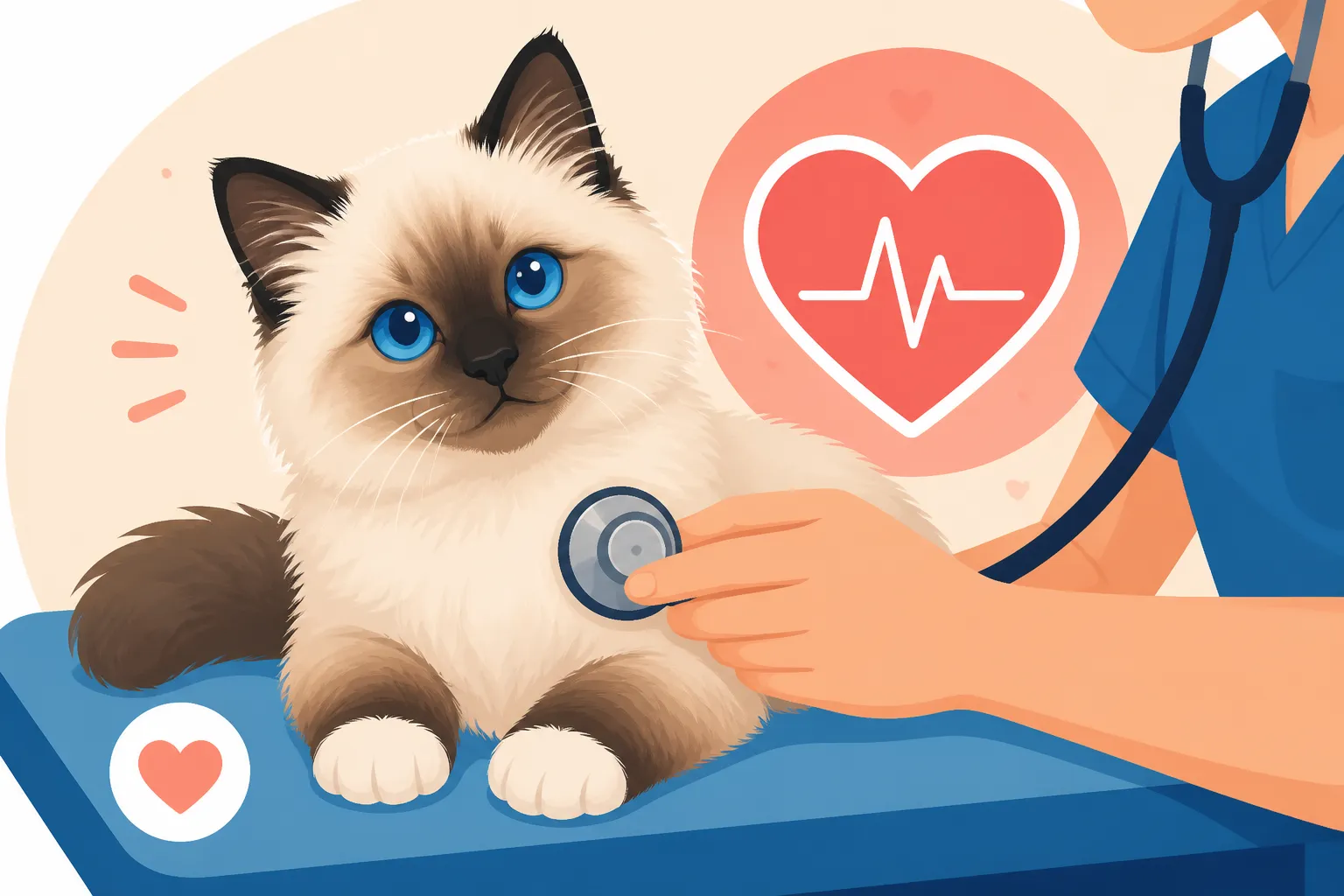
Why a Birman Kitten’s First Exam Includes Its Heart
Bringing home a tiny Birman kitten is an absolute joy, a fluffy bundle of pure potential and sweetness. But amidst all the excitement of kitten-proofing your home and picking out the cutest toys, there's often a nagging worry about their health, especially when that first vet visit looms. It’s easy to think a kitten's initial check-up is just for shots and a quick once-over, but for our beloved Birmans, it’s so much more – particularly when it comes to their precious little hearts.
The Importance of Early Heart Screening in Birman Kittens
It can feel a bit overwhelming, can't it? You’ve just welcomed this perfect creature into your life, and already you're hearing about potential health concerns. But understanding why a thorough heart check is so crucial at your Birman kitten's very first vet appointment is key to setting them up for a long, healthy life. It’s not about finding problems; it’s about proactive care and peace of mind.
Understanding Hypertrophic Cardiomyopathy HCM in Birmans
When we talk about heart issues in Birmans, the elephant in the room is often Hypertrophic Cardiomyopathy, or HCM. This is a condition where the muscular walls of the heart, particularly the left ventricle, become abnormally thick. This thickening makes it harder for the heart to pump blood effectively, reducing its overall function. It's a progressive disease, meaning it tends to worsen over time, and tragically, it's one of the most common heart diseases in cats, with certain breeds, like our Birmans, showing a higher predisposition.
The frustrating part about HCM is that it can be incredibly silent in its early stages. A kitten might seem perfectly normal, full of playful energy, and completely oblivious to the changes happening within its heart. You might not see any outward signs of illness until the disease has progressed significantly, which can be heartbreakingly late. This is why early screening isn't just recommended; it's absolutely vital for breeds like the Birman. While there isn't a specific DNA test for HCM in Birmans, unlike some other genetic conditions, the predisposition is well-documented, making diligent screening paramount.
Why a Kitten's First Exam Isn't Just for Vaccines
Your kitten's first vet visit, usually around 8-12 weeks old, is a whirlwind of new experiences for them – and for you! Typically, this visit focuses on crucial vaccinations to protect against common feline diseases, a deworming treatment, and a general health assessment. The vet will check their eyes, ears, teeth, coat, and overall body condition, making sure they're developing properly. They’ll also discuss nutrition, litter box habits, and introduce you to the wonderful world of preventative care.
However, for a Birman kitten, this initial exam takes on an added layer of significance. Beyond the standard checks, a skilled veterinarian will dedicate extra attention to listening to their heart. It’s not just a cursory listen; it’s a focused attempt to detect any subtle signs that might indicate an underlying cardiac issue, even before it becomes obvious. This deep dive into their cardiovascular health sets Birmans apart from many other domestic short-haired cats during their initial check-ups. It's a testament to how seriously responsible breeders and vets take the potential for inherited heart conditions within the breed.
What a Vet Looks For During a Kitten Heart Exam
The sounds a tiny heart makes can tell a trained ear so much. When your Birman kitten is on the examination table, purring (or maybe a little nervous!), your vet isn't just listening for a simple thump-thump. They are listening for rhythm, rate, and any unusual sounds that might hint at trouble.
Auscultation and What a Murmur Means
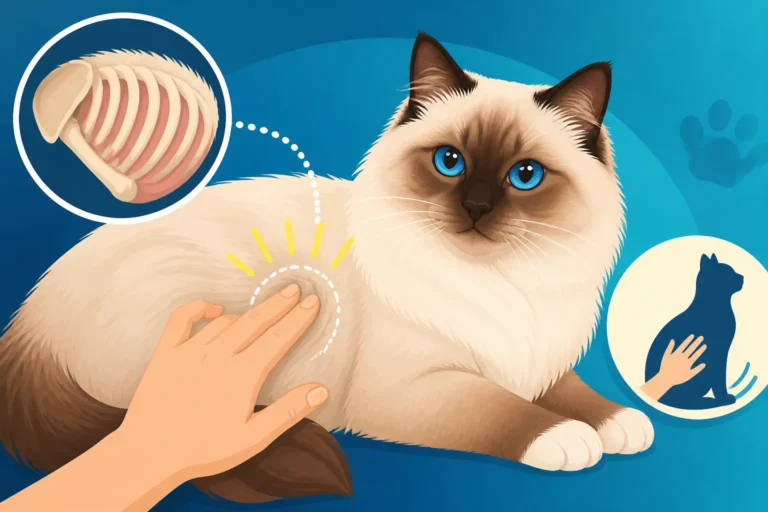
The first and most fundamental step in assessing your kitten’s heart health is auscultation, which simply means listening with a stethoscope. Your vet will listen to different areas of your kitten's chest, trying to catch every nuance of their heartbeat. They’re listening for a strong, steady rhythm and a clear, distinct sound. Sometimes, however, they might detect something extra: a heart murmur.
A heart murmur is essentially an abnormal whooshing sound heard in addition to the regular lub-dub of the heartbeat. It's caused by turbulent blood flow within the heart or major blood vessels. Now, hearing that your precious kitten has a murmur can send a shiver down any pet parent's spine. It's important to understand that not all murmurs are cause for alarm. Kittens can sometimes have what are called "innocent" or "physiological" murmurs, which are typically soft, disappear as they grow, and don't indicate an underlying heart problem. However, a persistent or louder murmur is a definite red flag that warrants further investigation. It indicates that something might be interfering with the smooth flow of blood, and given the Birman's genetic background, HCM is always a consideration. This is why a murmur in a Birman sends you straight to an echo.
Beyond the Stethoscope The Next Steps if a Problem is Suspected
If your vet detects a murmur during your Birman kitten's first exam, or if there are any other concerning signs, they will typically recommend further diagnostics. While a physical exam and stethoscope are great screening tools, they can’t definitively diagnose HCM. The gold standard for diagnosing HCM in cats, and truly understanding the structure and function of the heart, is an echocardiogram.
An echocardiogram is essentially an ultrasound of the heart. It’s non-invasive and allows a veterinary cardiologist to visualize the heart in real-time. They can measure the thickness of the heart muscle walls, assess the size of the heart chambers, observe how the valves are functioning, and evaluate blood flow. This detailed imagery provides the crucial information needed to confirm or rule out HCM. If HCM is diagnosed, the cardiologist can then stage the disease and recommend appropriate management strategies, which might include medications to help the heart function more efficiently or prevent complications. Early detection through this method means that even if a thickening is found, you have the best chance to manage it and improve your Birman's quality of life. Knowing how often a breeding Birman needs scanning means pet owners understand the level of commitment that goes into ensuring a healthy lineage.
Breeder Responsibility and Owner Diligence
Bringing a Birman into your home is a significant commitment, and part of that commitment involves understanding the breed's health history and ensuring you're working with responsible individuals who prioritize the well-being of their cats. This is where the partnership between ethical breeders, knowledgeable veterinarians, and diligent owners truly shines.
The Role of Responsible Birman Breeders in Heart Health
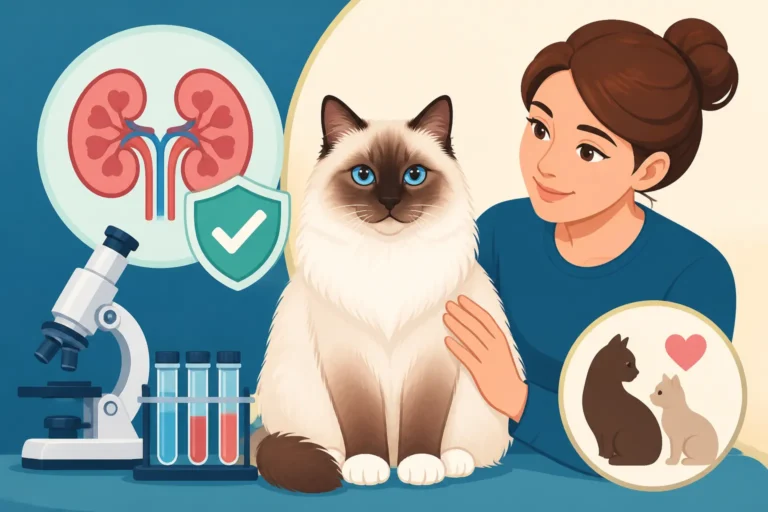
Reputable Birman breeders are the frontline defense against inherited health conditions like HCM. They understand the breed's predispositions and take proactive steps to minimize the risk in their lines. This means that both parent cats of your kitten should have undergone regular health screenings, including echocardiograms, before being bred. While a definitive DNA test for Birman HCM isn’t available, breeders rely on regular echo screenings performed by board-certified veterinary cardiologists to monitor the heart health of their breeding stock.
A responsible breeder won't hesitate to share these health records with you. They should be transparent about their cats' health history and any conditions found in their lines. They understand that publishing echo results from their breeding cats provides invaluable assurance to prospective owners. This commitment to testing significantly reduces the likelihood of kittens inheriting serious heart conditions, demonstrating a deep care for the welfare of the breed. When you choose a kitten from such a breeder, you're inheriting a legacy of careful health management. Many dedicated breeders also suggest considering pet insurance from providers like Healthy Paws, which can help cover unexpected diagnostic and treatment costs related to inherited conditions.
Why Early Detection Matters for Your Birman's Lifespan
The impact of early detection of heart conditions in Birman kittens cannot be overstated. While an HCM diagnosis is serious, it's not necessarily a death sentence, especially when caught early. If a heart condition is identified during that initial kitten exam or subsequent diagnostic tests, your veterinary team can begin a management plan much sooner. This often involves medication to slow the progression of the disease, improve heart function, and reduce the risk of secondary complications like blood clots.
Early intervention can significantly improve your Birman's quality of life and, in many cases, extend their lifespan. Without early detection, the disease can progress silently until your cat experiences severe symptoms, such as difficulty breathing, lethargy, or even sudden collapse, at which point treatment options may be more limited and prognosis poorer. Imagine having years more with your beloved companion, simply because a thorough heart check was performed when they were just a tiny kitten. This proactive approach ensures that your Birman has the best possible chance to live a long and comfortable life, much like the average twelve to sixteen years a Birman usually gets. Having a robust pet insurance plan, such as one from Healthy Paws, in place from kittenhood can also ease the financial burden of managing a long-term condition, allowing you to focus on your cat's health without added stress.
Here’s a quick overview of what your vet might check during your Birman kitten's first exam, especially regarding their heart health:
| Exam Component | General Kitten Exam Focus | Birman Heart-Specific Focus | Potential Findings & Next Steps |
|---|---|---|---|
| Physical Exam | Overall health, weight, coat, eyes, ears, teeth | Assess general vigor, body condition (HCM can lead to poor growth) | Lethargy, poor weight gain -> further investigation |
| Auscultation | Listen to lung sounds, general heart rhythm | Intensive listening for murmurs, gallop rhythms, arrhythmias | Murmur detected -> Recommendation for echocardiogram |
| Palpation | Check lymph nodes, abdomen | Feel for vibrations (thrills) on chest, femoral pulses | Weak/asynchronous pulses -> Cardiology consult |
| Vaccinations | Core kitten vaccines (FVRCP, Rabies) | Administer if heart health is clear or stable | May delay if significant cardiac issues found |
| Deworming | Treat common parasites | Administer as routine care | – |
| Discussion | Nutrition, litter, socialization | Emphasize genetic predisposition, importance of monitoring, breeder history | Advice on long-term cardiac care if applicable |
Maintaining Vigilance Throughout Your Birman's Life
The first vet visit is just the beginning of a lifelong commitment to your Birman's health. While early screening is crucial, heart health monitoring doesn't stop once they’ve left kittenhood. For a Birman, ongoing vigilance is key, especially as they mature.
Regular Check-ups and Monitoring for Subtle Changes
Even if your Birman kitten gets a clean bill of heart health, regular veterinary check-ups throughout their life remain essential. These annual or biannual visits aren't just for booster shots; they're opportunities for your vet to perform another thorough physical exam, including auscultation of the heart. Over time, your vet will get to know your cat’s baseline, making them more attuned to any subtle changes that might arise. A previously clear heart can develop issues later in life, and conditions like HCM can progress slowly.
As Birmans age, their bodies, like ours, undergo natural changes. Sometimes, these changes can mask the early signs of heart disease. It's often difficult for owners to spot these subtle shifts, which is why your vet's experienced eye and ear are invaluable. For instance, a Birman that stops jumping as high or seems a bit more tired might just be getting older, or it could be a sign of underlying cardiac strain. A vet will ask about changes in activity level, breathing patterns, or appetite – all of which could be indicators of a developing heart issue. This routine monitoring is especially critical for a breed known for its placid temperament, as why a Birman hides illness behind a placid temperament makes it hard for owners to notice discomfort.
Lifestyle Choices That Support Heart Health
While genetics play a significant role in conditions like HCM, lifestyle choices can certainly support overall heart health and well-being for your Birman. Providing a balanced, high-quality diet that meets their nutritional needs is paramount. Ensure they maintain a healthy weight, as obesity can place extra strain on the heart and other organs. Regular, gentle play, tailored to their energy levels, also contributes to a healthy cardiovascular system without overexertion. Birmans generally have a moderate activity level, so interactive toys and short play sessions can be very beneficial.
Additionally, ensuring a calm, stable home environment can reduce stress, which is beneficial for overall health, including cardiac function. Minimize sudden changes or loud noises that might startle them. Providing plenty of fresh water encourages hydration, which is vital for kidney function and overall circulation. By working closely with your vet and making informed lifestyle choices, you’re doing everything you can to give your Birman the best chance at a long, happy life, mitigating risks wherever possible. It’s also wise to consider a comprehensive pet insurance policy, like those offered by Healthy Paws, early on. This way, if any unexpected health issues, including heart conditions, arise later, you're financially prepared to provide the best possible care.
Final Thoughts on Your Birman's Heart Journey
The journey of caring for a Birman, from a tiny kitten to a cherished senior, is filled with love, companionship, and a commitment to their well-being. Understanding the importance of that first heart check, recognizing the signs of potential issues, and partnering with dedicated veterinarians and responsible breeders are all crucial steps in ensuring your beautiful Birman lives the fullest, healthiest life possible. It might seem like a lot to take in, but every proactive step you take contributes to the long-term health and happiness of your beloved feline friend.
Disclaimer
This article is for general informational purposes only and does not constitute professional advice. Laws, prices and regulations vary by location and change over time. Consult a qualified professional for guidance on your specific situation.