Why a Birman That Drops Food Has a Mouth Problem
It's truly heartbreaking to watch your beloved Birman, usually so gentle and refined, struggle with something as fundamental as eating. If you've noticed your Birman dropping food, chewing unusually, or even showing reluctance to approach their bowl, it's a clear signal that something isn't right in their mouth. This comprehensive guide will walk you through the common dental and oral health issues that can cause these distressing symptoms in your Birman, helping you understand what might be happening and how to best support your feline friend.
The Silent Struggle of Oral Pain in Birmans
Anyone who shares their life with a Birman knows they are magnificent, sweet-natured companions. They are famously placid, often described as "gentle giants" or "lap warmers" rather than demanding chatterboxes. This wonderful temperament, however, can sometimes be a double-edged sword, especially when it comes to detecting illness or discomfort. Birmans, like many cats, are masters at hiding pain, an evolutionary trait designed to conceal weakness from predators in the wild. This means that by the time you notice your Birman dropping food, the underlying issue might be quite advanced, causing significant discomfort.
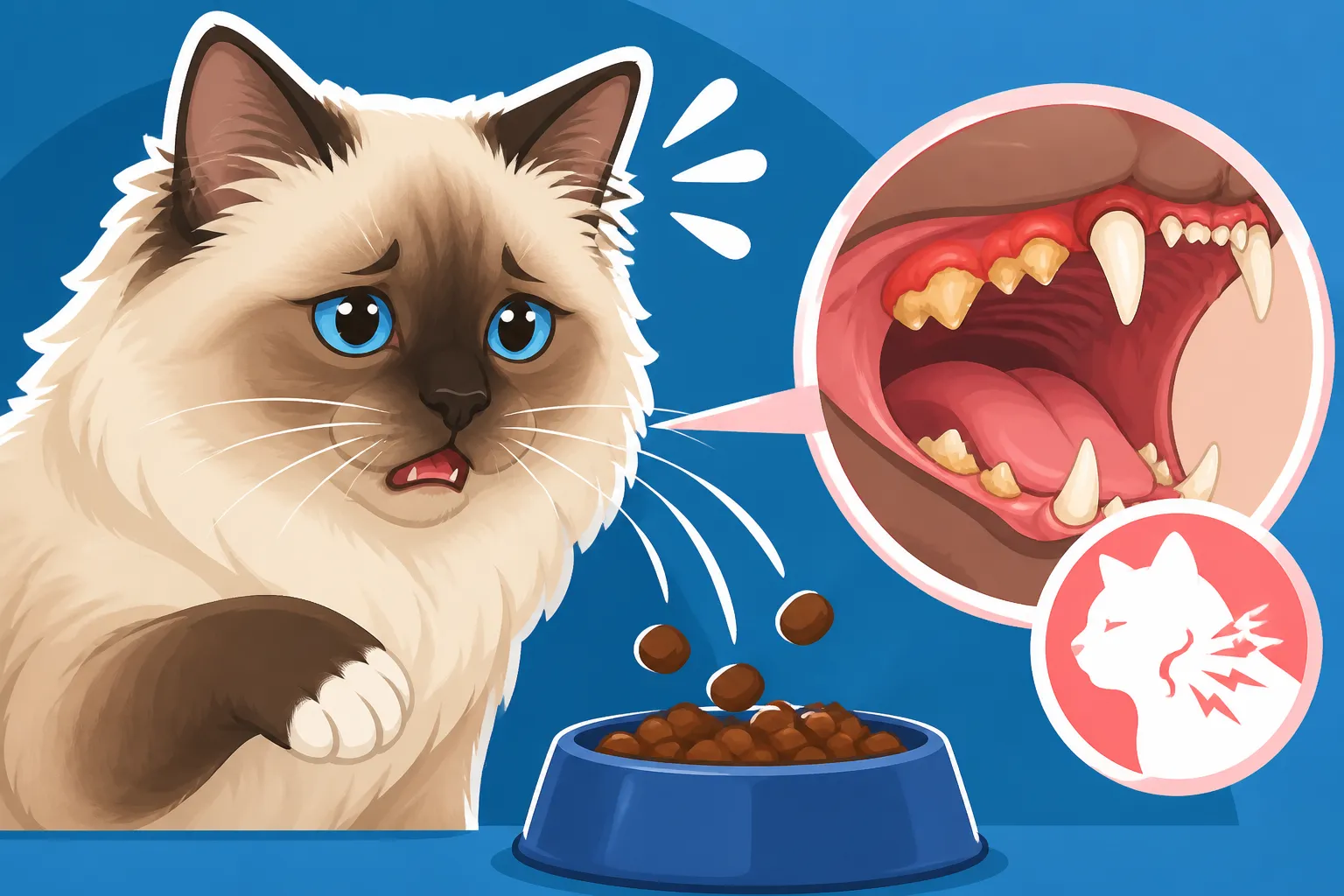
A Birman that starts dropping food isn't just being a picky eater; they're communicating a problem in the clearest way they know how. It’s not just messy; it’s a symptom of a deeper discomfort that needs your immediate attention. Their naturally quiet demeanor means they rarely vocalize pain, unlike some more expressive breeds. Instead, subtle behavioral changes, like changes in eating habits, become critical clues. You might notice they approach the food bowl hesitantly, chew only on one side of their mouth, or simply let pieces of kibble or wet food fall out without finishing them. Sometimes, they might even bat at their mouth with a paw, indicating irritation. It's a stark reminder of Why a Quiet Birman Is Easy to Misread – what might seem like a minor behavioral quirk is often a significant cry for help.
Why Dental Health is a Big Deal for Your Birman
Many people don't realize that dental disease is one of the most common health problems in cats, affecting a vast majority by the time they're three years old. For Birmans, with their refined bone structure and often narrower jaws, certain dental issues can be even more prevalent or progress more rapidly. Their teeth, much like ours, are susceptible to plaque and tartar buildup, leading to gingivitis and, if left untreated, periodontal disease.
Imagine trying to enjoy your favorite meal with a throbbing toothache or inflamed gums. That's essentially what your Birman could be experiencing. The pain and discomfort from dental issues can range from a dull ache to sharp, excruciating pain with every bite, making eating a miserable chore. Over time, untreated dental problems can lead to tooth loss, jaw bone degradation, and even systemic infections as bacteria from the mouth enter the bloodstream and affect other organs like the heart and kidneys. This is why paying close attention to their oral hygiene from a young age is so vital. It’s more than just fresh breath; it’s about their overall health and well-being throughout their The Twelve to Sixteen Years a Birman Usually Gets.
Anatomy of a Birman's Mouth and Unique Challenges
The Birman's head is characterized by a strong chin and a Roman nose in profile, but internally, their dental arcade can present specific challenges. Their jaw structure, while elegant, can sometimes lead to teeth being crowded or misaligned. This crowding creates more nooks and crannies where food particles and bacteria can accumulate, making it harder for their natural chewing action to clean the teeth, and harder for you to clean them too.
Furthermore, the delicate nature of their gums can be prone to inflammation. Why a Birman's Narrow Jaw Needs a Scale and Polish highlights this perfectly. It’s not just about space; it's about the precision required to clean those tiny, sharp teeth effectively without causing discomfort. The roots of their teeth are also quite long, making advanced periodontal disease particularly damaging when it compromises bone support. Understanding these anatomical nuances helps us appreciate why proactive dental care is not just a recommendation but a necessity for this breed.
Common Culprits: Dental and Oral Conditions Causing Food Dropping
When your Birman starts dropping food, it's a strong indicator that one of several oral health issues might be at play. These issues range from relatively common, like gingivitis, to more serious conditions that require urgent veterinary intervention. It's crucial to understand these possibilities so you can discuss them knowledgeably with your vet.
Gingivitis and Periodontal Disease
This is, by far, the most common cause of oral pain in cats. Gingivitis is the inflammation of the gums, often appearing as redness along the gum line, especially where it meets the tooth. It's caused by the buildup of plaque—a sticky film of bacteria and food particles—that hardens into tartar. While gingivitis is reversible with professional cleaning and good home care, if left untreated, it progresses to periodontal disease.
Periodontal disease is a much more serious condition. It involves not just inflammation but also infection and destruction of the tissues supporting the teeth, including the gums, periodontal ligament, and even the bone surrounding the tooth roots. As this disease advances, pockets form between the gums and teeth, collecting more bacteria and pus, leading to severe pain. The teeth become loose, and chewing becomes incredibly painful, leading your Birman to drop food as they try to avoid the agony of biting down. How Dental Disease Progresses in a Birman can give you a deeper insight into this progression.
Feline Odontoclastic Resorptive Lesions FORL
This condition is sometimes referred to as "cavities" in cats, though it's quite different from human cavities. FORLs are painful lesions that erode the tooth structure, often starting at the gum line. They can affect any tooth and are notoriously difficult to spot without a thorough veterinary examination, often requiring dental X-rays because the damage can occur beneath the gum line.
When a tooth is affected by a FORL, its sensitive dentin or even the pulp becomes exposed, leading to extreme pain when the tooth is touched or exposed to temperature changes from food or water. Imagine biting into something cold with a severely sensitive tooth – that's the kind of intense discomfort a Birman with FORLs experiences. This pain is a primary reason for dropping food, as the cat tries to avoid contact with the affected tooth. Unfortunately, FORLs are progressive and often require extraction of the affected tooth to relieve pain.
Fractured or Broken Teeth
Cats, even indoor ones, can fracture or break their teeth. This can happen from chewing on hard objects, falling, or even an accidental trauma. The canine teeth (fangs) and the large premolars in the back of the mouth are particularly susceptible. A fractured tooth, especially if the pulp cavity (where the nerves and blood vessels are) is exposed, is incredibly painful and a direct pathway for bacteria into the tooth and jawbone.
If your Birman has a fractured tooth, they will undoubtedly try to avoid using that side of their mouth, leading to unusual chewing patterns and, you guessed it, dropping food. They might tilt their head while eating or refuse to eat hard kibble altogether. Visible signs can include a missing piece of tooth, a dark spot (exposed pulp), or swelling around the jaw.
Oral Growths or Tumors
While less common than dental disease, oral masses, benign or malignant, can also cause difficulty eating and food dropping. These growths can appear on the gums, tongue, or anywhere in the mouth. They can interfere with the mechanical process of chewing, cause pain if they are irritated or ulcerated, or simply take up space, making it awkward to manipulate food.
Early detection of oral tumors is vital for the best prognosis. Any unusual lump, bump, or discoloration in your Birman's mouth should be promptly examined by a vet. This is another reason why regular vet check-ups are so important – even if your Birman seems outwardly fine, a quick peek inside their mouth can reveal early warning signs.
Signs and Solutions: When to Act and What to Expect at the Vet
Noticing your Birman dropping food is the first, crucial step. The next is understanding what other signs to look for and, most importantly, getting professional help. Delaying a veterinary visit can lead to more advanced disease, greater pain for your cat, and more complex (and costly) treatment down the line.
Other Warning Signs to Watch For
While dropping food is a strong indicator, it's rarely the only one. Keep an eye out for these additional symptoms that point to oral discomfort:
- Bad Breath (Halitosis): This is often the first sign of dental disease. Cat breath isn't supposed to be minty fresh, but it shouldn't be foul.
- Reluctance to Eat or Anorexia: Your Birman might show interest in food but then shy away, or stop eating altogether. This is particularly worrying for Birmans, as their calm nature can sometimes mask significant distress.
- Favoring One Side of the Mouth: You might observe your cat chewing predominantly on one side.
- Pawing at the Mouth or Face Rubbing: Repeatedly touching their face or rubbing it against furniture can indicate irritation.
- Drooling (Ptyalism): Excessive drooling, sometimes with blood, is a sign of severe oral discomfort.
- Weight Loss: If eating is painful, your Birman will eat less, leading to weight loss. This is why Why a Birman's Weight Should Be Recorded Every Visit is so important.
- Changes in Behavior: A previously affectionate Birman might become withdrawn or irritable if in constant pain.
- Bleeding Gums: Visible blood in their food or water bowl.
What Happens at the Vet's Office
When you bring your Birman to the vet with concerns about food dropping, expect a thorough examination. The vet will first perform a general physical exam to rule out other systemic issues. Then, a careful oral examination will be conducted. This often starts with a visual inspection of the teeth, gums, tongue, and roof of the mouth. They'll look for redness, swelling, tartar buildup, missing teeth, or any visible lesions.
However, a conscious oral exam in a cat is often limited, as they don't appreciate having their mouths pried open, especially if they're in pain. To get a complete picture, a definitive dental examination often requires sedation or general anesthesia. This allows the vet to:
- Probe the Gums: To measure the depth of periodontal pockets around each tooth.
- Perform Dental X-rays: This is critical for diagnosing problems beneath the gum line, such as FORLs, bone loss, or abscesses, which are invisible to the naked eye.
- Chart Dental Findings: A detailed record of each tooth's condition.
Based on these findings, your vet will recommend a treatment plan, which almost always involves a professional dental cleaning (scaling and polishing) under anesthesia. Severely diseased teeth may need extraction, and if any masses are found, biopsies will be taken. After treatment, your vet will discuss post-operative care and strategies for maintaining good oral hygiene at home. Many owners find peace of mind with pet insurance like Healthy Paws, knowing that unexpected dental procedures can be costly.
Here's a quick overview of common oral problems and their key indicators:
| Condition | Key Symptoms (Beyond Food Dropping) | Urgency | Typical Treatment |
|---|---|---|---|
| Gingivitis | Red, swollen gums; bad breath; mild discomfort | Moderate | Professional cleaning |
| Periodontal Disease | Severe gum inflammation, bleeding, loose teeth, bone loss, pus, pain | High | Cleaning, extractions |
| Resorptive Lesions | Visible erosions (sometimes); extreme tooth sensitivity, pain | High | Extractions (often) |
| Fractured Tooth | Visible chip/crack, exposed pulp (dark spot), swelling, pain | High | Extraction or root canal |
| Oral Tumor/Mass | Visible lump, swelling, bleeding, difficulty swallowing | Very High | Biopsy, surgery, radiation |
Post-Diagnosis and Ongoing Care
Once your Birman has had their dental issues addressed, the journey doesn't end there. Prevention and ongoing care are paramount to avoid recurrence. Your vet will provide specific instructions tailored to your cat's needs, which might include:
- Soft Food Diet: Temporarily or permanently, especially if many teeth were extracted.
- Pain Management: Medications to help with post-procedure discomfort.
- Antibiotics: If an infection was present.
Beyond this, maintaining a proactive approach to dental hygiene at home is key.
Beyond the Clinic: Maintaining Your Birman's Oral Health at Home
Addressing a current mouth problem is essential, but preventing future issues is just as critical. Your Birman's long-term comfort and health rely heavily on consistent home care, even after professional cleanings.
The Power of Brushing
Yes, you can brush your cat's teeth! It might sound daunting, especially with a cat, but Birmans, given their docile nature, can often be trained to tolerate it. Daily brushing is the gold standard for preventing plaque buildup. You'll need a cat-specific toothbrush (or a finger brush) and enzymatic toothpaste formulated for felines (never use human toothpaste, as it contains ingredients toxic to cats).
Start slowly and gently. Introduce the toothbrush and toothpaste gradually, letting them lick the paste first. Focus on the outside surfaces of the teeth, especially the canines and molars, where plaque tends to accumulate most. Even just a few seconds of gentle brushing daily can make a significant difference. Remember, Getting a Toothbrush Into a Birman's Narrow Jaw requires patience and the right tools, but it's an incredibly rewarding effort for your cat's health.
Dental Diets and Treats
While brushing is most effective, certain dental diets and treats can help reduce plaque and tartar. Look for products that have a Veterinary Oral Health Council (VOHC) seal of acceptance. This seal indicates that the product has met standards for reducing plaque and tartar. These diets are typically formulated with a larger kibble size and a fibrous texture that provides an abrasive action to "scrub" the teeth as the cat chews.
Dental treats work similarly, but remember they are treats and should be given in moderation to avoid weight gain. They can be a good supplement to brushing but shouldn't replace it entirely. Discuss with your vet which specific dental diets or treats might be most beneficial for your Birman, especially if they have a history of dental problems.
Regular Veterinary Check-ups and Professional Cleanings
Even with diligent home care, regular veterinary check-ups are non-negotiable. Your vet can spot early signs of dental disease that you might miss and recommend professional cleanings as needed. Depending on your Birman's history and susceptibility to dental issues, professional cleanings might be recommended annually or every couple of years.
These professional cleanings, performed under anesthesia, are the only way to thoroughly remove tartar from above and below the gum line and to address any underlying issues like periodontal pockets or resorptive lesions. It’s an investment in your Birman’s health and comfort. Regular oral exams are part of what How Often a Birman's Teeth Come Off the Vet's List truly means – proactive rather than reactive care. Providers like Healthy Paws can help cover the costs associated with these routine, yet critical, procedures, ensuring your Birman gets the best care.
The Long Game: Preventing Future Issues
Preventing dental problems in your Birman is a lifelong commitment. It starts from kittenhood, getting them accustomed to having their mouths handled, and continues into their senior years. As Birmans age, dental issues can become more pronounced, and their placid nature means Why Gum Disease Creeps Up on a Birman without obvious signs until it's quite advanced.
It’s about creating a routine that includes regular home checks, consistent brushing, appropriate dental aids, and scheduled vet visits. A Birman whose mouth is healthy is a Birman who can eat comfortably, remain free from pain, and enjoy a higher quality of life for all their years. Ultimately, ensuring your Birman can enjoy their meals without discomfort is a profound way to show them love and care, allowing them to remain the serene, beautiful companion you cherish. Maintaining their dental health also ties into their overall well-being, influencing everything from their appetite to their energy levels, and ensuring that Whether a Birman Keeps Its Teeth Into Its Teens is a positive outcome. Consider discussing options for ongoing preventative care coverage with pet insurance companies like Healthy Paws to mitigate future dental health costs.
Disclaimer
This article is intended for informational purposes only and does not constitute veterinary advice. Always consult with a qualified veterinarian for any health concerns or before making any decisions about your pet's medical care.