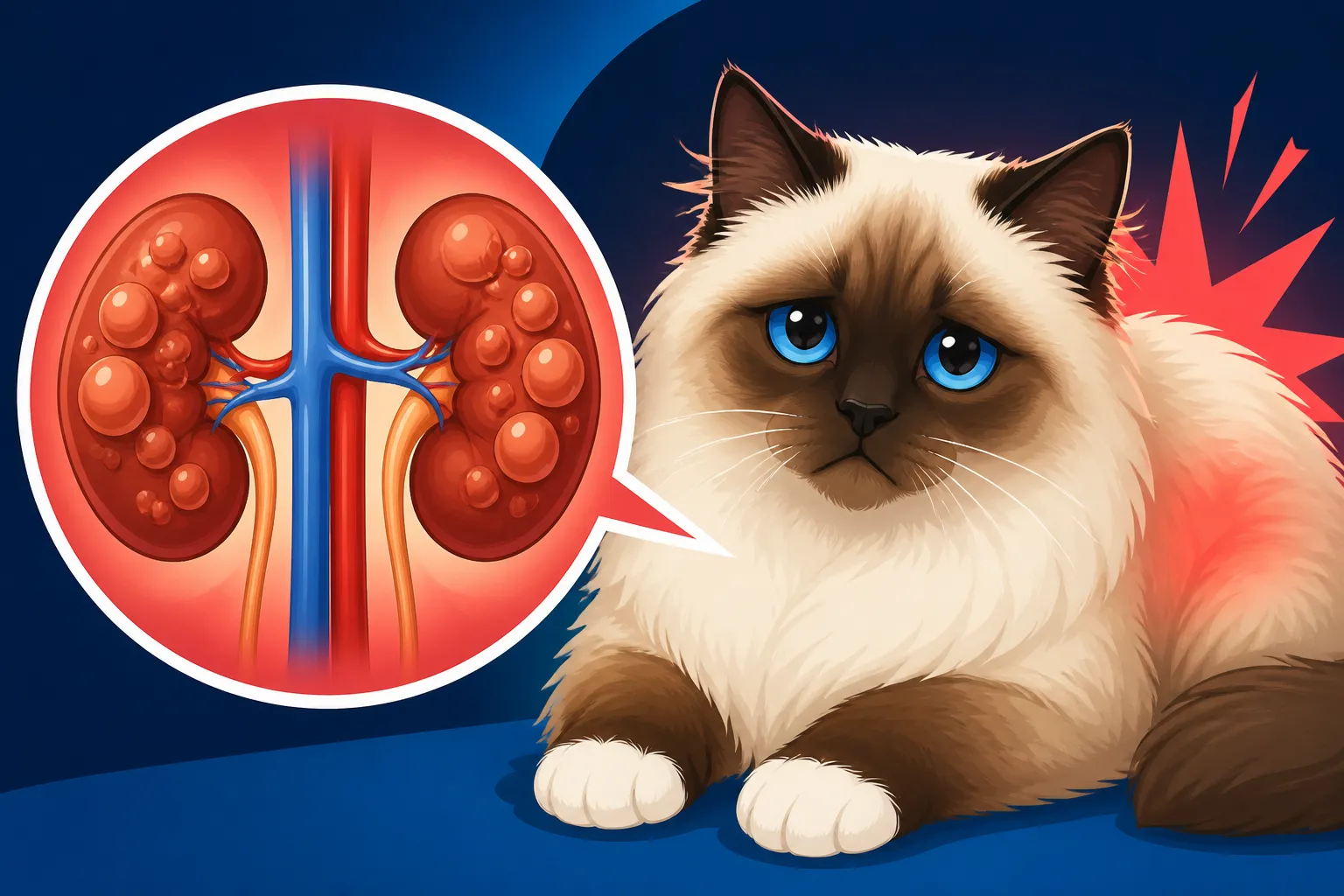
What Kidney Cysts Do to a Birman
It's a scary term, polycystic kidney disease, or PKD, and for us Birman owners, hearing about it can make our hearts sink. The thought of those tiny, precious kidneys developing cysts that slowly, relentlessly compromise their function is truly heartbreaking. This comprehensive guide is here to walk you through exactly what kidney cysts do to a Birman, from the genetic roots of this condition to how it progresses, how it's diagnosed, and how we can best care for our beloved companions if they are affected.
Understanding Polycystic Kidney Disease in Birmans
When we talk about polycystic kidney disease in Birmans, we're primarily referring to a specific genetic form known as PKD1. This isn't just a random ailment; it's an inherited condition that can have profound implications for our cats' health and longevity. It’s vital for every Birman owner, or anyone considering bringing one of these beautiful, gentle cats into their home, to understand its nature.
The Genetic Roots of PKD1 in Birmans
PKD1 is an autosomal dominant inherited disorder, which means a Birman only needs to inherit one copy of the faulty gene from either parent to be affected. This is a crucial distinction from recessive disorders, where two copies are needed. This dominant inheritance pattern means that if one parent carries the gene, there's a 50% chance with each kitten that it will inherit the gene and develop the disease. This is a direct reason why responsible breeders diligently test their cats. You might be surprised to learn that even though Birmans are distinct, their genetic lineage, particularly due to outcrossing necessary after World War II, means they share some health predispositions with other breeds. In fact, you can delve deeper into Why the Persian Outcross Left PKD in the Birman to understand this historical connection. This genetic blueprint sets the stage for the progressive development of cysts.
The gene responsible, known as PKD1, leads to abnormal cell growth in the kidneys. These cells start forming fluid-filled sacs, or cysts, within the kidney tissue. Because it's a dominant gene, a Birman that tests positive will develop cysts, even if the onset and severity can vary. This genetic reality underpins the importance of rigorous testing, ensuring that we're doing everything we can to protect future generations of our beloved Birmans. It’s a constant effort, but one that is absolutely essential for the breed's health.
How Kidney Cysts Develop and Grow
These cysts don't just appear overnight; they typically start as tiny, microscopic structures that are present from birth. For a long time, they might be so small they cause no noticeable problems, and your Birman could seem perfectly healthy. However, over months and years, these cysts gradually enlarge and multiply. They can be found in both kidneys, slowly taking up more and more space, displacing and destroying healthy kidney tissue. Imagine a sponge, full of holes, that slowly starts to fill with expanding balloons – the functional parts of the sponge get squashed and can no longer do their job.
As the cysts grow, the kidneys lose their ability to filter waste products from the blood and concentrate urine effectively. This is a slow, insidious process that can eventually lead to chronic kidney disease and, ultimately, kidney failure. The frustrating part is that this progression can be incredibly subtle, masked by the Birman's inherently stoic nature. Owners often don't notice any changes until a significant portion of kidney function has already been lost. This makes early detection, and knowing what to look for, even more critical for managing your cat's health.
How PKD Manifests in Birman Cats
Polycystic kidney disease is a progressive condition, meaning its signs often start subtly and worsen over time as the cysts grow and take over more and more functional kidney tissue. This gradual onset, combined with the Birman’s naturally quiet disposition, can make early detection a significant challenge for even the most observant owner.
Subtle Early Signs and Why They're Missed
One of the most heartbreaking truths about our sweet Birman companions is that they are masters of disguise when it comes to illness. Their placid, gentle temperament often means they will endure discomfort or pain in silence, showing very few outward signs until a condition is quite advanced. This trait is particularly challenging when dealing with a slow-progressing disease like PKD. A Birman might feel slightly off, perhaps a bit more tired or less enthusiastic about play, but these changes are often so gradual they blend into the background of daily life. For more on this, you can read Why a Birman Hides Illness Behind a Placid Temperament.
In the early stages of PKD, the cysts are usually small and few, causing minimal disruption to kidney function. You might not notice any changes in drinking or urination habits, and your Birman’s appetite might remain normal. Perhaps they're just a little less bouncy, or seem to sleep a touch more, but these are easily dismissed as normal variations in a cat’s routine. It's during this phase that regular veterinary check-ups and proactive screening become invaluable, as a vet might pick up on subtle cues that you, as a loving owner, might inadvertently overlook.
Progressive Symptoms as Cysts Enlarge
As the kidney cysts continue their relentless growth, the healthy kidney tissue becomes increasingly compressed and damaged. This is when the more noticeable symptoms of kidney disease typically start to emerge. One of the first and most common signs is an increase in thirst and urination, known as polydipsia and polyuria. Your Birman might start drinking from unusual places, like the sink or shower, or you might find yourself refilling their water bowl much more frequently. This increased thirst is the kidneys' desperate attempt to flush out waste products they can no longer properly filter. The article Why a Birman Drinking More Points at Its Persian Ancestry further elaborates on how certain breed predispositions might influence this symptom.
Other signs can include a decrease in appetite, weight loss, and general lethargy. Your previously playful Birman might become less interested in games or climbing, preferring to rest more. Nausea and vomiting can also occur, particularly as waste products build up in the bloodstream. The coat might lose its lustrous shine, becoming dull or poorly maintained, especially if they’re feeling too unwell to groom themselves thoroughly. In more advanced stages, you might notice bad breath (uremic breath), weakness, and even anemia, leading to pale gums. This progression paints a grim picture, but understanding these signs is the first step towards intervention and support.
Complications Beyond Kidney Failure
While kidney failure is the ultimate outcome of unchecked PKD, the condition can also lead to other significant health complications that severely impact a Birman's quality of life. High blood pressure, or hypertension, is a common secondary issue. Damaged kidneys struggle to regulate blood pressure, and persistent hypertension can, in turn, cause further damage to the kidneys, eyes, and heart. It’s a vicious cycle that requires careful monitoring and medication.
The presence of large cysts can also lead to discomfort or pain, although as we've discussed, our Birmans are good at hiding it. These cysts can sometimes rupture or become infected, leading to acute pain, fever, and a sudden worsening of symptoms. In rare cases, extremely large cysts can even be felt during a physical examination or cause distension of the abdomen. Addressing these complications effectively requires a holistic approach to veterinary care, which is where having comprehensive pet insurance, perhaps from a provider like Healthy Paws, can be incredibly reassuring when those unexpected vet visits arise.
Diagnosing Polycystic Kidney Disease in Birmans
Diagnosing PKD in Birmans involves a combination of careful physical examination, advanced imaging, and genetic testing. Because the disease progresses slowly and our Birmans are so good at hiding symptoms, breeders and diligent owners often opt for screening methods long before any outward signs appear.
Ultrasound Screening: The Gold Standard
For decades, ultrasound has been considered the most reliable method for detecting kidney cysts in living cats. A veterinary radiologist or an experienced veterinarian uses ultrasound imaging to visualize the kidneys and identify the presence of cysts. These cysts appear as dark, fluid-filled sacs within the kidney tissue. The size and number of cysts can vary greatly from cat to cat, even within the same litter. This non-invasive procedure is usually well-tolerated by Birmans, especially their calm demeanor, and can often be performed without sedation.
Ultrasound screening is most effective when performed by a skilled professional who knows what to look for. It's recommended that breeding Birmans, and indeed all Birmans, have their kidneys screened via ultrasound by around one year of age, or even earlier if there's a known family history. While cysts can be present from birth, they may be too small to detect in very young kittens. Knowing When Kidney Cysts First Show on a Birman Scan can help owners and breeders plan their screening schedules effectively. Regular follow-up ultrasounds may be recommended to monitor the progression of cyst growth, especially for cats that are borderline or have a suspicious family history.
Genetic Testing: A Definitive Answer for PKD1
While ultrasound can see the cysts, genetic testing provides a definitive answer regarding the presence of the PKD1 gene itself. This is a simple, non-invasive DNA test, usually performed using a cheek swab or blood sample, that identifies whether a cat carries the mutation responsible for PKD1. The results are typically reported as "clear" (does not carry the gene), "carrier" (carries one copy of the gene and will develop PKD), or "affected" (carries two copies, which is rare for PKD1 as it's dominant, but possible in other genetic conditions). For a detailed understanding of this process, you might find "How the PKD1 Test Clears a Birman" incredibly helpful.
Genetic testing is invaluable for breeding programs. By testing all breeding cats, breeders can make informed decisions to prevent passing the gene on to future generations. A clear cat mated with another clear cat will never produce affected offspring. Even a carrier cat can theoretically be bred, but only to a clear mate, and then all offspring must be tested. However, the goal is always to eventually eliminate the gene from the breeding pool. This proactive approach significantly reduces the prevalence of PKD in the Birman breed, providing peace of mind to new kitten owners. It’s a critical tool in safeguarding the health of these cherished cats.
Interpreting Blood and Urine Tests
In the early stages of PKD, blood and urine tests often appear normal because the kidneys are still largely functional. However, as the disease progresses and kidney function declines, these tests become vital diagnostic and monitoring tools. Blood tests, specifically measuring blood urea nitrogen (BUN) and creatinine, will show elevated levels as the kidneys become less efficient at filtering these waste products from the blood. These are often the first indicators of significant kidney dysfunction, indicating that about 60-70% of kidney function has already been lost.
Urine tests can reveal changes in specific gravity, indicating that the kidneys are no longer able to concentrate urine properly. Protein in the urine (proteinuria) can also be a sign of kidney damage. Your vet will look at Which Blood Values a Birman's Kidney History Makes Important to track progression. These tests are crucial for staging kidney disease and guiding treatment plans. Regular monitoring of these values allows veterinarians to track the disease's progression and adjust treatments accordingly, striving to maintain your Birman's quality of life for as long as possible.
Managing Life with a Birman with PKD
Receiving a PKD diagnosis for your Birman can feel overwhelming, but it’s important to remember that it’s not an immediate death sentence. With careful management, supportive care, and regular veterinary oversight, many Birmans with PKD can live comfortable, happy lives for years. The key is proactive intervention and a commitment to their ongoing care.
Dietary Management for Kidney Health
Diet plays a pivotal role in managing kidney disease in cats. Once kidney function begins to decline, the goal of dietary management is to reduce the workload on the kidneys and slow the progression of the disease. This typically involves feeding a prescription renal diet specifically formulated for cats with kidney disease. These diets are carefully balanced with reduced levels of protein, phosphorus, and sodium, and often supplemented with omega-3 fatty acids and B vitamins. For insights into suitable options, you might look into Which Prescription Diet a PKD Positive Birman Ends Up On.
The reduced protein helps minimize the production of nitrogenous waste products, while lower phosphorus levels protect against further kidney damage and mineral imbalances. Lower sodium helps manage blood pressure. Encouraging water intake is also crucial. This might mean offering wet food exclusively, adding water to kibble, or providing multiple water bowls and even a cat fountain. Even if your Birman isn't typically a big drinker, every drop counts when kidney function is compromised. Consult with your veterinarian to determine the best dietary strategy for your individual Birman's stage of kidney disease.
Medications and Supportive Care
Beyond diet, several medications and supportive therapies can help manage the symptoms and slow the progression of PKD. If your Birman develops high blood pressure, anti-hypertensive medications will be prescribed to protect the kidneys, eyes, and heart. Medications to control nausea and vomiting can help maintain appetite and prevent dehydration. Phosphate binders, often mixed with food, can help reduce the absorption of phosphorus if dietary restriction alone isn't enough.
For Birmans experiencing dehydration, particularly in more advanced stages, subcutaneous fluid therapy (fluids given under the skin at home) might be recommended. This is a simple procedure that many owners can learn to do themselves, providing crucial hydration and helping flush waste products. Pain management might also be considered if cysts cause discomfort. Regularly communicating with your vet is essential to tailor a treatment plan that addresses your Birman's specific needs and symptoms, adapting it as the disease progresses. Investing in comprehensive pet insurance, like a plan from Healthy Paws, can certainly help alleviate the financial stress associated with these ongoing medical needs.
Monitoring and Quality of Life
Living with a Birman with PKD means committing to regular veterinary check-ups and diligent home monitoring. Your veterinarian will likely recommend blood and urine tests every few months to track kidney values, blood pressure, and red blood cell count. These regular checks are vital for assessing the effectiveness of the current treatment plan and making necessary adjustments. For example, your vet will pay close attention to Which Blood Values a Birman's Kidney History Makes Important when reviewing results.
At home, you'll want to monitor your Birman's appetite, water intake, urination frequency, and energy levels. Any significant changes should be reported to your vet promptly. The ultimate goal is always to maintain your Birman's quality of life. There may come a point, as the disease advances, where difficult decisions about comfort and palliative care need to be made. While this is a conversation no pet owner ever wants to have, your vet will be there to guide you, helping ensure your beloved companion remains comfortable and cherished throughout their journey. Knowing How Long a PKD Positive Birman Lives With Its Cysts can help you prepare emotionally and practically for this journey.
Preventing PKD in Birman Breeding
The most effective way to combat polycystic kidney disease in the Birman breed is through responsible breeding practices focused on prevention. Thanks to advancements in genetic testing and increased awareness within the breeding community, the incidence of PKD in properly screened lines is significantly decreasing.
The Importance of Parent Screening
The cornerstone of PKD prevention lies in screening all breeding cats before they are ever mated. This means both the queen (female cat) and the stud (male cat) should be tested. As we discussed, genetic testing for PKD1 is straightforward and definitively identifies whether a cat carries the gene. Ultrasound screening also plays a crucial role, especially in breeds where not all forms of PKD are fully understood genetically, or to confirm the presence and progression of cysts.
Breeders committed to the health of their lines will ensure that both prospective parents are certified clear of the PKD1 gene. This meticulous approach prevents affected kittens from being born in the first place, saving families from the heartache of managing a chronic, progressive illness. It's a testament to the dedication of ethical Birman breeders that they are so committed to eliminating this condition from the breed. You can explore Why a Birman Breeder Still Tests for PKD to understand the comprehensive approach breeders take.
Ethical Breeding Practices
Ethical breeding goes beyond just testing; it involves a deep commitment to the overall health and well-being of the entire breed. Breeders should only breed cats that are clear of the PKD1 gene. If a breeder discovers they have a carrier in their line, they will typically remove that cat from breeding. However, if a cat is particularly valuable to the gene pool for other reasons (e.g., exceptional temperament, conformation, or genetic diversity for other traits), they might cautiously breed a carrier to a genetically clear cat, ensuring all offspring are tested, and any carriers are spayed or neutered and sold as pets on non-breeding contracts. This careful management is crucial to minimize the number of Birmans that still carry the PKD1 gene. For insights into the wider impact, consider How Many Birmans Still Carry PKD1.
Transparency is also a hallmark of ethical breeding. Reputable Birman breeders will readily provide documentation of their cats' PKD test results, along with other health clearances for conditions like HCM. They understand that potential owners want peace of mind, knowing they are bringing home a healthy kitten from a responsible lineage. These breeders often have waiting lists, reflecting their commitment to quality over quantity.
The Long-Term Impact of PKD on the Birman Breed
The proactive efforts of Birman breeders to test for and eliminate PKD1 from their lines have had a profoundly positive impact on the breed's health. While the gene was once relatively common due to its Persian origins, many lines now boast multiple generations of PKD-clear cats. This demonstrates that through diligent screening and responsible breeding, serious genetic diseases can indeed be significantly reduced, if not entirely eradicated, from a breed.
The continued vigilance of breeders and the support of informed owners are vital for maintaining this progress. It's an ongoing journey to protect the Birman's health, ensuring that these gentle, beautiful cats continue to enrich our lives for many healthy years. By choosing a kitten from a breeder who prioritizes genetic health testing, you're not just getting a pet; you're supporting the future well-being of the entire Birman breed. It's a clear illustration of how collective effort can lead to tangible improvements in animal welfare and genetic health.
Birman PKD Progression Timeline
To help visualize how Polycystic Kidney Disease typically progresses in Birmans, this table outlines potential stages, associated symptoms, and common diagnostic findings. Remember, individual experiences can vary, and this is a general guide.
| Stage of PKD | Age of Onset (Approx.) | Key Symptoms | Diagnostic Findings (Ultrasound & Blood/Urine) | Management Focus |
|---|---|---|---|---|
| Early Stage | Birth – 3 years | Often asymptomatic, subtle changes in activity | Small, few cysts visible on ultrasound; Blood/urine usually normal; Genetic test positive | Early genetic testing, baseline ultrasound, breeder screening |
| Moderate Stage | 3 – 7 years | Increased thirst/urination, mild weight loss, occasional lethargy | Cysts grow larger/more numerous; Blood/urine may show early signs of decline (e.g., dilute urine); Elevated BUN/Creatinine (mild) | Regular monitoring, specific renal diet consultation, blood pressure checks |
| Advanced Stage | 7+ years | Significant thirst/urination, noticeable weight loss, decreased appetite, vomiting, poor coat, lethargy | Large, numerous cysts; Elevated BUN/Creatinine (moderate to severe); Proteinuria, anemia, high blood pressure | Prescription renal diet, medications (anti-nausea, anti-hypertensives, phosphate binders), fluid therapy, pain management |
| End-Stage Renal Failure | Varies, usually late life | Severe clinical signs, profound weakness, anorexia, uremic breath, seizures | Kidneys severely compromised; Very high BUN/Creatinine; Significant anemia and electrolyte imbalances | Palliative care, comfort management, difficult quality of life decisions |
Disclaimer
Please remember that the information provided in this guide is for informational purposes only and does not constitute veterinary advice. Always consult with a qualified veterinarian for any health concerns or before making any decisions about your Birman's care.