How Many Birmans Still Carry PKD1
The thought of our precious Birman companions facing serious health challenges is enough to tie any cat parent's stomach in knots. One particular concern that often surfaces in conversations about pedigree cats is Polycystic Kidney Disease, or PKD1. For those of us devoted to the Birman breed, understanding the reality of PKD1's prevalence, its history, and how modern science has helped is crucial for peace of mind and ensuring the health of our feline family members. This guide aims to shed light on how many Birmans still carry the PKD1 gene and what that means for the breed today.
The Dominant Truth of Polycystic Kidney Disease PKD1 in Birmans
When we talk about inherited conditions in our beloved cats, it's natural to feel a pang of anxiety. PKD1 is one of those conditions that historically caused a lot of heartache, but understanding how it works and its current status in the Birman breed can significantly ease those worries. It’s a very different beast from some other genetic conditions, and that difference is key to how breeders have tackled it.
What PKD1 Truly Means for a Cat's Health
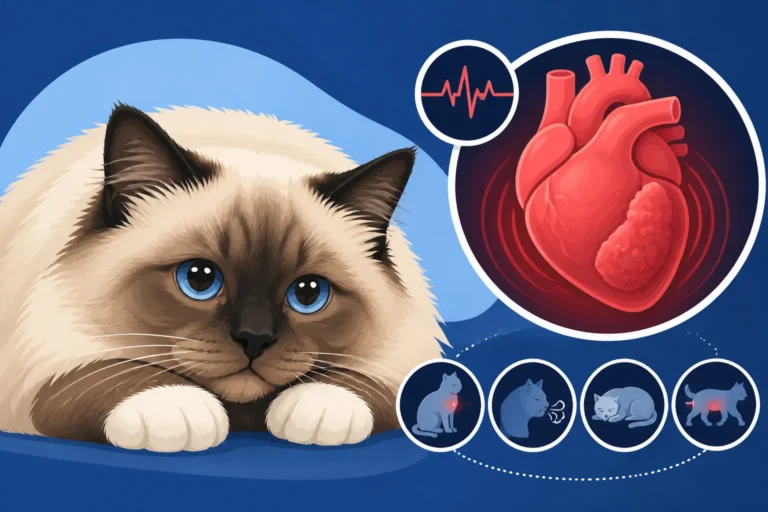
Polycystic Kidney Disease, PKD1, isn't just a quirky genetic trait; it's a serious, progressive kidney disorder. What makes it particularly concerning is its mode of inheritance: it's an autosomal dominant gene. This means that a cat only needs to inherit one copy of the mutated gene from either parent to develop the disease. There's no such thing as a "silent carrier" in the sense of a cat carrying the gene but not being affected; if a Birman has the gene, it will develop cysts.
These cysts are fluid-filled sacs that form within the kidneys, sometimes even in other organs like the liver or pancreas, but predominantly the kidneys. They start tiny, often present from birth, and slowly grow over years. As they grow, they take up more and more space, crowding out healthy kidney tissue and impairing the kidneys' ability to filter waste from the blood. This slow, insidious progression means that symptoms often don't appear until a cat is middle-aged or even older, making it a frustratingly hidden threat. By the time symptoms like increased thirst, weight loss, or lethargy become obvious, a significant portion of kidney function may already be compromised. It’s a silent, creeping illness that can be truly heartbreaking for owners to witness. We all want our Birmans to live long, healthy lives, and the thought of a genetic ticking clock is terrifying. What Kidney Cysts Do to a Birman provides a deeper dive into this.
Tracing PKD1's Path into the Birman Breed
To understand why PKD1 became a concern for Birmans, we need to take a quick trip back in time to the breed's formative years, particularly after World War II. The Birman breed, like many others, faced near extinction during the war. Only a handful of individuals survived, necessitating careful and often desperate measures to rebuild the population. This period saw necessary outcrossing with other breeds to bring genetic diversity and numbers back up.
One of the breeds used in this rebuilding effort was the Persian. While the Persian brought desirable traits like a luxurious coat and a calm temperament, it also, unknowingly at the time, brought along the PKD1 gene. The Persian breed historically had a high incidence of PKD1, and because the genetic basis wasn't understood then, cats carrying the gene were inadvertently integrated into the recovering Birman lines. This historical intertwining means that for a time, PKD1 was a very real risk within the Birman breed. It's a classic example of unintended consequences in breed development, where efforts to save a beloved breed also introduced a new health challenge. The story of Why PKD Reached the Birman Through the Persian is a testament to the complex history of many pedigree cats.
The Dramatic Decline of PKD1 in Modern Birman Lines
The good news, and it's truly excellent news for Birman lovers, is that the landscape of PKD1 in the breed has undergone a revolutionary change thanks to scientific advancements. The anxiety that once surrounded this condition in Birmans has largely been alleviated by the proactive efforts of responsible breeders worldwide.
The Triumph of Widespread DNA Testing
The real game-changer arrived with the development of a specific DNA test for PKD1. Before this test, diagnosis was often based on ultrasound scans, which could detect cysts but couldn't definitively identify carriers or differentiate between large benign cysts and PKD1 until later in life. The DNA test, however, is definitive. It identifies the presence or absence of the mutated gene with incredible accuracy, usually from a simple cheek swab.
Since its availability, typically around the early 2000s, responsible Birman breeders embraced this tool with open arms. They systematically screened their entire breeding stock, removing any PKD1 positive cats from their breeding programs. This rigorous approach has been immensely successful. Today, it's extremely rare to find a Birman kitten from a reputable breeder that tests positive for PKD1. In fact, many lines proudly state that they are entirely PKD1-free, having bred out the gene over successive generations. This means that the number of Birmans that still carry the PKD1 mutation in well-established, health-focused breeding programs is vanishingly small, approaching zero. It’s a testament to what dedicated breeders can achieve when given the right tools. You can read more about How the PKD1 Test Clears a Birman and the successful outcomes. Many enthusiasts now seek out Whether a PKD Clear Birman Line Exists, which is increasingly common.
How a Birman is Tested and What the Results Reveal
The process of testing a Birman for PKD1 is incredibly straightforward, which is one of the reasons it's been so effective. It typically involves a simple cheek swab, collected by a vet or sometimes even by the breeder following specific instructions. This sample, containing cells with your cat's DNA, is then sent to a specialized veterinary genetic laboratory. The lab analyzes the DNA to look for the specific mutation associated with PKD1.
The results are clear-cut:
- PKD1 Negative/Clear: This means your Birman does not have the mutated gene and will not develop PKD1. They also cannot pass it on to any offspring. This is the desired result for all breeding cats.
- PKD1 Positive: This means your Birman has inherited at least one copy of the mutated gene. As PKD1 is dominant, this cat will develop kidney cysts, though the age of onset and severity can vary greatly between individuals. This cat should not be used for breeding as it will pass the gene on to 50% of its offspring.
The definitive nature of this test gives invaluable peace of mind to owners and guides breeders in making responsible pairing decisions. It's a quick, non-invasive process that provides lifelong certainty regarding this particular health concern. Often, breeders will combine this test with others; for example, What Testing a Birman for FOXN1 and PKD1 Together Costs outlines the combined approach.
Why Some Birmans May Still Be PKD1 Positive
While the overall prevalence of PKD1 in the Birman breed from reputable, health-tested lines is now exceedingly low, it's important to understand that not every Birman in the world necessarily comes from such lines. There are still instances where Birmans might carry the PKD1 gene.
Firstly, some backyard breeders or individuals less focused on breed health standards might not conduct proper genetic testing on their breeding cats. These cats, and their offspring, could potentially still be PKD1 positive. This is why it's absolutely crucial for prospective owners to ask for documented proof of PKD1 clear results for both parents of any kitten they are considering. Don't just take a breeder's word for it; ask to see the official laboratory certificates.
Secondly, Birmans that end up in rescue shelters or are adopted without a known pedigree might have an unknown PKD1 status. In these cases, it's a good idea to discuss testing with your veterinarian, especially if you have concerns or notice any potential kidney-related symptoms. While the vast majority of Birmans from ethical breeders are now clear, remaining vigilant and inquiring about health testing is always a wise approach when bringing a new Birman into your home. The knowledge is power, and it protects not only your individual cat but also the integrity of the breed as a whole. Knowing When Kidney Cysts First Show on a Birman Scan can help with early detection if you acquire a cat with unknown history.
Living Proactively: Protecting Your Birman's Kidney Health
Even with the triumphant reduction of PKD1 in the Birman breed, taking a proactive stance on your cat's kidney health is always a wise decision. Our Birmans rely on us to ensure they live long, comfortable lives, and understanding how to support their delicate systems is a key part of that responsibility.
Understanding the Implications of a PKD1 Diagnosis (If It Happens)
While it's rare to acquire a PKD1 positive Birman from a responsible breeder today, circumstances can arise where a cat's history is unknown, or in very rare cases, the genetic test might have been overlooked. If, for any reason, a Birman receives a PKD1 positive diagnosis, it means the cat will develop kidney cysts. The primary goal then becomes management and supportive care.
The progression of PKD1 is highly variable. Some cats might develop significant kidney disease relatively early, while others may live long lives with minimal impact from their cysts. Management typically involves regular veterinary check-ups to monitor kidney function, often including blood and urine tests. Diet plays a crucial role; your vet may recommend a prescription renal diet formulated to reduce the workload on the kidneys and slow the progression of disease. Hydration is also paramount, encouraging water intake through fountains, wet food, or even subcutaneous fluids if necessary. The focus is on slowing the progression of kidney damage and maintaining your cat's quality of life. Understanding How Long a PKD Positive Birman Lives With Its Cysts can help set expectations and guide care decisions. When considering dietary changes, Which Prescription Diet a PKD Positive Birman Ends Up On is an important discussion to have with your veterinarian.
General Kidney Care for All Birmans
Regardless of your Birman's PKD1 status – and for most, it will thankfully be clear – focusing on general kidney health is paramount throughout their lives. Kidneys are vital organs, and supporting them well can contribute significantly to your Birman's longevity and overall well-being.
- Hydration, Hydration, Hydration: Cats, by nature, don't always drink enough water, especially if they're primarily on a dry kibble diet. Encourage water intake with fresh, multiple water bowls, filtered water, or a cat drinking fountain. Incorporating wet food into their diet is one of the most effective ways to boost their daily fluid intake. It's interesting to note that Why a Birman Drinking More Points at Its Persian Ancestry also highlights a genetic predisposition to certain kidney issues, making hydration even more crucial for the breed.
- Quality Diet: A balanced, high-quality diet that supports overall health, particularly as they age, is essential. Consult your vet about the best food choices for your Birman's specific needs, age, and activity level.
- Regular Veterinary Check-ups: Consistent vet visits, especially as your Birman moves into middle age (around 7-8 years old), are critical. Your vet will monitor their weight, conduct physical exams, and may recommend routine blood work and urinalysis. These tests can help catch subtle changes in kidney function early, allowing for intervention before significant damage occurs. This is particularly important because How a Birman's Kidney Numbers Are Tracked From Middle Age can indicate early signs of decline. For any planned medical procedures, it's vital to remember Why a Birman's Kidneys Are Checked Before Any Anesthetic.
And while prevention and diligent care go a long way, unforeseen health issues can always arise. This is where comprehensive pet insurance plans, like those offered by Healthy Paws, can be an invaluable safety net. They can help cover the costs of diagnostics, treatments, and ongoing care for kidney issues or any other health concerns that might develop later in your Birman's life, whether or not they are related to PKD1. It offers peace of mind knowing you can provide the best care without financial strain.
Beyond PKD1: A Holistic View of Birman Health Screening
Focusing solely on PKD1, while historically important, gives us only part of the picture of Birman health. Responsible cat ownership and breeding extend to a broader range of health screenings, ensuring the overall well-being and genetic health of this magnificent breed.
The Importance of Comprehensive Health Screening
A truly responsible breeder doesn't stop at PKD1 testing; they embrace a holistic approach to health. For Birmans, this includes screening for other significant genetic and breed-specific conditions. The most prominent among these is Hypertrophic Cardiomyopathy (HCM), a prevalent heart disease in many cat breeds, including Birmans. Unlike PKD1, there isn't a definitive DNA test for HCM in Birmans, making regular echocardiograms (heart ultrasounds) by a veterinary cardiologist essential for breeding cats.
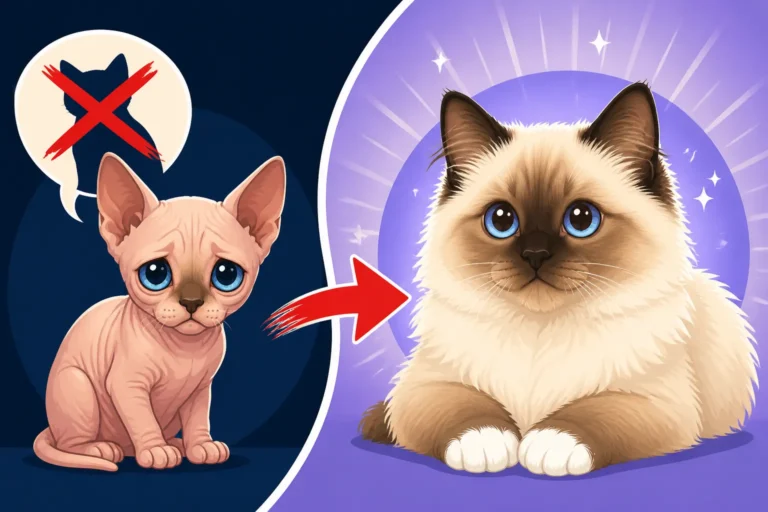
Another important, though rarer, genetic condition to consider in Birmans is Feline Hypotrichosis with Thymic Aplasia, often referred to as FOXN1. This condition, inherited recessively, results in kittens born bald or with very sparse fur, and a severely compromised immune system due to a missing thymus gland. Fortunately, there is a DNA test for FOXN1, allowing breeders to prevent affected kittens by carefully pairing carrier parents.
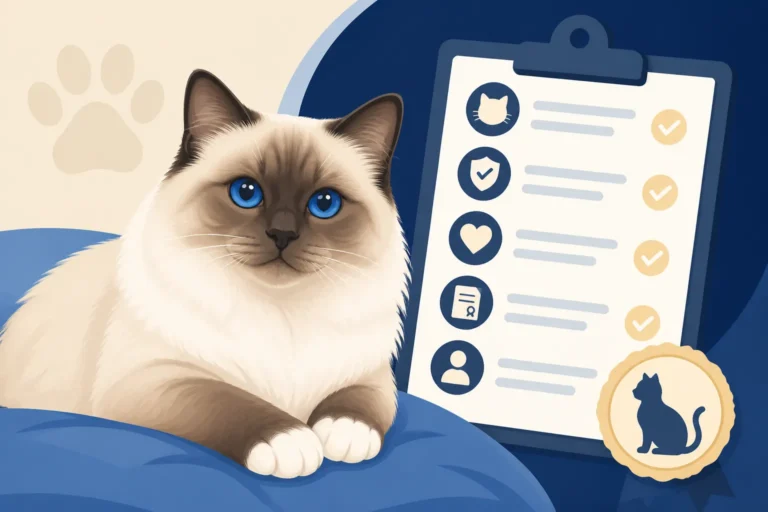
When you're looking for a Birman, always ask to see health certificates for all relevant tests, not just PKD1. A reputable breeder will provide documentation of clear results for both parents for PKD1 and FOXN1, and recent clear echocardiogram reports for HCM. This commitment to transparency and thorough health screening is the hallmark of ethical breeding practices, giving you the best chance of bringing home a truly healthy kitten. It's often recommended to get a full panel of tests; Which Tests Belong on a Birman Panel outlines the critical ones.
A responsible breeder will provide health guarantees and comprehensive test results for both parents, giving you a wonderful head start with a healthy kitten. However, life can be unpredictable, and securing pet insurance early, perhaps with a provider like Healthy Paws, ensures you're prepared for any unexpected veterinary needs that might arise over your Birman's long life. Even with the best genetics, accidents happen, and age-related conditions can develop, making a good insurance plan a wise investment in your peace of mind and your cat's well-being.
| Feature | PKD1 Positive Birman (Historically) | PKD1 Clear Birman (Modern Standard) |
|---|---|---|
| Genetic Status | Carries one or two copies of the dominant PKD1 gene | No copies of the PKD1 gene |
| Cyst Development | Will develop kidney cysts, varying onset and severity | Will not develop PKD1-related kidney cysts |
| Disease Impact | Potential for progressive kidney disease and kidney failure | Free from this specific genetic kidney disease |
| Breeding Status | Should not be used for breeding to prevent passing on the gene | Ideal for breeding (if all other health criteria are met) |
| Diagnosis | Confirmed by DNA test (also by ultrasound if cysts are visible) | Confirmed by DNA test |
| Prevalence Today | Extremely rare from reputable breeders; primarily in untested lines | The norm in reputable breeding programs |
| Management | Supportive care, special diet, regular monitoring (if affected) | Routine preventive care for general kidney health |
| Peace of Mind | Constant worry about disease progression | Significant peace of mind regarding this genetic condition |
Disclaimer
This article is for general informational purposes only and does not constitute professional advice. Laws, prices and regulations vary by location and change over time. Consult a qualified professional for guidance on your specific situation.