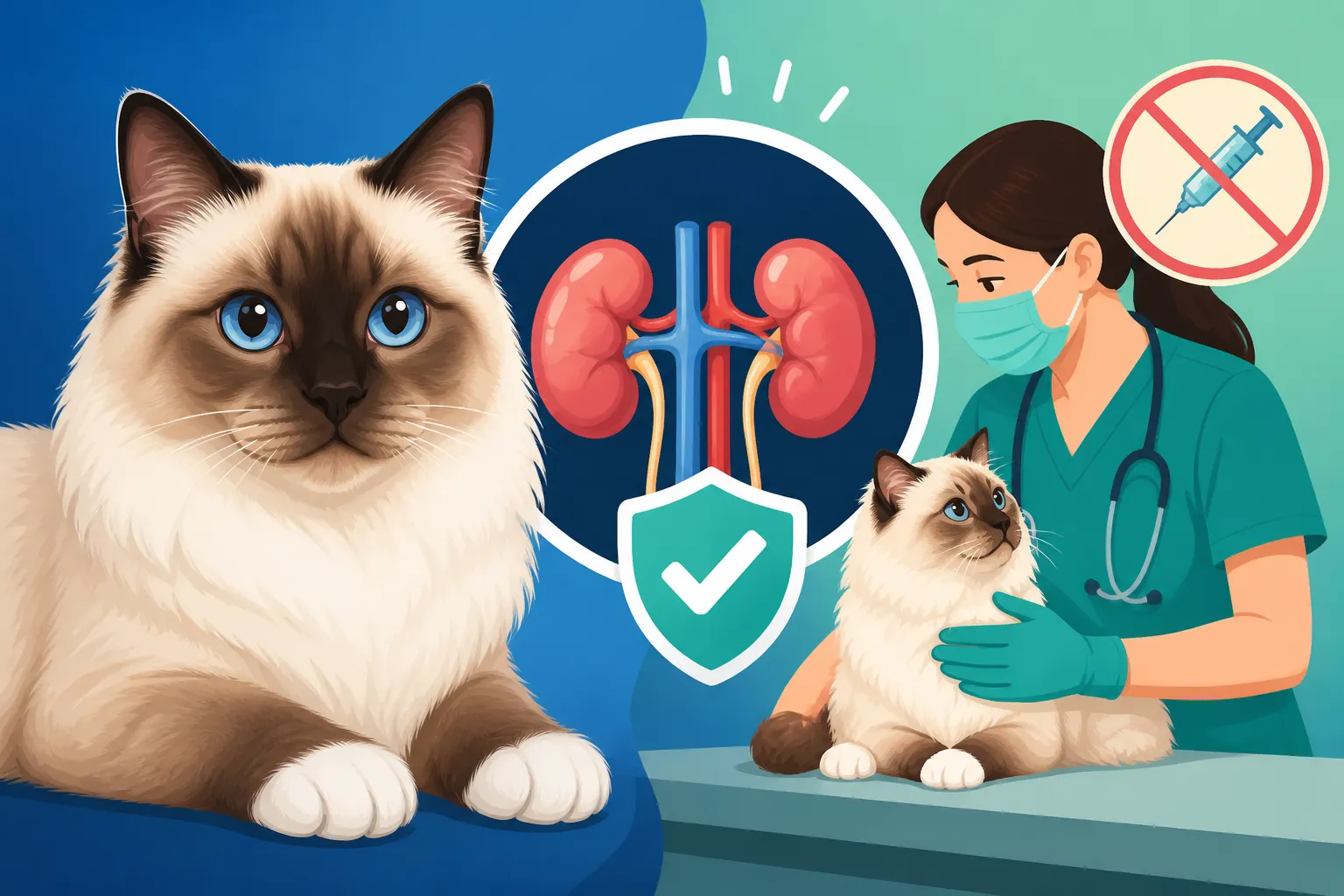
Why a Birman’s Kidneys Are Checked Before Any Anesthetic
It’s a truly unsettling feeling when your beloved Birman needs surgery, even for something as common as a dental cleaning or a minor lump removal, and your vet starts emphasizing the absolute necessity of pre-anesthetic kidney checks. You might be thinking, "Why all the fuss? Can't they just do the procedure?" But trust me, this isn't just routine paperwork; it's a critical step that could genuinely save your precious companion's life. This guide will walk you through exactly why your Birman's kidneys are meticulously checked before any anesthetic, ensuring you understand the deep care your vet is taking.
Understanding the Kidney's Role in Anesthesia
When your Birman goes under anesthesia, it's not just "going to sleep." Their body is being temporarily put into a state where many normal functions are suppressed or altered. Every anesthetic agent, every medication used during and after the procedure, has to be processed and eliminated from the body. Guess which organs are the primary workhorses for this vital task? That's right, the kidneys. They filter toxins, maintain fluid balance, and ensure waste products, including anesthetic drugs, are safely removed.
How Anesthetic Drugs Impact Kidney Function
Anesthetic drugs, while essential for a pain-free procedure, can be tough on the kidneys. These medications are metabolized by the liver and then excreted by the kidneys. If your Birman's kidneys are already compromised, even slightly, this added burden can push them over the edge. Imagine a tiny, already tired filter suddenly being asked to process a heavy load of chemicals. It can lead to acute kidney injury, a sudden and severe decline in kidney function that can be life-threatening. The risk isn't just about the primary anesthetic agent, but also the pre-medications, pain relief, and even the fluids administered during the procedure. It's a cascade of potential stress on an already sensitive system.
The Silent Nature of Kidney Disease in Cats
One of the most frustrating and heartbreaking aspects of kidney disease in cats, including our placid Birmans, is how adept they are at hiding symptoms until the disease is quite advanced. Our sweet, stoic companions rarely complain. You might not notice your Birman is unwell until they've already lost a significant percentage of their kidney function. This is why a Birman hides illness behind a placid temperament, making proactive screening absolutely essential. By the time you see clear signs like increased thirst, weight loss, or changes in litter box habits, your vet might tell you that their kidneys are already in serious trouble. This silent progression means we can't rely solely on outward signs when making critical medical decisions like anesthesia.
Pre-Anesthetic Kidney Screening Methods
Before any anesthetic procedure, your vet will recommend a suite of tests designed to give them a comprehensive picture of your Birman's overall health, with a significant focus on kidney function. These aren't just arbitrary tests; they're chosen specifically to identify any underlying issues that could turn a routine procedure into a life-threatening event.
Blood Tests for Kidney Health
The primary tools for assessing kidney function are blood tests. Specifically, your vet will be looking at several key markers:
- BUN (Blood Urea Nitrogen): This measures the amount of urea nitrogen in the blood, a waste product that the kidneys normally filter out. Elevated BUN can indicate kidney issues, but it can also be affected by dehydration or diet.
- Creatinine: A more reliable indicator of kidney function, creatinine is another waste product. Higher levels almost always point to impaired kidney function because muscle metabolism produces creatinine at a relatively constant rate.
- SDMA (Symmetric Dimethylarginine): This is a newer, incredibly sensitive marker for kidney disease. SDMA can detect kidney issues much earlier than BUN and creatinine, often when only 25% of kidney function has been lost, compared to 60-75% for BUN/Creatinine. This early detection is a game-changer for our Birmans, allowing for interventions before the problem becomes critical.
- Phosphorus: Elevated phosphorus levels can indicate that the kidneys are struggling to excrete it, which often happens in advanced kidney disease.
These blood values, when interpreted together, offer a robust assessment of your Birman's kidney health. Understanding Which Blood Values a Birman's Kidney History Makes Important can empower you to discuss these results thoroughly with your veterinarian.
Urinalysis and Other Diagnostic Tools
While blood tests provide a lot of information, a comprehensive pre-anesthetic kidney check often includes a urinalysis. This involves examining a urine sample for various indicators:
- Urine Specific Gravity (USG): This measures how concentrated your Birman's urine is. Kidneys that aren't functioning well struggle to concentrate urine, leading to dilute urine even when the cat is dehydrated.
- Protein in Urine: The presence of protein in urine (proteinuria) can be an early sign of kidney damage, as healthy kidneys should prevent protein from leaking into the urine.
- Presence of Bacteria, Crystals, or Blood: These can indicate urinary tract infections or other issues that might complicate anesthesia or recovery.
Sometimes, especially in older Birmans or those with a history suggesting kidney concerns, your vet might also recommend imaging. An abdominal ultrasound can visualize the kidneys, checking for structural abnormalities, cysts (especially relevant if you're concerned about Polycystic Kidney Disease, or PKD, which, while more prevalent in Persians, can sometimes affect Birmans due to past outcrossing), or stones. Knowing How a Birman's Kidney Numbers Are Tracked From Middle Age is crucial, as early intervention can significantly improve outcomes.
| Kidney Health Marker | What It Measures | Significance for Anesthesia | Early Detection Value |
|---|---|---|---|
| BUN | Blood Urea Nitrogen (waste product) | High levels can indicate poor kidney filtration; also affected by hydration/diet | Moderate |
| Creatinine | Muscle waste product | Reliable indicator of kidney filtration; high levels mean poor function | Moderate |
| SDMA | Symmetric Dimethylarginine (amino acid derivative) | Highly sensitive, indicates kidney disease much earlier than BUN/Creatinine | High |
| Phosphorus | Mineral balance | Elevated levels often seen in advanced kidney disease | Moderate |
| Urine SG | Urine Specific Gravity (concentration) | Low concentration indicates kidneys not concentrating urine effectively | High |
| Proteinuria | Protein in urine | Early sign of kidney damage, as healthy kidneys retain protein | High |
What to Expect If Your Birman Has Kidney Concerns
Discovering your Birman has kidney concerns before a planned anesthetic procedure can be alarming. It’s natural to feel worried, but it's important to remember that this detection is a good thing – it means your vet can make informed decisions to protect your cat. This proactive approach is exactly what prevents serious complications down the line.
Adjusting the Anesthesia Protocol
If kidney values are elevated, your veterinary team won't simply proceed as planned. They will adjust the entire anesthetic protocol to minimize risk. This might involve:
- Selecting Kidney-Friendly Drugs: Certain anesthetic agents and pain medications are metabolized and excreted more readily or cause less stress on the kidneys. Your vet will opt for these safer alternatives.
- Pre-Operative Fluid Therapy: Often, Birmans with compromised kidneys will receive intravenous fluids before, during, and after the procedure. This helps support blood pressure, maintain hydration, and flush the kidneys, helping them cope with the anesthetic load.
- Close Monitoring: During anesthesia, your Birman will be monitored even more intensively, with keen attention to blood pressure, hydration status, and urine output, if possible.
- Reduced Anesthesia Time: If feasible, the vet might aim for a shorter procedure time to limit exposure to anesthetic agents.
It’s all about creating the safest possible environment for your Birman, acknowledging that their kidneys need a little extra TLC. If you've been considering pet insurance, now might be the time to look into options like Healthy Paws, as pre-anesthetic bloodwork and any subsequent kidney management can certainly add up.
Managing Ongoing Kidney Health
For Birmans identified with early-stage kidney disease during pre-anesthetic screening, the news isn't necessarily a death sentence. In fact, early detection through these tests is critical because it allows for management strategies to slow the progression of the disease. This is part of the reason your vet cares so much about Why Birman Kidney Disease Is Watched From Middle Age.
Management might include:
- Specialized Kidney Diet: Low-protein, low-phosphorus diets are often prescribed to reduce the workload on the kidneys.
- Hydration Support: Encouraging water intake with fountains, wet food, or even subcutaneous fluids at home can be beneficial. Remember, if your Birman is Drinking More, it could point to underlying issues.
- Medications: Depending on the specific issues, your vet might prescribe medications to manage blood pressure, reduce phosphorus levels, or stimulate appetite.
- Regular Monitoring: Ongoing blood and urine tests will be necessary to track the disease's progression and adjust treatments as needed.
Dealing with chronic kidney disease in a Birman can feel overwhelming, but with careful management, many cats can maintain a good quality of life for an extended period. This commitment to ongoing care highlights the importance of financial planning, where a provider like Healthy Paws can offer significant support.
Mitigating Risks and Ensuring Safety
The primary goal of pre-anesthetic kidney checks is straightforward: to minimize risks and ensure the safest possible outcome for your Birman. Anesthesia is never entirely risk-free, but thorough preparation drastically reduces the chances of complications, particularly those affecting vital organs like the kidneys.
The Dangers of Undetected Kidney Issues
Without these crucial checks, a Birman with undiagnosed kidney disease is walking into a high-risk situation. The consequences can range from mild post-anesthetic lethargy and nausea to severe, irreversible kidney damage, or even fatality. The kidneys, already struggling, can be overwhelmed by the anesthetic drugs and the physiological stress of surgery. This can lead to a crisis where the kidneys shut down completely, requiring emergency interventions like aggressive fluid therapy or, in dire cases, even dialysis if available. Nobody wants to face that agonizing outcome, which is why your vet insists on being cautious. It's a testament to modern veterinary care that we have the tools to prevent such scenarios.
Holistic Pre-Anesthetic Assessment
While kidney health is paramount, it's part of a broader, holistic pre-anesthetic assessment. Your vet will also be looking at other vital organ systems. For instance, cardiac health is another major concern. Whether a Birman Needs a Heart Scan Before Anesthetic is a common question, as hypertrophic cardiomyopathy (HCM) is a known concern in many cat breeds, including Birmans. Assessing both heart and kidney function together provides the most complete picture of your Birman's internal resilience. A comprehensive physical exam, blood cell counts, and sometimes even an electrocardiogram (ECG) are all pieces of this puzzle. The goal is to identify all potential vulnerabilities before your Birman is put under. This might seem like a lot of tests, but each one contributes to building a safety net around your cherished pet. It's about ensuring that when your Birman goes in for something like How Many Dentals a Sixteen Year Birman Gets Through, every possible precaution has been taken.
The Importance of Breeder Practices and Genetic Testing
The health journey of your Birman starts long before they even come home to you, deeply rooted in the practices of responsible breeders. Understanding their commitment to health testing provides invaluable peace of mind, especially regarding conditions that could impact kidney health.
Addressing Inherited Kidney Conditions
While not as common as in some other breeds (like the Persian, which historically had high rates of Polycystic Kidney Disease, or PKD), certain inherited conditions can impact a Birman's kidney health. Responsible Birman breeders are diligent about genetic testing to minimize the risk of passing on such predispositions. For example, while not a primary Birman concern, many breeders will still screen for PKD due to the breed's historical outcrossing with Persians to rebuild the breed post-World War II. Even if your Birman comes from clear lines, the underlying principle of genetic screening underscores the importance of healthy kidneys.
It's vital to research a breeder's practices. Ask about their health guarantees, which tests they perform on breeding cats, and what their lines are clear of. A good breeder will readily provide documentation for genetic tests. This due diligence ensures your kitten has the best possible start to a long and healthy life, reducing the chances of encountering serious kidney issues later on, making any future anesthetic procedure safer.
Proactive Care Throughout Your Birman's Life
The best defense against kidney complications during anesthesia is a lifetime of proactive care. This means regular veterinary check-ups, even when your Birman seems perfectly healthy. Annual wellness exams provide opportunities to catch subtle changes in health markers before they become significant problems. This routine care allows your vet to track trends in your Birman's health, including their kidney values, over time. Early detection of any decline means you can implement dietary changes, supplements, or medications long before a scheduled surgery arises.
A well-balanced diet, access to fresh water, and a stress-free environment also contribute significantly to overall organ health. When you adopt a Birman, you're not just bringing a pet home; you're committing to being their health advocate for potentially The Twelve to Sixteen Years a Birman Usually Gets. This commitment, supported by comprehensive care and possibly a robust pet insurance plan like those offered by Healthy Paws, means you’re doing everything possible to ensure your Birman faces any anesthetic procedure with the healthiest kidneys possible.
Disclaimer
This article is for general informational purposes only and does not constitute professional advice. Laws, prices and regulations vary by location and change over time. Consult a qualified professional for guidance on your specific situation.