How Long a PKD Positive Birman Lives With Its Cysts
Receiving a diagnosis of Polycystic Kidney Disease, or PKD, for your beloved Birman can feel like a punch to the gut. The fear of what this means for their precious lifespan and quality of life is completely overwhelming, and it’s natural to feel lost amidst the medical terminology and uncertainty. This comprehensive guide is here to walk you through understanding PKD in your Birman, how to effectively manage it, and what you can realistically expect regarding their journey with this chronic condition, helping you provide the best possible care for your furry family member.
What Polycystic Kidney Disease Means for Your Birman
When your vet mentions PKD, it's easy to jump to the worst conclusions. But let's take a deep breath and understand what this condition truly entails for our beautiful Birmans. It's not an immediate death sentence, but rather a long-term management situation.
The Genetic Hand-Me-Down from Persian Ancestors
Polycystic Kidney Disease in Birmans is almost always linked to a specific genetic mutation, known as PKD1. This isn't just a random occurrence; it's an inherited condition that has a significant backstory. You see, the Birman breed, after facing near extinction post-World War II, underwent outcrossing with other long-haired breeds to rebuild its numbers and genetic diversity. One of the breeds used was the Persian, and while this helped save the Birman, it also inadvertently introduced the PKD1 gene into the Birman gene pool. It's a classic example of how saving a breed can have unforeseen consequences down the line.
This means that if a Birman inherits just one copy of the faulty gene, they will develop PKD. It’s what we call an autosomal dominant condition. The presence of the gene means your cat will inevitably develop kidney cysts. However, a positive genetic test for PKD1 doesn't mean your cat's kidneys are immediately failing. It simply confirms the genetic predisposition for cysts to form and grow over time. Understanding Why PKD Reached the Birman Through the Persian truly helps put this into perspective, as it underscores the historical context of this particular health challenge in the breed.
How Kidney Cysts Slowly Impact Function
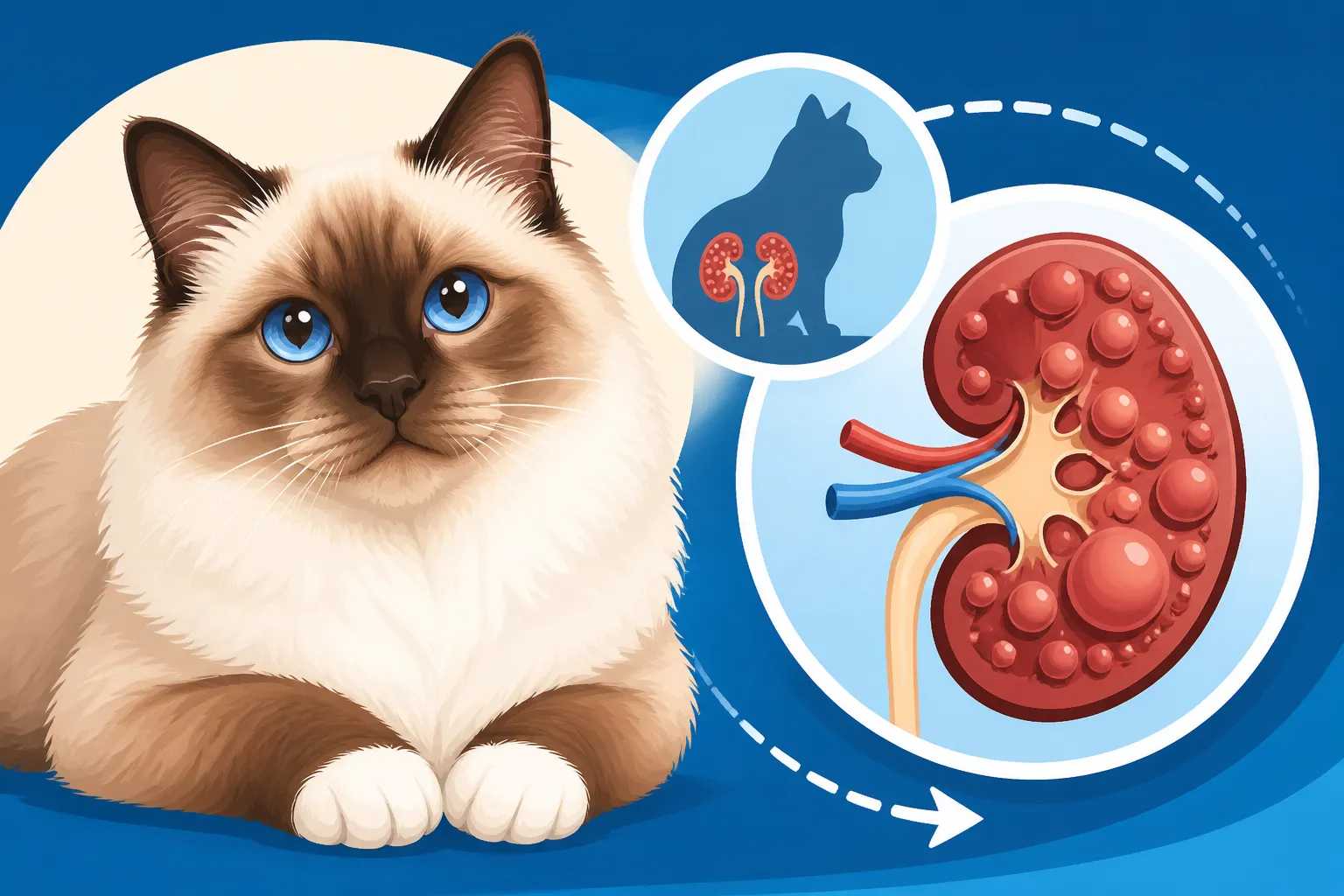
So, what exactly are these cysts doing? Imagine tiny, fluid-filled sacs developing within the kidney tissue. Initially, these cysts are microscopic and cause no problems whatsoever. Your Birman might be romping around, completely oblivious, for years. However, over time, these cysts can grow in size and number, slowly but surely displacing and compressing the healthy kidney tissue around them. It's a bit like having tiny balloons inflating inside a delicate sponge – eventually, the sponge can't do its job properly.
This gradual encroachment of cysts can reduce the kidney's ability to filter waste products from the blood and concentrate urine, which are their primary functions. The good news is that this process is typically slow, often progressing over many years. The pace of cyst growth and the onset of clinical signs can vary wildly from one Birman to another. Some cats might develop significant kidney impairment in middle age, while others might live a full, happy life with cysts present but never truly problematic. This is why early detection and consistent monitoring are so crucial, allowing us to intervene and manage the condition proactively before it reaches a critical stage. To learn more about the specifics, you can delve into What Kidney Cysts Do to a Birman.
Diagnosing and Monitoring PKD in Your Birman
Navigating a chronic condition like PKD means staying vigilant and working closely with your veterinarian. Early diagnosis and consistent monitoring are your best tools in giving your Birman the longest, happiest life possible.
Catching the Early, Subtle Clues
One of the biggest frustrations, and indeed challenges, with cats is their incredible ability to mask illness. Our Birmans, with their wonderfully placid and stoic temperaments, are particularly adept at this. They might be feeling unwell, but they'll often just become a little quieter, perhaps sleep a bit more, or subtly change their routines rather than showing overt signs of distress. With PKD, by the time noticeable symptoms appear, the disease has often progressed significantly.
Early signs of kidney issues, before full-blown kidney failure, can be incredibly subtle. You might notice your Birman drinking a little more water than usual, perhaps making more trips to the litter box. Their appetite might decrease slightly, or they might lose a bit of their usual sparkle. Their coat might lose some of its renowned silkiness, becoming a bit duller, or you might notice a very gradual weight loss. These are all things that can easily be dismissed as "just getting older" or minor behavioral quirks. This is why regular veterinary check-ups are so vital, especially as your Birman moves into middle age. Your vet can often spot these subtle changes long before they become obvious to you at home. It’s important to remember Why a Birman Hides Illness Behind a Placid Temperament, as this understanding empowers you to be more proactive.
The Role of Genetic Testing and Ultrasound
When it comes to definitively diagnosing PKD, we have two primary tools at our disposal: genetic testing and ultrasound.
The gold standard for identifying if your Birman carries the PKD1 gene is a simple DNA test, usually performed with a cheek swab. This test is incredibly accurate and will tell you if your cat is clear, a carrier, or affected by the gene. The beauty of the genetic test is that it can be done at any age, even on young kittens, providing a clear answer about their genetic status for life. It’s why responsible breeders prioritize this test, ensuring they're not inadvertently passing on the gene. If you’re curious about the process, How the PKD1 Test Clears a Birman provides excellent detail.
An ultrasound, on the other hand, is how we actually visualize the cysts within the kidneys. A skilled veterinary ultrasonographer can identify cysts, measure their size, and track their progression over time. While the genetic test tells you if your Birman will get cysts, the ultrasound tells you if they have them and how significant they are. This is why breeders still test for PKD, often combining genetic testing with ultrasound screening, especially for breeding animals. Knowing the genetic status helps in making informed breeding decisions, while ultrasound confirms the physical presence and extent of the cysts. For more on breeder practices, see Why a Birman Breeder Still Tests for PKD.
Tracking Kidney Health Over Time
Once a Birman is diagnosed with PKD, either genetically or by ultrasound, ongoing monitoring becomes paramount. This isn't a one-and-done situation; it's a journey. Your vet will typically recommend regular blood tests to track key kidney values such as Blood Urea Nitrogen (BUN), Creatinine, and Symmetric Dimethylarginine (SDMA). SDMA is a particularly sensitive marker that can detect kidney function decline much earlier than BUN and creatinine, sometimes months or even years before other signs appear. Urine tests, specifically urine specific gravity, are also crucial as they tell us how well the kidneys are concentrating urine.
Your vet will establish baseline values when your Birman is still feeling well, and then track any changes over subsequent visits. This allows for proactive intervention if a trend towards decline is observed. Regular blood pressure checks are also important, as high blood pressure can both result from kidney disease and worsen it. Consistency is key here; sticking to a schedule of check-ups, often every 6-12 months initially, and then more frequently as needed, allows your veterinary team to stay ahead of the disease. This proactive approach is exactly How a Birman's Kidney Numbers Are Tracked From Middle Age, ensuring we can manage any changes effectively.
Extending Your Birman's Lifespan and Comfort with PKD
Living with a PKD diagnosis means shifting focus to supportive care, aiming to slow the progression of the disease and maintain your Birman's quality of life for as long as possible. The good news is that there's a lot we can do.
The Cornerstone of Dietary Management
One of the most impactful interventions for a Birman with PKD is a specialized diet. The primary goal of a kidney-friendly diet is to reduce the workload on the kidneys and slow the progression of the disease. This typically means a diet that is restricted in phosphorus, controlled in protein, and supplemented with beneficial Omega-3 fatty acids. High phosphorus levels can exacerbate kidney damage, and while protein is essential, excessive amounts of poor-quality protein can create more waste products that struggling kidneys have to filter.
Your vet will likely recommend a prescription renal diet, such as those offered by brands like Hill's Prescription Diet, Royal Canin, or Purina Pro Plan Veterinary Diets. These diets are carefully formulated to meet the specific nutritional needs of cats with kidney disease. It's also often beneficial to feed wet food exclusively, or at least a majority wet food diet, to boost hydration. Transitioning to a new food can sometimes be a challenge, as cats are creatures of habit, but patience and gradual introduction usually pay off. Always consult your vet to choose the most appropriate diet for your Birman's specific stage of PKD. For more detailed information on food choices, refer to Which Prescription Diet a PKD Positive Birman Ends Up On.
Hydration: A Lifeline for Failing Kidneys
Increasing your Birman's water intake is arguably as important as dietary management, if not more so. As the kidneys' ability to concentrate urine diminishes, cats with PKD can become prone to dehydration. Keeping them well-hydrated helps flush toxins and supports remaining kidney function.
There are several strategies to encourage more drinking. Investing in a feline water fountain can be a game-changer, as many cats are drawn to moving water. Placing multiple water bowls throughout the house, in different shapes and materials, can also pique their interest. Consider adding a splash of tuna juice or low-sodium chicken broth to their water bowls, or even plain water to their wet food to increase moisture content. It might seem like a small thing, but every drop counts. Interestingly, Birmans, perhaps due to their ancestral links, seem to benefit greatly from increased water intake, which is why Why a Birman Drinking More Points At Its Persian Ancestry is a key aspect of their care.
Medical Interventions and Symptomatic Support
Beyond diet and hydration, there's a range of medical interventions that can help manage PKD symptoms and improve your Birman's comfort. Medications might be prescribed to control high blood pressure, which is a common complication of kidney disease. Your vet might also recommend phosphorus binders, which are given with food to reduce the absorption of phosphorus from the gut. If your Birman is experiencing nausea or a decreased appetite, anti-nausea medications and appetite stimulants can be incredibly helpful in keeping them eating and feeling better.
For Birmans experiencing anemia, which can occur with chronic kidney disease, treatments like erythropoiesis-stimulating agents might be considered. The goal with all these interventions is to manage symptoms, slow the progression of kidney damage, and ultimately enhance your cat's quality of life. This really is a partnership with your vet, with regular check-ups to adjust medications and treatments as needed. The ongoing monitoring costs can be significant, so having a good pet insurance policy like one from Healthy Paws can truly alleviate the financial stress of long-term medical management.
Living Fully: Quality of Life and Prognosis
The ultimate goal for any Birman owner is to ensure their beloved companion lives a full, happy life. With PKD, this means focusing on quality of life and understanding the realistic outlook.
Understanding the Lifespan Implications
It's natural to wonder, "How long will my Birman live with PKD?" The honest answer is that it varies enormously. Some Birmans with the PKD1 gene may develop cysts but never experience significant kidney issues, living a full life, potentially even reaching the typical The Twelve to Sixteen Years a Birman Usually Gets. Others, however, may see a more aggressive progression of cyst growth and kidney impairment. The stage at which the disease is diagnosed, the diligence of management, and individual genetic factors all play a role.
Early diagnosis and consistent, proactive management with diet, hydration, and medication are truly the biggest factors in extending your Birman's healthy lifespan. Many Birmans with PKD can live for several years comfortably after diagnosis, especially if caught before advanced kidney failure sets in. The cysts themselves don't typically cause pain unless they grow exceptionally large and press on other organs, which is rare. The real impact comes from the gradual loss of kidney function. This is why paying close attention to Why Birman Kidney Disease Is Watched From Middle Age is so important, as early interventions can make a world of difference.
Creating a Supportive and Loving Environment
Beyond the medical aspects, creating a calm, supportive, and loving home environment is paramount for a Birman with PKD. Stress can exacerbate any chronic condition, so keeping things as stable and predictable as possible is beneficial. Ensure easy access to food, water bowls, and litter boxes, perhaps even adding extra ones if your cat needs to drink or urinate more frequently. Comfortable, warm resting spots are also essential, especially as an aging Birman with chronic illness might feel the cold more.
Gentle grooming, particularly if your Birman's energy levels decrease, can also help maintain their coat and overall comfort. Because Birmans are so people-oriented and thrive on companionship, simply being present and providing quiet reassurance can be incredibly valuable. A stable routine and minimal upheaval will go a long way in supporting their well-being. Think of it as creating a serene sanctuary where they can feel safe and loved, allowing them to conserve their energy for enjoying life.
When to Consider Palliative Care
This is perhaps the hardest conversation to have, but it's an important one. As PKD progresses, there may come a time when, despite all efforts, your Birman's quality of life begins to decline significantly. Signs might include persistent nausea, severe weight loss, extreme lethargy, or withdrawal. Your vet will guide you through assessing their quality of life using objective measures, looking at factors like appetite, hydration, pain levels, and their ability to engage in normal cat behaviors.
At this stage, the focus shifts from slowing disease progression to palliative care – keeping your Birman as comfortable and free from pain as possible. This might involve increasing supportive medications or considering subcutaneous fluids administered at home to maintain hydration. Making the decision about when to say goodbye is agonizing, but it's the final act of love we can offer our pets. It's about ensuring their dignity and preventing prolonged suffering. Your veterinary team, and resources like those offered by Healthy Paws in pet bereavement support, can provide invaluable guidance and comfort during this profoundly difficult time, helping you understand How Kidney Failure Arrives in a Birman Past Fourteen and how to best manage those final stages.
What a Birman's Life With PKD Might Look Like
To provide a clear picture, here’s a general overview of what living with a PKD-positive Birman might entail, depending on the stage of the disease.
| Stage of PKD | Typical Age Range (Birman) | Key Characteristics & Symptoms | Management Focus | Expected Lifespan Impact |
|---|---|---|---|---|
| Genetic Positive, No Cysts (or Microscopic) | Young Kitten to 3-5 years | No clinical signs, kidneys appear normal on ultrasound, only positive on genetic test. | Genetic testing for breeding. Establish baseline kidney values. | Minimal to no impact on lifespan, if managed proactively. |
| Early Stage Cysts | 3-7 years | Cysts visible on ultrasound but kidney function still normal (normal BUN/creatinine/SDMA). Very subtle or no symptoms. | Regular vet check-ups (6-12 months). Monitor kidney values, blood pressure. Proactive diet discussion. | Potential for normal to near-normal lifespan with diligent management. |
| Moderate Cysts/Early Kidney Disease | 7-10 years | Cysts larger/more numerous. SDMA may be elevated, potentially early rise in BUN/creatinine. Mild symptoms (increased thirst, slight weight loss, occasional dull coat). | More frequent vet visits (3-6 months). Prescription renal diet. Focus on hydration. Blood pressure medication if needed. | Lifespan may be moderately shortened, but many years of good quality life possible. |
| Advanced Cysts/Late Stage Kidney Disease | 10+ years | Significant kidney impairment (elevated BUN/creatinine, low urine specific gravity). More noticeable symptoms (persistent thirst, decreased appetite, nausea, lethargy, muscle wasting). | Frequent vet visits (1-3 months). Aggressive dietary and medical management. Symptomatic relief. Palliative care focus. | Lifespan likely shortened, but quality of life can be maintained for months to a couple of years with intensive care. |
Disclaimer: This table provides general guidance. Every Birman is an individual, and the progression of PKD can vary significantly.
Ultimately, a PKD diagnosis for your Birman is not the end of the road. It means a commitment to vigilant care, a tailored diet, and a loving, supportive home environment. With these measures, many Birmans with PKD can continue to bless their families with their gentle presence and soulful blue eyes for many cherished years.
Disclaimer
The information provided in this article is for general informational purposes only and does not constitute veterinary advice. Always consult with a qualified veterinarian for any health concerns or before making any decisions related to your Birman's health and treatment plan.