Why Two Birman Carriers Should Never Be Mated
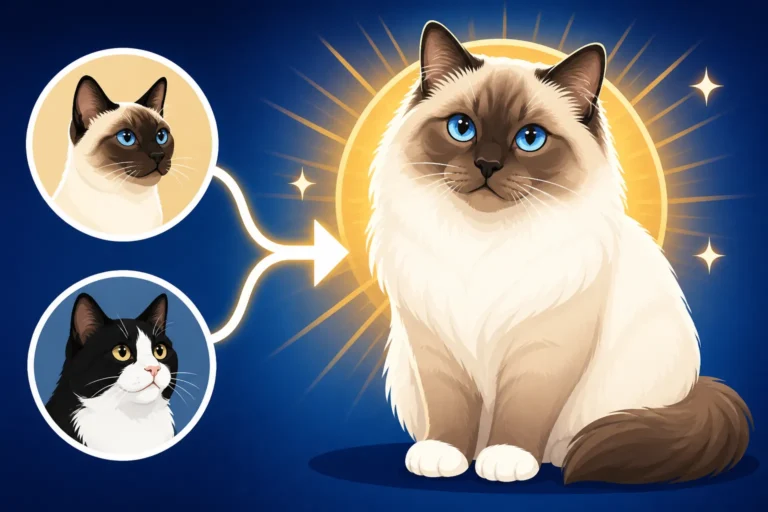
It’s a situation that brings a chill to any responsible breeder's heart: receiving genetic test results that confirm one of your beloved Birman cats is a carrier for a serious inherited disease. While these cats may appear perfectly healthy, the implications for their offspring, especially when considering certain pairings, are profound and can lead to immense heartache. This guide will meticulously unpack why mating two Birman carriers together is a practice fraught with peril, detailing the genetic realities, the devastating consequences for kittens, and the ethical responsibilities that weigh heavily on breeders.
Understanding Genetic Carriers in Birmans
When we talk about a "carrier" in the context of cat genetics, we're discussing an animal that holds a copy of a gene for a specific disease, but doesn't actually show symptoms of that disease itself. It's a bit like carrying a secret – the information is there, but it's not being actively broadcast. For Birman breeders, understanding this distinction is absolutely vital.
What "Carrier" Truly Means for a Birman
A Birman designated as a "carrier" means it has one normal copy of a particular gene and one mutated, disease-causing copy of that same gene. Since most serious inherited diseases in Birmans, like Feline Hypotrichosis with Thymic Aplasia (FOXN1) and Polycystic Kidney Disease (PKD1), are passed down through an autosomal recessive pattern, the presence of that single normal gene copy is usually enough to prevent the cat from developing the illness. This is why a carrier Birman often looks, acts, and feels just as healthy as any other cat in the cattery. You wouldn't know by looking at them that they harbor a genetic secret. They might run, play, and groom themselves with perfect vigor, making it incredibly easy to overlook their carrier status if genetic testing isn't diligently performed. Knowing how a Birman carrier is identified is the first crucial step in any responsible breeding program.
Autosomal Recessive Inheritance Explained
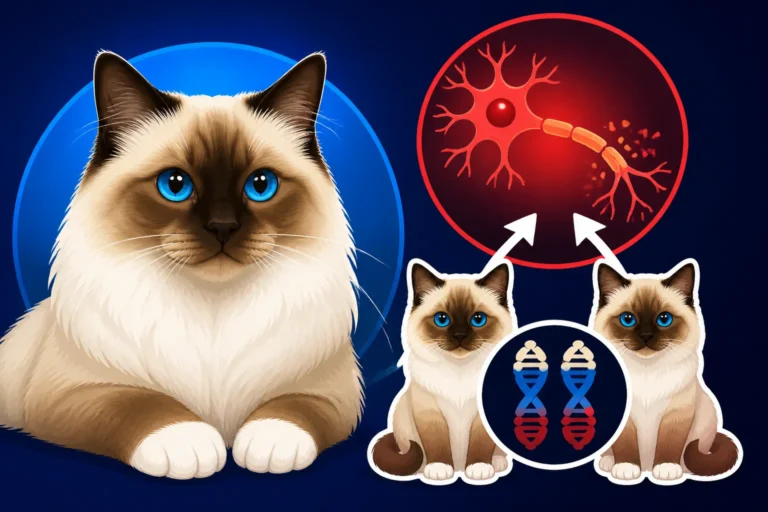
The term "autosomal recessive" might sound like complex scientific jargon, but it's fundamentally important to grasp. "Autosomal" simply means the gene is not located on a sex chromosome (like X or Y), so it affects males and females equally. "Recessive" means that for a cat to develop the disease, it needs to inherit two copies of the mutated gene – one from each parent. If a cat only gets one copy of the mutated gene and one normal copy, it will be a carrier, not affected.
Imagine it like a switch. If you have two "on" switches (two normal genes), everything works fine. If you have one "on" and one "off" (one normal, one mutated), the "on" switch usually overrides the "off" one, and things still work normally – that's a carrier. But if you get two "off" switches (two mutated genes), then nothing works, and the cat develops the disease. This is why when two carriers are mated, there's a significant risk of those two "off" switches combining in some of the offspring.
Why Carriers Often Show No Symptoms
The reason carrier Birmans appear outwardly healthy is directly linked to the recessive nature of these genes. The single functional copy of the gene is typically sufficient to produce enough of the necessary protein or enzyme to keep the cat healthy. The body can compensate, meaning that the disease mechanism isn't triggered. For instance, with a condition like FOXN1, which affects the immune system, a carrier still produces enough functioning thymic tissue to mount an effective immune response, even though they carry a gene that, in two copies, would lead to a severely compromised system. This asymptomatic nature is precisely why genetic testing is so critical. Without it, a breeder might unknowingly breed two carriers, with devastating consequences for the kittens. It also underscores why a Birman hides illness behind a placid temperament, often masking even more overt health issues until they are advanced.
The Specific Risks: FOXN1 (Hypotrichosis) and PKD1
While there are many potential genetic conditions, two stand out as particularly important for Birman breeders to be aware of: Feline Hypotrichosis with Thymic Aplasia (FOXN1) and Polycystic Kidney Disease (PKD1). These conditions, though different in their manifestation, both follow an autosomal recessive inheritance pattern, making the carrier status a serious consideration.
FOXN1 and Thymic Aplasia in Birmans
Feline Hypotrichosis with Thymic Aplasia, often simply referred to as FOXN1 or Birman Hypotrichosis, is a truly heartbreaking condition. The FOXN1 gene plays a critical role in the development of hair follicles and, crucially, the thymus gland. The thymus is a vital organ in the immune system, responsible for maturing T-cells, which are essential for fighting off infections. When a Birman kitten inherits two copies of the mutated FOXN1 gene, it results in a double whammy: severe hair loss (hypotrichosis) and a complete or near-complete absence of a functional thymus (thymic aplasia).
This means that affected kittens are born either completely bald or with extremely thin, greasy coats, and, more critically, they have no effective immune system. They are essentially defenseless against even common bacteria and viruses, making their chances of survival incredibly slim. What FOXN1 does to a Birman kitten is devastating, and as such, Birman Hypotrichosis is rightly called Short Life Expectancy. This is why a bald Birman kitten catches every infection.
PKD1 and Its Silent Threat
Polycystic Kidney Disease (PKD1) is another significant concern, though it manifests very differently from FOXN1. While FOXN1 affects kittens from birth with immediate and obvious symptoms, PKD1 is a progressive disease that often doesn't show clinical signs until middle to older age. PKD1 is characterized by the growth of numerous fluid-filled cysts in the kidneys. These cysts slowly enlarge over time, eventually taking over healthy kidney tissue and leading to kidney failure.
The Birman breed, like many others, acquired the PKD gene through outcrossing with Persians in its post-war rebuilding efforts. Why PKD reached the Birman through the Persian is a key part of the breed's genetic history. What kidney cysts do to a Birman is insidious, gradually robbing the cat of its health. A carrier Birman for PKD1 will not develop the disease itself, as one healthy copy of the gene is enough to prevent cyst formation or keep it minimal and non-problematic. However, if two PKD1 carriers are bred, there is a risk of producing kittens that inherit two copies of the mutated gene, meaning they will develop the disease. The good news is that the How the PKD1 test clears a Birman means we have a definitive way to identify carriers.
Other Potential Recessive Conditions
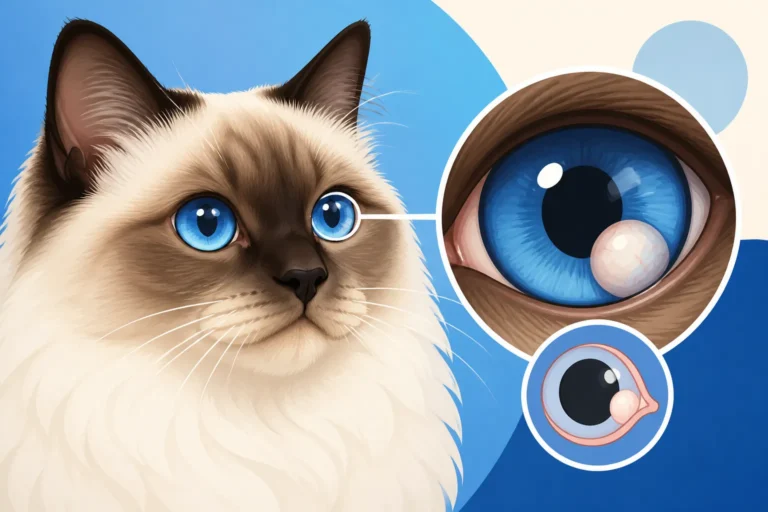
While FOXN1 and PKD1 are two of the most commonly discussed and tested-for recessive conditions in Birmans, they are not the only possibilities. The full genetic picture of any breed is complex, and ongoing research continues to identify new markers for various conditions. For instance, certain blood types can cause issues if not considered during breeding. Why a Birman's blood type matters at mating is critical for preventing neonatal isoerythrolysis in kittens. Corneal dermoids, though less common, can also have a genetic component, and How a corneal dermoid shows in a Birman is important for breeders to recognize. The key takeaway is that a carrier status for any serious recessive condition necessitates careful breeding choices to avoid producing affected offspring. This proactive approach ensures the overall health and vitality of the Birman line.
The Heartbreaking Outcome: Affected Kittens
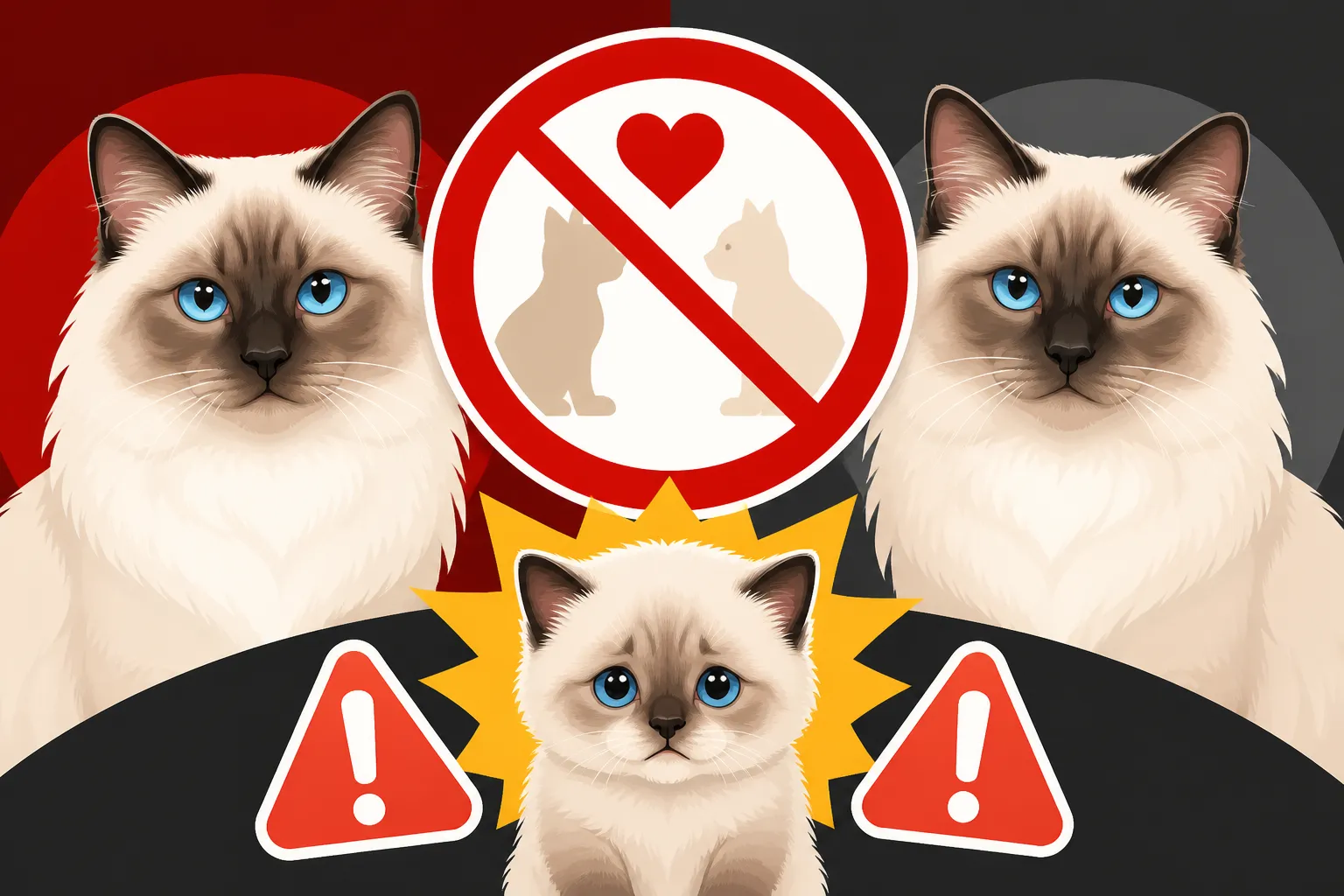
The primary reason why mating two Birman carriers is strongly advised against is the high probability of producing "affected" kittens. These are the kittens that inherit two copies of the faulty gene, and therefore, will suffer from the full manifestation of the disease. It's a risk that no truly ethical breeder wants to take, not just for the sake of the individual kittens, but for the profound emotional and financial toll it takes on everyone involved.
The Reality of an Affected Litter
When two carriers for an autosomal recessive disease are mated, basic Mendelian genetics dictate the statistical outcome:
- 25% chance of kittens being "clear" (inheriting two normal gene copies).
- 50% chance of kittens being "carriers" (inheriting one normal and one mutated gene copy).
- 25% chance of kittens being "affected" (inheriting two mutated gene copies).
This means that, on average, one in every four kittens in such a litter will be born with the disease. For a condition like FOXN1, what an affected Birman kitten looks like at birth is immediately recognizable – often bald or severely undercoated. The reality of dealing with such a litter is devastating. Imagine the joy of a new litter, only to find some kittens are already facing insurmountable health challenges from day one. These affected kittens are not just "unshowable" or "pet quality"; they are critically ill and often have no chance of long-term survival. This is the stark reality that breeders must confront when making mating decisions.
Why a Birman Kitten Born Bald Will Not Reach Eight Months
Specifically regarding FOXN1, the prognosis for an affected Birman kitten is grim. The combination of hypotrichosis and thymic aplasia means these kittens are born without a proper immune system. They cannot fight off infections that a healthy kitten would easily overcome. Even with the most intensive veterinary care, they are extremely susceptible to bacterial, viral, and fungal pathogens. Despite dedicated nursing, warmth, and supportive feeding, these kittens typically succumb to overwhelming infection within weeks or a few months. Why a Birman kitten born bald will not reach eight months is a harsh reality. Their short life expectancy is agonizing for anyone who has witnessed it. The constant battle against illness, the inability to thrive, and the inevitable decline are emotionally exhausting. How many months an affected Birman kitten survives is usually measured in weeks, making the decision to humanely euthanize a common and heartbreaking necessity to prevent prolonged suffering.
The Emotional and Financial Toll
Beyond the profound sadness of losing kittens, or watching them suffer, there's a significant emotional and financial toll on breeders. Responsible breeders pour their hearts, time, and resources into their cats. The discovery of an affected litter is a crushing blow, leading to guilt, grief, and often, feelings of failure, even when all precautions should have been taken. The veterinary costs associated with attempting to save affected kittens can be exorbitant – intensive care, diagnostics, antibiotics, and other supportive treatments quickly add up. And even if a kitten survives for a short period, the care is constant and demanding.
This is where having a robust pet insurance plan can become invaluable. While a breeder aims to prevent such outcomes, unexpected health issues can arise, and a good policy from providers like Healthy Paws can alleviate some of the financial burden. However, insurance can't erase the emotional pain. The constant anxiety, the sleepless nights, and the ultimate heartbreak are profound. Furthermore, the reputation of a cattery can be severely impacted if it becomes known for producing diseased kittens, affecting future placements and the trust of potential kitten buyers.
Ethical Breeding Practices and Responsible Choices
The cornerstone of reputable Birman breeding lies in a deep understanding of genetics and an unwavering commitment to the health and welfare of the cats. This means making responsible, ethical choices, even when those choices are difficult. Avoiding the mating of two carriers is not just about preventing heartbreak; it’s about upholding the integrity of the breed and ensuring a healthy future for Birmans.
The Breeder's Responsibility
A responsible Birman breeder holds a heavy burden of responsibility. It extends far beyond simply producing beautiful kittens; it encompasses safeguarding the health, temperament, and genetic legacy of the breed. This responsibility begins with comprehensive genetic testing of all breeding cats for known hereditary conditions like FOXN1 and PKD1. What testing a Birman for FOXN1 and PKD1 together costs is a small price to pay for peace of mind and the health of future generations.
If a cat tests as a carrier, the breeder has a critical decision to make. While a carrier can still be responsibly bred, it must be mated with a cat that is genetically "clear" for that specific condition. Never mating two carriers is a non-negotiable rule. The breeder also has a responsibility to be transparent with potential buyers about the genetic status of parent cats and to provide health guarantees that reflect these genetic considerations. This builds trust and ensures that new owners are fully informed.
Understanding Punnett Squares in Breeding Decisions
For breeders, the Punnett Square isn't just a high school biology exercise; it's a vital tool for making informed mating decisions. This simple diagram visually represents the probability of offspring inheriting specific genetic traits from their parents.
Let's illustrate with the case of mating two carriers (let's use 'N' for the normal gene and 'd' for the disease-causing gene):
| N | d | |
|---|---|---|
| N (from Parent 1) | NN | Nd |
| d (from Parent 1) | Nd | dd |
As you can see from the table, when two Nd (carrier) cats are bred:
- NN (Clear): 25% chance
- Nd (Carrier): 50% chance
- dd (Affected): 25% chance
This visual representation clearly demonstrates the unavoidable 25% risk of producing affected kittens, a risk that ethical breeders strive to eliminate entirely. Conversely, if a carrier (Nd) is bred with a clear (NN) cat, the Punnett Square looks like this:
| N | N | |
|---|---|---|
| N (from Parent 1) | NN | NN |
| d (from Parent 1) | Nd | Nd |
In this scenario:
- NN (Clear): 50% chance
- Nd (Carrier): 50% chance
- dd (Affected): 0% chance
This second scenario, where a carrier is bred with a clear cat, produces no affected kittens, making it the only responsible choice when a carrier is part of a breeding program. Why a Birman carrier can still be bred carefully, provided the other parent is clear, is a nuanced but important point.
The Impact on the Gene Pool
Some might argue that removing all carriers from the breeding pool is the safest option. However, this isn't always practical or beneficial for the long-term health of the breed. Overly aggressive removal of carriers, especially if the carrier rate is high or if the carrier is otherwise an exceptional example of the breed, can drastically narrow the gene pool. A narrow gene pool can lead to increased inbreeding coefficients and the unintended emergence of other recessive diseases that weren't even on the radar before.
The goal is to eliminate disease, not necessarily eliminate every carrier. By carefully breeding carriers only to clear mates, breeders can still use valuable genetic lines without producing affected kittens, slowly reducing the frequency of the faulty gene in the population over generations. This strategy helps maintain genetic diversity while systematically working towards a healthier future for the Birman breed.
Preventative Measures and Genetic Testing
The key to avoiding the tragic consequences of mating two Birman carriers lies squarely in proactive preventative measures, with genetic testing at the forefront. This isn't just a recommendation; it's a fundamental requirement for ethical breeding and ensuring the health of Birman kittens.
Essential Genetic Testing for Birmans
Before any Birman cat enters a breeding program, comprehensive genetic testing is paramount. For Birmans, this typically includes screening for FOXN1 and PKD1. The good news is that these tests are readily available and usually involve a simple cheek swab, making them non-invasive and stress-free for the cat. A reputable genetic lab can process these samples and provide clear results.
Beyond these core tests, breeders should also consider other health screenings. For example, Hypertrophic Cardiomyopathy (HCM) is a concern in many breeds, including Birmans, though it doesn't have a direct DNA test; it's screened via echocardiograms. HCM in a Birman has no DNA test, only an echo. However, screening breeding cats for this through regular cardiac scans helps minimize its prevalence. Additionally, understanding a Birman's blood type can prevent issues like neonatal isoerythrolysis in kittens. A comprehensive approach to health screening ensures that breeders have the fullest possible picture of their cats' genetic health.
Interpreting Test Results Accurately
Receiving genetic test results can sometimes feel overwhelming, but understanding them is crucial. Results typically fall into three categories for recessive conditions:
- Clear/Normal: The cat has two normal copies of the gene and cannot develop the disease nor pass it on.
- Carrier: The cat has one normal copy and one mutated copy of the gene. It will not develop the disease but can pass the mutated gene to its offspring.
- Affected: The cat has two mutated copies of the gene. It will develop the disease.
How to read a Birman's carrier result is straightforward, but its implications for mating must be fully understood. A "carrier" result isn't a death sentence for a breeding cat's career, but it is a strict directive regarding mate selection. A carrier Birman can be bred, but only to a cat that is "clear" for that specific condition. Never, ever to another carrier. If you're unsure about the results or their implications, don't hesitate to consult with the genetic lab, a veterinary geneticist, or an experienced mentor breeder.
Working with Genetic Labs and Veterinarians
Establishing a strong working relationship with both a reputable genetic testing laboratory and a knowledgeable veterinarian is an absolute must for any Birman breeder. Labs like OptiGen or UC Davis are well-respected for feline genetic testing and can provide accurate and reliable results. They can also offer guidance on which tests are most relevant for the Birman breed.
Your veterinarian also plays a pivotal role. They can help collect samples correctly, interpret complex results, and advise on overall breeding health protocols. If an affected kitten is born, your vet will be indispensable in providing palliative care or, tragically, assisting with humane euthanasia. Having a vet who understands the specific health concerns of Birmans and supports ethical breeding practices is invaluable. This professional network provides a critical safety net, helping breeders make informed decisions and manage any health challenges that may arise, reducing both emotional stress and potential financial strain that could arise if an affected kitten required extensive care, even with a provider like Healthy Paws.
The Long-Term Impact on the Birman Breed
The decisions made by individual breeders today have a ripple effect that extends far into the future of the entire Birman breed. Responsible breeding practices, particularly regarding carrier status and genetic diseases, are not just about the current litter; they are about safeguarding the breed's health, vitality, and genetic diversity for generations to come.
Safeguarding the Birman's Future
Every time a breeder chooses to mate two carriers, they are knowingly gambling with the health of a significant portion of their litter. This short-sighted approach, if widespread, can rapidly increase the incidence of severe genetic diseases within the breed population. Over time, this could lead to a higher number of affected cats, a decrease in public trust, and potentially even threaten the viability of the breed itself.
Conversely, by committing to thorough genetic testing and making responsible mating choices, breeders collectively contribute to a healthier future for Birmans. When carriers are bred only to clear mates, the frequency of the disease-causing gene can be gradually reduced within the population without losing valuable genetic lines. This thoughtful, long-term strategy ensures that future generations of Birmans are as healthy and robust as possible, reinforcing the breed's reputation for gentle companionship and good health.
Maintaining Genetic Diversity
While the immediate goal is to prevent the birth of affected kittens, it's also crucial not to inadvertently harm the breed's genetic diversity. If every carrier of a particular gene were immediately removed from the breeding pool, especially for genes where the carrier rate might be relatively high, the available gene pool could shrink too dramatically. A narrow gene pool increases the risk of inbreeding depression and can inadvertently make the breed more susceptible to other, as yet unidentified, genetic issues or reduce its overall resilience.
The intelligent management of carriers is therefore essential. By breeding carriers only to clear individuals, the harmful gene can be diluted over generations while still retaining the desirable traits that the carrier might possess. This balanced approach protects both individual kitten welfare and the broader genetic health of the breed. It's about finding that sweet spot where disease is minimized without sacrificing the robustness that comes from a diverse gene pool.
The Role of Registries and Breeder Guidelines
Breed registries and associations play a crucial role in promoting and enforcing ethical breeding standards. Organizations like The Cat Fanciers' Association (CFA) or The International Cat Association (TICA) often provide recommendations or even requirements for genetic testing for specific breeds. They serve as a repository of information and a community for breeders to share best practices.
While not all registries mandate testing for every condition, their guidelines often encourage a high standard of care and ethical decision-making. Reputable breeders adhere to, and often exceed, these guidelines. The publication of health test results, particularly for critical conditions like FOXN1 and PKD1, allows for greater transparency within the breeding community and helps potential kitten buyers make informed choices. This collective effort, guided by established standards, is essential for the ongoing health and integrity of the Birman breed.
Disclaimer
This article is intended for informational purposes only and does not constitute veterinary advice. Always consult with a qualified veterinarian for any health concerns or before making any decisions related to your cat's health or breeding program. Genetic testing results and breeding decisions should be made in consultation with veterinary professionals and experienced breeders.