Why Only Two Copies Cause the Birman Disease
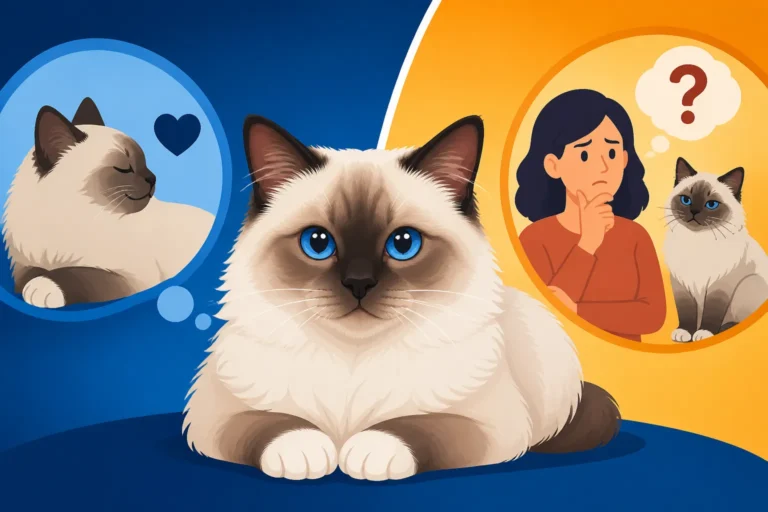
Finding out your beloved Birman cat, or a kitten you hoped to bring home, might be affected by a devastating genetic condition is truly heartbreaking. It’s a harsh reality that some of the most serious health issues in our feline friends stem from traits passed down through generations, often in a way that’s not immediately obvious. This guide will walk you through the complexities of recessive genetic diseases in Birmans, specifically focusing on why a disease like Birman Hypotrichosis (linked to the FOXN1 gene) only manifests when a kitten inherits two copies of a particular gene.
Unpacking Recessive Genetic Inheritance in Birmans
When we talk about genetic diseases, it often boils down to how genes are passed from parents to offspring. Not all genes behave the same way; some are dominant, meaning you only need one copy to see the trait, while others are recessive, requiring two copies to manifest. It’s a crucial concept to grasp, especially when safeguarding the health of a cherished breed like the Birman.
The Basics of Genes and Alleles
Every cat, including our beautiful Birmans, carries two copies of each gene—one inherited from their mother and one from their father. These gene copies are called alleles. Think of it like a pair of shoes; you need two to make a full set. For many traits, whether it's coat color or a predisposition to certain health conditions, these two alleles work together.
In the case of recessive genetic diseases, one of these alleles might carry a mutation, a little "typo" in the genetic code that could lead to a health problem. If a cat inherits one normal allele and one mutated allele, they usually won't show any signs of the disease. This is because the single healthy, dominant allele can compensate for the faulty, recessive one. Such a cat is known as a "carrier." They carry the gene, but they don't have the disease themselves. It's like having a spare key for a car; you have it, but you don't use it unless the main key is lost.
Why Two Copies Are Required for Disease Expression
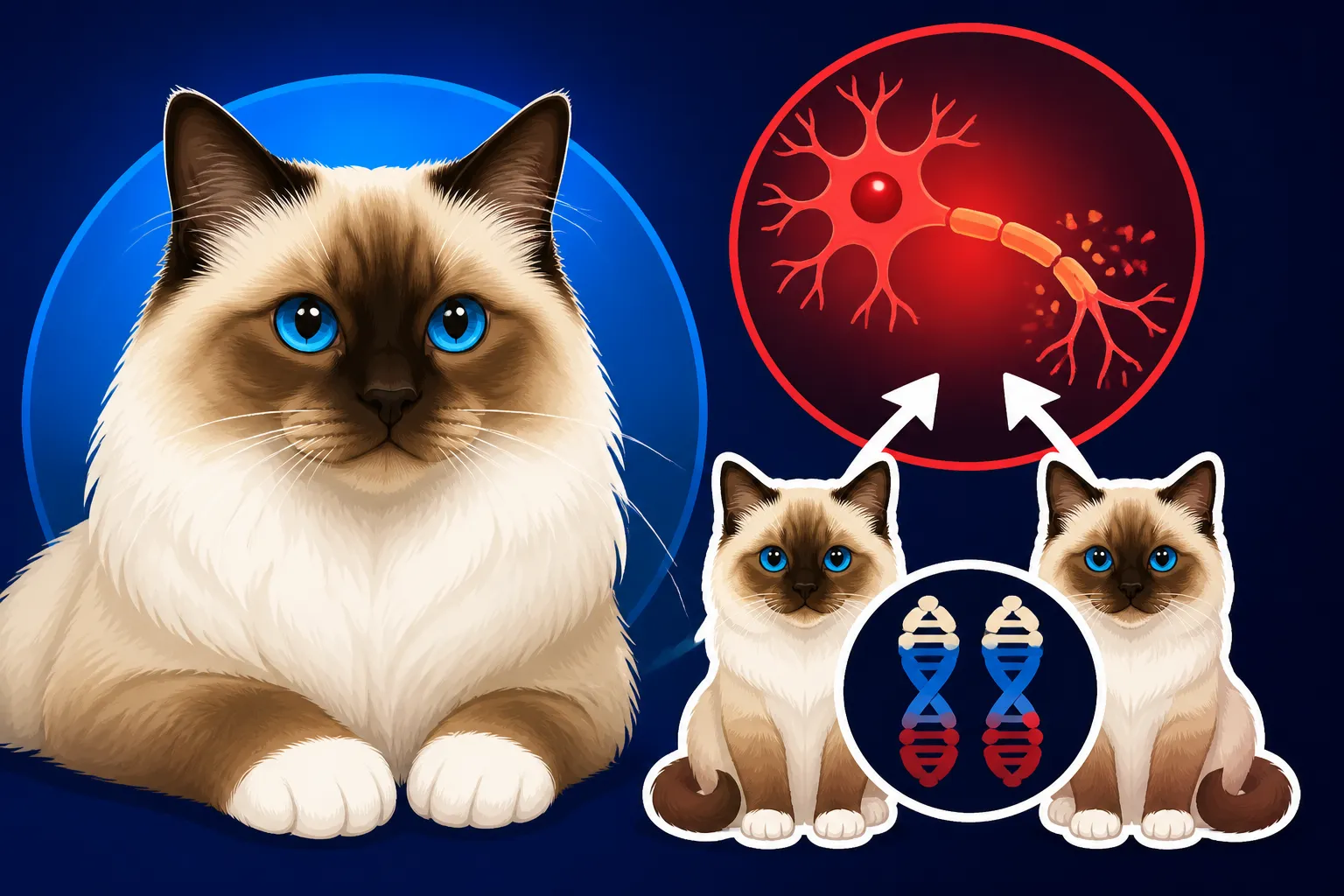
The critical factor with a recessive genetic condition is that the disease only appears when an individual inherits two copies of the mutated allele, one from each parent. If a Birman kitten receives a mutated allele from its mother and another mutated allele from its father, it will have no healthy allele to compensate. In this scenario, the full effect of the mutation takes hold, and the disease will manifest. This is precisely why it's referred to as "recessive" – the trait only "recedes" to the background when a dominant, healthy gene is present, but comes to the forefront when two recessive genes pair up.
For Birman breeders, understanding this mechanism is paramount. A cat that is a carrier looks completely healthy, acts completely healthy, and can live a long, full life. The only way to know they carry the gene is through specific genetic testing. This is why testing is so vital, not just for the health of individual cats but for the future of the breed itself. Without testing, two unsuspecting carrier Birmans could be mated, leading to a litter where some kittens are tragically affected by the disease. This kind of diligent screening, often included in comprehensive pet insurance plans from providers like Healthy Paws for certain conditions, is essential for responsible breeding.
Birman Hypotrichosis and the FOXN1 Gene
When we delve into specific conditions that fit this recessive inheritance pattern in Birmans, one of the most devastating is Birman Hypotrichosis, a genetic disorder often linked to a specific mutation in the FOXN1 gene. This condition, unfortunately, has profound implications for affected kittens.
The Role of the FOXN1 Gene
The FOXN1 gene is incredibly important in mammals. It plays a crucial role in the development of both the hair follicles and the thymus gland. The thymus is a small but mighty organ located in the chest, vital for the immune system, particularly in the early stages of life. It’s where T-cells, a type of white blood cell, mature and learn to fight off infections.
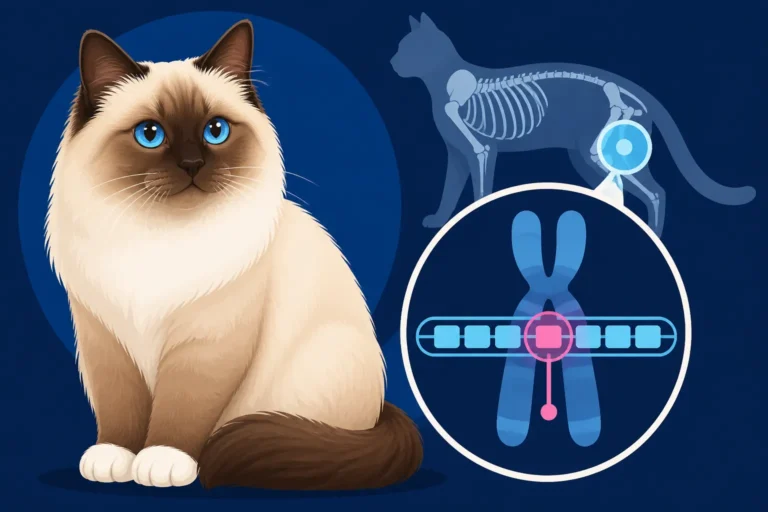
In Birmans, a specific deletion or mutation within the FOXN1 gene has been identified. This mutation is what causes Birman Hypotrichosis. When a kitten inherits two copies of this mutated FOXN1 gene, the impact is severe because the gene cannot perform its essential functions correctly. Without a properly functioning FOXN1 gene, the development of hair follicles is severely compromised, and critically, the thymus gland fails to develop correctly, or doesn't develop at all.
How the Disease Manifests in Affected Kittens
A Birman kitten born with two copies of the mutated FOXN1 gene will present with clear and heartbreaking symptoms. Typically, these kittens are born either completely bald or with an extremely sparse, thin coat. This "hypotrichosis" is often the first visible sign something is wrong. Their skin might appear greasy or unhealthy due to the absence of proper hair development.
However, the lack of hair is only one part of the problem, and frankly, the less severe part. The truly life-threatening aspect of this condition is the associated thymic aplasia, meaning the thymus gland is either absent or severely underdeveloped. A missing or non-functional thymus means the kitten’s immune system is severely compromised from birth. They cannot produce mature T-cells, leaving them essentially defenseless against even common infections. You might remember reading about how a Birman kitten born bald will not reach eight months, and this underlying immune deficiency is the critical reason. They catch every infection and struggle to recover, leading to a very short and often painful life.
It's a stark reminder of the delicate balance of genetics, where one faulty gene, when doubled up, can have such a catastrophic impact on a developing life. Breeders and owners are constantly striving to prevent these outcomes, using all the tools at their disposal.
Breeder Responsibilities and Genetic Testing
Understanding recessive genetic diseases like Birman Hypotrichosis places a significant responsibility on breeders. Their choices directly impact the health and welfare of future generations of Birmans. Thankfully, modern genetic testing provides powerful tools to manage these risks proactively.
Identifying Carriers Through DNA Testing
The good news is that reliable DNA tests are available to identify Birmans that are carriers of the FOXN1 mutation. These tests typically involve a simple cheek swab, which can be sent to specialized veterinary genetics laboratories. Institutions such as the UC Davis Veterinary Genetics Laboratory or Optimal Selection are well-known for offering comprehensive genetic panels for various breeds, including Birmans. The results clearly indicate whether a cat is "clear" (meaning they have two healthy copies of the gene), a "carrier" (one healthy, one mutated copy), or "affected" (two mutated copies, though sadly, affected kittens rarely live long enough to be tested as adults). You can learn more about how a Birman carrier is identified through these tests.
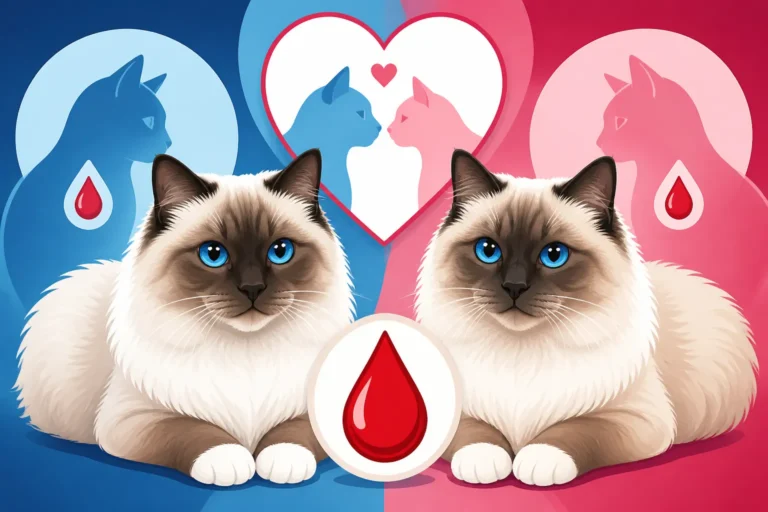
These tests are a breeder's best friend. They allow responsible breeders to make informed decisions about their breeding pairs. A clear cat can be safely bred with a carrier cat, as statistically, none of the offspring will be affected, though some will be carriers themselves. However, a responsible breeder would never knowingly mate two carriers together. Why two Birman carriers should never be mated is simple: there’s a 25% chance with every litter that a kitten will inherit two copies of the mutated gene and suffer from the disease, along with a 50% chance of producing more carriers.
Ethical Breeding Practices and Transparency
Responsible Birman breeders are transparent about their genetic testing results. They should be able to provide documentation, often from reputable labs, proving that their breeding cats are clear or known carriers. This transparency is not just good practice; it's a cornerstone of ethical breeding, ensuring the health of the Birman breed and safeguarding the emotional and financial investment of prospective owners. Many reputable registries and breed clubs strongly recommend, or even mandate, these tests for breeding animals.
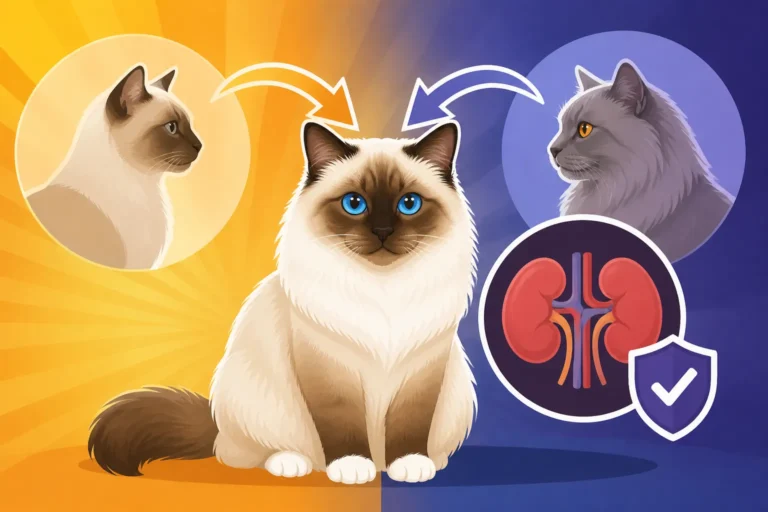
The cost of testing a Birman for FOXN1 is a small price to pay compared to the emotional and financial toll of dealing with an affected kitten. While pet insurance plans from providers like Healthy Paws can help cover unexpected veterinary expenses, preventative testing eliminates a known risk entirely. It’s an investment in the health of the breed and a testament to a breeder's commitment. A diligent breeder will also consider other genetic health concerns, such as Polycystic Kidney Disease (PKD), which is why a Birman breeder still tests for PKD.
The Tragic Outcome for Affected Birman Kittens
The reality for Birman kittens born with two copies of the mutated FOXN1 gene is incredibly grim. Understanding the full scope of their challenges is important for anyone involved with the breed, from breeders to potential owners.
Severe Health Complications
As we discussed, the primary issue for these kittens isn't just their lack of fur. It's the profound immunodeficiency caused by thymic aplasia. Without a functioning thymus, their bodies are unable to produce vital T-cells, leaving them with almost no defense against bacteria, viruses, and other pathogens that a healthy kitten's immune system would easily fend off.
From the moment they are born, these kittens are highly susceptible to every infection imaginable. They might suffer from chronic respiratory infections, persistent digestive issues, skin infections, and a general failure to thrive. It’s a constant battle against their own compromised biology. They are often underweight, lethargic, and simply cannot keep up with their healthy siblings. This is why a bald Birman kitten catches every infection and struggles immensely.
A Limited Lifespan and Difficult Decisions
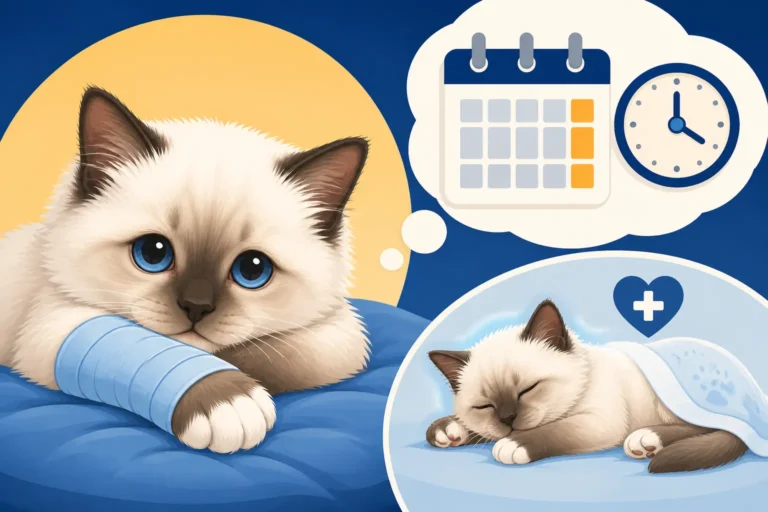
Despite the best efforts of dedicated breeders and veterinarians, the prognosis for a Birman kitten with two copies of the mutated FOXN1 gene is unfortunately very poor. The immune system is so fundamental to survival that without it, sustained life is incredibly difficult. Most affected kittens do not survive past a few months of age. We often see how many months an affected Birman kitten survives, and it's rarely more than six to eight months.
The decision facing breeders and owners in such circumstances is agonizing. Providing round-the-clock care for a kitten that is constantly ill, suffering from recurring infections, and ultimately has no hope of developing a robust immune system, is emotionally draining and often financially unsustainable, even with a comprehensive pet health plan. Sadly, the most humane choice, to prevent prolonged suffering, is often euthanasia. This is why an affected Birman kitten is usually put to sleep early in its life, a heartbreaking but necessary decision made out of love and compassion. This harsh reality underscores the absolute importance of genetic testing and responsible breeding practices to prevent such suffering in the first place.
The journey of caring for Birmans is filled with joy, but it also carries the weight of responsibility, especially when it comes to safeguarding their health against such devastating genetic conditions.
Disclaimer
Please note that this article provides general information and should not be considered a substitute for professional veterinary advice. Always consult with a qualified veterinarian for any health concerns or before making any decisions related to your Birman cat's care or breeding. Genetic testing and breeding decisions should be made in consultation with veterinary professionals and experienced breeders.