How the FOXN1 Deletion Reaches a Birman Litter
When you welcome a Birman cat into your family, you're not just getting a beautiful companion; you're also embracing a fascinating breed with its own unique genetic tapestry. One of the most serious health concerns that conscientious Birman owners and breeders grapple with is the FOXN1 gene deletion, a silent threat that can lead to devastating health issues in kittens. This comprehensive guide will walk you through the intricate ways this genetic deletion makes its way into Birman litters, helping you understand the science behind it and the importance of responsible breeding practices.
Understanding the FOXN1 Gene and Its Vital Role
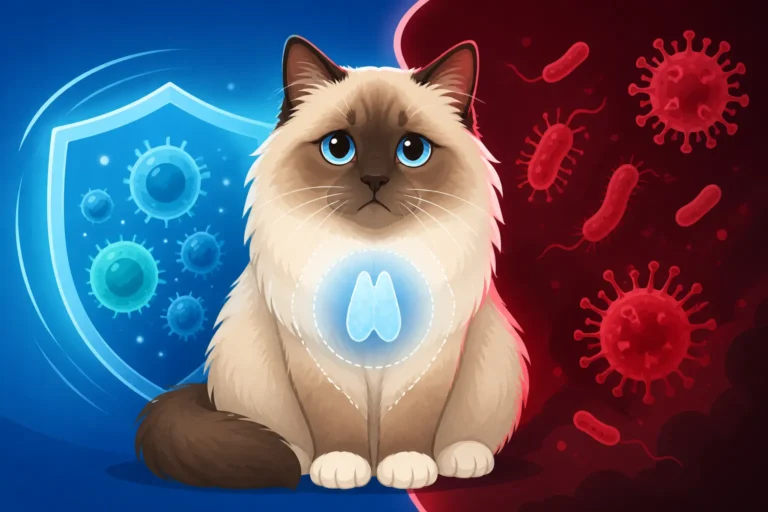
The FOXN1 gene, short for "forkhead box N1," is a bit of a quiet hero in the genetic makeup of many mammals, including our beloved Birman cats. It plays an absolutely critical role in the development of the thymus gland, an organ that's often overlooked but is absolutely essential for a healthy immune system. Think of the thymus as the training ground for T-cells, which are a specialized type of white blood cell that hunts down and destroys infected cells and helps coordinate the immune response. Without a properly functioning thymus, an animal's immune system is severely compromised.
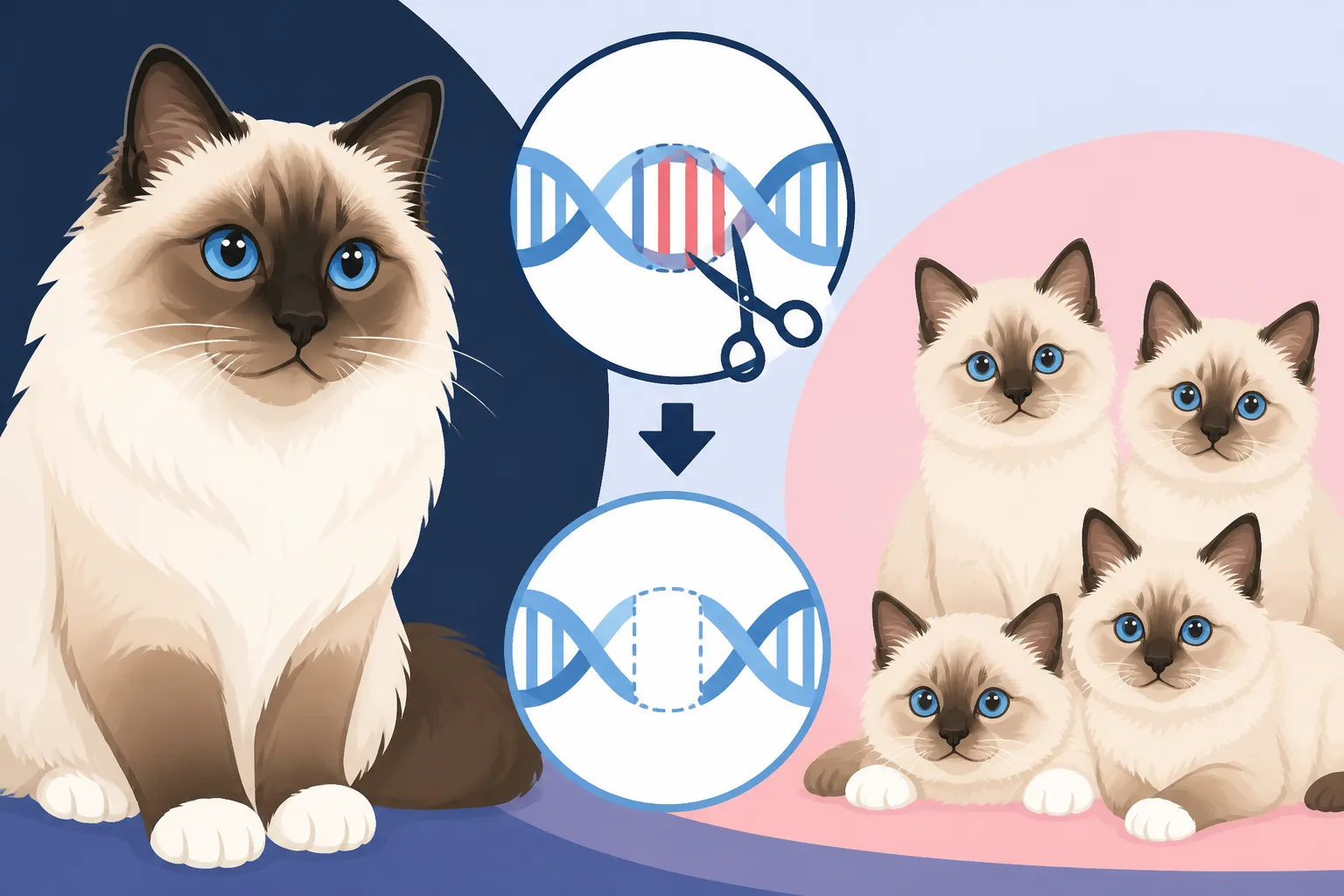
In Birmans, a specific deletion in the FOXN1 gene disrupts this vital process. This isn't just a minor glitch; it's a fundamental error that prevents the thymus from developing correctly, or sometimes from developing at all. When this happens, it's known as thymic aplasia or hypoplasia, meaning the thymus is either absent or severely underdeveloped. The consequences for a kitten with this condition are profound and heartbreaking.
Imagine a newborn kitten, utterly reliant on its mother and its developing immune system to ward off the countless environmental threats it will encounter. A kitten born with this deletion has almost no defense against common infections that other kittens easily shrug off. This gene, therefore, is directly linked to why a Birman kitten born bald will not reach eight months, a tragic reality that underscores the severity of this genetic issue. Understanding its core function is the first step in appreciating why screening for this deletion is so paramount for the breed's well-being.
The Genetics of Inheritance: Autosomal Recessive Trait
The FOXN1 deletion follows an autosomal recessive inheritance pattern. Now, don't let those big words intimidate you; it's actually quite straightforward once you break it down. "Autosomal" simply means the gene is located on a non-sex chromosome, so it affects both male and female cats equally. "Recessive" means that a cat needs to inherit two copies of the mutated gene—one from each parent—to actually suffer from the disease.
Decoding Carrier and Affected Status
Cats can have three possible statuses regarding the FOXN1 gene:
- Clear: A "clear" cat has two normal copies of the gene. They won't develop the disease and cannot pass the mutated gene on to their offspring. They are genetically healthy in this regard.
- Carrier: A "carrier" cat has one normal copy of the gene and one mutated copy. These cats are perfectly healthy themselves; they don't show any symptoms of the disease because their one good copy of the gene is enough to ensure proper thymus development. However, they can pass the mutated gene on to their kittens. This is crucial for breeders to understand because a carrier looks and acts just like a clear cat. This status is precisely how a Birman carrier is identified – through genetic testing, not visual inspection.
- Affected: An "affected" cat has two copies of the mutated FOXN1 gene, one from each parent. These are the kittens that will suffer from thymic aplasia. What FOXN1 does to a Birman kitten is severe; they are born with a compromised immune system and typically exhibit hair loss (hypotrichosis) or are completely bald.
The specific location of the FOXN1 deletion sits within the cat's genetic code, a tiny but impactful change that dictates the health trajectory of an affected kitten. Knowing that carriers appear healthy means that without proper testing, unsuspecting breeders could accidentally pair two carriers, leading to devastating results. This is why every responsible Birman breeder emphasizes why a Birman stud should be cleared before use, ensuring that the male parent won't contribute to passing on this recessive trait.
Identifying Carriers Through Testing
Because carrier cats appear completely normal, the only way to know their genetic status is through a specific DNA test. This test is typically performed using a simple cheek swab or blood sample, which is then sent to a specialized veterinary genetic laboratory. The results will clearly indicate whether the cat is clear, a carrier, or affected.
For breeders, knowing this information is non-negotiable. It allows them to make informed decisions about breeding pairs, ensuring they never inadvertently create a litter with affected kittens. Reputable laboratories, such as those that are members of the International Society for Animal Genetics (ISAG), are trusted sources for these tests, with the Veterinary Genetics Laboratory at UC Davis being a well-known facility that offers such panels. When breeders get their results back, they need to know how to read a Birman's carrier result, which typically indicates a "N/P" or "N/Mut" status, meaning one normal and one mutated gene copy. This simple test is the first line of defense in protecting the Birman breed from this debilitating condition.
Pathways to a Birman Litter: Carrier to Carrier Matings
The critical insight into how the FOXN1 deletion reaches a Birman litter lies in understanding the probabilities of inheritance based on the genetic status of the parents. While some pairings pose no risk, others carry a significant, and often tragic, chance of producing affected kittens.
Mating Scenarios and Offspring Probabilities
Let's break down the different scenarios:
-
Clear x Clear: When both parents are clear of the FOXN1 deletion, 100% of their kittens will also be clear. This is the ideal scenario for maintaining a healthy line free from the gene. There's no risk of producing carriers or affected kittens.
-
Clear x Carrier: If one parent is clear and the other is a carrier, on average, 50% of the kittens will be clear, and 50% will be carriers. Importantly, none of these kittens will be affected by the disease themselves, as they will all have at least one normal copy of the gene. However, the carrier kittens can then pass the gene on if they are later bred.
-
Carrier x Affected: While an affected cat would rarely, if ever, be bred due to their severe health issues and short lifespan, if this mating were to occur (for example, with an affected cat living longer than usual with intensive care), 100% of the kittens would be carriers. This is because the affected parent only has mutated genes to pass on, and the carrier parent also passes on a mutated gene.
-
Clear x Affected: Again, an unlikely scenario in responsible breeding, but if a clear cat were bred to an affected cat, all kittens would be carriers. They would not be affected themselves, as they'd receive one normal gene from the clear parent, but every single kitten would carry the deletion.
-
Carrier x Carrier: This is the most concerning and, unfortunately, the most common way for affected kittens to appear in a litter. When two carrier cats are bred together, the statistical outcome is:
- 25% chance of kittens being clear (inheriting two normal genes).
- 50% chance of kittens being carriers (inheriting one normal and one mutated gene).
- 25% chance of kittens being affected (inheriting two mutated genes).
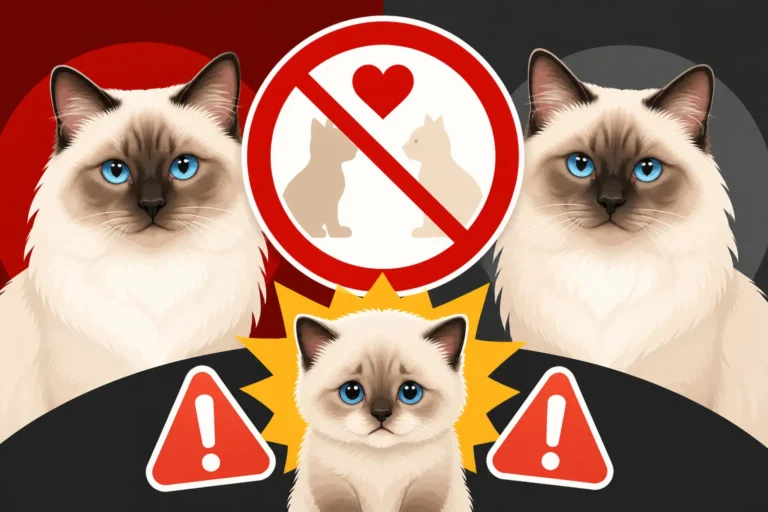
This 25% risk is precisely why two Birman carriers should never be mated. Even if a breeder produces three healthy-looking kittens from such a pairing, there's always that fourth kitten, statistically, that will suffer. It's a gamble with devastating stakes for the affected kittens, leading to a condition that is often called Birman hypotrichosis, or "short life expectancy," because these kittens simply cannot survive long without a functioning immune system.
The Tragic Outcome for Affected Kittens
A kitten born with two copies of the FOXN1 deletion faces a grim prognosis. What an affected Birman kitten looks like at birth often includes varying degrees of hair loss; some are completely bald, while others have very sparse, fine hair. More critically, their immune system is severely compromised due to the lack of a functional thymus. This means they are incredibly vulnerable to even common infections, such as those caused by bacteria, viruses, or fungi, which healthy kittens would easily overcome.
These kittens usually catch every infection, and their tiny bodies simply can't fight them off. They often fail to thrive, suffering from chronic illnesses and developmental issues. Tragically, most affected kittens do not survive past a few weeks or months, and humane euthanasia is often recommended to prevent prolonged suffering. This highlights the profound impact of genetic conditions and the responsibility breeders bear to prevent such outcomes. The process of how a vet confirms a Birman's thymic aplasia typically involves observation of clinical signs, followed by a biopsy of the thymus if it is even present, to verify the lack of proper development.
Here's a quick look at the inheritance patterns:
| Parent 1 Status | Parent 2 Status | Clear Offspring | Carrier Offspring | Affected Offspring |
|---|---|---|---|---|
| Clear | Clear | 100% | 0% | 0% |
| Clear | Carrier | 50% | 50% | 0% |
| Carrier | Carrier | 25% | 50% | 25% |
| Clear | Affected | 0% | 100% | 0% |
| Carrier | Affected | 0% | 50% | 50% |
Note: Breeding affected cats is generally not recommended due to severe health issues.
Preventing the FOXN1 Deletion in Future Generations
Preventing the FOXN1 deletion from impacting future Birman litters is a collective effort, relying heavily on the integrity of breeders and the awareness of prospective pet owners. It all starts with robust genetic testing and a commitment to ethical breeding practices.
The Imperative of Genetic Testing
Genetic testing is the cornerstone of eradication efforts for autosomal recessive diseases like FOXN1. Every breeding Birman, both male and female, should be tested to determine their status (clear, carrier, or affected). This isn't an optional extra; it's a fundamental responsibility. Reliable labs, like OptiGen or those already mentioned such as UC Davis, are invaluable partners in this process. These facilities Which lab runs the Birman FOXN1 test with high accuracy, giving breeders the definitive information they need.
The results of these tests should be transparent and verifiable. Reputable breeders will readily provide copies of genetic health certificates for both parent cats. If a breeder seems hesitant or unable to produce these documents, it should raise a significant red flag for anyone considering buying a kitten from them. It speaks volumes about their commitment to the health of their cats and the future of the breed.
Ethical Breeding Practices
Once a breeder knows the genetic status of their cats, they can make responsible breeding decisions. The goal is to avoid producing any affected kittens. While mating two carriers is absolutely off-limits, breeding a carrier to a clear cat can be done carefully, but with a clear understanding that approximately half of the resulting kittens will still be carriers. These carrier kittens would then need to be tested themselves and ideally placed in pet homes on neuter contracts, or only bred to clear cats if they are intended for a breeding program, perpetuating the cycle of careful management.
Some argue that removing all carriers from the breeding pool immediately could drastically narrow an already somewhat limited gene pool for the Birman. This is a complex discussion within the breeding community. However, the consensus is that preventing the birth of affected kittens is the absolute priority. Over time, through diligent testing and selective breeding, the number of carriers in the population can be reduced without causing a genetic bottleneck. This thoughtful approach ensures the long-term health and vitality of the breed.
The Role of Responsible Pet Ownership and Insurance
As a prospective pet owner, you have a crucial role to play. Ask questions! Insist on seeing the genetic health certificates for the parents of any kitten you consider. Understand that a kitten from a reputable breeder, where such testing is routine, might cost a bit more upfront, but this investment contributes to the health and longevity of your future companion. It also means you're less likely to face heartbreaking situations, like owning a kitten that suffers from why Birman hypotrichosis is called short life expectancy due to this genetic flaw.
Furthermore, considering pet insurance from providers like Healthy Paws can offer peace of mind. While preventing genetic diseases is paramount, unexpected health issues can still arise. A good insurance policy helps cover costs for accidents and illnesses, ensuring you can provide the best care for your Birman throughout its life. It's a layer of protection that complements careful breeding practices. Remember that even with the best efforts, no animal is entirely immune to health challenges, but mitigating known genetic risks is a massive step in the right direction. The overall goal is to ensure that future generations of Birmans are as healthy and robust as possible, making the devastating reality of affected kittens a rarity rather than a risk.
Disclaimer
Please note that the information provided in this article is for educational and informational purposes only and does not constitute veterinary advice. Always consult with a qualified veterinarian for any health concerns or before making any decisions about your pet's care or breeding practices. Genetic testing protocols and recommendations can evolve, so staying current with expert veterinary guidance is essential.