How the PKD1 Test Clears a Birman
It’s a heart-stopping moment for any cat parent when you hear about a hereditary disease that could be lurking in your beloved feline friend’s genetics. For Birman owners, Polycystic Kidney Disease, or PKD, has long been a quiet worry, a shadow cast by the breed's history. This comprehensive guide is here to shed light on how the PKD1 genetic test can offer immense peace of mind, helping you understand your Birman's health status and make informed decisions for their future.
Understanding Polycystic Kidney Disease (PKD) in Cats
Finding out your beautiful Birman might be predisposed to a serious health condition like PKD can be incredibly frightening. The thought of your serene, affectionate companion silently battling a progressive disease is a heavy burden, and it's completely understandable to feel overwhelmed by the unknown. However, with modern genetic testing, much of that uncertainty can be alleviated, allowing for proactive care rather than reactive panic.
What is PKD and How Does it Affect Felines?
Polycystic Kidney Disease (PKD) is a truly insidious inherited condition that impacts many cat breeds, and particularly those with Persian ancestry. It's characterized by the development of multiple fluid-filled cysts within the kidneys, and sometimes other organs like the liver or pancreas. These cysts, which are present from birth, are usually very tiny initially but tend to grow in size and number over time. As they expand, they gradually take over healthy kidney tissue, impeding the kidneys' vital ability to filter waste products from the blood and regulate bodily fluids.
The progression of PKD is notoriously slow and often asymptomatic in its early stages. This means your Birman could appear perfectly healthy and happy for years, showing no outward signs of distress, while these silent cysts are steadily compromising their kidney function. This hidden nature is precisely why the disease is so frustrating for owners and veterinarians alike, as clinical signs — such as increased thirst, frequent urination, weight loss, lethargy, or a poor coat condition — typically only emerge when a significant portion of the kidney tissue has already been damaged, leading to chronic kidney disease or even kidney failure. By this point, the disease is advanced, and management becomes a lifelong commitment to supporting failing organs.
Why PKD Became a Concern for Birman Owners
The presence of PKD in the Birman breed isn't some ancient mystery; it's a direct consequence of historical breeding practices. Following the devastating impact of World War II, the Birman breed faced near extinction, with only a tiny handful of cats remaining to rebuild the entire population. To broaden the dwindling gene pool and save the breed, outcrossing to other breeds was necessary. Among the breeds used was the Persian, known for its long, flowing coat and calm demeanor. While these crosses helped preserve the Birman, they also inadvertently introduced certain genetic vulnerabilities, including the gene responsible for Polycystic Kidney Disease.
The Persian breed has a well-documented history of PKD, and because it is an autosomal dominant condition, meaning only one copy of the faulty gene is needed for a cat to develop the disease, it spread relatively easily within any population that introduced Persian bloodlines without diligent screening. Even though many dedicated Birman breeders have worked tirelessly for decades to identify and remove affected cats from their breeding programs, the legacy of that initial outcrossing means the gene can still pop up in some lines. This makes genetic testing an invaluable tool for modern breeders and responsible pet owners alike, ensuring that future generations of Birmans can live long, healthy lives free from this particular worry. It's a testament to the dedication of the Birman community that efforts continue to actively eliminate this inherited condition. It's a journey, but one that has made significant progress, and understanding Why PKD Reached the Birman Through the Persian really puts things into perspective.
The Science Behind the PKD1 Genetic Test
When you’re faced with the potential for a genetic condition, the idea of a simple test that can tell you definitively is incredibly reassuring. For PKD in Birmans, we're talking about a highly accurate DNA test that directly looks for the genetic culprit, not just the symptoms. It’s a game-changer for prevention and peace of mind.
How the PKD1 Gene Mutation is Identified
The PKD1 genetic test is a marvel of modern veterinary science. Unlike older methods that relied on detecting physical cysts via ultrasound, which often couldn't confirm the disease until cysts were already developed and measurable, the DNA test targets the root cause: a specific mutation in the PKD1 gene. This particular mutation, known as a frameshift deletion, is the singular cause of PKD in cats. It essentially scrambles the genetic code, leading to the production of a non-functional protein called polycystin-1, which is crucial for healthy kidney development and function.
When a laboratory conducts the PKD1 test, they aren't looking for symptoms or existing cysts. Instead, they analyze your Birman's DNA sample to see if this specific, well-characterized mutation is present. If it is, even one copy of this dominant gene mutation, the cat is genetically predisposed to developing PKD. This direct approach means the test can identify at-risk cats long before any clinical signs manifest, or even before any cysts are visible on an ultrasound. It provides a definitive answer about genetic status, allowing breeders to make informed pairing decisions to avoid producing affected kittens, and enabling pet owners to prepare for potential future health needs.
The Process of Getting Your Birman Tested
Getting your Birman tested for PKD1 is a straightforward and non-invasive process, which is a huge relief for both you and your feline friend. It typically begins with a visit to your trusted veterinarian. While some labs allow owners to submit samples directly, having your vet involved ensures proper collection and can help you interpret the results accurately. Your vet will usually collect a DNA sample using a simple cheek swab. This involves gently rubbing a sterile brush or swab along the inside of your Birman's cheek to gather cells containing their genetic material. It’s a quick procedure that most cats tolerate very well, causing minimal stress.
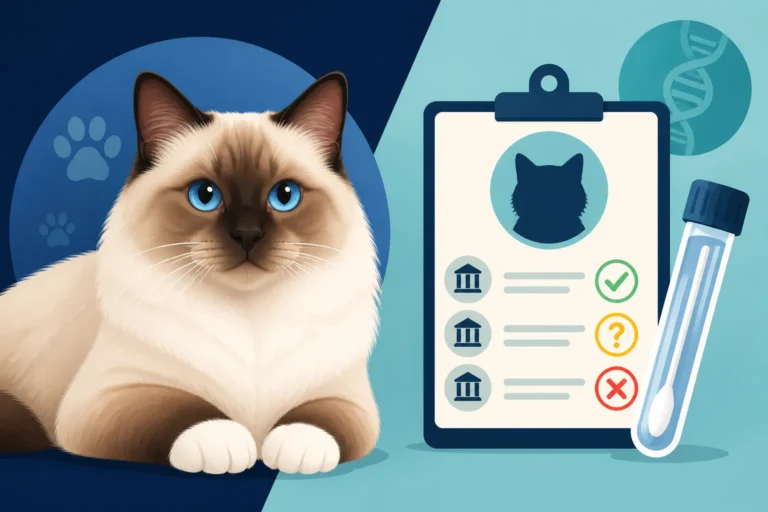
Once the sample is collected, it's carefully packaged and sent to a specialized veterinary genetics laboratory. Reputable labs like Optimal Selection, UC Davis Veterinary Genetics Lab, or Langford Vets in the UK are commonly used for such testing. These labs then extract the DNA and perform the genetic analysis. Turnaround times can vary depending on the lab and their current workload, but generally, you can expect to receive results within a few weeks. The cost can also vary, but often breeders will combine it with other tests like FOXN1, and you can find out What Testing a Birman for FOXN1 and PKD1 Together Costs to get an idea of the investment. Once the results come back, your vet can help you understand what they mean for your individual Birman, providing guidance on how to proceed, whether it's confirming a clear status or discussing management strategies for an affected cat.
Interpreting Your Birman's PKD1 Test Results
Receiving your Birman's genetic test results can be a moment of nervous anticipation. Understanding what the different classifications mean is key to alleviating anxiety and making informed decisions. It’s not just about a pass or fail; it’s about understanding your cat’s genetic blueprint.
Understanding "Clear," "Affected," and "Homozygous Affected" Results
For an autosomal dominant condition like PKD1, the test results are quite direct and crucial for managing the disease within the breed. Here's what each result typically signifies:
-
Clear (N/N): This is the best possible outcome. A "clear" Birman has inherited two normal copies of the PKD1 gene (N stands for normal). This means your cat does not carry the mutation and will not develop Polycystic Kidney Disease due to this specific gene. Furthermore, they cannot pass the mutated gene on to any offspring. This result provides immense relief and confirms your Birman is genetically free from this particular worry, offering a solid foundation for a long, healthy life.
-
Affected (N/PKD1): An "affected" Birman has inherited one normal copy of the gene and one copy of the mutated PKD1 gene. Since PKD1 is an autosomal dominant disease, even one copy of the mutated gene is sufficient to cause the disease. This means your cat will develop kidney cysts and eventually PKD, though the age of onset and severity can vary. They will also pass this mutated gene on to approximately 50% of their offspring if they are bred. For breeders, this result means the cat should not be used in a breeding program to prevent the spread of the disease. For pet owners, it means proactive monitoring and management strategies should be discussed with your vet to support your Birman's kidney health.
-
Homozygous Affected (PKD1/PKD1): This result, though rare, means your Birman has inherited two copies of the mutated PKD1 gene, one from each parent. Cats with two copies of the mutated gene typically develop a more severe, rapidly progressive form of PKD, often with earlier onset of symptoms. Such kittens are usually not viable and may not survive long after birth. Responsible breeding practices, which include testing both parents, aim to prevent such pairings entirely.
Understanding these distinctions is vital. While the news of an affected cat can be daunting, knowing this information early allows for specific veterinary care to begin before the disease becomes advanced.
Implications for Breeding and Pet Owners
The PKD1 test results carry significant implications, especially for Birman breeders, but also for pet owners concerned about their cat's long-term health.
For Breeders: For those dedicated to maintaining the health and integrity of the Birman breed, the PKD1 test is a non-negotiable tool. Breeders with "clear" Birmans can confidently use them in their breeding programs, knowing they will not produce kittens affected by PKD. If a breeder discovers they have an "affected" cat (N/PKD1), they should responsibly remove that cat from their breeding program to prevent passing on the faulty gene. The goal is to gradually eliminate the PKD1 mutation from the Birman gene pool entirely, ensuring healthier generations. This commitment to screening is why reputable breeders proudly share their cats' health certificates, proving their dedication to their lines. It's a continuous, concerted effort, and you can learn more about Why a Birman Breeder Still Tests for PKD even when the breed has made so much progress.
For Pet Owners: If you're bringing a Birman kitten into your home, always ask the breeder for proof that both parents have been tested "clear" for PKD1. This simple request can save you future heartache and significant veterinary expenses. If, by chance, your Birman pet tests as "affected," don't despair. Early knowledge is power. It allows you and your veterinarian to establish a baseline for kidney health and implement proactive monitoring. This might include regular veterinary check-ups, blood tests to track kidney function, and ultrasounds to monitor cyst growth. While PKD is progressive, early detection and careful management can significantly improve your Birman's quality of life and potentially extend their comfortable years. Many insurance providers, like Healthy Paws, recognize the importance of such testing and the ongoing care it might entail, offering policies that can help manage potential costs.
Here's a quick reference table summarizing the PKD1 test results:
| Result Type | Genetic Status | Implications for the Cat | Implications for Breeding (if applicable) |
|---|---|---|---|
| Clear (N/N) | No mutation present | Will not develop PKD due to this gene. | Can be safely bred with any other Birman (N/N, N/PKD1) without producing affected kittens. |
| Affected (N/PKD1) | One copy of mutation | Will develop PKD. Severity and onset vary. | Should not be used in a breeding program to prevent passing on the gene. |
| Homozygous Affected (PKD1/PKD1) | Two copies of mutation | Will develop severe, early-onset PKD. Often not viable. | This pairing should be avoided at all costs by testing parents. |
Living with a PKD-Positive Birman
Discovering your Birman is PKD-positive can be a challenging moment, but it's crucial to remember that it's not an immediate death sentence. With proper care, early detection, and diligent management, many Birmans can live comfortable, happy lives for years even with this diagnosis. Your role shifts from prevention to supportive care, and you become their advocate in managing a chronic condition.
Early Detection and Veterinary Monitoring
The PKD1 genetic test tells you if your Birman will develop PKD, but it doesn't tell you when or how severely. This is where proactive veterinary monitoring becomes paramount. For a Birman that tests "affected" (N/PKD1), establishing a baseline with your vet is the first step. This typically involves regular physical exams, blood work to check kidney values (like BUN, creatinine, and SDMA), and urinalysis to assess kidney function. These tests help track any changes over time, allowing your vet to intervene at the earliest signs of kidney compromise.
Beyond blood and urine tests, regular ultrasounds play a vital role. An ultrasound allows the veterinarian to visualize the kidneys and measure any existing cysts. While the genetic test confirms the potential for cysts, an ultrasound confirms their presence and monitors their growth. It's important to remember that some cysts may be very small initially and difficult to see, even with an ultrasound. However, as the disease progresses, they become more apparent. The frequency of these check-ups will depend on your Birman's age, overall health, and the vet's assessment, but they are crucial for catching any progression early. You might want to ask your vet When Kidney Cysts First Show on a Birman Scan to set realistic expectations for monitoring.
Managing the Disease and Supporting Kidney Health
Managing PKD in an affected Birman focuses on supporting kidney function and slowing the progression of the disease. While there's no cure for PKD, a multi-faceted approach can make a significant difference in your cat's quality of life.
One of the cornerstones of PKD management is dietary intervention. Your vet will likely recommend a prescription kidney-supportive diet. These diets are carefully formulated with controlled levels of protein (to reduce the workload on the kidneys), phosphorus, and sodium, and often include added omega-3 fatty acids for anti-inflammatory benefits. Switching to such a diet, like those from Royal Canin or Hill's Prescription Diet, can significantly ease the burden on compromised kidneys. It's important to make any dietary changes gradually to avoid upsetting your Birman's sensitive digestive system. Finding out Which Prescription Diet a PKD Positive Birman Ends Up On is a crucial discussion to have with your vet.
Hydration is another critical aspect. Cats are notorious for not drinking enough water, and for a Birman with PKD, adequate hydration is essential to help flush waste products from the kidneys and prevent dehydration. Encourage water intake by offering fresh, filtered water in multiple bowls around the house, using ceramic or stainless steel bowls, and considering a pet water fountain, which often tempts cats to drink more. Feeding wet food exclusively or adding water to dry kibble can also significantly increase their daily fluid intake.
Depending on the specific symptoms and progression, your Birman may also benefit from various medications. These could include drugs to manage high blood pressure (a common complication of kidney disease), phosphorus binders if phosphorus levels become elevated, or supplements to support overall kidney health. Regular communication with your vet is key to adjusting these treatments as needed. The ongoing care for a PKD-positive cat can incur significant costs, which is why having pet insurance, such as a comprehensive plan from Healthy Paws, can be an invaluable financial buffer, helping you afford the best possible care without added stress. Understanding How Long a PKD Positive Birman Lives With Its Cysts can give you a clearer picture of the journey ahead, emphasizing the importance of dedicated care.
The Broader Impact of Genetic Testing on Birman Health
Genetic testing for conditions like PKD1 isn't just about individual cats; it's about the health of the entire Birman breed. The commitment of breeders and owners to utilize these tests has a profound, positive ripple effect, improving the well-being of countless Birmans for generations to come.
Eradicating PKD from the Birman Gene Pool
The widespread adoption of the PKD1 genetic test among responsible Birman breeders has been a monumental step towards eradicating this debilitating disease from the breed's gene pool. By systematically testing all breeding cats and making informed decisions based on those results, breeders can prevent the passing of the mutated gene to future generations. When both parents are tested "clear" (N/N), their offspring are guaranteed to be clear as well. If a "clear" cat is bred to an "affected" (N/PKD1) cat, statistically 50% of the kittens will be "affected," which is why such pairings are strongly discouraged or avoided by ethical breeders.
This collective effort, driven by dedication and a love for the breed, means that the incidence of PKD in Birmans has dramatically decreased. What was once a significant concern, a direct consequence of the limited What a Narrow Founder Base Left in the Birman after the war and the necessary outcrossing, is now largely manageable and preventable. While a few individuals might still carry the gene, consistent testing ensures that fewer and fewer affected kittens are born. The ultimate goal is to reach a point where every Birman line is entirely free of the PKD1 mutation, confirming Whether a PKD Clear Birman Line Exists throughout the breed. This requires ongoing vigilance and a shared commitment across the global Birman breeding community.
The Future of Birman Health Screening
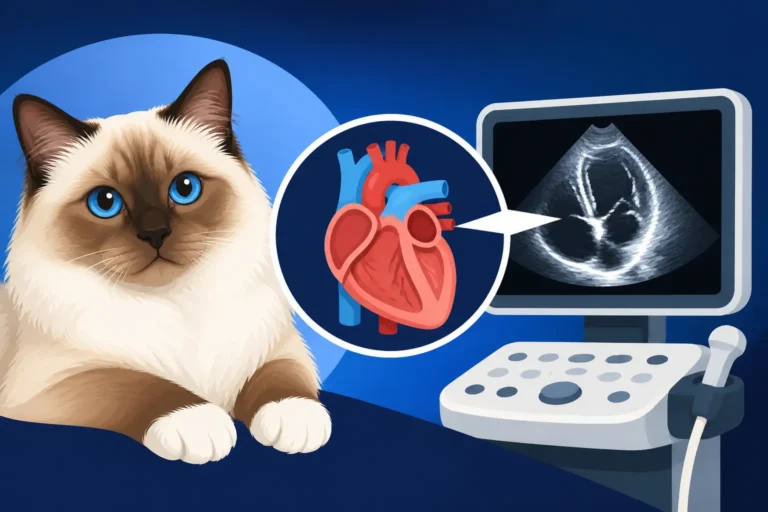
The success in combating PKD through genetic testing serves as a powerful model for improving the overall health of the Birman breed. While PKD1 is a major concern addressed by a direct genetic test, it's not the only health consideration for Birmans. Other important hereditary conditions, such as Hypertrophic Cardiomyopathy (HCM) and Feline Hypotrichosis with Thymic Aplasia (FOXN1), also warrant careful screening. While HCM currently lacks a definitive DNA test in Birmans and relies on regular echocardiograms, the FOXN1 mutation does have a genetic test, similar to PKD1.
A holistic approach to Birman health involves comprehensive screening for all known hereditary conditions. This means genetic tests for conditions like PKD1 and FOXN1, alongside regular health check-ups, appropriate vaccinations, dental care, and cardiac screenings like echocardiograms for HCM. Many registries and breed clubs advocate for these multi-panel screenings to ensure breeders are providing the healthiest possible kittens. Understanding Which Tests Belong on a Birman Panel is essential for any responsible owner or breeder. This proactive approach, supported by ongoing veterinary research and advancements in genetic testing, is paving the way for a future where Birmans can enjoy optimal health and longevity. Pet insurance providers, such as Healthy Paws, often encourage and even offer wellness plans that cover some preventative screenings, highlighting the industry's role in promoting long-term feline well-being.
Disclaimer
Please remember that the information provided in this article is for general educational purposes only and should not be considered a substitute for professional veterinary advice. Always consult with your veterinarian for any health concerns or before making any decisions related to your Birman's health and treatment.