What a Birman Stops Doing Once It Passes Ten
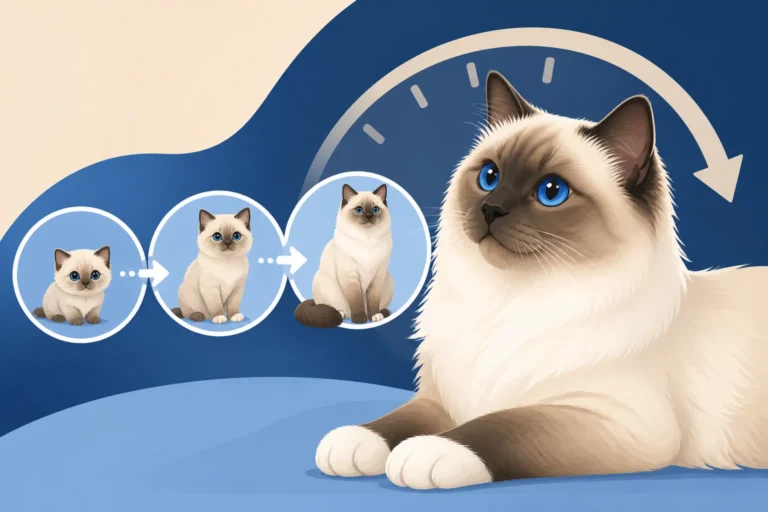
As our beloved Birman companions gracefully move into their senior years, typically past the decade mark, we often notice subtle yet significant shifts in their behavior. That once spry, quietly active cat might start doing things a little differently, or perhaps, stop doing some things altogether. It's not just about slowing down; it's about a change in their needs, their comfort, and their overall way of interacting with the world around them. This comprehensive guide will walk you through the common behavioral changes you can expect in a Birman once they pass ten years old, offering insights into why these changes occur and how you can best support your cherished senior feline friend.
The Winding Down of Playful Energy and Physicality
One of the first things many Birman owners notice as their cats enter their golden years is a distinct mellowing of their physical energy. While Birmans are generally known for their moderate activity levels even in their prime, the decline after ten years can be quite pronounced. They might not suddenly become entirely sedentary, but the zest for vigorous play often fades, replaced by a preference for more serene activities.
Less Interest in High-Flying Acrobatics
Remember when your Birman used to effortlessly leap onto the highest bookshelf or scale the cat tree in a single bound to survey their kingdom from above? As they pass ten, you'll likely see a significant decrease in these ambitious vertical maneuvers. Joint stiffness, muscle loss, and even a touch of arthritis can make jumping and climbing less appealing, or even painful.
You might notice your senior Birman attempting a jump, only to hesitate halfway, or perhaps choosing a lower perch that requires less effort. Instead of clearing the kitchen counter with ease, they might look for intermediate steps, like a chair, to reach their desired height. It's not laziness, but a physical limitation that begins to set in. If you have multiple high perches, the top ones might go entirely unused, gathering dust in silent testament to their former glory. This reduction in jumping isn't always obvious; sometimes, it's just a less graceful landing, or a brief pause to gather themselves before the ascent. How Arthritis Shows in a Birman That Never Jumped Much explores this further.
Shorter, Gentler Play Sessions
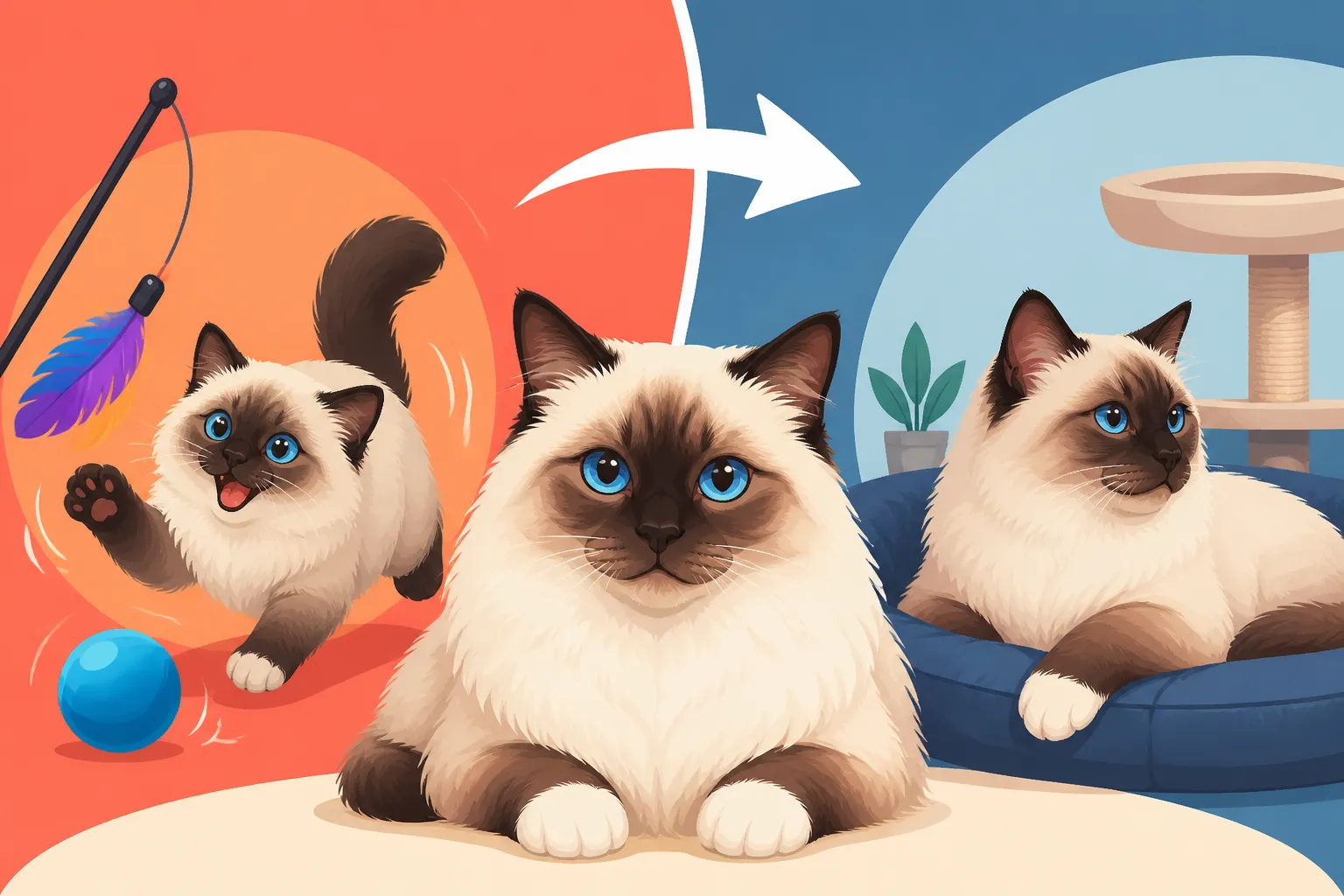
The frantic chases after a feather wand or the intense wrestling matches with a favorite toy often become a thing of the past. Older Birmans still enjoy interaction, but their play sessions tend to be much shorter, less intense, and more focused on mental engagement than physical exertion. They might still bat at a toy mouse or stalk a laser pointer dot, but the rapid sprints and vigorous pounces will be far fewer.
Instead of a ten-minute sprint around the house, you might find your Birman content with a two-minute session of batting a toy on the floor while lying down. Their interest might wane quickly, and they'll choose to observe rather than actively participate. This doesn't mean they've lost their love for play, merely that their stamina and physical capabilities have changed. Offering softer toys, puzzle feeders that challenge their minds without demanding too much movement, or even just gentle interaction with a dangling toy while they recline on the sofa can keep them engaged and happy. Which Games Still Interest a Birman Past Twelve delves into keeping them stimulated.
Reduced Vertical Ambition
Beyond the dramatic leaps, the general desire to be high up often diminishes. While Birmans aren't typically extreme climbers like some other breeds, they do enjoy observing from a moderate height. As they age, this ambition to reach even those mid-level perches might wane. They might opt for the back of the sofa, a plush dog bed on the floor, or a sunny spot on a low window sill instead of a multi-tiered cat tree.
This reduction in vertical ambition is often a direct result of physical discomfort or a fear of falling. Their balance might not be as sharp, and their muscles might not provide the same spring. If your Birman has a favorite high spot they no longer frequent, it's a good sign to consider adding ramps or steps to make it more accessible, or simply providing equally appealing lower alternatives. A comfortable, supportive bed on the floor might become their new favorite lookout point, offering warmth and security without the strain of climbing.
Evolving Social Dynamics and Comfort Needs
Birmans are renowned for their gentle, companionable nature, often described as the "dog of the cat world" because of their desire to be near their human families. As they age, these social tendencies don't disappear, but they can subtly shift. Their need for presence and predictable affection often increases, while their tolerance for sudden changes or overly boisterous interactions may decrease.
Less Energetic Greeting at the Door
The youthful Birman might have met you at the door with a series of happy trills, rubbing against your legs, and perhaps even leading you to their food bowl. Once they pass ten, that enthusiastic greeting might become a bit more subdued. They might still be happy to see you, but the immediate rush might be replaced by a slower, more deliberate approach from their napping spot, or a quiet acknowledgment from the armchair.
It's not a sign of less affection, but rather a reflection of their reduced energy levels and perhaps some stiffness. Getting up quickly and rushing to the door might feel like too much effort. Instead, they might offer a slow blink, a gentle rub of their head against your ankle once you're settled, or choose to sit closer to you on the sofa. They still want to be near you and appreciate your return, but the physical expression of that joy might be toned down. How a Birman Follows You Room to Room details their general attachment, which may simply be expressed differently.
Increased Need for Predictable Routines
Birmans thrive on routine, and this becomes even more pronounced in their senior years. While a younger Birman might cope fairly well with a fluctuating schedule for meals or playtime, an older Birman often struggles more with unpredictability. Sudden changes in meal times, disruptions to their sleep schedule, or frequent changes in household dynamics can cause increased stress and anxiety.
This heightened need for routine is partly due to potential cognitive changes, making it harder for them to adapt, and partly due to their reduced resilience to stress. They find comfort and security in knowing what to expect throughout their day. Maintaining consistent feeding times, regular grooming sessions, and quiet periods for rest can help your senior Birman feel safe and cherished. If major life changes are unavoidable, introduce them gradually and provide extra reassurance. What a Stressed Birman Does can help you recognize signs if they're struggling.
More Cuddling, Less Following
While a young Birman might follow you from room to room, always wanting to be in the same space, an older Birman might choose to stay put more often. However, when they are with you, the quality of that interaction can deepen. You might find them seeking out more direct physical contact – not necessarily on your lap, as Birmans are rarely true lap cats, but pressed against your leg on the sofa, or sleeping closer to you in bed.
This shift can mean less active shadowing and more intentional closeness. They value the warmth and comfort of your presence, and direct contact offers them reassurance. While they might not be darting after you every time you get up, when you settle down, they might be right there, often with a soft purr. The Birman Sits Against Your Leg, Not on Your Lap describes this typical Birman affection, which may become even more pronounced in their later years. Providing ample opportunities for these quiet, close interactions is vital for their emotional well-being.
The Slow Decline in Self-Grooming Prowess
Birmans are generally fastidious groomers, and their single coat makes them relatively low-maintenance compared to some other longhaired breeds. However, as they age, even the most dedicated Birman can find it challenging to maintain their pristine appearance. Physical limitations make reaching certain areas difficult, leading to a noticeable decline in their self-grooming efficiency.
Struggling to Reach the Lower Back and Tail
The flexibility and agility required to thoroughly groom their entire body diminishes significantly with age. Older Birmans will often struggle to reach their lower back, the base of their tail, and their hindquarters. These areas, which once received meticulous attention, may start to look a bit disheveled, with fur appearing duller or even greasy.
This isn't a sign of neglect on their part, but a physical inability to twist and turn as they once did. Arthritis in the spine or hips can make these contortions painful or impossible. You might see them attempting to groom these spots, only to give up with a sigh, or spending an unusual amount of time on their front half while the rear goes untouched. This is where your role as a diligent caregiver becomes crucial, as regular assisted grooming is essential to prevent mats and skin issues. Caring for an Old Birman That Cannot Reach Its Back offers more practical advice.
Increased Propensity for Mats
Because they can't reach all areas of their body, older Birmans become more prone to developing mats, particularly in those neglected spots like the britches, armpits, and under the tail. While Birmans are famous for their relatively mat-free single coat, aging can change this. The fur might also become finer or more brittle with age, making it more susceptible to tangling.
Matted fur isn't just unsightly; it can be incredibly painful, pulling on their skin and potentially leading to skin infections. A small mat can quickly grow into a larger, more problematic one if not addressed. This means that your grooming routine, which might have been a leisurely three times a week, might need to become more frequent and targeted. Gentle, consistent combing is key, focusing on those hard-to-reach areas. Products like a good quality grooming comb for longhaired cats, easily found on Amazon, become indispensable tools in your arsenal. How to Get a Mat Out of a Birman's Coat provides detailed steps for tackling tangles.
Neglected White Gloves
The iconic white "gloves" on a Birman's paws are a hallmark of the breed, but keeping them pristine can become a challenge for an aging cat. As they struggle with flexibility, cleaning their paws thoroughly after using the litter box, or even just after a meal, becomes harder. This can lead to discoloration, staining, or even matting of the delicate fur on their feet.
The pristine white might start to look a bit yellowed or dingy, especially if they are less diligent about licking their paws. You might also notice more litter clinging to their toe tufts. This is a clear indicator that they need assistance with paw hygiene. Regular checks of their feet, gentle wiping with a damp cloth, and choosing a low-dust, non-staining litter can make a huge difference. Sometimes, a quick rinse of just the paws with lukewarm water and a pet-safe shampoo might be necessary if they get particularly soiled. How to Keep a Birman's Gloves Clean is a must-read for this specific challenge.
Shifts in Appetite, Thirst, and Elimination Habits
Changes in eating and drinking patterns are common in senior cats and can be early indicators of underlying health issues. While some changes are simply part of the aging process, any significant or sudden shift warrants a veterinary check-up.
Changes in Mealtime Enthusiasm
The once-eager mealtimes of a younger Birman might become less enthusiastic. They might approach their bowl more slowly, eat smaller portions, or even walk away without finishing. Conversely, some older Birmans might develop an increased appetite due to certain medical conditions, even while losing weight. It's a spectrum, and both extremes need attention.
A decrease in appetite can stem from dental pain, a declining sense of smell, digestive issues, or more serious conditions like kidney disease or hyperthyroidism. If your Birman is showing less interest in food, try offering warmed wet food, or explore different textures. A raised food bowl can also make eating more comfortable for cats with joint pain, and you can find many ergonomic options on Amazon. On the other hand, a ravenous appetite paired with weight loss could signal hyperthyroidism, which is common in senior cats. Regular veterinary check-ups are essential to pinpoint the cause of any changes in eating habits. Why a Thin, Hungry Old Birman Needs a Thyroid Test is a good resource here.
Altered Drinking Habits
As Birmans age, you might notice them drinking more or less water than before. Increased thirst is a classic symptom of several common senior cat ailments, including kidney disease and diabetes. If your Birman suddenly seems to be emptying their water bowl more frequently or spending more time at the tap, it's a red flag.
Conversely, a decrease in drinking can lead to dehydration, especially if they are primarily eating dry kibble. Dehydration can exacerbate existing kidney issues and lead to other health problems. Encouraging water intake through multiple water stations, cat fountains, and incorporating wet food into their diet is crucial. Pay close attention to the amount of water your Birman consumes daily. How Much Water a Birman Should Get Through in a Day provides guidance on typical intake. A change in urination frequency or volume often accompanies altered drinking habits, so keep an eye on the litter box as well.
Less Discretion with Litter Box Use
While Birmans are typically meticulous about their litter box habits, age can bring some challenges. You might notice accidents outside the box, or a less careful approach inside it. This isn't usually a behavioral protest but a consequence of physical or cognitive changes.
Arthritis can make it painful for an older Birman to step into a high-sided litter box, or to squat comfortably. A box with lower sides can make a significant difference. Cognitive decline can also lead to confusion about where the litter box is located or what it's for. Vision or hearing impairment might also play a role. You might also find that they are simply less steady on their feet, leading to "overshoots" or tracking more litter out. Providing multiple litter boxes in easily accessible, quiet locations, and ensuring they are always impeccably clean, can help. Consider using a softer, low-dust litter that won't irritate sensitive paws. Why a Birman Needs a Longer Box Than a Round Cat is useful for litter box selection.
The Deepening Embrace of Sleep and Rest
One of the most noticeable changes in an aging Birman is the sheer increase in the amount of time they spend sleeping. While cats are natural nappers throughout their lives, seniors take this to a new level. Their periods of wakefulness become shorter, and their sleep cycles deepen.
Longer and More Frequent Naps
The quick catnaps of youth give way to extended, deep slumber. Your senior Birman might spend a good 16-20 hours a day sleeping, much like a tiny kitten. They might have a solid, long sleep overnight, and then intersperse their waking hours with numerous, lengthy naps throughout the day. This isn't laziness; it's a physiological need. Their bodies require more rest for repair and to cope with the demands of aging.
You might find them sleeping through household activities that would once have stirred their curiosity, such as the doorbell ringing or people moving around. They might also take longer to fully wake up, appearing a bit disoriented for a moment or two. It's important not to disturb them during these deep sleeps, as quality rest is crucial for their well-being. Ensuring they have several quiet, undisturbed sleeping spots is vital. How a Birman Splits Its Day Between Sleep and Company will further illustrate their changing balance.
Seeking Warmth and Softness
An older Birman often becomes a heat-seeking missile. Their ability to regulate their body temperature can decline, and their thinner coats (even for a Birman, which lacks an undercoat) can make them more susceptible to feeling chilly. They will gravitate towards the warmest spots in the house – sunny windowsills, near heaters, under blankets, or nestled against a warm human.
You might notice them abandoning their old, cool sleeping spots for cozier alternatives. Providing heated beds (many excellent options are available on Amazon), soft blankets, and comfortable, insulated napping nooks is a wonderful way to support their comfort. This pursuit of warmth isn't just about feeling cozy; it can also help alleviate joint pain and stiffness, making their rest more restorative. Where a Birman Chooses to Lie in Winter offers more insights into their thermal preferences.
Less Active Dreaming
While it's hard to definitively measure, anecdotal observations often suggest that older cats may exhibit less active dreaming behavior than their younger counterparts. You might see fewer twitching paws, chattering jaws, or rapid eye movements during their deep sleeps. This isn't necessarily a cause for concern, but another subtle indicator of changing brain activity with age.
Their sleep cycles might simply become less dynamic, with fewer transitions into the REM (rapid eye movement) stage where most vivid dreaming occurs. However, if you notice any unusual movements, vocalizations, or signs of distress during sleep, it's always worth mentioning to your vet, as it could indicate a neurological issue. For the most part, a peacefully sleeping senior Birman is simply enjoying a much-needed rest.
Subtle Changes in Vocalizations and Expressiveness
Birmans are not known for being overly vocal, often preferring a soft trill or a quiet chirp to a full-blown meow or yowl. As they age, their communication style can become even more nuanced, sometimes quieter, but occasionally accompanied by new sounds that signal discomfort or confusion.
Fewer Playful Trills and Chirps
The sweet, conversational trills and chirps that a younger Birman uses to greet you or express mild excitement might become less frequent. Their vocal repertoire might simplify, or they might simply have less occasion for these playful sounds as their overall activity and interaction levels decrease. The joyous, communicative noises associated with vigorous play or a lively chase often diminish along with the energy.
This quietening doesn't mean they've lost their ability to communicate, but rather that their expressions are more reserved. They might still use a soft trill when you gently stroke them or offer a treat, but the spontaneous burst of vocalizations might be less common. It's a sign of their general slowing down, where even their expressions become a bit more measured. What a Birman Is Saying With That Short Trill reminds us that these subtle sounds are still packed with meaning.
New Sounds Signaling Discomfort
While overall vocalization might decrease, an important change to watch for is the emergence of new sounds. An older Birman might start to vocalize differently when they are experiencing discomfort, pain, or disorientation. This could manifest as a low groan when getting up, a soft moan when being handled in a particular way, or an unusual cry of distress if they are confused or lost.
Because Birmans are so placid and stoic, they often hide illness and pain until it's quite advanced. Any new, unusual, or increased vocalization, especially if accompanied by other behavioral changes, should be taken seriously. It could be their subtle way of telling you that something is wrong. Don't dismiss a sudden increase in meows or a change in the tone of their purr; it could be their only way of expressing distress. Why a Placid Birman Hides Pain is a critical read for any Birman owner.
A Quieter Overall Presence
Beyond specific vocalizations, the overall "soundscape" of your home might simply become quieter with a senior Birman. The patter of paws down the hallway, the rustle of a toy being carried, the gentle thud of a jump – these sounds become less frequent. Their movements are slower, their periods of activity shorter, and their vocal cues more subtle.
This increased quietness can sometimes make it harder to notice when something is wrong. A quiet Birman might just seem like a "normal" quiet Birman, even if they are actually withdrawn due to illness. It underscores the importance of daily observation, even if it's just a quick visual check on their eating, drinking, and litter box habits, and taking note of any deviation from their established (albeit quieter) routine. You need to actively watch for signs rather than waiting to hear them.
Adapting the Home Environment for an Older Birman
As your Birman ages, their home environment, which once perfectly suited their youthful agility, might now present challenges. Thoughtful adjustments can significantly improve their quality of life, comfort, and safety, making their senior years as happy and stress-free as possible.
Reassessing Access to Favorite High Spots
If your Birman once loved a particular perch on a cat tree or a high windowsill, but now struggles to reach it, it's time to adapt. Don't assume they no longer want to be there; they might just be physically unable. Leaving their favorite spot inaccessible can lead to frustration or even injury if they attempt a jump they can't quite manage.
Consider adding ramps, pet stairs, or strategically placed furniture (like a sturdy stool or a low bookcase) to create intermediate steps up to their cherished spots. Make sure any ramps or steps are stable and provide good traction. If they still prefer a lower vantage point, ensure those areas are equally comfortable and safe. It's about providing options, not removing opportunities. How Much Height a Birman Bothers to Jump For discusses their typical preferences, which may need adjustment with age.
Providing Enhanced Comfort Zones
Senior Birmans spend significantly more time resting and sleeping, making comfort paramount. Their old favorite bed might not offer the support their aging joints now need. They might also become more sensitive to drafts or hard surfaces.
Invest in orthopedic pet beds with memory foam that conform to their body, providing excellent joint support. Place these beds in quiet, warm, and easily accessible areas away from high traffic. Heated beds, as mentioned earlier, can be a godsend for arthritic seniors. Make sure there are multiple comfort zones throughout the house, so they always have a soft, inviting spot nearby, no matter which room you are in. Think about adding soft blankets or cushions to favorite window perches or sofa spots. Whether a Heated Bed Is Worth It for a Birman is a great reference.
Consideration for Traction and Stability
As muscles weaken and balance declines, slippery floors can become a significant hazard for an older Birman. Hardwood, tile, or laminate floors that were once no problem can lead to slips, falls, and potential injuries, especially if they are trying to get up quickly or navigate a corner.
Consider placing non-slip rugs or runners in areas where your Birman frequently walks or attempts to jump. Ensure their food and water bowls are on a non-slip mat. If your Birman is particularly unsteady, nail trims become even more important to prevent their claws from getting caught or causing awkward footing. Regularly check their paws for overgrown fur between the toe pads, which can reduce traction, and trim it if necessary. Making the home a safer, more navigable space can dramatically improve their confidence and mobility.
Cognitive Changes and Mental Well-being in Senior Birmans
Just like humans, cats can experience cognitive decline as they age. While not every senior Birman will develop feline cognitive dysfunction, it's something to be aware of. Recognizing these subtle shifts in their mental state can help you provide supportive care.
A Decline in Problem-Solving Skills
That clever spark your Birman once had for opening cabinets or figuring out puzzle toys might dim with age. They might struggle with tasks that were once easy, like navigating around a new piece of furniture or finding their way to the litter box if it's been moved.
You might notice them staring blankly at walls, getting stuck in corners, or appearing confused by familiar surroundings. This isn't stubbornness; it's a genuine difficulty in processing information and spatial awareness. Keep their environment consistent, minimize changes, and simplify complex tasks. If you use puzzle feeders, opt for simpler versions or guide them through the process. How to Keep an Old Birman Interested covers methods for mental enrichment.
Altered Sleep-Wake Cycles and Disorientation
One common sign of cognitive decline is a disruption in their natural sleep-wake cycle. They might sleep excessively during the day but become restless, disoriented, and vocal at night. This "sundowning" behavior can be distressing for both the cat and the owner.
Your Birman might wander aimlessly, meow loudly, or appear anxious during the night. Providing a comfortable, secure sleeping area in a quiet room can help. A nightlight can also be beneficial if they have vision impairment or become disoriented in the dark. Discussing these changes with your vet is crucial, as there may be medications or supplements that can help manage symptoms and improve their quality of sleep. What an Old Birman Sleeps Closer to You talks about their need for reassurance during rest.
Reduced Interest in Novelty and Exploration
The natural curiosity of a younger Birman, which might lead them to investigate every new bag or box brought into the house, often diminishes with age. They may show less interest in new toys, unfamiliar scents, or changes in their environment. Their world shrinks, and they prefer the comfort and predictability of the familiar.
This doesn't mean they are bored, but rather that novelty can be overwhelming or simply not as stimulating. Instead of trying to introduce new things, focus on enriching their existing environment with familiar, comforting items. Gentle interaction, soft petting, and reassuring routines become more valuable than exciting new adventures. Maintaining a calm and consistent home environment helps reduce stress and supports their mental well-being.
The Importance of Ongoing Veterinary Care
While many of these changes are a normal part of aging, it is absolutely vital to remember that they can also be symptoms of underlying medical conditions. A Birman's stoic nature means they often hide illness, making your keen observation and regular veterinary check-ups even more critical.
Regular Health Checks and Screenings
Once your Birman passes the ten-year mark, annual (or even semi-annual, as recommended by your vet) health checks become non-negotiable. These aren't just for vaccinations; they are comprehensive physical examinations designed to catch potential issues early. Your vet will pay close attention to weight changes, dental health, joint mobility, heart sounds, and organ function through blood and urine tests.
Common senior ailments like kidney disease, hyperthyroidism, diabetes, and arthritis can all manifest through subtle behavioral changes before becoming overtly symptomatic. Early detection allows for prompt intervention, which can significantly slow disease progression and improve your Birman's quality of life. Don't wait until your Birman is visibly ill; by then, the condition may be advanced. What a Birman's Yearly Panel Should Include After Eight can guide your discussions with the vet.
Managing Chronic Pain and Discomfort
Arthritis is incredibly common in senior cats, even those who weren't particularly athletic in their youth. The subtle signs might be reluctance to jump, a stiff gait, or even just being less interactive. Your Birman might not cry out in pain, but their reduced activity or changes in posture could be signals.
Working with your vet to manage chronic pain, especially arthritis, is crucial. This might involve supplements, anti-inflammatory medications, or even dietary changes. Improving their comfort can bring back some of their lost mobility and zest for life. A comfortable cat is a happy cat, and managing pain is a key component of senior care. Your vet can assess your Birman's pain levels and recommend appropriate solutions. What Pain Relief Suits an Old Birman With Kidney Values delves into medication options.
Addressing Dental Health as a Priority
Dental disease is rampant in older cats and can cause significant pain, affecting their appetite and overall health. An older Birman, with their typically narrow jaw, can be particularly prone to dental issues. Gingivitis, tooth resorption, and periodontal disease can make eating excruciating.
Regular dental check-ups, often requiring an anesthetic for a thorough cleaning and examination, are essential. Addressing dental pain can dramatically improve your Birman's quality of life and appetite. Don't assume bad breath is normal for an old cat; it's a sign of infection. Your vet can advise on the best course of action, which may include extractions if teeth are too far gone. How Often a Birman's Narrow Jaw Needs a Scale and Polish reinforces the importance of this care.
Conclusion: Embracing the Golden Years with Your Birman
Watching our Birmans transition into their senior years is a bittersweet experience. While we might miss their youthful exuberance, these golden years offer a different kind of companionship – one of deep affection, quiet comfort, and unwavering presence. Recognizing what an older Birman stops doing, and more importantly, why these changes occur, empowers us to provide the best possible care.
It's about adapting their environment, supporting their evolving physical and emotional needs, and maintaining a vigilant eye on their health through regular veterinary care. By understanding these shifts, we can ensure their later years are filled with dignity, comfort, and the same profound love they've always given us. Cherish these moments, for they are truly golden.
Disclaimer
This article is for general informational purposes only and does not constitute professional advice. Laws, prices and regulations vary by location and change over time. Consult a qualified professional for guidance on your specific situation.