How to Keep a Birman’s Gloves Clean
If you're a proud Birman parent, you know the exquisite beauty of those signature white "gloves" on their paws. They're utterly charming, giving your feline friend an air of dignified elegance, but let's be honest – they're also a magnet for every speck of dirt, stray piece of litter, and mysterious smear your curious cat might encounter. Keeping those pristine paws truly pristine can feel like an unending battle, especially when your Birman decides to investigate the muddy patch near the backdoor or track some less-than-ideal litter across your clean floors. This comprehensive guide is here to commiserate with your struggles and offer practical, empathetic advice for maintaining your Birman's beautiful white gloves.
Understanding the Birman's Unique Coat and "Gloves"
Before we dive into cleaning strategies, it's really helpful to understand what makes your Birman's coat so special and why those white paws are a particular challenge. It's not just about a pretty color; there's a unique genetic and structural reason behind it all.
The Birman's Single Coat Advantage and Challenge
One of the most wonderful things about the Birman's coat is its luxurious, silky texture. Unlike many other long-haired breeds, Birmans possess a single coat, meaning they lack that dense, woolly undercoat that often leads to painful mats and extensive shedding. This characteristic is a huge advantage for grooming in general; you’ll find that a Birman mats far less than it looks like it should, making your regular combing sessions much more manageable. You won't be battling those thick, felted patches that plague some other long-haired beauties. No Undercoat Is What Makes a Birman Easy to Groom
However, this single coat isn't without its own set of challenges, especially when it comes to those white feet. While the lack of an undercoat reduces matting, the fine, silky guard hairs on their paws can still pick up and hold onto fine dust, dirt, and litter particles with surprising tenacity. The white color simply makes every tiny contaminant incredibly visible. So, while you might spend less time detangling, you'll be spending more time on targeted paw cleaning. It's a trade-off, but one well worth it for the sheer beauty of the breed.
What Exactly Are "Gloves" and Why Are They White?
The "gloves" are the Birman's hallmark feature, those distinctive white markings on all four paws that seem to defy the breed's otherwise pointed coloration. These aren't just random white patches; they're genetically determined and are a crucial part of the Birman breed standard. Essentially, Birmans carry a specific gene variant that suppresses the color pigment on their extremities, resulting in white feet, often described as having "laces" that extend up the back of their hind legs.
This genetic trait, while stunning, also means that the hair on their paws is inherently white. There's no darker pigment to camouflage dirt or stains. Imagine wearing white socks all the time – every splash, every bit of mud, every dust bunny stands out in stark contrast. Your Birman's paws are like those perpetual white socks. It’s a beautiful feature that requires a bit more vigilance on your part to ensure they remain as sparkling white as they were meant to be. This unique coloring is part of the Birman's mystique, but it does mean their cleanliness is always on display!
Daily and Weekly Grooming Habits for Glove Maintenance
Staying ahead of the dirt is always easier than tackling deep-set stains. Establishing a consistent routine of daily and weekly paw maintenance can make a huge difference in keeping those beautiful Birman gloves looking their best. It's all about prevention and quick action.
The Gentle Art of Daily Paw Wipes
One of the most effective ways to combat dingy gloves is to incorporate daily paw wipes into your routine. Think of it like washing your hands after coming in from outside. Your Birman's paws touch a lot of surfaces throughout the day, even in the cleanest indoor environments. A quick, gentle wipe can remove fresh dirt, dust, and any tracking litter before it has a chance to dry or stain the white fur. It might sound like a chore, but it becomes second nature very quickly.
To do this effectively, keep a supply of pet-safe, unscented cleansing wipes handy, perhaps near the litter box or where your Birman likes to nap. Many popular online retailers like Amazon or Chewy offer a great selection of these. Gently hold your Birman's paw and wipe each white glove, paying attention to the pads and in between the toes where debris loves to hide. If your Birman is particularly placid, this can even become a pleasant bonding moment. The key is consistency: making it a regular part of their day will prevent the majority of buildup and keep those gloves sparkling.
Regular Combing and Spot Cleaning for Prevention
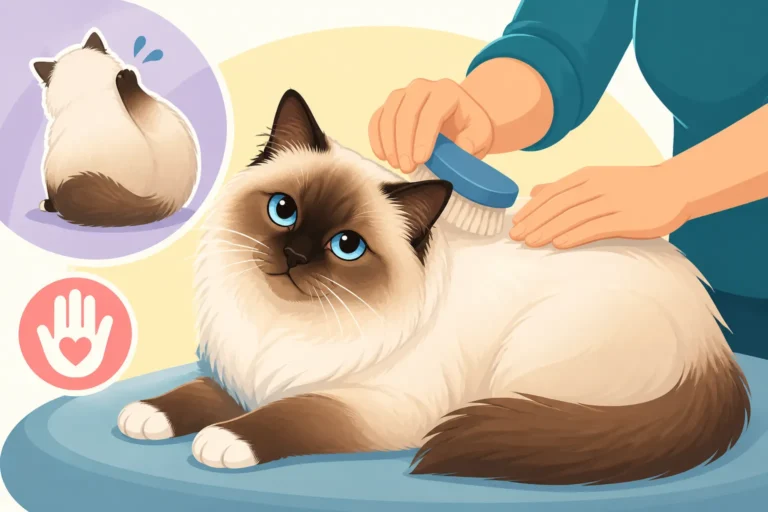
Beyond daily wipes, regular combing is crucial, and not just for their main coat. While you might be focusing on their ruff and tail plume, those lower legs and paws need attention too. A soft, fine-toothed comb used gently around the gloved areas can dislodge loose dirt and any small particles of litter that might be clinging to the fur. This is a preventative measure, stopping tiny bits of debris from becoming embedded or staining the white hair over time. Aim for a quick pass over the paws and lower legs whenever you do your general combing, which for a Birman might be three times a week. Combing a Birman Three Times a Week
For any specific spots or dried-on dirt that a wipe can't handle, a damp cloth with a tiny bit of pet-safe shampoo can work wonders for spot cleaning. Just make sure to rinse the area thoroughly with another damp cloth to avoid any residue, as leftover shampoo can attract more dirt. This combination of regular combing and immediate spot treatment will keep those white gloves much brighter between full baths. It's about being proactive and addressing issues as soon as they arise, rather than waiting for them to become major stains. How to Get a Birman Used to a Comb
The Litter Box Dilemma: Choosing the Right Litter for White Gloves
If there's one place where your Birman's beautiful white gloves are most vulnerable, it's the litter box. The type of litter you choose and how you manage the box itself can make a monumental difference in the ongoing battle against dingy paws.
Why Your Litter Choice Is Crucial
Imagine stepping into a puddle of mud with white socks on, and then trying to clean it off. That's essentially what happens to your Birman's white gloves every time they use a dusty, clumpy, or dark-colored litter. The fine particles cling to their silky fur, get trapped between their toes, and then inevitably spread throughout your home, leaving tell-tale tracks. More importantly, these particles can cause unsightly discoloration and staining on their pristine white paws, turning them from brilliant white to a dull, off-white, or even yellow hue. It's a constant frustration for Birman owners, as even the cleanest cat can emerge from the box looking less than immaculate.
Many conventional litters are simply not designed with a white-gloved cat in mind. Darker clay litters, for instance, can leave grey smudges, while highly scented litters can irritate sensitive paws and leave a residue. The goal is to minimize the amount of material that sticks to the paws in the first place, and that starts with selecting the right product. Investing a little more thought and perhaps a bit more money into litter can save you a lot of time and effort in cleaning your cat's paws (and your floors!).
Best Litter Types for White-Gloved Birmans
When it comes to keeping those white gloves sparkling, the type of litter you use is paramount. You want to prioritize options that are low-dust, non-staining, and have minimal tracking. Here are some of the best types to consider:
- Paper-based Litters: These are often made from recycled paper and come in pellet form. They are virtually dust-free, which is fantastic for white paws, and tend to be less tracking than clay. They also typically don't cause staining. The main drawback for some cats is the texture, which can be different from what they're used to. You can often find a good selection of these on Chewy.
- Pine Pellet Litters: Similar to paper pellets, pine litters are highly absorbent, low-dust, and biodegradable. The larger pellet size means less tracking, and they rarely cause discoloration. Again, the texture can be a transition for some cats.
- Silica Gel (Crystal) Litters: These are excellent for odor control and absorbency, and because they don't break down into fine dust particles, they typically track much less and won't stain white fur. However, some cats dislike the feel of the crystals under their paws, and they can be more expensive.
- Low-Dust Clay Litters: If your Birman absolutely prefers traditional clay litter, look for brands specifically marketed as "low dust" or "dust-free." While not as ideal as pellets, these will be a vast improvement over standard dusty clay, minimizing the grey residue that settles on white fur. Always check reviews for actual dust levels.
When making your choice, remember that your Birman's preference matters too. A slow transition, mixing new litter with old, can help them adapt. Ultimately, finding the best litter for your white-gloved cat involves a bit of trial and error, but focusing on these types will give you the best chance of success. Which Litter Suits a White Gloved Cat
| Litter Type | Dust Level | Tracking Potential | Staining Risk | Absorbency | Birman Compatibility |
|---|---|---|---|---|---|
| Paper Pellets | Very Low | Low | Very Low | High | Good, but texture diff |
| Pine Pellets | Very Low | Low | Very Low | High | Good, but texture diff |
| Silica Gel (Crystals) | Low | Low | Low | Very High | Fair, some dislike feel |
| Low-Dust Clay | Low-Medium | Medium-High | Medium | Medium-High | Good, if dust is truly low |
Litter Box Hygiene and Placement
Beyond the type of litter, how you manage your Birman's litter box environment can significantly impact the cleanliness of their gloves. Even the best low-dust litter won't do its job if the box isn't kept meticulously clean. Frequent scooping is absolutely non-negotiable for a white-gloved cat. Aim to scoop at least twice a day, if not more, to remove waste before your Birman has a chance to step in it. This prevents fresh contaminants from clinging to their paws. How Often to Change Litter for a White Footed Cat
Consider the size and style of your litter box. A large, open litter box is generally preferable to a small, covered one for Birmans. Covered boxes can trap dust and moisture, creating a more concentrated environment for particles to cling to fur. A longer box also allows your Birman to comfortably enter, turn around, and exit without awkwardly brushing their tail or hindquarters against soiled litter, which can easily transfer particles to their pristine gloves. Why a Birman Needs a Box Long Enough for Its Body Placing a good quality litter mat (many are available on Amazon) with deep grooves or a mesh texture directly outside the box can also help scrape off any clinging particles as your cat exits, providing an extra layer of protection for those beautiful white feet.
When a Bath Is Unavoidable: Safe and Effective Washing Techniques
Despite your best daily efforts and meticulous litter management, there will inevitably come a time when your Birman's white gloves simply need a full wash. Maybe they've explored something particularly messy, or perhaps the cumulative effect of daily life has just dulled their brilliance. Don't fret; bathing a Birman can be a calm experience with the right approach.
Preparing for a Birman Bath
The key to a successful and stress-free bath for your Birman, especially when dealing with those sensitive white gloves, is thorough preparation. Birmans are generally quite placid cats, but even the calmest feline can become agitated if suddenly thrust into an unfamiliar, slippery, and noisy environment. Start by gathering all your supplies before you even think about putting your cat in the tub. You'll need a gentle, pet-specific shampoo (perhaps one formulated for white coats, which we'll discuss next), several clean, absorbent towels, a non-slip mat for the bottom of the tub or sink, and possibly a small cup or pitcher for rinsing. Some owners find it helpful to have a partner to assist, especially for the first few baths.
Choose a quiet time when your household is calm, and ensure the bathroom or washing area is comfortably warm. Close the door to prevent escape attempts. Before wetting your Birman, give them a good comb-through, paying special attention to any potential mats, even small ones, as water can tighten them and make them harder to remove. This pre-combing is a crucial step that can prevent unnecessary discomfort during the bath. The more prepared you are, the less anxious both you and your Birman will be, making the whole process much smoother for those delicate white gloves.
Step-by-Step Bathing for White Gloves
Once everything is ready, approach your Birman calmly and speak to them in soothing tones. Gently place them in the tub or sink, ensuring they have the non-slip mat under their paws for security. Begin by thoroughly wetting their paws and lower legs with lukewarm water – avoid cold or hot water, as either can be startling. You can use a shower sprayer on a very gentle setting or the small cup you prepared. The goal is to get the white fur completely saturated without spraying water directly into their face or ears.
Next, apply a small amount of pet-safe shampoo specifically designed for white coats to the gloved areas. You can find excellent options on Chewy or Amazon. Lather gently, massaging the shampoo into the white fur, paying extra attention to any stained areas or discolored spots between the toes. Don't scrub vigorously, as this can damage the delicate fur. Allow the shampoo to sit for a minute or two if recommended by the product instructions. The most crucial step follows: rinsing. Rinse, and then rinse again. Shampoo residue can irritate skin and attract dirt, so be absolutely meticulous in washing out every last bubble from those white gloves. You want the water running off their paws to be completely clear. Which Shampoo Keeps a Birman's Gloves White
Once rinsed, gently squeeze excess water from their paws and then immediately wrap your Birman in a large, absorbent towel. Pat, don't rub, to absorb as much moisture as possible. If your Birman tolerates it, a pet-specific hairdryer on a cool or low-heat setting can help speed up drying, but always keep it moving and avoid directing hot air. The faster they dry, the less chance for their newly cleaned white gloves to pick up more dirt from the floor or air. After drying, give their paws a final gentle comb to fluff the fur and ensure no tangles form.
Addressing Stubborn Stains and Discoloration
Sometimes, despite your best efforts, a bath alone isn't quite enough to tackle really stubborn stains or general discoloration on your Birman's white gloves. You might notice a persistent yellowing, especially if they've been exposed to certain minerals in tap water or if there's been any urine staining. This can be incredibly frustrating when you're striving for that pristine look. Why a Birman's Gloves Go Yellow
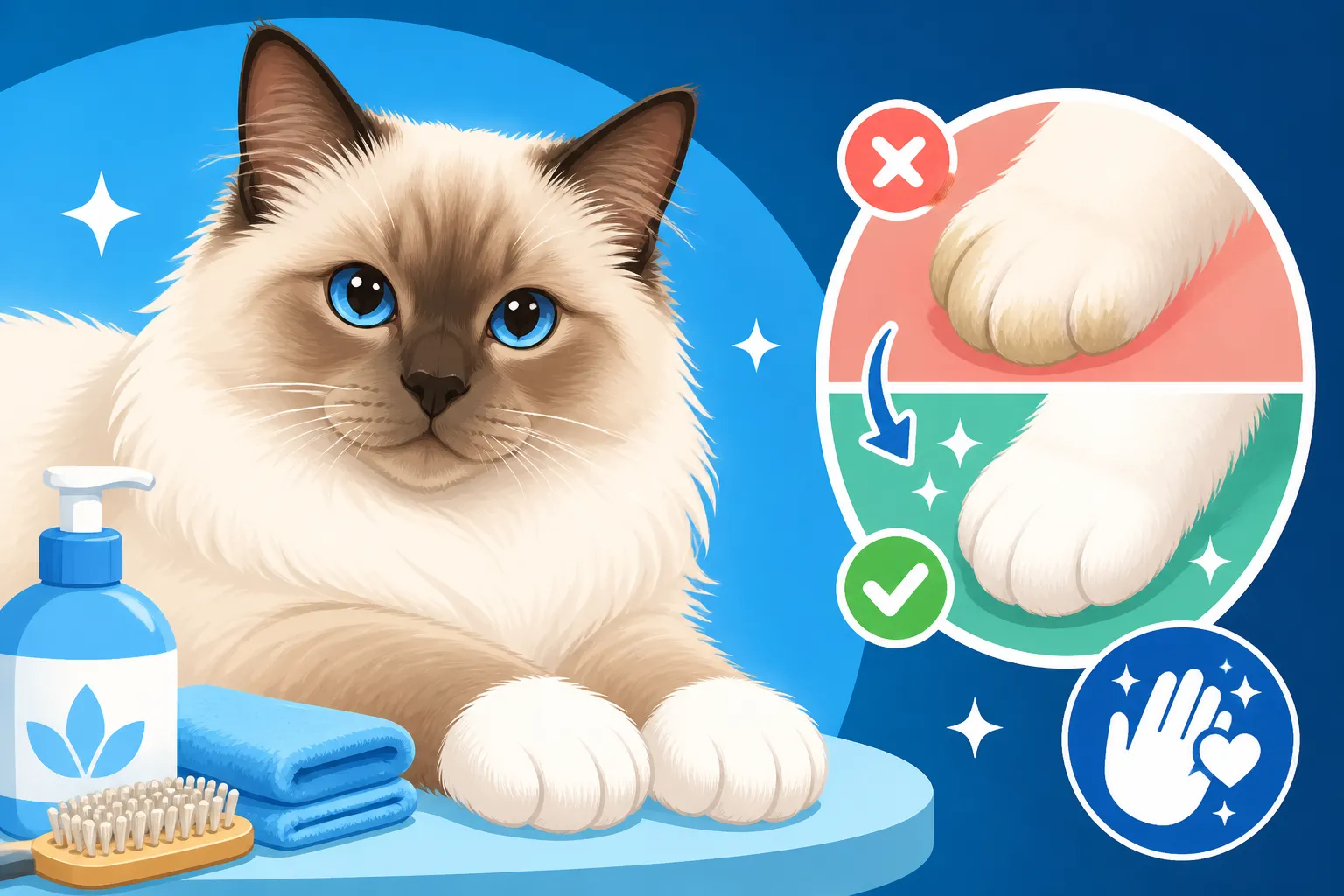
For these more entrenched issues, you might need to try a targeted approach. There are pet-safe whitening shampoos and stain removers available that are designed to gently lift discoloration without harsh chemicals. When using these, always patch test on a small, inconspicuous area first to ensure there's no skin irritation. Apply according to the product's instructions, often leaving it on for a few minutes before rinsing thoroughly. Some enzymatic cleaners can also be effective on organic stains, breaking down the stain at a molecular level. Remember, patience is key, and sometimes multiple treatments over time are needed for deeply set discoloration. Avoid using human whitening products, as these are often too harsh and contain ingredients that are toxic to cats. A gentle, consistent approach with appropriate pet-specific products is the safest and most effective way to restore those gloves to their former glory. How to Wash a Birman's White Feet
Environmental Control and Preventive Measures
While grooming and cleaning are essential, a significant part of keeping your Birman's gloves pristine involves managing their environment. Prevention truly is the best medicine when it comes to keeping those white paws looking their best.
Indoor vs. Outdoor Living for White Gloves
This might seem like an obvious point to many Birman owners, but it bears repeating: for a cat with glorious white gloves, an indoor-only lifestyle is almost a necessity if you want to maintain their pristine appearance. The outdoor world is a wonderland of mud, dirt, dust, pollen, leaves, and countless other substances that are just waiting to cling to and stain those beautiful white paws. Even a quick trip onto a patio or balcony can result in dingy gloves.
Beyond the aesthetic concerns, keeping your Birman indoors is also a vital safety measure. Birmans, with their placid and friendly nature, are often not equipped to handle the dangers of the outdoors, from traffic to aggressive animals, and sadly, even theft. They simply don't have the street smarts of some other breeds. For these reasons, many breeders and rescue organizations will only place Birmans in indoor-only homes. Embracing an indoor lifestyle not only protects your Birman from harm but also significantly reduces the constant battle of keeping their white gloves clean. An indoor Birman is far more likely to retain its pristine white paws and enjoy a longer, healthier life. Why an Indoor Birman Reaches Sixteen More Often Why a White Gloved Cat Should Never Be Let Out
Protecting Paws Indoors
Even in the most meticulously kept indoor environment, your Birman's paws are still going to encounter everyday dust and debris. However, there are several steps you can take to minimize this exposure. Regularly sweeping, vacuuming, and wiping down floors will drastically reduce the amount of dirt that can cling to those white gloves. Consider placing washable rugs or mats in high-traffic areas, especially near entryways or where your Birman likes to hang out. These can act as a buffer, catching dirt before it reaches their paws.
Be mindful of certain household products. Cleaning solutions, spilled food, or even certain types of dust can easily stain white fur. If you've just cleaned the floor, ensure it's completely dry before your Birman walks on it. Avoid using harsh chemical cleaners that might leave a residue that not only stains but could also be harmful if your cat licks their paws. Regular inspection of your Birman's paws is also a good habit. Check between their toes for any trapped debris, especially after they've been exploring a new area or after playtime. This proactive approach to their indoor environment will go a long way in preserving the brilliance of their white gloves.
Dietary Considerations for Coat Health
While diet doesn't directly "whiten" your Birman's gloves, it plays a crucial, indirect role in maintaining a healthy, resilient coat that is inherently cleaner and more resistant to staining. A cat with a poor diet will often have dull, brittle fur that can be more prone to collecting dirt and becoming discolored. Think of it this way: a healthy coat is better able to shed debris and maintain its natural luster.
Focus on feeding a high-quality, complete, and balanced cat food. Look for diets rich in animal protein and essential fatty acids, particularly Omega-3 and Omega-6. These healthy fats are vital for skin health and coat quality, contributing to a strong, shiny, and pliable coat that is less likely to become brittle or porous and thus more resistant to environmental staining. You might consider premium food options that emphasize high-quality ingredients known to support coat health. Many brands also offer supplements like fish oil, which can further boost those beneficial omegas. Always ensure your Birman has access to plenty of fresh water, as hydration is also key to a healthy coat. By providing optimal nutrition, you're not just supporting their overall well-being; you're also giving those beautiful white gloves the best possible foundation to stay clean and bright. Why Omega Oils Matter for a Birman's Coat
Disclaimer
This article is for general informational purposes only and does not constitute professional advice. Laws, prices and regulations vary by location and change over time. Consult a qualified professional for guidance on your specific situation.