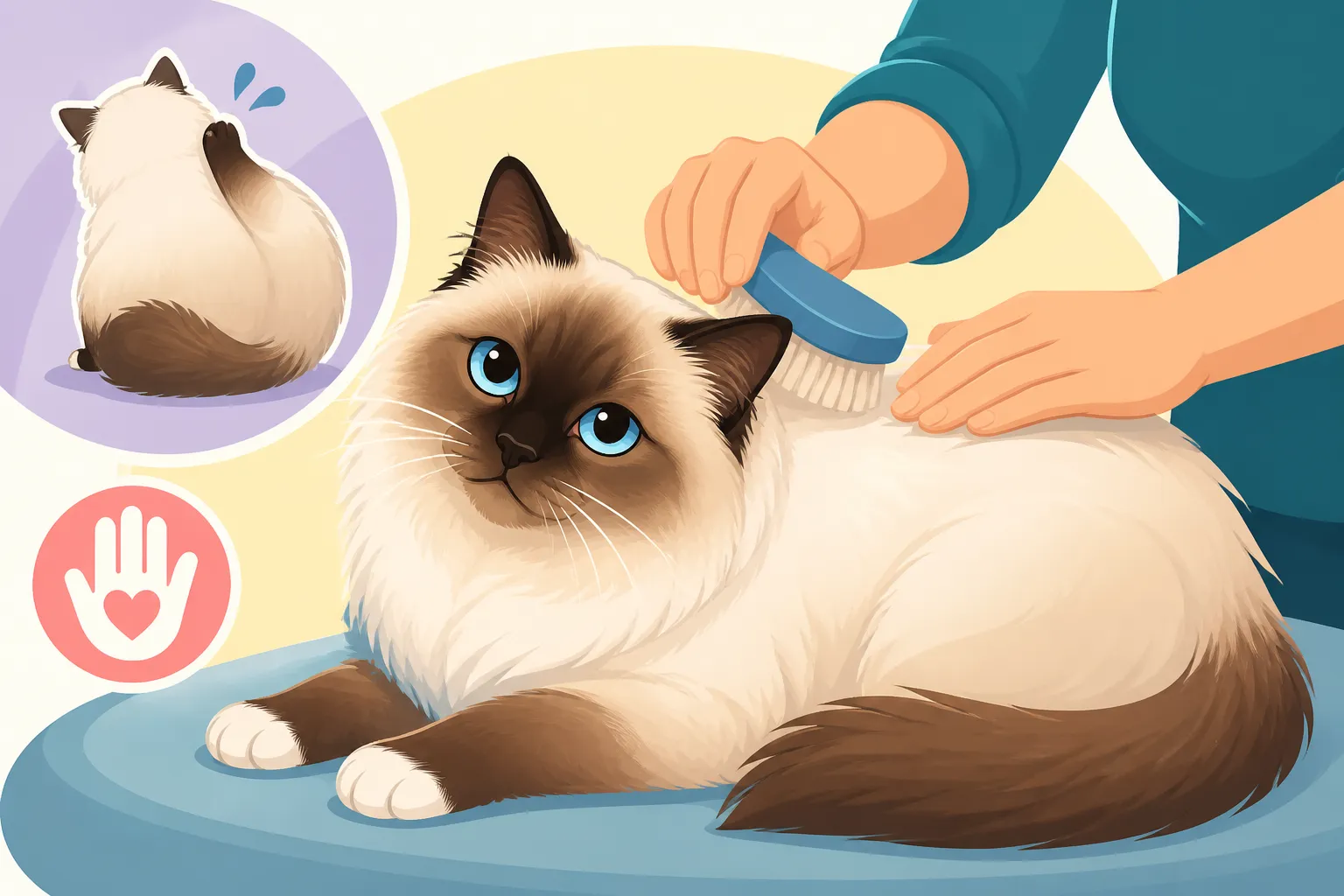
Caring for an Old Birman That Cannot Reach Its Back
It's heartbreaking to see our cherished Birman, once so fastidious and graceful, start to struggle with the simple act of self-grooming. That beautiful, silky coat, which they meticulously maintained for years, can begin to look dull, matted, or greasy, especially in those hard-to-reach spots like their back or hindquarters. This guide is here to walk you through understanding why your aging Birman might be slowing down on their grooming duties and, more importantly, how you can lovingly step in to help them maintain their dignity and comfort in their golden years.
Understanding Why Your Birman Can't Reach Anymore
As our Birmans age, just like us, their bodies go through a lot of changes. What was once effortless stretching and twisting becomes a stiff and sometimes painful ordeal. It’s not that they don't want to be clean; it's simply that their physical limitations make it impossible.
The Impact of Arthritis and Joint Stiffness
One of the most common culprits behind an older Birman's inability to groom is arthritis. Those graceful movements that allowed them to reach every inch of their back and tail can become difficult, even agonizing. Imagine trying to bend in ways that cause you pain just to brush your hair – it’s a non-starter. Your Birman might visibly hesitate before attempting a stretch, or you might notice they're less enthusiastic about jumping onto their favorite window perch. They might even stop using the cat tree they once adored. What an Old Birman Slows Down From covers many of these changes.
Arthritis isn't just about pain; it's about reduced flexibility and range of motion. The subtle twists of the spine, the delicate lift of a leg to get to a flank, or the deep neck bend to reach their lower back – these all become compromised. This means areas that previously received daily attention now go untouched, leading to tangles and dullness. It’s a frustrating cycle for them, and often a source of silent discomfort, as Birmans are notoriously stoic about pain. How Arthritis Shows in a Birman That Never Jumped Much details these subtle indicators.
Muscle Weakness and Loss of Balance
Beyond joint pain, older Birmans can experience a natural decline in muscle mass and overall strength, a condition often referred to as sarcopenia. This makes the physical effort required for a thorough grooming session simply too much. They might lose their balance when trying to contort, or simply lack the muscular endurance to hold an awkward position for long enough to clean properly. This isn't just about aesthetic decline; it affects their agility in general.
Think about how much core strength a cat needs to sit upright and lick their entire back. If their hind legs are weaker, or their core muscles aren't as strong as they once were, maintaining that posture becomes exhausting. They might try for a moment, give a few half-hearted licks, and then give up, collapsing into a more comfortable, but ungroomed, position. You might notice them Why an Old Birman Stops Using the Stairs or avoiding higher jumps, which ties into this generalized physical decline. This muscle loss is a natural part of aging, but it directly impacts their ability to stay pristine. Why an Old Birman Loses Muscle Before It Loses Fat explores this further.
Identifying the Signs of Reduced Grooming
It’s easy to overlook the initial signs that your Birman is struggling with self-grooming, especially if they’re still otherwise active and affectionate. Their naturally placid temperament can sometimes mask their difficulties. However, a keen eye will catch the subtle cues.
Matting and Tangling, Especially on the Back and Britches
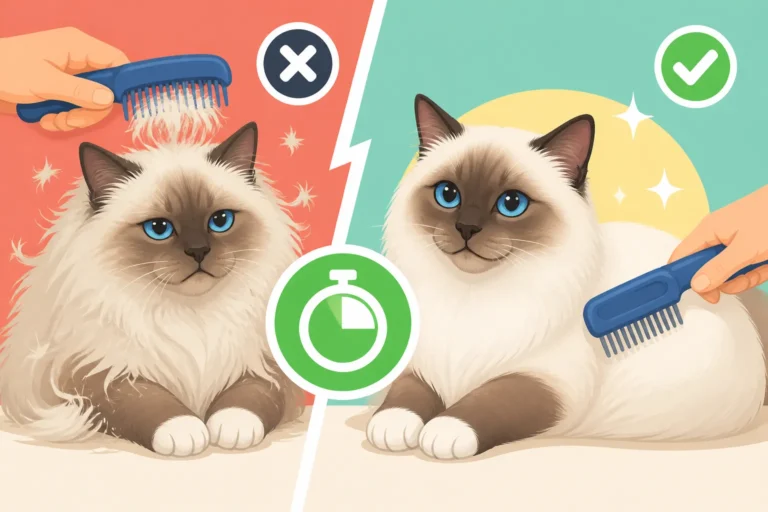
The most obvious and often frustrating sign of reduced grooming is the appearance of mats and tangles. While Birmans have a single, silky coat that's generally less prone to matting than other longhairs, neglect will still lead to knots. You'll often find these developing first along their spine, on their flanks, behind their ears, in their "britches" (the long fur on their hind legs), and under their armpits. These aren't just cosmetic issues; mats can pull on the skin, causing pain and even skin infections.
As your Birman moves, these small knots can quickly become larger, tighter mats. They become a haven for dead skin cells and loose fur, forming a dense, unyielding patch that’s incredibly uncomfortable. When you run your hand over their back, you might feel a sudden resistance or a bumpy texture that wasn't there before. Don't wait until the mats are huge; even small ones are a signal that your Birman needs your help. It’s a tough spot because their silky fur can hide mats deep within, so a regular gentle check is crucial. Taking Over the Grooming an Old Birman Has Given Up is directly relevant here.
Dull or Greasy Coat Texture
A healthy Birman coat is soft, silky, and lustrous. When a Birman isn’t grooming themselves effectively, their coat can quickly lose its sheen and feel greasy or sticky, particularly along the back and at the base of the tail. This happens because their saliva contains natural oils that, when spread through grooming, help to distribute the skin’s sebum and keep the coat healthy. Without this regular distribution, oil can build up, leading to that unpleasant greasy texture.
Beyond the feel, a neglected coat can look decidedly dull. The light no longer reflects off the individual strands as it should, making the beautiful point colors appear muted or even dirty. This dullness can be exacerbated by trapped dust and dander, which a Birman would normally lick away. If you notice your Birman's once vibrant fur looking lackluster, especially on their back where they can't reach, it's a clear indicator that you need to step in and assist with their grooming routine. Caring for a Birman Once Its Points Have Gone Dark also speaks to coat changes in aging Birmans.
Unpleasant Odor and Skin Irritations
A well-groomed cat, especially a Birman, should smell faintly of nothing much at all. An unpleasant odor, however, can be a red flag that grooming has fallen by the wayside. This smell can be caused by a buildup of oils, dead skin, and trapped debris in matted fur, or even yeast and bacterial infections that thrive in a neglected coat. These infections can develop quickly when the skin can't breathe or when microscopic cuts from mats become inflamed.
Beneath the matted or greasy fur, you might discover patches of irritated, red skin, or even small sores. These areas can be incredibly itchy and painful for your Birman, leading them to scratch or bite at themselves, which only makes the problem worse. This is a clear sign that a professional intervention, either from you or a vet, is needed. It’s not just about comfort; it's about preventing serious dermatological issues that could impact their overall health and happiness.
Essential Tools for Senior Birman Grooming
When you’re stepping into the role of your Birman’s primary groomer, having the right tools makes all the difference. You’re looking for items that are gentle yet effective, minimizing stress for both of you. Forget the harsh brushes that pull; think soft, smooth, and comfortable.
Soft Bristle Brushes and Wide-Toothed Combs
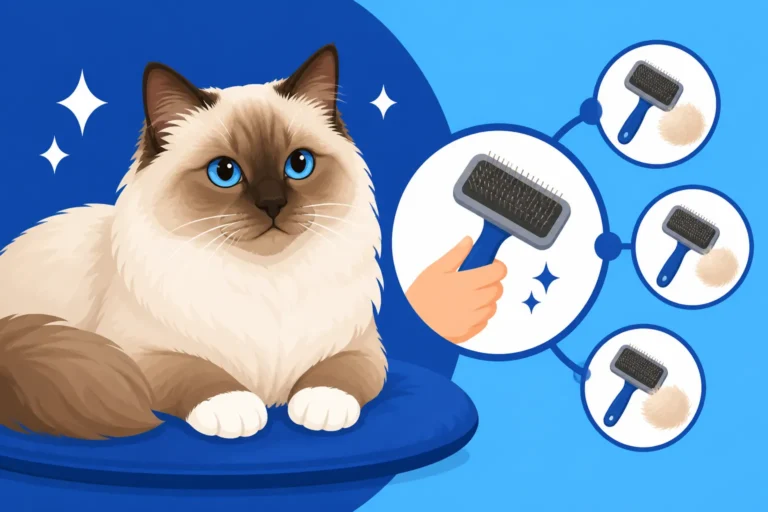
For a senior Birman's delicate skin and often thinning coat, a soft bristle brush is your best friend. Look for brushes with natural bristles or very fine, flexible synthetic ones. These are fantastic for distributing natural oils, stimulating circulation, and removing loose surface hair without irritating the skin. They're also great for a gentle massage, which many older cats appreciate. Use light, feathery strokes, moving with the direction of the fur.
Alongside a soft brush, a wide-toothed metal comb is indispensable, particularly for working through any potential tangles in their longer fur, like the ruff, britches, and tail plume. Choose one with rounded teeth to prevent scratching. Always start at the ends of the fur and work your way up towards the skin, holding the base of the fur near the skin to prevent pulling. This technique is much less painful if you encounter a snag. Remember, the goal is to be patient and make it a positive experience. What a Comb for a Birman's Silky Coat Costs is a useful read if you're exploring options.
| Tool Type | Best Use for Senior Birman | Key Benefit |
|---|---|---|
| Soft Bristle Brush | Daily gentle grooming, distributing oils, light shedding | Gentle on sensitive skin, relaxing, enhances shine |
| Wide-Toothed Comb | Detangling small knots, working through longer fur (ruff, tail) | Prevents pulling, effective for initial mat detection |
| Mat Splitter/Dematter | Safely breaking up small to medium mats (use with caution) | Reduces size of mats for easier removal, avoids cutting skin |
| Blunt-Tip Scissors | Carefully cutting out severe mats (vet/pro recommended) | Last resort for irremovable mats, extreme caution required |
| Pet Wipes | Spot cleaning, cleaning white paws, post-litter box hygiene | Quick clean-ups, gentle on skin, reduces bathing frequency |
| Cat-Specific Shampoo | Occasional full bath for greasy or very dirty coats | pH balanced for cats, moisturizing, gentle on sensitive skin |
| Heated Pad/Bed | Comfort during and after grooming sessions | Soothes arthritic joints, encourages relaxation |
Mat Splitters and Blunt-Tip Scissors (Use with Extreme Caution)
For those stubborn mats that a comb just can't conquer, a mat splitter or dematter can be a lifesaver, but they must be used with the utmost care. These tools have small blades designed to cut through a mat, breaking it into smaller, more manageable sections without getting too close to the skin. Always use them gently, working from the outside of the mat inward, and never try to force them. If you're unsure, or the mat is very tight to the skin, it's always better to seek professional help.
Blunt-tip scissors should be considered a last resort and only used if you are absolutely confident in your technique, or better yet, under the guidance of a vet or professional groomer. The danger of accidentally cutting your Birman's skin, which is very thin and loose, is significant. If you must use them, always point the blunt tip away from the body, slide a comb between the mat and the skin as a protective barrier, and cut into the mat, never across it. For severe, tight mats, a visit to the veterinarian for a sedative and professional clipping might be the safest and kindest option.
Pet Wipes and Cat-Specific Shampoos
For quick clean-ups, especially around their hindquarters or for keeping those pristine white "gloves" looking their best, unscented pet wipes are incredibly handy. They're perfect for spot cleaning after a litter box visit, wiping away tear stains, or simply refreshing a localized greasy patch. Look for brands without harsh chemicals or strong fragrances, which can irritate sensitive feline skin.
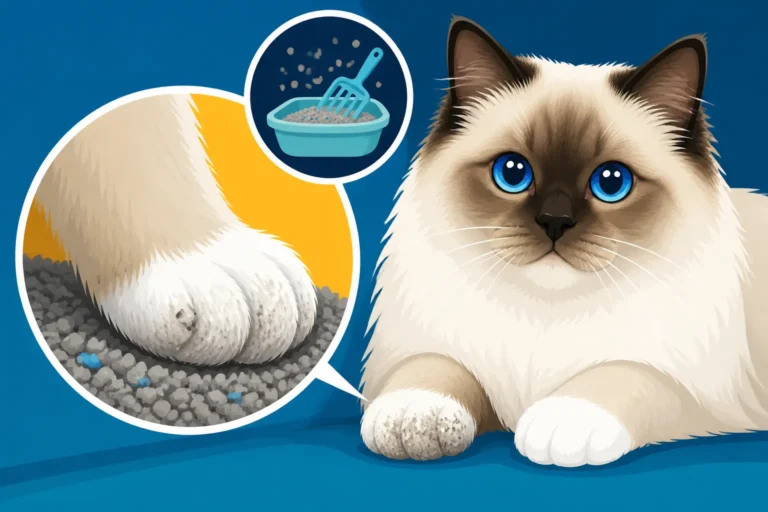
While full baths are rarely necessary for Birmans, if your senior cat’s coat becomes particularly greasy or dirty from not being able to groom, a gentle, cat-specific shampoo might be needed. Never use human shampoo, as it can be too harsh and dry out their skin. Choose a hypoallergenic, moisturizing formula. When bathing, use lukewarm water and ensure you rinse thoroughly to prevent skin irritation. Make the experience as calm and quick as possible. Remember, a cat with Why a Birman's Coat Carries Litter Out of the Box might need more paw cleaning. You can find a great selection of these grooming essentials, from combs to wipes, on platforms like Chewy or Amazon.
Step-by-Step Grooming Routine for Senior Birmans
Creating a consistent, gentle grooming routine is paramount for your aging Birman. It's not just about hygiene; it’s a wonderful opportunity for bonding and a gentle health check. The key is patience and positive reinforcement.
Establishing a Regular, Gentle Brushing Schedule
The best way to prevent severe mats and maintain coat health is with a regular, short, and gentle brushing schedule. Aim for three to four times a week, dedicating about five to ten minutes to each session. Choose a quiet time when your Birman is relaxed, perhaps when they're dozing on your lap or next to you on the sofa. Start with the soft bristle brush, using gentle strokes over their entire body, paying special attention to those areas they can't reach, like their back and the base of their tail.
Follow up with a wide-toothed comb for their longer fur. Systematically work through sections, gently teasing out any small knots. If you encounter resistance, don't pull. Instead, gently separate the fur with your fingers, then try to comb through the outer edges of the tangle. The goal is to make this a pleasant experience, not a wrestling match. Always offer praise and perhaps a small, healthy treat afterward to create positive associations. How Many Minutes a Week a Birman's Coat Takes explores this further.
Targeted Cleaning for Hard-to-Reach Areas
The back, britches, and tail are often the first areas to show signs of neglect. When brushing, consciously spend extra time on these spots. For their back, you might need to support them gently or wait until they are lying down comfortably on their side. For the britches, gently lift a hind leg or have them lie on their side to access the fur around their rear. This is also where pet wipes come in handy. After your Birman uses the litter box, a quick wipe of their hindquarters can prevent fecal matter from drying and matting in their longer fur, which is a common problem for older, less flexible cats.
Their tail plume, a Birman's crowning glory, can also become matted or greasy. Hold the tail gently at the base and comb through the fur, again starting from the tip and working your way up. If you notice any redness or irritation, or if there's a persistent smell even after cleaning, it's time for a vet check, as this could indicate an underlying issue. Remember, patience is key, and if they're not enjoying it, take a break and try again later.
Paw and Claw Care
Don't forget their paws! While their "gloves" are a beautiful breed characteristic, the fur between their paw pads can grow quite long and become matted, collecting litter and debris. Gently spread their paw pads and check for any mats or foreign objects. You can use blunt-tip scissors to carefully trim any excessively long fur that protrudes beyond the pads, but again, extreme caution is necessary. This prevents slippage on smooth floors and reduces the amount of litter tracked through the house.
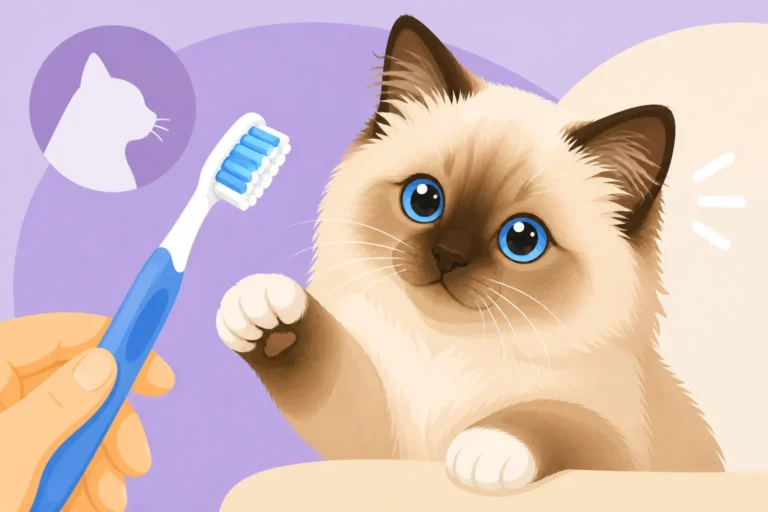
Regular claw trimming is also essential. Older Birmans may not use scratching posts as vigorously as they once did, leading to overgrown claws that can curl into their paw pads, causing pain and infection. Gently press on each toe pad to extend the claw and trim only the sharp tip, avoiding the quick (the pink part visible through the claw, which contains nerves and blood vessels). If you're unsure, ask your vet or a groomer to show you how. This not only keeps them comfortable but also prevents accidental scratches during grooming or playtime. Trimming the Claws Inside a Birman's White Gloves is a great resource.
Addressing Specific Senior Birman Coat Challenges
An aging Birman's coat isn't just about length; it's about texture, oil production, and skin health. As they get older, you might notice new challenges that require specific attention.
Dealing with Stubborn Mats and Pelting
When a mat becomes severe and dense, it can form a solid, felt-like mass, often referred to as "pelting." These are incredibly painful, restricting movement, pulling on the skin, and acting as breeding grounds for bacteria and parasites. If you encounter pelting, do not attempt to cut it out yourself with scissors. The skin beneath can be paper-thin and easily cut, leading to serious injury.
For pelting or very large, tight mats, the safest and most humane option is a trip to the veterinarian. They can sedate your Birman if necessary and safely clip the mats away without causing pain or injury. This often involves shaving down larger areas, which might look a bit drastic at first, but it provides immediate relief and allows the skin to heal and the coat to grow back healthy. After removal, you can then restart a regular, preventive grooming routine.
Managing Greasy Fur and Dandruff
A greasy coat, especially along the spine and tail, is a common issue for senior Birmans who can't groom. This buildup of sebum can lead to clogged pores and an increase in dandruff, which appears as white flakes in their fur. To combat greasiness, consider gentle spot cleaning with pet wipes. For more widespread greasiness, a bath with a degreasing, cat-specific shampoo (as mentioned earlier) might be needed every few months. Be sure to use lukewarm water and rinse thoroughly.
Dandruff can sometimes indicate dry skin, so ensuring your Birman is well-hydrated is key. Provide multiple water sources, including a pet fountain, and consider incorporating more wet food into their diet. Certain dietary supplements, like omega-3 fatty acids, can also improve skin and coat health from the inside out. We'll dive into that more in the next section. Sometimes, a greasy coat can also be a sign of an underlying health issue, so if it's persistent despite your efforts, a vet visit is warranted.
Keeping White Gloves and Point Colors Clean
The Birman's distinctive white "gloves" on their paws and the contrast of their darker "points" (face, ears, legs, tail) are beautiful but can highlight any dirt or discoloration. As Birmans age, their points naturally darken. Caring for a Birman Once Its Points Have Gone Dark explains this. However, environmental factors also play a role. Dirty litter can stain white paws, and general grime can dull their fur.
To keep their gloves pristine, consider using low-dust, non-clumping litter, or even paper-based pellets, which are less likely to stick to their fur. Regular paw wipes after litter box visits are a must. For their darker points, a gentle brushing will help remove surface dirt and enhance shine. If you're dealing with stubborn yellowing on the gloves, special cat-safe whitening shampoos exist, but use them sparingly and follow instructions carefully. Maintaining these features requires consistent attention, especially if your Birman's flexibility is limited.
Dietary Support for an Aging Coat and Skin
Grooming isn't just an external affair; what goes into your Birman's body plays a huge role in the health of their skin and coat. As they age, their nutritional needs shift, and providing the right diet can significantly impact their ability to maintain a healthy, manageable coat, even if they can't reach every spot themselves.
High-Quality Protein for Coat and Muscle Maintenance
Protein is fundamental for healthy skin and a luxurious coat. As Birmans age, they can lose muscle mass, and maintaining that muscle is vital for overall health and, indirectly, for mobility which aids in grooming. Ensure your senior Birman is receiving a diet rich in high-quality, easily digestible animal protein. This supports not only their muscle structure but also the keratin production necessary for strong, healthy fur.
Look for cat foods where real meat (like chicken, turkey, or fish) is listed as the first ingredient. Adequate protein helps prevent the fur from becoming brittle, dull, or thin. While Birmans have a single coat, it still requires robust nutritional support to remain silky and full. A diet lacking sufficient protein can result in a sparse, lackluster coat that is more prone to tangling and breakage. Which Protein Level a Birman's Ruff Needs to Stay Full further highlights this importance. Fresh food recipes that emphasize high-quality protein can be beneficial for senior cats.
Essential Fatty Acids for Skin Hydration and Shine
Omega-3 and omega-6 fatty acids are crucial for skin health and coat shine. These 'good fats' help to keep the skin hydrated, supple, and less prone to dryness and flakiness, which can lead to dandruff. They also contribute to a strong hair shaft, reducing breakage and promoting that signature Birman silkiness. Many commercial cat foods, especially those formulated for senior cats or "skin and coat" issues, will include these fatty acids.
You can also supplement your Birman's diet with fish oil, krill oil, or flaxseed oil, specifically formulated for pets. Always check with your vet before adding any new supplements to ensure proper dosage and suitability for your cat's individual health needs, especially if they have other underlying conditions. These fatty acids help maintain the skin's barrier function, protecting against environmental irritants and keeping the coat looking its best.
Hydration for Overall Skin and Organ Health
Hydration is a cornerstone of overall health, and it directly impacts skin and coat quality. Dehydrated skin can become dry, flaky, and itchy, while a dehydrated cat generally has a duller, coarser coat. As Birmans age, their thirst drive might decrease, or they might be less inclined to seek out water bowls if it requires uncomfortable movement.
Encourage increased water intake by providing multiple water bowls in various locations around the house, ensuring they are always clean and fresh. A flowing water fountain can often entice cats to drink more, as many prefer running water. Incorporating more wet food into their diet is another excellent way to boost hydration, as wet food typically contains a much higher moisture content than dry kibble. Proper hydration supports every bodily function, including skin cell turnover and oil production, contributing to a healthier coat from within. Which Wet Food Suits a Birman's Kidney History is a related topic.
Creating a Comfortable Grooming Environment
The environment where you groom your senior Birman is almost as important as the grooming tools themselves. A calm, quiet, and comfortable setting can transform what might otherwise be a stressful chore into a relaxing bonding experience.
Choosing a Quiet and Calm Location
Cats are creatures of habit and sensitive to their surroundings. For an older Birman, who might already be feeling a bit more vulnerable, a noisy or chaotic environment will only add to their anxiety during grooming. Choose a quiet room in your home, away from barking dogs, playful children, or loud televisions. A bedroom or a cozy corner of the living room might be ideal.
Ensure the space is well-lit so you can clearly see what you're doing, but avoid harsh, direct lighting that could be uncomfortable for your cat's sensitive eyes. Dimming the main lights and using a soft lamp can create a more serene atmosphere. Consistency is also key; try to groom your Birman in the same spot each time, so they associate it with a predictable and calm routine.
Providing a Soft, Non-Slip Surface
Your senior Birman's comfort is paramount. Grooming them on a hard, slippery surface like a tile floor or a bare tabletop can be unsettling and even painful for their arthritic joints. Lay down a soft, non-slip mat or a thick towel on a stable surface, like a sturdy coffee table or a low bench. This provides cushioning for their joints and prevents them from slipping, which can be frightening and lead to resistance.
Consider elevating them slightly, if possible and safe, to a height that is comfortable for you to work without excessive bending. This can be particularly helpful when trying to reach their back without straining your own. However, ensure whatever surface you choose is stable and secure, so there’s no risk of them falling. Some cats even prefer to be groomed on your lap, if you can manage it comfortably for both of you. A heated pet bed or pad can also be placed on your grooming surface for extra comfort and warmth, which can be very soothing for stiff joints. Where a Birman Chooses to Lie in Winter and Whether a Heated Bed Is Worth It for a Birman cover similar ground. You can find heated beds on Amazon or Chewy.
Gentle Handling and Positive Reinforcement
Remember, grooming should be an act of love and care, not a battle. Approach your Birman gently, speaking in a soft, reassuring voice. Start with short sessions, gradually increasing the duration as your cat becomes more accustomed and comfortable. If they show any signs of distress—tail twitching, flattened ears, hissing, or trying to escape—stop immediately. Forcing the issue will only create a negative association and make future sessions more difficult.
Use treats, praise, and gentle strokes throughout the grooming process, especially at the beginning and end of each session. This positive reinforcement teaches your Birman that grooming means good things will happen. If your cat resists a particular area, move on and come back to it later. The goal is to build trust and make grooming a regular, peaceful part of your routine, rather than a dreaded event. If you manage to teach your Birman that gentle grooming is part of the daily routine, their quality of life will improve significantly.
When to Seek Professional Help
While home grooming is essential for an aging Birman, there are times when professional intervention is not just helpful but necessary. Knowing when to call in the experts can prevent problems from escalating and ensure your Birman receives the best possible care.
When Mats are Too Severe or Painful to Remove at Home
As we discussed, if your Birman has developed large, tight, or pelted mats, attempting to remove them yourself can be dangerous and extremely painful for your cat. The skin beneath these mats can be inflamed, thin, or even torn, and cutting them out without proper training and tools carries a high risk of injury. This is a situation where your veterinarian is your best resource.
Your vet can assess the severity of the mats, check for underlying skin infections, and safely remove them. Often, this involves sedation to minimize stress and pain for your Birman, followed by careful clipping with veterinary-grade clippers. While your Birman might come home with a rather patchy haircut, the relief they experience will be immense. It’s a necessary step to restore their comfort and allow their coat to grow back properly. Don't feel guilty about seeking this help; it's an act of kindness and responsible pet ownership.
Persistent Skin Issues or Odor
If you notice persistent skin redness, sores, scabs, excessive dandruff, or an ongoing unpleasant odor despite your regular grooming efforts and diet adjustments, it's time for a vet visit. These symptoms can indicate underlying health issues that go beyond simple grooming neglect. Skin infections (bacterial or fungal), allergies, parasites, or even systemic diseases can manifest as dermatological problems.
Your veterinarian can conduct a thorough examination, take skin scrapings or biopsies if needed, and prescribe appropriate treatments. This might include medicated shampoos, antibiotics, antifungals, or dietary changes. Ignoring these signs can lead to chronic discomfort and more serious health complications for your Birman. Remember, their placid temperament can sometimes hide their pain effectively, so observing these physical signs is crucial. Why a Placid Birman Hides Pain is an important read here.
Difficulty with Routine Handling
If your Birman becomes highly resistant, aggressive, or unusually vocal during grooming sessions, despite your gentle approach and positive reinforcement, it could be a sign of pain. Cats instinctively hide pain, but if grooming exacerbates discomfort from arthritis or other conditions, their tolerance will drop significantly. They might also become anxious if they've had a previous negative experience or if they feel unsteady.
In such cases, a professional groomer who specializes in senior or anxious cats might be able to offer assistance. They have specialized techniques and equipment (like grooming tables with restraints) to ensure safety for both the cat and the groomer. However, it's always wise to rule out any medical causes for their resistance with your vet first. Your vet might suggest pain management strategies for their arthritis, which could then make future grooming sessions much more tolerable.
Long-Term Care Strategies for Your Aging Birman
Caring for an old Birman who can't reach their back is an ongoing commitment. It's about proactive steps that integrate grooming support with their overall health management, ensuring their golden years are as comfortable and happy as possible.
Regular Vet Check-Ups and Pain Management
As Birmans age, regular veterinary check-ups become even more crucial. These visits allow your vet to monitor their overall health, assess the progression of conditions like arthritis, and make recommendations for pain management. Untreated pain is a significant factor in a cat's declining quality of life, and it directly impacts their ability and willingness to self-groom. Your vet can suggest appropriate medications, supplements, or even alternative therapies to keep your Birman comfortable.
Beyond physical comfort, these check-ups are an opportunity to discuss any changes in diet, behavior, or coat condition. Your vet can also perform a thorough dental check, as dental disease is common in older cats and can also influence their ability to groom if their mouth is sore. Establishing a strong partnership with your veterinarian will be key to navigating the challenges of senior cat care and ensuring your Birman receives comprehensive support. What an Old Birman Slows Down From First and Why Birman Kidney Disease Is Watched From Middle Age are relevant to general senior health.
Modifying the Home Environment for Senior Comfort
Just as you adapt your grooming routine, consider adapting your home environment to better suit your aging Birman's needs. Provide easily accessible, comfortable resting spots at ground level or with ramps or pet stairs. This reduces the need for difficult jumps that could aggravate arthritic joints. Think about things like low-sided litter boxes that are easier to step into, especially if their hindquarters are stiff.
Ensure their food and water bowls are easily reachable without excessive bending or stretching. A non-slip mat around their food and water area can also prevent accidental slips. A warm, cozy bed, perhaps near a sunny window or a gentle heat source, can soothe aching joints and encourage relaxation. These small modifications can significantly reduce the physical demands on your Birman, conserving their energy and contributing to their overall well-being. Why an Old Birman Needs Fewer Calories might also be a good read.
Maintaining a Consistent Grooming and Affection Routine
Consistency is not just about keeping their coat neat; it's about providing comfort, routine, and affection. Your regular grooming sessions become a precious time for bonding. Even if they can't groom themselves, the act of you gently combing them, wiping their paws, and checking for discomfort signals your love and care. This consistent interaction can be deeply reassuring for an older cat, who might otherwise feel disconnected as their physical abilities wane.
Continue to offer praise, gentle words, and treats during these sessions. It's a way to acknowledge their patience and reinforce the positive aspects of being handled. Even if you're just gently petting them and not actively brushing, those moments of tactile connection are invaluable. Your love and attention will go a long way in helping your senior Birman feel cherished and well-cared for, making their later years truly golden.
Disclaimer
This article is for general informational purposes only and does not constitute professional advice. Laws, prices and regulations vary by location and change over time. Consult a qualified professional for guidance on your specific situation.