Why Three Combings a Week Is Enough for a Birman
Many prospective Birman owners look at that luxurious, flowing coat and immediately picture daily battles with combs, endless shedding, and a house covered in cat hair. It's a natural fear, especially if you've had experience with other long-haired breeds. However, the truth about Birman grooming is far more relaxed than you might imagine, and in this comprehensive guide, we're going to dive deep into why a mere three combings a week are perfectly sufficient to keep your Sacred Cat of Burma looking its best and feeling utterly comfortable.
The Birman's Unique Coat: A Groomer's Dream (and Secret)
Let's address the elephant in the room – or rather, the silky cat on the sofa. Birmans have a stunning, semi-longhaired coat that looks like it would be a magnet for mats and tangles. But here's the beautiful secret: it's fundamentally different from many other long-haired breeds, and this difference is what makes their grooming routine surprisingly manageable.
Single Coat vs. Double Coat: A World of Difference
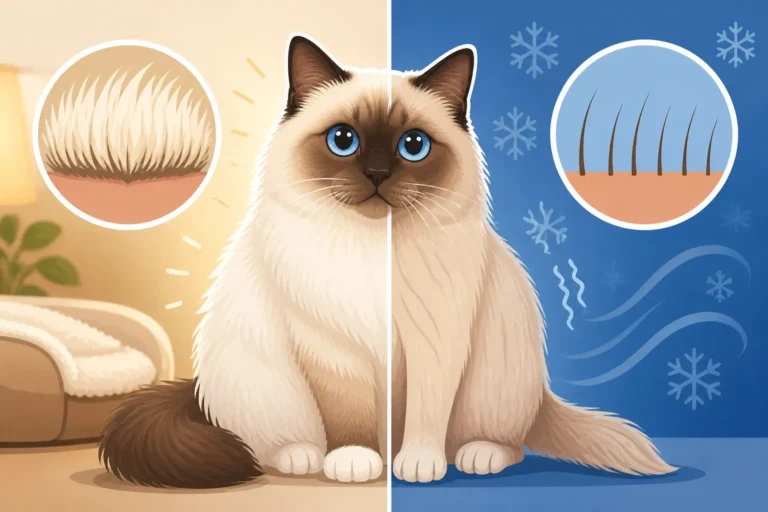
The primary reason why Birmans don't demand the intense daily grooming of some other long-haired cats lies in their coat structure. Most long-haired breeds, like Persians, possess a dense double coat. This means they have a soft, woolly undercoat beneath their longer, coarser guard hairs. This undercoat is fantastic for insulation, but it's also a notorious culprit for trapping loose hair, forming mats close to the skin, and generally making grooming a daily, sometimes arduous, task.
A Birman, however, boasts a glorious single coat. This means they have those beautiful long, silken guard hairs, but very little, if any, dense undercoat. Imagine the difference between a thick, wool blanket (double coat) and a luxurious silk scarf (single coat). The silk scarf simply doesn't tangle and hold onto debris in the same way. The Birman's fur just glides, flowing beautifully and resisting the tight knots that plague cats with a heavy undercoat. This single-layer characteristic makes all the difference in their grooming needs, truly earning them the reputation of being "easy to groom." You'll find that their fur is often described as feeling like silk, and that tactile quality is a direct result of this unique genetic makeup. This is a core reason why No Undercoat Is What Makes a Birman Easy to Groom.
The Myth of the Matting Monster
Because of their impressive length, many people assume Birmans are prone to severe matting, especially in high-friction areas like behind the ears, under the "armpits," or on their britches. And while any cat can get a mat if completely neglected, the Birman's single coat is remarkably resistant to them compared to breeds with a woolly undercoat.
I've had Birmans for years, and the dreaded "matting monster" simply hasn't been a constant threat. What you might find are small, easily resolved tangles if a cat has been particularly rambunctious or if they've gone a bit too long between combings, perhaps if you've been away for a few extra days. These aren't the tight, painful, skin-pulling mats that require professional dematting or even shaving, which are common in other breeds. Instead, they're usually loose bundles of shed hair that can be gently teased out with the right comb. This resistance to matting is a huge relief for owners and contributes significantly to Why a Birman Mats Far Less Than It Looks Like It Should. It frees you from the constant anxiety of finding a new knot and instead allows you to enjoy the simple pleasure of petting their soft fur.
Understanding Your Birman's Grooming Needs
So, if daily grooming isn't the order of the day, what does a Birman truly need to maintain that pristine appearance and feel comfortable? It's about consistency, the right tools, and understanding the specific areas that might occasionally require a touch more attention.
The Gentle Art of Combing: What to Use and How Often
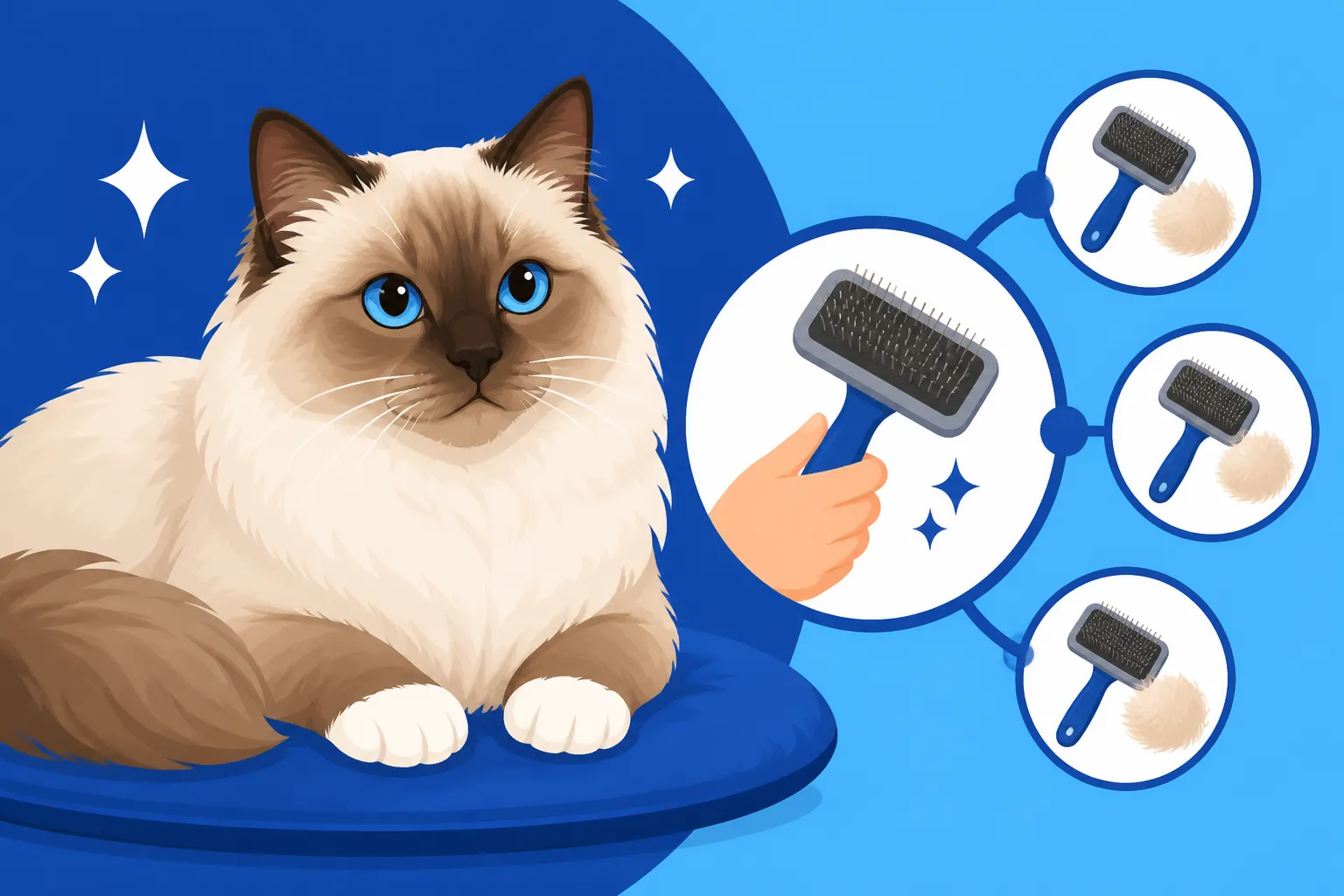
For a Birman, the goal of combing isn't to de-mat a dense undercoat; it's simply to remove loose hairs before they have a chance to clump, distribute natural skin oils, and gently stimulate the skin. My routine for my Birmans usually involves three focused sessions a week. These aren't hour-long endeavors; often, 10-15 minutes per session is more than enough to cover their entire body.
When it comes to tools, forget the slicker brushes that can tear and damage a Birman's delicate guard hairs. You'll want a good quality metal comb with both wide and fine teeth. The wider teeth are perfect for the body and ruff, while the finer teeth can tackle areas like the britches or behind the ears where hair might be a bit denser or more prone to a minor tangle. I personally prefer a comb that feels sturdy but gentle. You can find excellent options on platforms like Amazon or Chewy. Start with the wide-toothed side to go through the larger areas, then follow up with the finer teeth if needed. Always comb gently, in the direction of hair growth. If you hit a snag, don't pull! Instead, gently work it out with your fingers or the fine end of the comb. This approach protects their silky coat and keeps grooming a positive experience for both of you. Choosing the right comb is essential, as Which Comb Gets Through a Birman's Ruff Without Pulling explains in more detail.
| Grooming Task | Frequency | Recommended Tool | Notes |
|---|---|---|---|
| Full Body Combing | 2-3 times per week | Metal comb (wide/fine teeth) | Focus on removing loose hair, distributing oils. |
| Spot Checks | Daily (casual petting) | Hands, fingers | Feel for any emerging tangles, especially behind ears, britches. |
| Nail Trimming | Every 2-4 weeks | Cat nail clippers | Crucial for preventing snags and overgrown claws. |
| Ear Cleaning | As needed (check weekly) | Cotton ball/pad, vet-approved cleaner | Only outer ear; never insert anything into the ear canal. |
| Dental Care | Daily (ideally) | Pet toothbrush, enzymatic toothpaste | Helps prevent dental disease, common in all cats. |
| Paw Wiping | As needed (especially white gloves) | Damp cloth | Keep those white "gloves" pristine, particularly after litter box. |
Beyond the Comb: Spot Checks and Problem Areas
While combing forms the backbone of Birman grooming, other areas need occasional attention. Those magnificent white "gloves" on their paws are part of their breed standard, but they can be a magnet for dirt, especially if your Birman is particularly fond of digging in the litter box. A quick wipe with a damp cloth can often keep them sparkling. Keeping a Birman's White Gloves White goes into more detail on how to manage this specific feature.
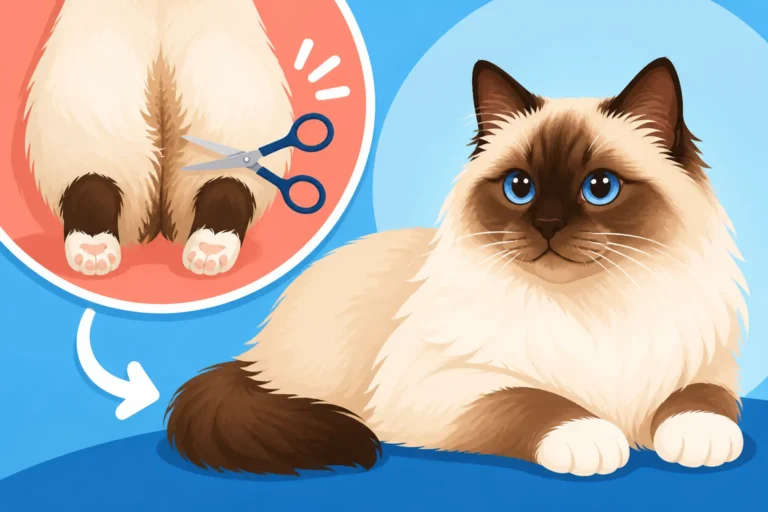
Their britches (the fur on their hind legs) and the area around their collar or harness (if they wear one) might experience a bit more friction and could be slightly more prone to tangles. Giving these spots a quick once-over with the comb during your regular sessions, or even just a quick finger-check during a cuddle, can prevent minor snags from escalating. Don't forget their tail plume – it's stunning and generally very resistant to tangles, but a gentle comb-through keeps it fluffy and beautiful. Remember, the goal is always gentle maintenance, not aggressive de-tangling. Taking care of these areas proactively saves a lot of hassle.
Why Daily Combing Can Be Counterproductive
It's tempting to think that "more is better" when it comes to grooming, especially with such a visibly luxuriant coat. However, with a Birman's specific coat type, excessive daily combing can actually do more harm than good. It's about finding that sweet spot of care that nourishes their coat without stripping it.
Preserving the Coat's Natural Oils
A cat's coat isn't just fur; it's a living part of their skin and health. Their skin produces natural oils that keep their fur healthy, shiny, and supple. These oils act as a natural conditioner, protecting the hair shafts and keeping the coat water-resistant to a degree. When you over-comb, especially with the wrong type of brush or too much vigor, you can strip these essential oils from the coat.
Think of it like overwashing your own hair. Too much scrubbing or brushing can leave it dry, brittle, and prone to breakage. The same applies to your Birman. Daily, aggressive combing can dry out their skin, make their fur duller, and ironically, make it more susceptible to breakage and tangles because it loses its natural lubrication. A healthy coat is a well-oiled coat, and three gentle combings a week allow these oils to do their job without being constantly stripped away. This is crucial for maintaining that What Makes a Birman's Coat Silky Rather Than Woolly.
Preventing Skin Irritation and Stress
Cats are creatures of habit, and while many Birmans tolerate or even enjoy grooming, making it an overly frequent or intense activity can lead to stress and skin irritation. Constantly pulling at their fur, even gently, can cause microscopic abrasions or simply make their skin tender. A cat's skin is much more delicate than you might think.
Furthermore, turning grooming into a daily chore can turn it into a negative experience for your Birman. Instead of associating the comb with gentle strokes and bonding time, they might start to see it as something to avoid. This can lead to them becoming resistant, hiding when they see the comb, or even developing anxiety around handling. By keeping grooming sessions shorter and less frequent, you maintain it as a pleasant, anticipated interaction. A happy cat is a calm cat, and a calm cat is much easier to groom when needed. Remember, Why a Birman Lies Still While You Comb It often depends on making the experience positive from the start.
Building a Relaxed Grooming Routine
The key to successful Birman grooming isn't about brute force or endless hours; it's about establishing a routine that works for both of you, making it a positive experience, and knowing when to adapt.
Making Grooming a Positive Experience
From day one, aim to make grooming a pleasant interaction rather than a forced one. Start with short sessions, even just a minute or two, focusing on gentle strokes with the comb. Use praise, soft words, and maybe even a small, healthy treat afterward. High-value treats can be excellent motivators to help your Birman associate grooming with something good. As they get used to it, you can gradually increase the duration.
Timing is also important. Choose a time when your Birman is relaxed and receptive, perhaps after a nap or a play session when they're winding down. Avoid trying to comb them when they're energetic, hungry, or clearly want to be doing something else. If they show signs of discomfort or protest, stop and try again later. The goal is cooperation, not confrontation. Over time, many Birmans will come to enjoy their grooming sessions, seeing them as dedicated bonding time. This gentle approach ensures that you're not just caring for their coat, but also strengthening your bond with your beloved feline friend. For more insights on this, read How to Get a Birman Used to a Comb.
Recognizing When Your Birman Needs More Attention
While three times a week is generally sufficient, there might be times when your Birman needs a little extra care. For instance, during seasonal shedding, which Birmans do experience despite their single coat, you might notice more loose hair. During these periods, increasing combing to four or five times a week for a short while can help manage the extra shedding and prevent any potential tangles. Even a single-coated cat will shed, and understanding How Much a Coat With No Undercoat Actually Sheds is important.
If your Birman has been particularly active outdoors (perhaps in a secure catio or on a leash walk), or if they've gotten into something messy, a quick spot-clean or extra comb-through might be necessary. Keep an eye on areas that might get more friction, such as under a collar or behind the ears, as these are still the most likely spots for any small tangles to form. A quick, gentle check during petting sessions can often catch issues before they become problematic. Listen to your cat, observe their coat, and adjust your routine as needed – flexibility is key to good Birman care.
The Long-Term Benefits of Proper Birman Coat Care
Adopting a consistent, gentle grooming routine, rather than an overly aggressive one, brings a wealth of benefits that extend far beyond just a pretty coat. It contributes to your Birman's overall health, happiness, and even your own peace of mind.
A Healthy Coat, a Happy Cat
A well-maintained Birman coat, cared for with three gentle combings a week, is more than just aesthetically pleasing; it's a sign of a healthy cat. Regular combing helps to stimulate circulation in the skin, which in turn promotes healthy hair growth. By removing loose hairs, you also reduce the amount of hair your Birman ingests during self-grooming, potentially lessening the frequency of hairballs. While Birmans aren't as prone to hairball issues as some other long-haired breeds due to their single coat, it's still a factor to consider.
Beyond the physical benefits, a cat that is comfortable in its own skin is a happier cat. When their fur is free of tangles and their skin is healthy, they feel better, move more freely, and are generally more content. This translates into a more relaxed demeanor and a stronger bond with you. The simple act of regular, gentle grooming becomes a calming ritual for both of you, contributing to a tranquil household environment. For example, a healthy coat also makes it easier to How to Feel a Birman's Ribs Under a Silky Coat during health checks.
Saving Time and Trouble in the Long Run
Perhaps one of the most practical benefits of understanding your Birman's true grooming needs is the significant time and trouble you save. Instead of feeling overwhelmed by the prospect of daily, intensive grooming, you can confidently stick to a manageable routine. This means more time for play, cuddles, or simply enjoying your cat's company without the constant pressure of a demanding grooming schedule.
Furthermore, by preventing serious matting, you avoid the need for costly and potentially stressful trips to the professional groomer for dematting. You also reduce the likelihood of skin problems or infections that can arise from neglected mats. Investing in a good quality comb and establishing a gentle, consistent routine early on will pay dividends over your Birman's entire lifespan. It truly is a win-win: your Birman stays beautiful and healthy, and you enjoy a less demanding, more rewarding ownership experience. This efficiency is why How Many Minutes a Week a Birman's Coat Takes is surprisingly low compared to what you might expect for a longhair.
Disclaimer
This article is for general informational purposes only and does not constitute professional advice. Laws, prices and regulations vary by location and change over time. Consult a qualified professional for guidance on your specific situation.