Why a Birman Living Somewhere Cold Gets Darker
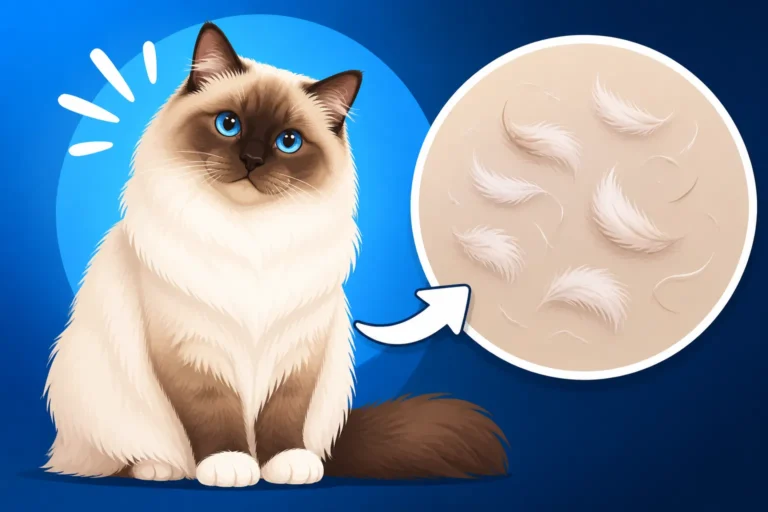
You bring home a Birman kitten, all soft white fluff, and then over time, especially if your house runs a bit cool, you notice those beautiful points deepening, almost dramatically. It’s not your imagination, and it’s certainly not a sign of poor health; it’s a fascinating genetic trait unique to these stunning felines. This guide will dive deep into why your Birman's gorgeous coat gets darker in colder temperatures and what that means for their appearance and how you might observe these changes in your own beloved companion.
The Science of Color: How Temperature Influences Your Birman's Coat
It’s truly a marvel of nature how your Birman’s stunning coloration develops, and it all boils down to a very specific genetic quirk. Unlike cats with solid coats, Birmans, along with other pointed breeds like Siamese and Himalayans, possess what's known as temperature-sensitive albinism. This isn't true albinism in the sense of a complete lack of pigment, but rather a form where the pigment-producing enzyme only works efficiently within certain temperature ranges. Understanding this genetic mechanism is key to appreciating why your Birman's appearance changes throughout its life and depending on its environment.
The Role of the Tyrosinase Enzyme
At the heart of this phenomenon is an enzyme called tyrosinase. This enzyme is absolutely crucial for the production of melanin, the pigment that gives hair its color. In most cats, this enzyme works consistently across their entire body, resulting in a uniform coat color. However, in Birmans, there's a mutated version of the tyrosinase enzyme. This particular mutation makes the enzyme heat-sensitive. What does that mean for your kitty? It means that the enzyme only functions properly and produces pigment in cooler parts of the cat's body.
Think about it: the core of your cat's body, where their vital organs are, is naturally warmer. In these areas, the heat-sensitive tyrosinase enzyme is less active, or even completely inactive, which is why your Birman's body remains a pale, creamy white or eggshell shade. But as you move towards the extremities—the ears, face, paws, and tail—the body temperature drops slightly. These "cooler" regions allow the tyrosinase enzyme to kick into action, producing melanin and resulting in the distinct dark points we all adore. It’s a beautifully intricate system, and it's Why a Birman Kitten Is Born Almost White before those points even begin to show.
How External Temperature Affects Pigment Production
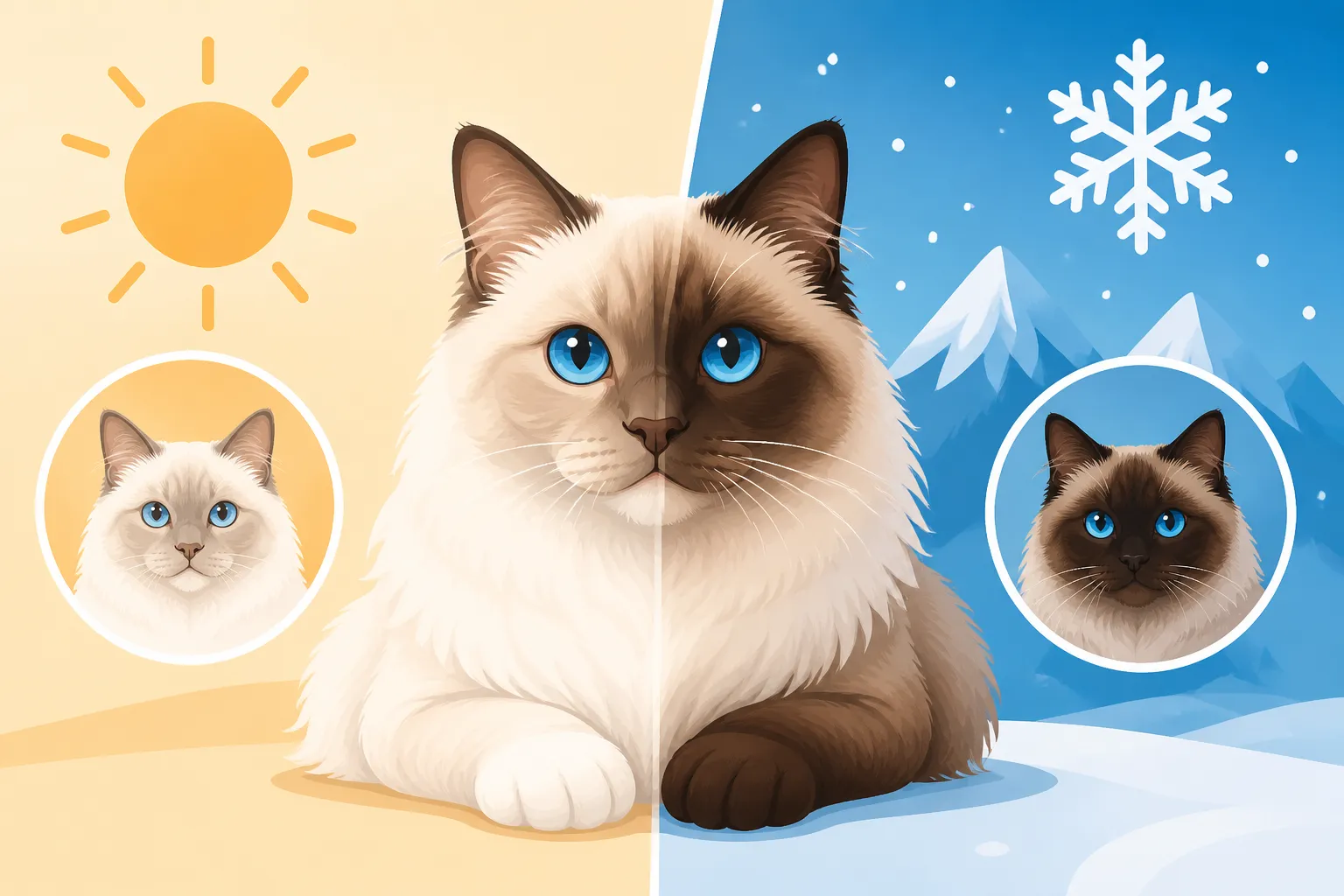
Now, let’s connect this back to the external environment. If your Birman lives in a consistently cool house or enjoys spending time in a cooler room, those "cooler" body parts—the points—will experience sustained lower temperatures. This, in turn, allows the temperature-sensitive tyrosinase enzyme to be more active for longer periods, leading to a darker, more intense pigment in their points.
Imagine a Birman who loves to curl up by a chilly window or prefers sleeping on a cool tile floor. The continuous, slight drop in skin temperature in those areas over months and years will encourage the enzyme to produce more melanin. Conversely, a Birman living in a very warm climate or a consistently toasty house might have slightly lighter points because the enzyme is less efficient even in the extremities. It's a subtle but measurable effect, and it’s why understanding How a Birman's Points Darken With Cold is so important for owners.
Living in a Colder Climate: What to Expect for Your Birman’s Coat
For those of us who live in regions with distinct seasons, or simply keep our homes on the cooler side, it’s fascinating to observe the impact on a Birman’s coat. You're not just imagining it if your Birman seems to get a bit darker in winter; there's a scientific reason for it! This natural darkening is part of their charm, but it's also something to understand as a responsible Birman owner.
Seasonal Darkening and Ambient Room Temperature
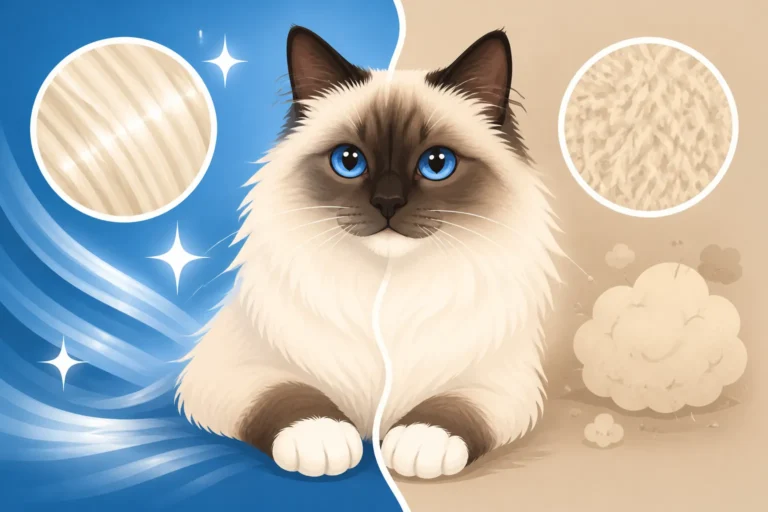
It's common for Birmans to show a subtle but noticeable seasonal variation in their point color. As the ambient temperature in your home drops during the colder months, even if you keep your heating on, the overall environment is generally cooler than in summer. This prolonged exposure to cooler temperatures enhances the activity of that temperature-sensitive tyrosinase enzyme. You might find that your Birman's ear tips deepen, their mask becomes more pronounced, and their paw gloves take on a richer hue.
Conversely, some owners observe a slight lightening in the summer months when their homes are warmer. This isn't a reversal of the process, but simply less active pigment production. It's a dynamic trait, constantly responding to the subtle shifts in their environment. This is just one aspect of Why a Birman's Points Darken as It Ages, as age also plays a significant role in overall color intensity, layering with the temperature effect.
Outdoor Access and Overall Coat Darkening
While most Birmans are cherished indoor companions, some owners provide safe outdoor access, such as a catio or a supervised harness walk. For these cats, the direct exposure to cooler outdoor temperatures, especially in autumn and winter, will undoubtedly lead to a more pronounced darkening of their points. A Birman who spends even an hour or two daily in a cool outdoor enclosure will likely develop significantly darker points than a housemate who is strictly indoors in a warm environment.
It’s not just about extreme cold; even mild, sustained coolness contributes. This is why points darkening in the cold (How a Birman's Points Darken With Cold) is a consistent phenomenon, and it's completely normal. This doesn't mean you should try to keep your Birman in an overly warm house to prevent darkening; their comfort and health are paramount. The deepening of their points is a natural and beautiful characteristic, not a flaw to be avoided.
Beyond Temperature: Other Factors Influencing Point Color
While temperature is a primary driver of point coloration in Birmans, it's not the only factor at play. Genetics, age, and even overall health can contribute to the final shade and intensity of those striking points. It's a complex interplay, and understanding these elements helps you appreciate the beautiful tapestry of your Birman's coat.
Age and Genetic Predisposition
One of the most significant factors in point darkening, alongside temperature, is age. Birmans are born almost entirely white, and their points develop gradually as they grow. How a Birman Kitten's Points Come In is a process that unfolds over their first few months, and then those points continue to deepen and intensify throughout their lives. It's not uncommon for a Birman to still be showing darkening well into their second or even third year, reaching their full color maturity around that time. So, if your cat is getting older, expect those points to become richer and more defined, regardless of the thermostat setting. In fact, Why an Old Birman's Points Look Almost Black is a common observation for senior Birmans, even those in warmer homes.
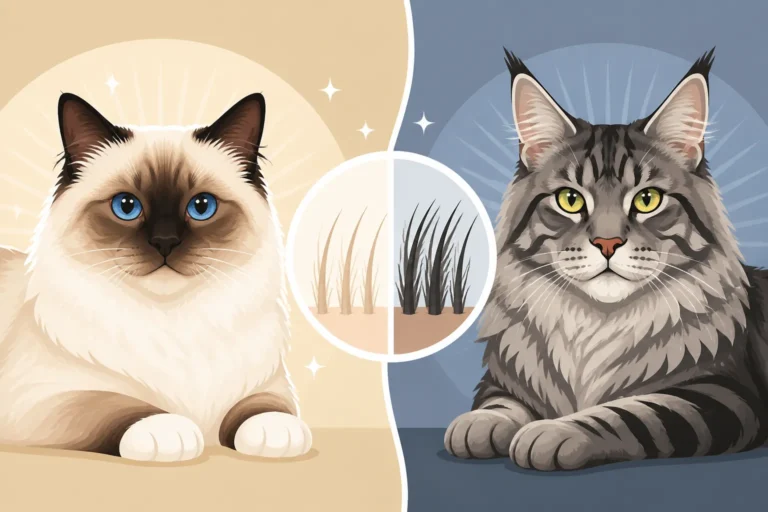
Beyond age, genetics play a fundamental role in determining the potential depth of color. Just like people have different hair colors, different Birman lines and individual cats carry genes that predispose them to lighter or darker point shades. A Birman from a line known for deep seal points might always have darker points than one from a line known for paler lilac points, even if they live in the same environment. This genetic blueprint sets the stage, and temperature acts as an environmental modulator within those genetic limits.
Overall Health and Coat Condition
While not directly changing the mechanism of temperature-sensitive albinism, your Birman’s overall health and nutritional status can certainly affect the vibrancy and condition of their coat, which in turn influences how the color appears. A healthy Birman with a rich, well-nourished coat will often display its point colors more vividly. A dull, dry coat, perhaps due to poor nutrition or an underlying health issue, might make the points appear less lustrous.
Ensuring your Birman receives a high-quality diet, rich in essential fatty acids, is crucial for maintaining that famously silky Birman coat. Many cat foods emphasize balanced nutrition that supports skin and coat health. While feeding specific nutrients won't turn a blue point into a seal point, it will ensure that the existing pigment shows up at its best. Regular grooming, using appropriate tools which you can easily find on Amazon, also keeps the coat free of mats and promotes a healthy sheen, allowing the true beauty of their darkening points to shine through.
| Factor | Effect on Point Coloration | Primary Mechanism | Speed of Change |
|---|---|---|---|
| Temperature | Darker in cooler environments, lighter in warmer | Activity level of temperature-sensitive tyrosinase | Gradual, seasonal |
| Age | Darkens progressively from birth to maturity | Continuous pigment production over time | Slow, lifelong |
| Genetics | Predisposition to specific base shades | Inherited genetic code for melanin intensity | Fixed from conception |
| Health/Diet | Affects vibrancy and luster of coat | Nutrient availability for healthy hair growth | Gradual, responsive to care |
Practical Considerations for Owners
Knowing that your Birman's points will naturally deepen, especially in cooler settings, can help manage expectations and prevent any unnecessary worry. Embrace the changes! It’s part of the Birman’s unique beauty. If you live in a colder region, your cat's points will likely be more intense than a Birman living in a tropical climate, and that’s perfectly fine.
There's no need to crank up your heating unnecessarily just to keep your Birman's points lighter. Their comfort and well-being should always come first. Provide cozy beds, warm blankets, and ensure they have a draft-free environment. A Heated Bed Is Worth It for a Birman particularly in older age, to ensure they remain comfortable. The natural darkening is a testament to their unique genetic heritage, a living, breathing demonstration of their breed's fascinating characteristics. It makes each Birman a truly individual work of art, with a coat that subtly tells the story of its life and environment.
Disclaimer
This article is for general informational purposes only and does not constitute professional advice. Laws, prices and regulations vary by location and change over time. Consult a qualified professional for guidance on your specific situation.