Why an Old Birman’s Points Look Almost Black
It can be quite startling to look at your beloved Birman as they age and notice their beautiful, distinctive points — those darker areas on their face, ears, paws, and tail — are becoming almost black. You might wonder if something is wrong, if their health is declining, or if this dramatic color change is just a normal part of getting older. Rest assured, this guide is here to unravel the mystery behind why an old Birman's points look almost black, explaining the fascinating science and common reasons behind this transformation, so you can understand what to expect as your Birman gracefully ages.
The Science Behind Birman Point Coloration
To truly understand why an old Birman's points darken so dramatically, we need to talk a little bit about what makes their points colored in the first place. It's a really cool piece of genetic wizardry, and once you grasp it, the changes in their older years make perfect sense.
The Temperature-Sensitive Gene at Play
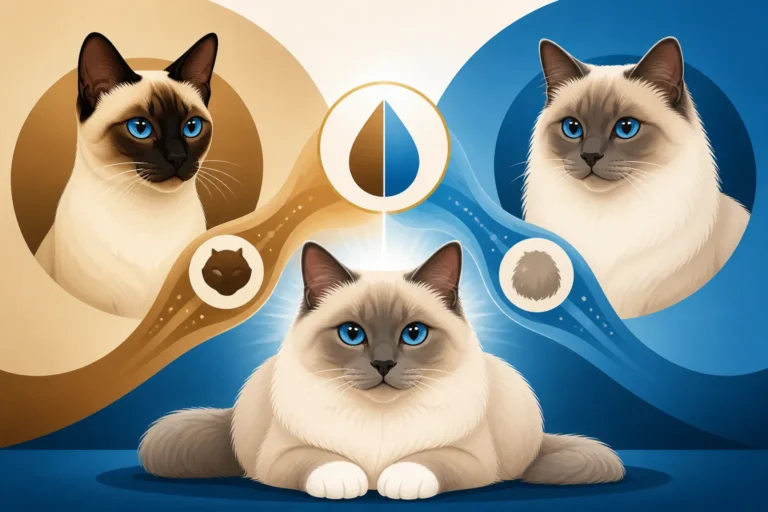
Birmans, like Siamese and other pointed breeds, carry a special gene responsible for their unique coloration. This gene controls an enzyme called tyrosinase, which is crucial for producing melanin, the pigment that gives hair its color. The fascinating thing about this tyrosinase enzyme in Birmans is that it's temperature-sensitive. This means it only works effectively in cooler parts of the cat's body.
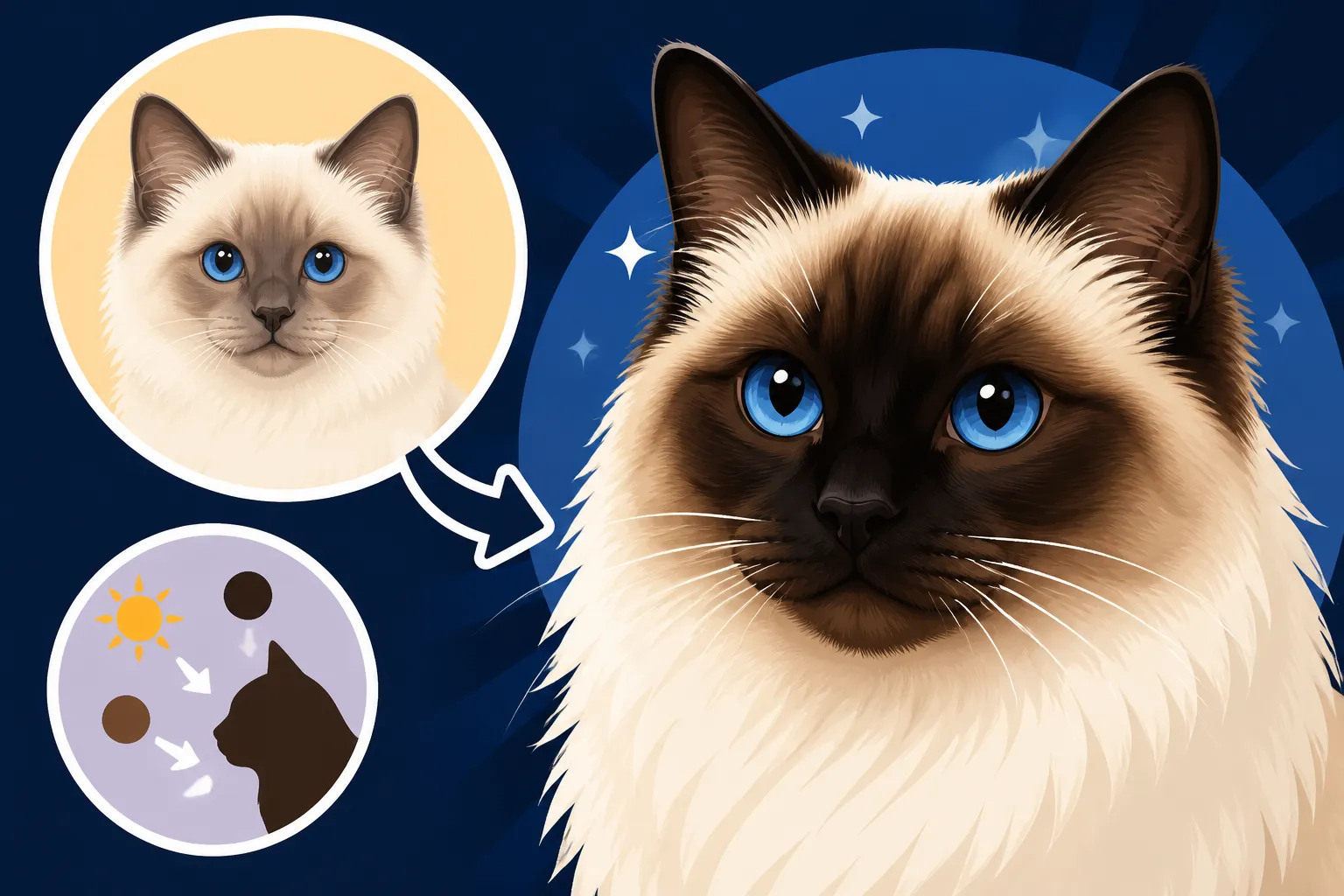
Imagine your Birman kitten, born almost pure white. This isn't because they lack the color genes, but because they've been cozy and warm inside their mother's womb. At that consistent, warm temperature, the tyrosinase enzyme isn't active, so no pigment is produced. Once they're born and exposed to the cooler outside world, the magic starts to happen. Their extremities – the ears, nose, paws, and tail – are naturally cooler than their core body temperature. In these cooler areas, the enzyme kicks into gear, producing melanin, and those beautiful points begin to emerge. This is why a Birman Kitten's Points Come In over the first few weeks and months of their life, gradually deepening to their adult shade.
What Determines Point Shade and Depth
The specific shade of your Birman's points (seal, blue, chocolate, lilac, red, tortie, or tabby) is determined by other genes that modify the type of melanin produced. However, the depth or intensity of that color is heavily influenced by temperature and, crucially, age. Think of it like a natural thermostat for their fur. A Birman living in a generally cooler environment might develop slightly darker points than one living in a consistently warm climate, simply because the enzyme has more opportunity to work. This explains How a Birman's Points Darken With Cold. Beyond environmental factors, the inherent changes that come with age play a significant role in making those points appear almost black later in life.
The Ageing Process and Point Darkening
As our beloved Birmans get older, their bodies undergo a lot of natural changes, and many of these contribute to the striking darkening of their points. It's a completely normal, if sometimes surprising, part of their journey into their golden years.
Slowing Metabolism and Lowered Body Temperature
One of the most significant factors in the darkening of an old Birman's points is a general slowdown in their metabolism. As cats age, their metabolic rate tends to decrease. This can lead to a slight, but consistent, drop in their overall body temperature, especially in their extremities. While it might not be a dramatic drop that you'd notice without a thermometer, even a fraction of a degree can make a big difference to that temperature-sensitive tyrosinase enzyme.
Because the enzyme is now operating in a slightly cooler environment more consistently, it becomes more efficient at producing melanin. This means more pigment is deposited in the hair follicles, leading to the gradual deepening of the point coloration. It's a slow burn, not an overnight change, which is why How Many Years a Birman's Points Take to Finish Darkening isn't a simple answer, but rather a lifelong progression. This continuous pigment production, year after year, compounds to create that almost black appearance you see in very senior Birmans.
Changes in Fur Density and Texture
Beyond temperature, the fur itself changes with age. While Birmans are known for their incredibly silky single coat – No Undercoat Is What Makes a Birman Easy to Groom – the density and texture can alter as they get older. You might notice their coat isn't quite as soft or full as it once was. Older cats can sometimes have slightly coarser hair, and if the hair follicles are producing more pigment, this can also contribute to the perception of a darker, almost black point color.
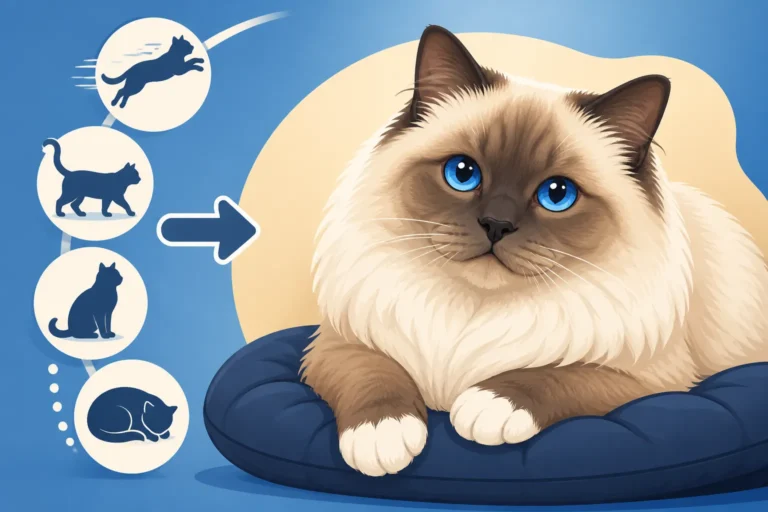
Furthermore, as they age, Birmans might spend more time resting, often curled up in favorite spots. Less activity means less internal heat generation, further contributing to those slightly cooler extremities. It's a combination of these subtle physiological changes and lifestyle adjustments that collectively lead to the pronounced darkening we observe.
Environmental and Lifestyle Influences
While genetics and the natural aging process are the primary drivers for point darkening, environmental factors and your Birman's daily lifestyle can certainly play a supporting role, influencing how dark those points ultimately become.
Indoor vs. Outdoor Living
For most Birmans, especially those with exquisite white gloves that need Keeping a Birman's White Gloves White, an indoor-only lifestyle is the safest and healthiest choice. However, even within the confines of a home, there can be variations in temperature. A Birman living in a home with less consistent heating, or one that loves to nap near drafty windows or on cool floors, might experience a slightly more pronounced darkening of their points over time compared to a cat that prefers warm, sunny spots. The persistent, low-level chill can slightly boost the activity of that temperature-sensitive enzyme.
This isn't to say you need to keep your home like a tropical paradise to prevent darkening – it's a natural process! But understanding that sustained cooler temperatures contribute to pigment production helps explain the phenomenon. Conversely, a Birman living in a very warm climate might have slightly lighter points overall than their colder-dwelling cousins.
Grooming Habits and Coat Health
While grooming doesn't directly change the genetic expression of point color, maintaining a healthy coat can influence how vibrant and clear the points appear. Combing a Birman Three Times a Week helps distribute natural oils, remove loose hair, and prevent mats. For an older Birman, this becomes even more crucial, as What an Old Birman Needs Once Its Ruff Starts Matting is often increased grooming from their human companions when they can no longer reach their back.
A clean, well-groomed coat, even if it's darkening, tends to look healthier and more lustrous. Neglected coats can appear duller, and this can sometimes make dark points seem even more pronounced or less appealing. Ensuring your Birman's diet supports healthy skin and coat also plays a part, as good nutrition is the foundation for a gleaming, silky coat, no matter its color.
When Darkening Might Signal Something Else
While the vast majority of point darkening in older Birmans is completely normal and no cause for alarm, it's always important to be vigilant for any other changes in your cat's health. Our Birmans are notoriously stoic, and Why a Birman Hides Illness Behind a Placid Temperament means we need to be extra observant.
Differentiating Normal Darkening from Health Issues
Normal point darkening is a gradual process, usually occurring over years. It's symmetrical and affects all the points fairly evenly. If you notice a sudden, rapid darkening of the points, or if the darkening is accompanied by other symptoms, it's time to pay close attention.
Here's a quick comparison to help you distinguish:
| Feature | Normal Point Darkening (Aging) | Potential Health Concern |
|---|---|---|
| Onset | Gradual, over months to years | Sudden, rapid change over weeks or days |
| Symmetry | Affects all points fairly evenly | Localized, uneven, or one-sided darkening |
| Associated Symptoms | None (cat otherwise healthy) | Lethargy, changes in appetite/thirst, weight loss/gain, behavioral changes, skin irritation, pain, or discomfort. Check What an Ageing Birman Slows Down From for normal signs. |
| Coat Texture | May become slightly coarser but generally healthy | Patchy hair loss, greasy coat, flaky skin, poor coat condition |
| Area Affected | Ears, nose, paws, tail, sometimes along the spine | Specific patches, wounds, or areas of infection |
If you're ever in doubt, a trip to the vet is always the best course of action. It provides peace of mind and allows for early detection of any underlying issues. Having pet insurance, perhaps a plan from Healthy Paws, can certainly make those diagnostic visits less stressful financially.
The Importance of Regular Vet Check-ups
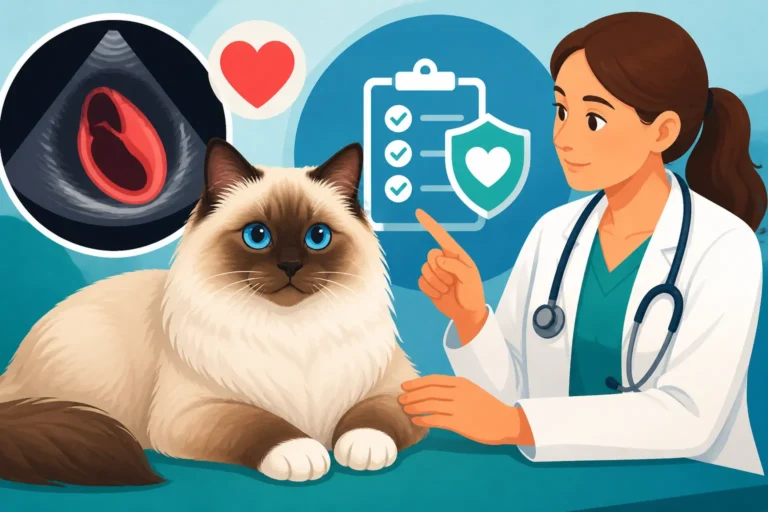
Even if your Birman seems perfectly healthy, regular veterinary check-ups are non-negotiable, especially as they enter their senior years. For Birmans, this often means checking for common breed-specific conditions like heart issues. The Age a Birman Starts Needing Yearly Heart Checks is typically around eight years old, and these checks are vital. Your vet can also monitor kidney function, dental health (those narrow Birman jaws are prone to issues!), and overall well-being.
Your vet can assess any changes in coat color or texture in the context of your Birman's overall health profile. They might ask about diet, activity levels, and any behavioral shifts. Sometimes, subtle changes in behavior are the only clue that something is amiss. Remember, How Often a Birman With Clear Papers Still Needs a Vet is regularly, because health can change even in the best-bred lines. These routine visits are where you can discuss concerns about point darkening or any other aspect of your cat's aging process, and they can reassure you that the darkening is merely a beautiful testament to their long, well-loved life. Thinking ahead with a good pet insurance plan, like those offered by Healthy Paws, can certainly help manage the costs of these crucial preventative and diagnostic visits as your cherished Birman grows older.
Living with an Older, Darker Birman
Embracing the changes that come with an aging Birman, including their darkening points, is part of the joy of having a senior companion. Their evolving appearance tells a story of a life lived, full of purrs, gentle headbutts, and quiet companionship.
Adjusting Care for Senior Birmans
While their points may be darker, your senior Birman still needs the same loving care, perhaps with a few adjustments. Their nutritional needs might change, they might benefit from orthopedic beds for those aging joints, and their desire for warmth may increase, making a heated bed a real luxury. Caring for a Birman Once Its Points Have Gone Dark often involves paying closer attention to these comfort details.
Remember that their metabolism is slower, so carefully monitor their weight and adjust their food intake accordingly. Dental care becomes even more critical, as gum disease can creep up unnoticed. Gentle grooming, a warm environment, and lots of quiet affection are the cornerstones of caring for your senior Birman.
Appreciating Their Enduring Beauty
The dramatic darkening of an old Birman's points doesn't diminish their beauty; if anything, it enhances it. It tells a visual story of their journey through life, a map of their years and experiences. Their deep blue eyes, set against a richer, almost black mask, often become even more striking.
Instead of seeing it as a loss of their kitten-like lightness, view it as an evolution, a deepening of their inherent charm. These senior Birmans, with their stately, darker points, carry a wisdom and serenity that only comes with age. They've spent a lifetime following you from room to room, offering quiet comfort, and truly embody the "Sacred Cat of Burma." Just as we cherish every grey hair on a beloved family member, we can appreciate every deepened shade on our Birman's points as a mark of a life well-lived and deeply loved. And for their continued well-being, especially as age-related issues become more common, having robust support from a provider like Healthy Paws can be incredibly reassuring.
Disclaimer
This article is for general informational purposes only and does not constitute professional advice. Laws, prices and regulations vary by location and change over time. Consult a qualified professional for guidance on your specific situation.