Why a Birman Lies Still While You Comb It
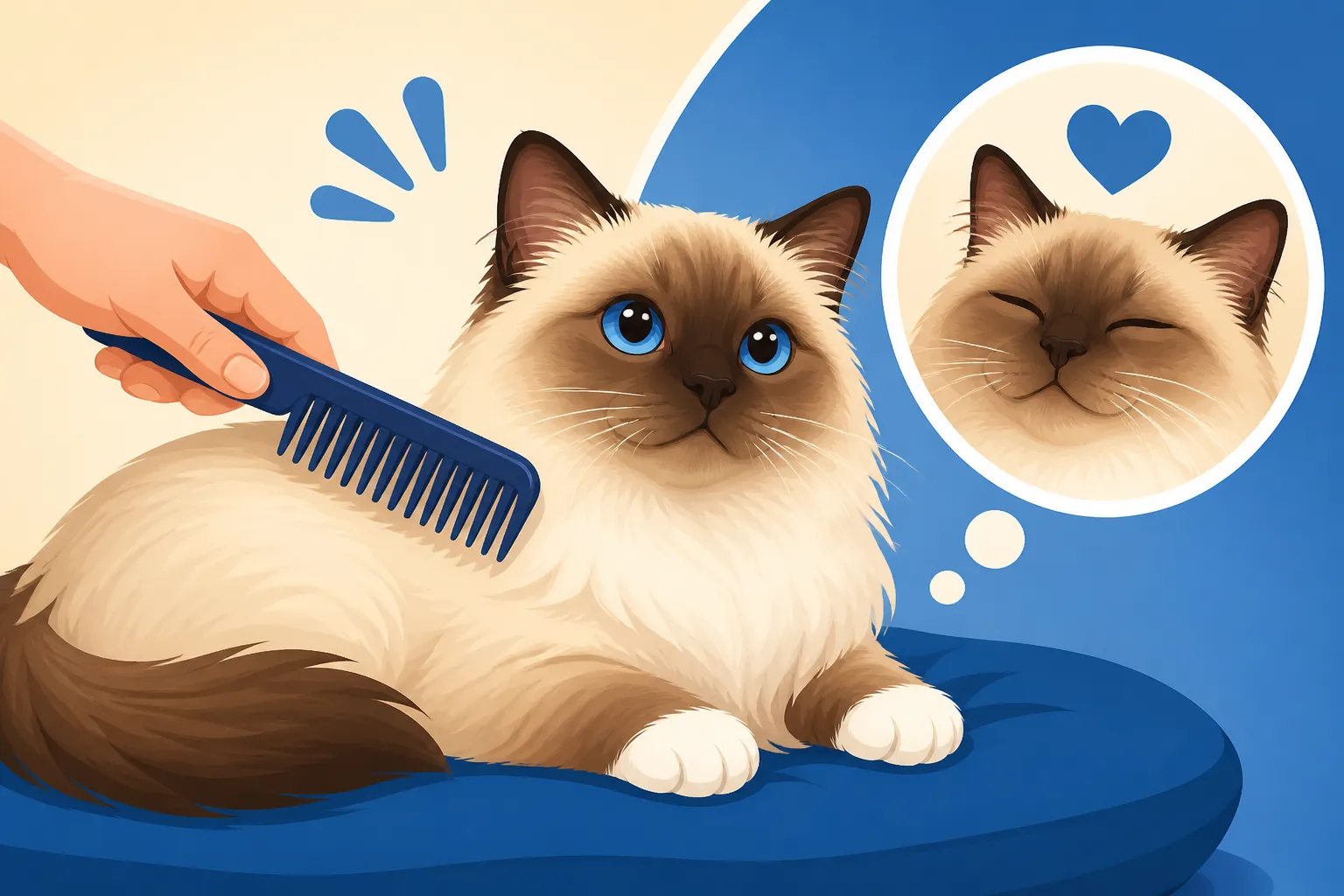
One of the most common refrains I hear from new Birman owners, after they’ve settled in with their beautiful, placid companion, is a sigh of relief when it comes to grooming. Many cat parents dread the daily battle that grooming can become, especially with long-haired breeds. The truth is, while some cats turn grooming into an Olympic sport of evasion and defiance, your Birman is much more likely to lie still and allow you to work your magic with the comb. This guide will delve into the unique blend of temperament and physical traits that make Birmans such compliant grooming partners, and how you can nurture this cooperative spirit.
The Birman's Temperament: A Groomer's Dream
It’s no accident that your Birman is so amenable to grooming. This breed isn't just beautiful; it's renowned for its gentle, laid-back personality, which plays a huge role in why they tolerate, and often enjoy, being pampered. This isn't just wishful thinking; it's deeply ingrained in their very being.
Inherited Calmness and Gentle Nature
Birmans are often described as the "middle ground" cat, striking a beautiful balance between the high-energy, vocal Siamese and the more sedentary, often aloof Persian. They possess a quiet dignity and an almost serene disposition that makes them incredibly easy to live with. This inherent calmness isn't just about their general demeanor; it translates directly to how they interact with their environment and, crucially, how they react to being handled.
Think about it: a cat that naturally avoids confrontation, rarely gets overstimulated, and prefers quiet companionship is far more likely to remain still when you approach with a comb. They don't have the restless energy that might make a more active breed squirm or dart away. Their gentle nature means they're less prone to lashing out with claws or teeth, even if a comb snags a tiny knot. They tend to trust their humans implicitly, and this trust is a cornerstone of successful grooming. Instead of seeing the comb as a threat or an annoyance, they often perceive it as an extension of your affection, a pleasant interaction that deepens their bond with you. This placid nature is one of the Birman's most endearing qualities, making them a joy in so many aspects of life, including their grooming routine. The Birman Sits Between the Siamese and the Persian
The "Sacred Cat" Mentality: Trust and Patience
The Birman's legendary origins as the "Sacred Cat of Burma" (or rather, the Sacred Cat of Birmanie, France, where the legend was penned) imbue them with a certain mystique, but it also hints at a temperament that has been cherished and nurtured for generations. These cats were reportedly companions to temple priests, implying a history of close, respectful interaction with humans. This background, whether entirely factual or mostly myth, seems to have shaped a breed that is remarkably trusting and patient.
They are not just physically beautiful; they possess a deep well of emotional intelligence and an uncanny ability to connect with their human companions. When you sit down to groom your Birman, you're not just performing a chore; you're engaging in a ritual of care. Because they are so trusting, they quickly learn that the comb isn't meant to hurt them. Even if there's a slight pull, their patience allows them to endure minor discomfort, understanding that it's part of your loving attention. This makes them exceptional candidates for regular grooming, as they rarely put up a fuss. Their belief in your good intentions means they will often simply relax into the process, perhaps even purring contentedly, turning what could be a wrestling match into a peaceful, bonding experience. The Birman Is the Sacred Cat of Burma, and the Story Is a Legend
Physical Attributes That Make Grooming Easier
While temperament is paramount, the Birman’s unique physical characteristics also contribute significantly to their cooperative grooming behavior. Unlike some other long-haired breeds that require Herculean efforts to keep them tangle-free, the Birman’s coat is surprisingly low-maintenance.
The Marvel of the Single Coat
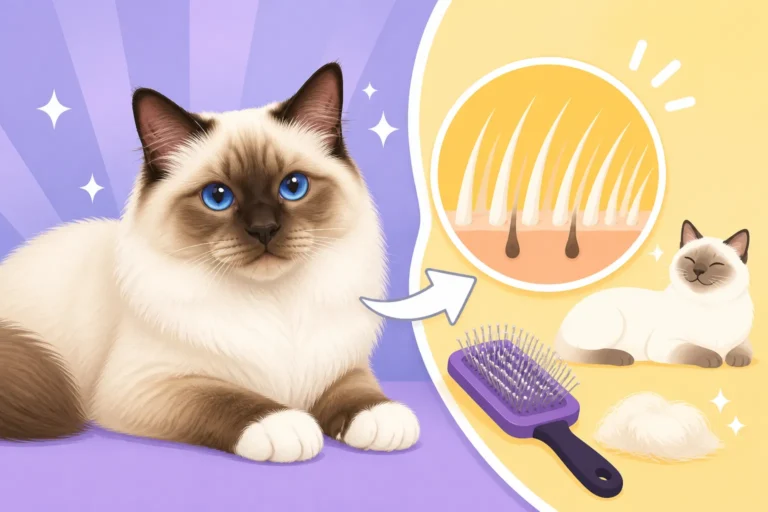
One of the Birman's most distinct advantages when it comes to grooming is its unique coat structure. Unlike many long-haired breeds, such as Persians or Maine Coons, Birmans possess a single coat, meaning they lack the dense, woolly undercoat that often lies beneath the longer guard hairs. This is a game-changer for grooming.
Imagine trying to comb through two layers of fur, especially if the bottom layer is prone to matting and holding onto loose hairs. It's a recipe for snags, pulls, and an unhappy cat. With a Birman, you're essentially dealing with one layer of fine, silky hair that lies close to the body. This coat texture means the comb glides through much more easily, encountering far less resistance. There's simply less bulk to navigate, and individual hairs are less likely to intertwine into tight knots. This smooth passage of the comb makes the entire experience far more pleasant for your Birman, reducing the likelihood of pain or irritation, which in turn encourages them to remain still and cooperative. No Undercoat Is What Makes a Birman Easy to Groom
Less Matting, Less Pain
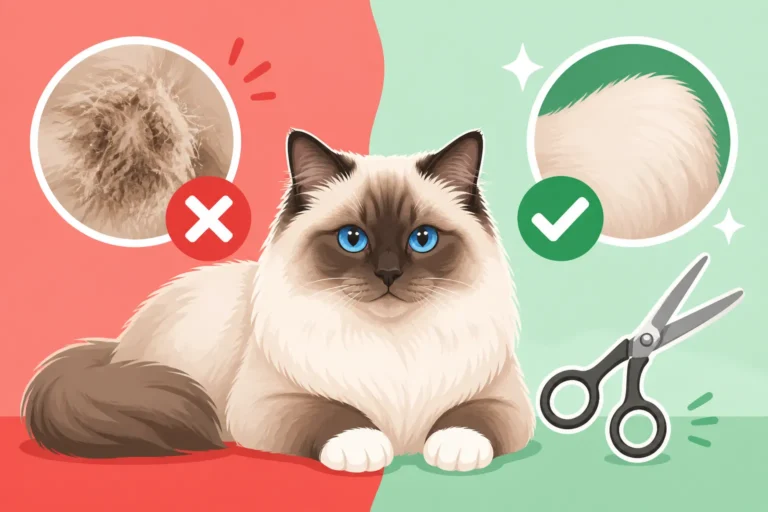
The absence of a dense undercoat directly translates to another fantastic grooming benefit: significantly less matting. Mats form when loose fur gets caught within the coat and becomes tangled, often tightening into painful clumps that pull on the skin. In breeds with thick undercoats, this is a constant battle. The undercoat sheds profusely, and if not removed regularly, it creates a felt-like layer that easily mats.
Birmans shed, of course, but their single coat means that loose hairs tend to fall out more freely or are easily picked up by a comb, rather than getting trapped and forming mats. This dramatically reduces the chances of encountering painful tangles during a grooming session. When you don't have to wrestle with painful mats, the grooming process remains gentle and comfortable for your cat. This positive association reinforces their willingness to lie still. They learn that combing isn't a painful ordeal but a soothing sensation, a gentle massage that keeps their beautiful coat in pristine condition. Why a Birman Mats Far Less Than It Looks Like It Should When you do find a small mat, perhaps under an armpit or behind an ear, their placid nature makes it easier to work it out carefully.
Building a Positive Grooming Routine from Kittenhood
Even with the perfect temperament and coat, a successful grooming routine doesn't just happen; it's built with consistent, gentle effort from the very beginning. Starting early and making it a positive experience are key to fostering a Birman who truly enjoys their spa time.
Early Introduction to Handling and Tools
The foundation of a Birman who lies still for grooming is laid during kittenhood. From the moment your little Birman bundle arrives home, make handling a regular, positive part of their day. Gently stroke their paws, ears, tail, and belly. Get them used to being touched all over, even in sensitive areas. This desensitization is crucial.
Once they're comfortable with being handled, introduce the grooming tools. Start with a soft brush or a wide-toothed comb, like those readily available on Amazon or Chewy. Don't aim for a full grooming session initially. Just a few gentle strokes, followed immediately by praise and a tiny, delicious treat. Keep it super short – literally a few seconds – and gradually increase the duration as your kitten becomes more accustomed to it. The goal is to create a positive association, so they learn that the comb equals good things. This consistent, positive exposure in their formative weeks is vital. It teaches them that grooming is not something to fear or fight against, but rather a normal, pleasant interaction with their beloved human. How to Start Combing a Birman Kitten Remember, slow and steady wins the race when it comes to building these habits.
Short, Frequent Sessions and Positive Reinforcement
With a Birman's low-matting coat, you might think you can get away with infrequent, long grooming sessions. While their coat is easier, short, frequent sessions are far more effective at maintaining their cooperative attitude. Aim for two to three brief combing sessions a week, perhaps 5-10 minutes each, rather than one lengthy, exhaustive session.
This approach prevents the buildup of loose hair and potential minor tangles before they become problematic. More importantly, it keeps the experience consistently pleasant and manageable for your Birman. During these sessions, focus on gentle strokes, moving with the direction of their fur. Pay special attention to areas prone to a bit more friction, like behind their ears, in their “armpits,” and their britches. Always follow up with a small, high-value treat (like a lickable treat) and plenty of verbal praise. Your Birman thrives on positive attention, and associating grooming with these rewards will cement their willingness to participate. They learn that lying still means not only comfortable attention but also a tasty snack and your joyful approval. How Many Minutes a Week a Birman's Coat Takes This routine creates a predictable and enjoyable ritual that strengthens your bond and keeps their beautiful coat magnificent. What a Birman Will Work For During Grooming
Recognizing Limits and Maintaining Comfort
While Birmans are generally very compliant, it's still crucial to be attuned to their subtle cues and ensure their comfort throughout the grooming process. Even the most placid cat has its limits, and respecting these will maintain their trust and cooperation.
Knowing When Enough Is Enough
Your Birman might not protest loudly or aggressively when they've had enough, but they will give you signals. These might be incredibly subtle: a slight twitch of the tail, a shift in their gaze, a barely perceptible tensing of their muscles, or a slight flattening of their ears. Some might even offer a soft, low trill that indicates mild annoyance rather than contentment.
Learning to read these subtle cues is paramount to maintaining a positive grooming experience. If you notice any of these signs, it's time to stop. Don't push it. End the session on a positive note, even if you haven't finished the entire cat. A few minutes of gentle petting, a final treat, and then allow them to disengage. Pushing past their comfort threshold, even with a placid Birman, can erode their trust and make future sessions more challenging. By respecting their boundaries, you reinforce the idea that grooming is a pleasant, non-threatening activity that they have some control over. This mutual respect is key to keeping them lying still for years to come. What to Do When a Birman Has Had Enough Combing
Keeping Them Comfortable on the Table
The environment where you groom your Birman also plays a significant role in their compliance. A stable, comfortable surface is essential. Many Birman owners find a raised surface, like a sturdy table or even a countertop, works best. This elevates your cat to your level, reducing back strain for you and often making the cat feel more secure and contained than if they were on the floor where they might be tempted to wander off.
Ensure the surface isn't slippery; a non-slip mat or a towel will provide secure footing. Make sure the room is a comfortable temperature, not too cold, as their single coat doesn't offer as much insulation as a double coat might. Where a Birman Goes When the Heating Goes Off Speak in soft, soothing tones, and avoid loud noises or sudden movements that could startle them. A calm, quiet environment signals that it's a safe and relaxing time. If your Birman likes it, a small, familiar blanket can make the surface even more inviting. All these small considerations contribute to creating an atmosphere where your Birman feels safe, comfortable, and therefore more inclined to lie still and enjoy the attention. Why a Birman Behaves Better Combed on a Table
Addressing Specific Grooming Challenges
While combing is usually a breeze, other grooming tasks might require a bit more finesse. Even with these, the Birman's calm nature shines through.
| Grooming Task | Birman Approach | Why They Remain Still |
|---|---|---|
| Nail Trimming | Introduce nail clippers early. Gently press each paw to extend claws, clip only the very tip, and follow with a treat. | Their placid nature allows you to hold their paws without much resistance. They learn that a quick snip isn't painful if done correctly. Trimming the Claws Inside a Birman's White Gloves |
| Ear Cleaning | Use a vet-approved ear cleaner on a cotton ball. Gently wipe the visible parts of the ear. Avoid pushing anything into the ear canal. | Birmans are generally tolerant of light touch around their ears, especially if introduced gently. The lack of an overly fluffy ear canal makes access easier. Cleaning a Birman's Ears Without Touching the Ruff |
| Paw Cleaning | Birmans have white gloves, which can get dirty. Use a damp cloth or a pet-safe wipe to gently clean their paws, especially after litter box use. | They often enjoy the gentle massage on their paws. Keeping their white feet pristine is important for their comfort and appearance. How to Keep a Birman's Gloves Clean |
| Teeth Brushing | Introduce a finger brush or small cat toothbrush with pet-safe toothpaste slowly. Focus on a few teeth at a time. | Their narrow jaw can make this tricky, but their patience allows for gradual introduction. Consistency is key here, starting young helps immensely. |
Even when faced with these more intrusive tasks, your Birman's inherent calm temperament is your greatest asset. Approach each task with patience, gentle handling, and a consistent routine of positive reinforcement. Their trust in you is profound, and by respecting their comfort and signals, you ensure that grooming remains a cherished bonding ritual rather than a dreaded chore.
Disclaimer
This article is for general informational purposes only and does not constitute professional advice. Laws, prices and regulations vary by location and change over time. Consult a qualified professional for guidance on your specific situation.