Feeding a Birman Kitten While Its Points Come In
Bringing home a fluffy, blue-eyed Birman kitten is an absolute joy, but it also comes with a unique set of questions, especially around their diet. One of the most fascinating aspects of Birman development is watching their points—the darker color on their ears, face, paws, and tail—slowly emerge. It’s a process that is profoundly affected by their early nutrition, and getting it right can feel like a big responsibility. This comprehensive guide will walk you through everything you need to know about feeding your Birman kitten during this crucial developmental period, ensuring they grow into a healthy, vibrant adult with beautifully defined points.
Understanding Birman Kitten Development
The journey of a Birman kitten from a tiny, almost pure white fluffball to a magnificent, pointed cat is truly remarkable. It's a period of rapid growth and significant change, both internally and externally. Understanding these developmental stages is key to appreciating why their nutritional needs are so specific and critical.
The Birman's Unique Growth Trajectory
Birman kittens, like all felines, go through an intense growth spurt in their first year. They’re not just getting bigger; their bones are strengthening, muscles are developing, and internal organs are maturing at an incredible pace. While they may seem small and delicate, they are building the foundation for a long and healthy life. This rapid development demands a consistent and high-quality nutritional intake to support every system in their tiny bodies. You’ll notice them gaining weight steadily and growing in length, sometimes seemingly overnight.
Unlike some breeds that reach their full size quickly, Birmans continue to fill out and mature more slowly, often taking up to three years to reach their full majestic size and coat density. This extended growth phase means that even past their first birthday, their dietary needs might still lean towards higher-quality, nutrient-dense foods compared to other breeds. It’s a marathon, not a sprint, when it comes to their development.
The Mystery of Point Coloration: Born White, Points Emerge Later
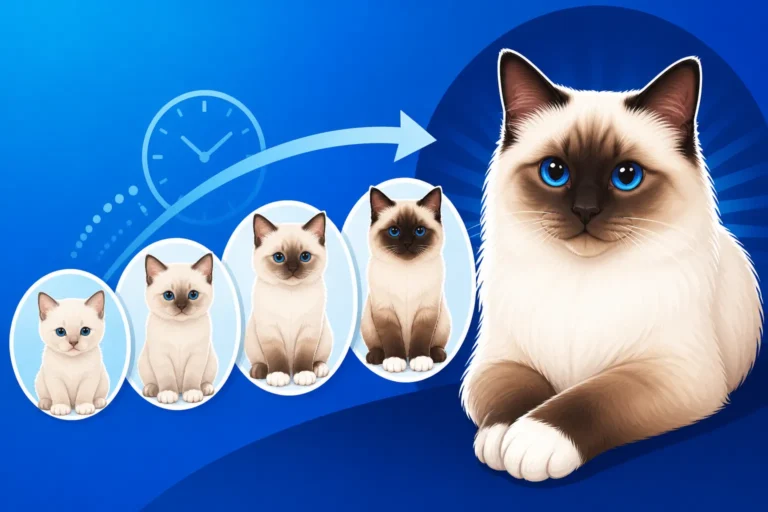
Perhaps the most enchanting characteristic of a Birman kitten is that they are born almost pure white. It’s a trait that often surprises new owners, who might expect to see the full color from day one. Their distinctive "points" – the rich, dark coloring on their extremities – are a result of a temperature-sensitive gene. This gene only expresses color in cooler parts of the body, which are typically the ears, face, paws, and tail. In the womb, and for the first few days of life, the kitten's entire body is warm, preventing the color from developing.
As the kitten grows and their body temperature stabilizes and differentiates, the cooler areas gradually begin to show their true genetic color. You might start to see a faint hint of color on their ears and nose around two to three weeks, with their paw points and tail plume following later. This fascinating process is why it's so exciting to watch a Birman kitten mature; each day brings a little more definition to their unique markings. The speed and depth of this coloration can vary, influenced by genetics and even the ambient temperature of their environment. Why a Birman Kitten Is Born Almost White delves deeper into this phenomenon.
How Nutrition Influences Point Development
While the appearance of a Birman's points is primarily genetic, overall health and robust nutrition play a supporting role in ensuring those points come in vibrantly and beautifully. A kitten that is thriving, with a strong immune system and healthy cellular turnover, is better equipped to express its genetic potential fully. Think of it as providing the best canvas and paints for the masterpiece that is your Birman's coat.
Good nutrition supports healthy skin and coat, which in turn allows the color to develop clearly and richly. Deficiencies, or even just suboptimal nutrition, could theoretically lead to a duller coat or less vibrant point colors, though this is rarely the primary factor. What's more crucial is that excellent nutrition supports the overall health of the kitten during this period, ensuring all bodily systems are functioning optimally, which then allows the natural beauty of their coat and points to shine through. Observing When a Birman Kitten's Points Start to Show can be a daily delight when you know they're getting the best start.
The Nutritional Demands of a Growing Birman
Raising a Birman kitten means understanding that their little bodies are working overtime. They're not just miniature versions of adult cats; they have entirely different energy and nutrient requirements that need to be met with precision.
Why Kittens Aren't Just Small Cats
This is a common misconception that can lead to improper feeding. Kittens are growing at an astonishing rate, laying down bone, muscle, and developing their nervous and immune systems. To fuel this incredible growth, they need significantly more calories, protein, and certain vitamins and minerals per pound of body weight than an adult cat. Their tiny stomachs also mean they need more frequent, smaller meals.
Think of it like this: a human baby isn't just a small adult. They need specialized nutrition to support their rapid development. The same applies to your Birman kitten. Feeding an adult cat food to a kitten might leave them lacking essential nutrients, hindering their growth and overall health. Always look for food specifically formulated for "kittens" or "all life stages" on the packaging to ensure they're getting what they need.
Energy for Play and Growth
Birman kittens are famously playful, and all that chasing, pouncing, and exploring burns a lot of energy! This high metabolic rate, combined with the demands of physical growth, means they require a diet rich in easily digestible calories. A kitten food formulated for their rapid growth provides the necessary fuel to keep them bouncing off the walls and developing healthily.
If a kitten isn't getting enough energy from their diet, they might seem lethargic, their growth could slow, and their overall immune system might be compromised. Conversely, too much of the wrong kind of energy (empty calories from fillers) can lead to an overweight kitten without proper muscle development. It's a delicate balance, but quality kitten food is designed to provide just the right amount of energy in a healthy, balanced way.
Building Blocks for a Silky Coat
The Birman's coat is one of its crowning glories – long, silky, and without an undercoat, which makes it less prone to matting than some other long-haired breeds. But to develop that luxurious texture, a kitten needs the right building blocks in their diet. Protein and healthy fats are absolutely vital for growing strong, supple skin and a full, lustrous coat.
A diet rich in high-quality animal protein provides the amino acids necessary for hair production, while essential fatty acids contribute to the sheen and softness. You'll want to support that beautiful coat from the inside out, ensuring it's as magnificent as their emerging points. Which Protein Level Keeps a Birman's Ruff Thick offers more detail on this specific aspect of Birman nutrition.
Key Nutrients for Healthy Growth and Coat
Understanding the vital nutrients your Birman kitten needs is like learning the secret recipe for their optimal development. Each component plays a specific and crucial role in their journey from kittenhood to adulthood.
Protein: The Foundation of Growth
For a growing Birman kitten, protein isn't just important; it's the absolute foundation. Kittens need a higher percentage of protein in their diet than adult cats to support their rapid muscle, tissue, and organ development. This protein should primarily come from animal sources, as cats are obligate carnivores and require specific amino acids found only in meat.
Look for real meat (chicken, turkey, salmon, beef) as the first ingredient on any kitten food label. These high-quality animal proteins provide essential amino acids like taurine, arginine, and methionine, which are crucial for everything from vision and heart health to enzyme function and healthy skin and coat. Without adequate animal-based protein, a kitten's growth can be stunted, their immune system weakened, and their coat can become dull and brittle.
Fats: Fuel, Absorption, and a Lustrous Coat
Fats are another critical macronutrient for your Birman kitten. They are a concentrated source of energy, providing more than twice the calories per gram compared to protein or carbohydrates. This energy is essential for their high metabolic rate and constant activity. Beyond just fuel, healthy fats are vital for the absorption of fat-soluble vitamins (A, D, E, and K), which are crucial for bone health, vision, and immune function.
Specifically, essential fatty acids, such as omega-3 and omega-6, play a huge role in skin and coat health. Omega-3s, often found in fish oils, contribute to that desirable silky texture and help reduce inflammation, keeping skin healthy and itch-free. A diet rich in good fats will ensure your Birman's coat develops with a beautiful shine and softness that is a hallmark of the breed.
Vitamins, Minerals, and Taurine: The Essentials
While protein and fats form the bulk of a kitten's diet, vitamins and minerals are the microscopic powerhouses that facilitate countless bodily functions. Calcium and phosphorus, for example, are crucial in the correct balance for strong bone development. A rapidly growing kitten needs more of these minerals to build a sturdy skeletal structure.
Taurine is a non-negotiable amino acid for cats, and unlike humans or dogs, cats cannot synthesize enough of it on their own. It is vital for healthy vision and heart function. Without sufficient taurine, cats can develop serious, irreversible health issues. High-quality kitten foods will always include adequate levels of taurine. Beyond these, a spectrum of other vitamins (like B vitamins for energy metabolism and Vitamin E as an antioxidant) and trace minerals (like zinc for immune function and copper for coat pigmentation) are all carefully balanced in reputable kitten formulas to support overall health and development.
Here's a quick look at some key nutrients for your Birman kitten:
| Nutrient Category | Specific Nutrients (Examples) | Key Benefits for Birman Kittens |
|---|---|---|
| Proteins | Animal-based proteins | Muscle development, tissue repair, healthy hair growth |
| Fats | Omega-3, Omega-6 fatty acids | Energy, fat-soluble vitamin absorption, shiny coat, healthy skin |
| Carbohydrates | Complex carbohydrates | Sustained energy (in moderation) |
| Vitamins | A, D, E, K, B-complex | Vision, bone health, immune function, metabolism |
| Minerals | Calcium, Phosphorus, Zinc | Strong bones and teeth, immune system support, coat quality |
| Amino Acids | Taurine | Heart health, vision |
Choosing the Right Kitten Food
Navigating the seemingly endless aisles of pet food can feel overwhelming, especially when you're trying to make the best choice for your precious Birman kitten. It's not just about what tastes good; it's about what provides the right foundation for their long-term health and that magnificent coat.
Deciphering Food Labels: What to Look For
The pet food label is your most important tool, but it's often written in a way that can be confusing. For your Birman kitten, start by looking for a clear statement that the food is "complete and balanced" and formulated for "growth" or "all life stages" by the Association of American Feed Control Officials (AAFCO). This ensures it meets the minimum nutritional requirements for growing kittens.
Next, scrutinize the ingredient list. The first few ingredients are the most abundant. You want to see high-quality, named animal protein sources like "chicken," "salmon meal," or "turkey" at the very top. Avoid vague terms like "meat meal" or "animal digest" as the primary protein source. Steer clear of excessive fillers such as corn, wheat, or soy, which offer little nutritional value for an obligate carnivore. Preservatives like BHA, BHT, and ethoxyquin are also worth avoiding in favor of natural preservatives like mixed tocopherols (Vitamin E).
Wet vs. Dry: Pros and Cons for Birman Kittens
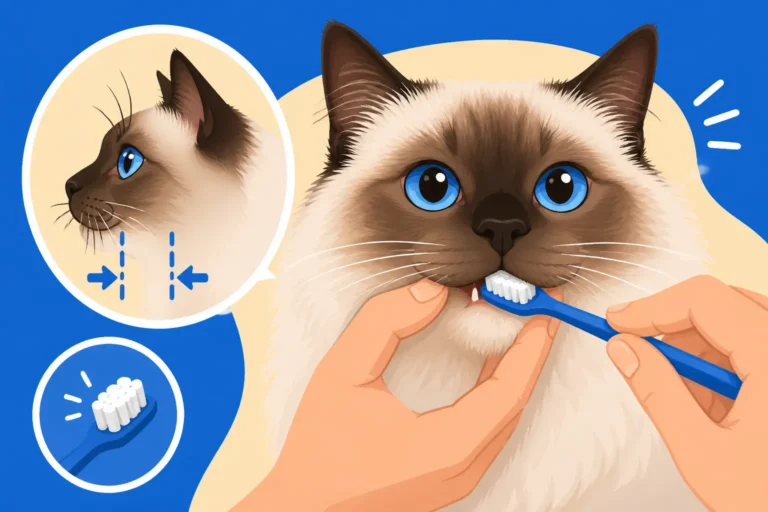
The debate between wet and dry food is a classic one, and both have their merits for a Birman kitten. Dry kibble is convenient, can be left out, and its abrasive texture can help scrape tartar off teeth, which is a consideration for Birmans who can be prone to dental issues later in life. However, its lower moisture content means kittens need to drink more water, which can sometimes be a challenge.
Wet food, on the other hand, provides excellent hydration, which is a massive benefit, especially for long-term kidney health in cats. It's often more palatable and can be easier for small kittens to eat. The downside is that it can be more expensive, and it can't be left out for long periods. Many owners opt for a mixed diet, offering both wet and dry food. A morning and evening wet food meal, with a small amount of dry kibble available during the day, can offer the best of both worlds. The extra hydration from wet food can be particularly beneficial for your Birman's developing kidneys.
Brand Considerations and Recommendations
When it comes to specific brands, the market is flooded with options, but consistency in quality is key. Many reputable brands offer excellent kitten formulas that will provide the necessary nutrients for your growing Birman. You might find a wide range of choices on platforms like Chewy or Amazon, allowing you to compare ingredient lists and customer reviews easily. Brands like Royal Canin, Hill's Science Diet, Purina Pro Plan, and Blue Buffalo often have breed-specific or life-stage specific formulas that are veterinarian-recommended.
Another option gaining popularity is fresh food subscription services, which deliver food tailored to your cat's needs. While these might be a higher price point, they offer carefully balanced nutrition with excellent transparency on ingredients. Ultimately, the “best” food will be one your Birman kitten thrives on, maintains a healthy weight, has a glossy coat, and shows good energy levels. Don't be afraid to consult your veterinarian for specific recommendations based on your kitten's individual health profile.
Feeding Schedule and Portion Control
Establishing a consistent feeding routine and understanding appropriate portion sizes are vital for your Birman kitten's health and development. Unlike some breeds that loudly demand food, Birmans are often quite placid, meaning you need to be observant to ensure they’re getting enough, but not too much.
Establishing a Routine: How Often to Feed
Young kittens, much like human babies, need frequent small meals because their stomachs are small and their energy demands are high. For Birman kittens under six months old, aim for three to four meals a day. This ensures a steady supply of nutrients and energy to fuel their rapid growth without overwhelming their digestive system. A typical schedule might be morning, midday, late afternoon, and evening.
As they approach six months to a year, you can gradually reduce the frequency to two to three meals a day. Consistency is key here; feeding at roughly the same times each day helps regulate their digestive system and reduces anxiety. A fixed feeding time also allows you to monitor their appetite and consumption, which can be an early indicator of health issues.
Calculating Portions: Avoiding Over or Underfeeding
Portion control is critical. Overfeeding can lead to obesity, which puts undue stress on a kitten's developing joints and organs, while underfeeding can lead to stunted growth and nutritional deficiencies. The general guideline is to follow the feeding instructions on your chosen kitten food package. These guidelines are usually based on the kitten's current weight and age.
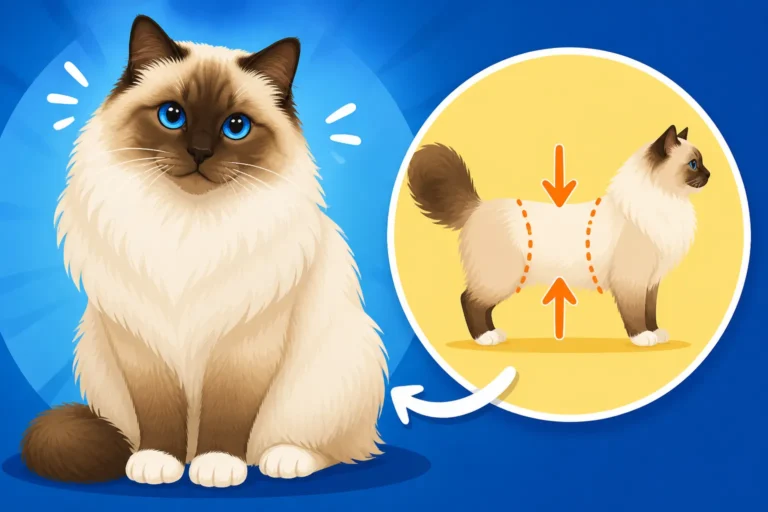
However, these are just starting points. Every kitten is an individual. Monitor your Birman kitten's body condition closely. You should be able to feel their ribs easily under a thin layer of fat, and they should have a discernible waist when viewed from above. If they're looking too thin or too round, adjust their portions slightly and consult your vet if you have concerns. Keep in mind that How Many Calories a Birman Needs to Hold Its Coat can vary greatly depending on their activity level and individual metabolism.
The Placid Birman's Appetite: When They Won't Tell You They're Hungry
One of the most charming, yet sometimes challenging, aspects of the Birman temperament is their quiet, undemanding nature. Unlike some boisterous breeds that will yowl for food the moment their bowl is empty, a Birman might simply wait patiently. This means you, as their owner, need to be proactive and observant about their feeding times and consumption.
Don't rely on your Birman kitten to tell you they're hungry. Offer meals at the scheduled times and observe how much they eat. If they leave food behind consistently, it might indicate they're being overfed, or less commonly, that something is amiss with their health or the food itself. Conversely, if they eagerly finish every meal and seem to be constantly searching for more, a slight increase might be warranted, assuming they are not gaining too much weight. This gentle nature means you need to be their advocate in ensuring their nutritional needs are met. Why a Birman Will Quietly Eat Everything You Leave Down explores this aspect of their personality in more detail.
Hydration: A Critical Component
Just as crucial as the food your Birman kitten eats is the water they drink. Proper hydration is often overlooked but plays an immense role in every aspect of their health, from their developing kidneys to the luster of their coat.
The Role of Water in Overall Health
Water is essential for life, performing countless functions within your Birman kitten's body. It aids in digestion, helping nutrients to be absorbed and waste products to be expelled efficiently. It regulates body temperature, lubricates joints, and helps transport nutrients and oxygen to cells. For kittens, sufficient water intake supports the rapid development of all their organs, including their tiny kidneys, which are working hard to filter waste.
A well-hydrated kitten will have healthy skin elasticity, bright eyes, and good energy levels. Dehydration, even mild, can lead to lethargy, constipation, and put unnecessary strain on their internal organs. Given the Birman's predisposition to certain kidney-related health concerns later in life, establishing excellent hydration habits from kittenhood is a proactive step towards long-term wellness.
Encouraging Water Intake: Tips and Tricks
Cats, by nature, don't always have a strong thirst drive, especially if they are primarily eating dry kibble. This comes from their desert ancestors who got most of their moisture from their prey. As such, you might need to be a little creative to encourage your Birman kitten to drink enough.
One of the best ways is to ensure fresh, clean water is always available in multiple locations throughout your home. Some cats prefer ceramic or metal bowls over plastic, which can sometimes impart a taste. Many Birmans are fascinated by running water, so a pet drinking fountain can be an excellent investment. The movement and freshness often entice them to drink more. Additionally, incorporating wet food into their diet significantly boosts their daily water intake. You can even add a tiny bit of extra water or low-sodium chicken broth (ensure no onion or garlic!) to their wet food to further increase hydration.
Early Kidney Health Considerations
The Birman breed, unfortunately, has a history with Polycystic Kidney Disease (PKD), primarily due to its Persian ancestry in the post-war reconstruction. While genetic testing has largely eradicated PKD1 in responsible breeding lines, maintaining optimal kidney health from a young age is still paramount. Hydration is key to supporting kidney function throughout a cat's life.
By ensuring your Birman kitten drinks plenty of water, you help flush out waste products and keep their urinary system healthy, potentially reducing the risk of urinary tract issues and stone formation. This proactive approach to kidney health, starting in kittenhood, can contribute significantly to their longevity and quality of life. Understanding Why a Birman's PKD History Makes Water Intake Matter helps underscore the importance of these habits.
Transitioning from Kitten to Adult Food
That adorable Birman kitten will eventually grow up, and with maturity comes a change in their dietary needs. Knowing when and how to transition them from kitten food to adult food is an important step in their care journey.
Knowing When It's Time to Switch
Generally, most Birman kittens are ready to transition to adult cat food around 10-12 months of age, though some larger breeds or individuals with a slower growth rate might benefit from staying on kitten food for up to 18 months. Birmans typically take longer to fully mature, sometimes up to three years, but the most intense growth phase usually wraps up by their first birthday.
The key indicators are their age, size, and activity level. If your Birman kitten has reached close to their adult size, their rapid growth has slowed, and their energy demands have somewhat leveled off, it's likely time. Consult your veterinarian at their annual check-up around this time; they can provide personalized advice based on your cat's specific development. Switching too early could deprive them of vital nutrients needed for full development, while switching too late might contribute to unnecessary weight gain.
The Gradual Transition Method
When it's time to make the switch, always do it gradually. A sudden change in diet can upset your Birman's sensitive digestive system, leading to stomach upset, vomiting, or diarrhea. The goal is a smooth, stress-free transition over a period of 7-10 days.
Start by mixing a small amount of the new adult food with their current kitten food, say 25% new food to 75% old food. Feed this mixture for 2-3 days. Then, increase the new food to 50% for another 2-3 days, followed by 75% new food to 25% old for another few days. Finally, after a week to ten days, you can offer 100% adult food. Observe your Birman closely during this period for any signs of digestive upset. If you notice any, slow down the transition and give them more time at each stage. This methodical approach usually makes the transition seamless.
Selecting a Quality Adult Birman Food
Just as with kitten food, the quality of adult cat food you choose for your Birman remains paramount. The same principles apply: look for high-quality animal protein as the primary ingredient, healthy fats, and a balanced array of vitamins and minerals. The key difference is the calorie density and nutrient ratios. Adult foods are formulated for maintenance rather than rapid growth.
Consider your Birman's specific needs as an adult. Are they prone to weight gain? Is their coat as luscious as you want it to be? Some adult cat foods are designed for indoor cats, weight management, or coat health. Again, platforms like Chewy or Amazon allow you to browse a wide variety of options and compare nutritional profiles. You might find brands that explicitly mention supporting skin and coat health, which could be beneficial for maintaining your Birman's silky fur. Your veterinarian can also guide you toward a food that best suits your Birman's individual health status and lifestyle.
Monitoring Health and Point Development
As your Birman kitten grows, keeping a watchful eye on their overall health and the beautiful development of their points is part of the joy of ownership. These observations not only connect you more deeply with your cat but also allow you to catch potential issues early.
Observing Coat Condition and Color
The Birman's coat is a significant indicator of health, and as their points develop, you'll want to pay attention to its condition and color. A healthy Birman kitten will have a soft, silky, and lustrous coat. It should feel smooth to the touch, and even before the full length of the adult coat comes in, it should have a healthy sheen. Dull, dry, or brittle fur can be a sign of nutritional deficiencies or underlying health issues.
As for the points, you'll notice them gradually darkening over the first year and even into their second and third years. The depth and richness of color, whether it's seal, blue, chocolate, or lilac, should be consistent with what's expected for their genetic color. While minor variations are normal, a sudden fading or uneven patchiness could warrant a vet visit, though it's rare. Remember that a Birman living in a colder environment might develop slightly darker points. How a Birman Kitten's Points Come In is a delightful process to watch and track.
Weight and Energy Levels: Key Health Indicators
Two of the most straightforward ways to monitor your Birman kitten's health are by tracking their weight and observing their energy levels. Regular weigh-ins (perhaps weekly for very young kittens, then monthly) can help ensure they are growing steadily and not becoming underweight or overweight. Your vet can provide a healthy weight range for Birmans at different ages. Keep in mind that What a Birman Weighs at One With Two Years Still to Grow and beyond will continue to increase.
Birman kittens are typically playful and curious. While they might be more reserved than some other breeds, a healthy kitten should still engage in regular play, explore their environment, and interact with you. A sudden decrease in playfulness, prolonged lethargy, or a significant change in appetite or weight (either loss or gain) are red flags that warrant immediate attention from your veterinarian. These can be subtle signs in a placid breed, so watch for changes in their normal routine. Why a Placid Birman Hides Pain is an important read on this topic.
When to Consult Your Vet
As a responsible Birman owner, you'll establish a good relationship with your veterinarian early on. They are your best resource for any health concerns. While you'll observe and provide the best care, some things are beyond a home assessment. If you notice persistent diarrhea or vomiting, a sudden loss of appetite, extreme lethargy, difficulty breathing, limping, or any unexplained lumps or bumps, it's time to call the vet.
Concerns specific to Birman development might include points that fail to develop as expected (though this is rare and usually genetic), or any skin issues that affect their coat. Regular vet check-ups are essential, even for seemingly healthy kittens. What a Birman Kitten Has Had Done by Thirteen Weeks usually includes their first thorough vet examinations and vaccinations, setting them up for a healthy start. These visits allow the vet to monitor growth, check for congenital issues, and ensure vaccinations and parasite prevention are up to date. Early intervention is always best when it comes to kitten health.
Disclaimer
This article is for general informational purposes only and does not constitute professional advice. Laws, prices and regulations vary by location and change over time. Consult a qualified professional for guidance on your specific situation.