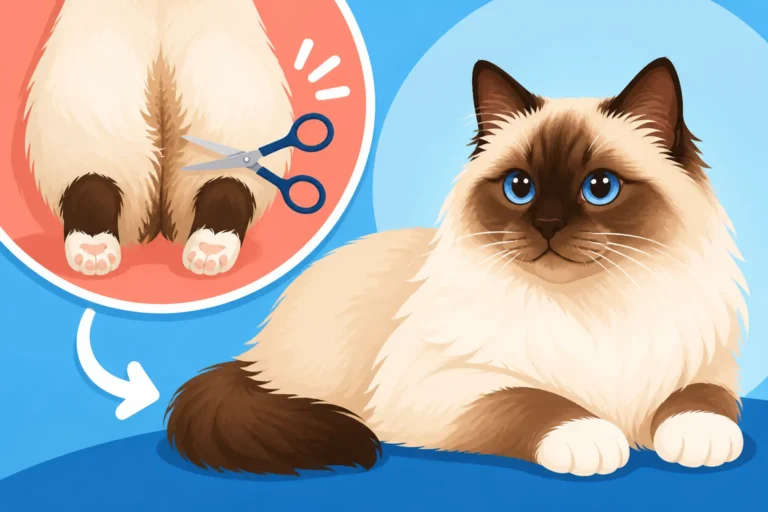
How to Clean a Birman’s Eye Corners
That little bit of crust in the corner of your beautiful Birman's eye can feel like a constant battle, can't it? One moment they're pristine, the next there's a tiny dark smudge marring their gentle face. It's a common, if slightly annoying, part of living with these wonderfully placid cats, and it's something we can easily manage. This guide will walk you through exactly how to keep your Birman's eye corners sparkling clean, gently and effectively.
Why Those Pesky Eye Marks Appear on Your Birman
It's easy to look at those little dark streaks or crusty bits in your Birman's eye corners and feel like you're doing something wrong, or that your cat is somehow "dirty." But honestly, it's usually just a normal part of being a cat, especially a breed with such a lovely, expressive face. Understanding why it happens can help you approach the cleaning with a bit more patience and less frustration.
Tears and Debris: The Daily Culprits
Just like us, cats produce tears to keep their eyes lubricated and to wash away tiny irritants. These tears drain through tear ducts, but sometimes, especially in cats, they can overflow or simply dry in the corner of the eye, leaving behind a residue. This residue, often a mix of tears, dead skin cells, and microscopic dust particles from your home, can become noticeable. Think about how much dust collects on surfaces – your cat’s eyes are exposed to that same environment. Things like pollen from open windows, dander from other pets, or even fibers from their bedding can all contribute to that buildup. It's not a sign of poor hygiene on your Birman's part; it's simply life happening around their beautiful blue eyes.
Sometimes, a little bit of mucus can also get caught in the tears, especially overnight. When your Birman wakes up, those little "sleepy dust" bits can be quite noticeable. This is usually harmless, but if you see a lot of it, or if it changes color or consistency, it's always worth keeping an eye on it. The soft fur around their eyes acts almost like a magnet for these tiny particles, holding them in place until you gently clean them away.
Facial Structure and Breed Traits
Birmans, with their lovely, somewhat rounded faces and distinctive blue eyes, sometimes have a facial structure that can make them a little more prone to tear staining than certain other breeds. Their tear ducts might not always be perfectly straight or wide enough to handle the full volume of tear production, leading to some overflow. This isn't a defect, just a characteristic. You might notice that some Birmans have very clean faces naturally, while others, even within the same litter, tend to get those tell-tale streaks more often. It's often genetic and simply part of their individual make-up.
Moreover, the Birman's luxurious, silky coat, while generally No Undercoat Is What Makes a Birman Easy to Groom, can still trap moisture and debris around the eyes. The fine hairs around the eye area can wick tears, causing them to spread and leave stains, particularly on lighter-colored points. If your Birman has a cream or seal point, these stains can look more prominent simply because of the contrast with the lighter fur around their eyes. The goal isn't to stop natural tear production, but to manage the residue before it becomes a stubborn stain or irritant.
Gathering Your Gentle Cleaning Arsenal
Before you even think about touching your Birman's face, it's crucial to have the right tools on hand. Using the wrong items can actually do more harm than good, leading to irritation or even infection. We want to be gentle, effective, and most importantly, safe.
The Right Tools for Delicate Eyes
For cleaning your Birman's eye corners, simplicity and softness are key. You'll want to use sterile saline solution (the kind you'd use for contact lenses, but without any added preservatives or chemicals), or plain, lukewarm filtered water. The goal is to moisten and gently loosen any dried discharge.
Alongside a safe liquid, you'll need something to wipe with. Cotton balls or soft, lint-free gauze pads are excellent choices. Many pet parents also like to use pre-moistened pet eye wipes. These are specifically formulated for a cat's delicate eye area and can be very convenient. When looking for these, you might find a good selection on sites like Chewy or Amazon, where you can read reviews and check ingredients to ensure they're free from harsh chemicals, perfumes, or alcohol. What to Check on a Birman Kitten in Its First Week Home includes looking at eye health, so it's a good habit to start early. Always check the packaging to make sure they are suitable for cats.
What NOT to Use: Avoiding Irritation
Just as important as knowing what to use is knowing what not to use. Never, ever use human eye drops unless specifically instructed by your vet, as they can contain ingredients harmful to cats. Avoid harsh chemicals, hydrogen peroxide, or alcohol-based solutions. These can cause severe irritation, pain, or even damage to your Birman's eyes and the sensitive skin around them.
Similarly, don't reach for dry paper towels, facial tissues, or rough cloths. These can scratch the delicate surface of the eye or cause micro-abrasions on the surrounding skin. Perfumed baby wipes or household cleaning wipes are also absolute no-gos. Your Birman's eyes are incredibly sensitive, and any irritant can lead to discomfort, redness, and a trip to the vet. When in doubt, if it's not made specifically for cat eyes or recommended by your veterinarian, it's best to avoid it entirely.
Step-by-Step: Gently Cleaning Your Birman's Eye Corners
Cleaning your Birman's eyes should be a calm, reassuring experience for both of you. Rushing or being forceful will only make your cat dread the process, turning a simple routine into a struggle. Remember, these intelligent cats pick up on your mood, so a relaxed approach is essential.
Creating a Calm Environment
Before you even bring out the cleaning supplies, make sure your Birman is relaxed. Choose a quiet time when your cat is calm and perhaps a little sleepy, rather than when they're zooming around playing. A good time might be when they've just woken from a nap, or are settled on your lap. Have everything ready and within reach so you don't have to get up mid-process. You might even want to give them a few gentle strokes or a favorite treat to associate the experience with positive feelings. If your Birman is generally quite placid, which is often the case, this should be relatively straightforward, but even the calmest cat can become anxious if they feel cornered or handled roughly. Sometimes, a high-value treat, like a bit of salmon paste, can be a wonderful distraction during the actual cleaning.
If your Birman tends to fidget or isn't keen on being handled, starting with very short sessions is key. Just one quick dab and a treat, then release. Gradually increase the time as they get more comfortable. Patience is truly your best friend here. If they are truly resistant, it's better to try again later than to force the issue and create a negative association. Remember, Why a Placid Birman Hides Pain means you need to be extra vigilant for signs of discomfort.
The Gentle Wipe Technique
Now for the actual cleaning! Take a cotton ball or gauze pad and moisten it thoroughly with your chosen saline solution or lukewarm water. It should be damp, but not dripping wet. Gently hold your Birman's head, supporting it firmly but tenderly. With a soft touch, start at the inner corner of the eye (the part closest to the nose) and wipe outwards, moving away from the eye itself. Use a fresh part of the cotton ball or a new pad for each wipe, especially if there's a lot of discharge, to avoid spreading bacteria.
Be incredibly gentle. The skin around their eyes is thin and sensitive. Never press hard or try to scrub at dried-on crusts. If the discharge is stubborn, gently hold the moistened pad over the area for a few seconds to soften it, then try wiping again. Repeat this process for the other eye, always using a fresh, clean pad to prevent cross-contamination. Once you're done, offer praise, petting, and maybe another treat. The idea is to make this as quick, efficient, and pleasant as possible. Consistency is key – making this a regular part of your Caring for a Birman Once Its Points Have Gone Dark routine, even if just a quick check, can prevent major buildup.
When to Seek Veterinary Advice
While minor tearing and occasional crusts are normal, there are definitely times when you should consult your veterinarian. If you notice any redness, swelling, excessive tearing (especially if it's watery and continuous, or unusually thick and discolored), squinting, or if your Birman is pawing at their eyes, it's time for a vet visit. These could be signs of an eye infection, allergies, a corneal abrasion, or even an underlying health issue.
A change in the color of the discharge (yellow or green) is a big red flag, indicating a potential bacterial infection. Also, if you find that the eye issues are recurring very frequently despite your diligent cleaning efforts, or if one eye seems worse than the other, it's best to get a professional opinion. Your vet can rule out serious conditions, prescribe appropriate medication if needed, and give you tailored advice for your Birman's specific situation. They might also check for things like entropion (where the eyelid rolls inward) or ectopic cilia (ingrown eyelashes), which can cause chronic irritation and are more common in certain breeds.
Preventing Future Stains and Buildup
Regular cleaning is fantastic, but a proactive approach can help reduce the frequency and severity of eye stains and crusts in the first place. A little prevention goes a long way in keeping your Birman's eyes clear and comfortable.
Regular Grooming and Environmental Control
Making eye corner checks a part of your regular grooming routine is perhaps the most effective preventative measure. Even if there's no visible crust, a quick, gentle wipe with a damp cotton ball can remove nascent buildup before it becomes a problem. The Birman's silky coat, while generally low-maintenance compared to some other long-haired breeds, still benefits from regular attention. Combing a Birman Three Times a Week is a great habit, and while you're at it, a quick look at their eyes fits right in.
Beyond direct grooming, consider your home environment. Dust can be a significant contributor to eye irritation and debris. Regular vacuuming, dusting, and changing air filters can help reduce airborne particles. If you use scented sprays or diffusers, ensure they are pet-safe and consider reducing their use, as these can sometimes be irritants. If your Birman spends time near open windows, consider screens to minimize pollen and outdoor debris. Even something as simple as ensuring their sleeping areas are clean and free of excessive lint can make a difference.
Dietary Considerations for Eye Health
While there's no magic bullet in diet to completely eliminate eye stains, a healthy, balanced diet can support overall eye health and reduce inflammation that might contribute to excessive tearing. Ensuring your Birman has access to plenty of fresh, clean water is paramount for hydration, which is crucial for healthy tear production and overall bodily function. Some Birman lines have a history of Why a Birman's PKD History Makes Water Intake Matter, so good hydration is always a priority.
High-quality cat food that provides essential nutrients, including Omega-3 fatty acids, can promote healthy skin and coat, which indirectly supports the delicate skin around the eyes. If your Birman is prone to allergies, identifying and eliminating dietary triggers (in consultation with your vet) can also sometimes alleviate teary eyes. Some commercial foods and supplements claim to reduce tear staining; however, always discuss these with your vet before introducing them, especially those that contain antibiotics, which should be used cautiously and only under veterinary guidance. Fresh, high-quality food can be great for overall health, but always ensure any specific diet change is vet-approved.
Here's a quick summary of cleaning essentials:
| Item | Safe to Use | Not Safe to Use |
|---|---|---|
| Liquid | Sterile saline solution, lukewarm filtered water | Hydrogen peroxide, human eye drops (unless vet-prescribed), alcohol, harsh chemicals |
| Wiping Material | Cotton balls, lint-free gauze, pet-specific eye wipes | Paper towels, facial tissues, rough cloths, perfumed baby wipes |
| Technique | Gentle wipe outwards, dab to soften crusts | Scrubbing, forceful rubbing, using the same pad for both eyes |
| Prevention | Regular checks, clean environment, good diet | Ignoring buildup, relying solely on commercial stain removers |
Disclaimer
This article is for general informational purposes only and does not constitute professional advice. Laws, prices and regulations vary by location and change over time. Consult a qualified professional for guidance on your specific situation.