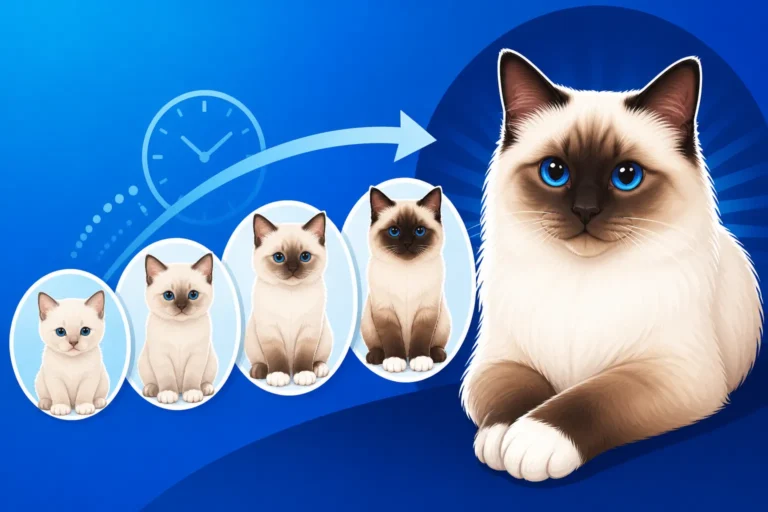
Why a Birman’s Single Coat Never Developed a Woolly Layer
When you think of a long-haired cat, it's natural to picture a dense, fluffy, perhaps even woolly coat that seems to shed everywhere and mat just by looking at it. Many potential Birman owners brace themselves for this reality, steeling themselves for an epic grooming battle. But here's the wonderful truth: the Birman's coat is strikingly different, and understanding why it never developed that thick, woolly underlayer can completely change your approach to their care, making life much easier and more enjoyable for both of you.
The Unique Structure of the Birman's Coat
The Birman's coat is one of its most defining and delightful characteristics, setting it apart from many other long-haired breeds. It's often described as silky and flowing, and there's a very good reason for that: it's a single coat, lacking the dense underlayer that causes so many grooming headaches for other breeds.
Understanding the Single Coat Phenomenon
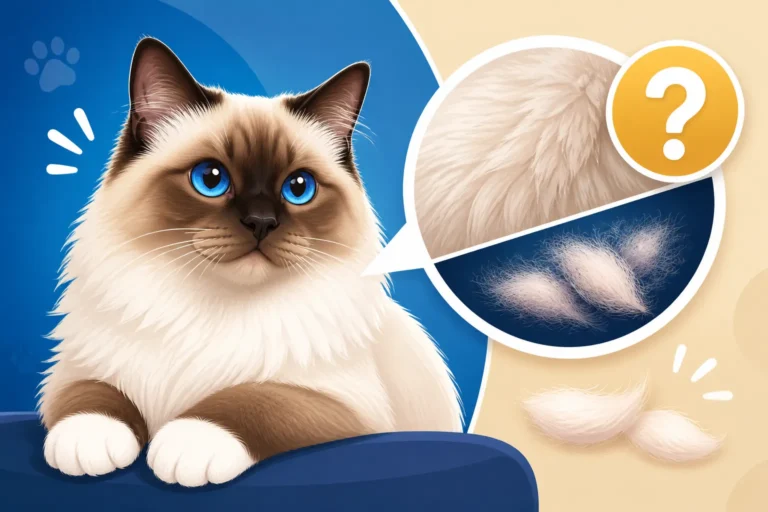
Unlike breeds such as the Persian or the Maine Coon, which boast a luxurious double coat – a soft, insulating undercoat beneath longer, coarser guard hairs – the Birman developed without this woolly layer. This isn't a flaw; it's a genetic trait that evolved through their selective breeding history. Essentially, Birmans only have the longer, fine guard hairs, which lie flat and are incredibly soft to the touch. This absence of a thick, cottony undercoat is the secret to their relatively low-maintenance grooming needs.
This distinction is crucial because it directly impacts everything from how often you need to comb them to the type of shedding you'll experience. When people imagine a long-haired cat, they often assume a hefty maintenance schedule involving daily battles with knots and tangles. With a Birman, this simply isn't the case. Their fur feels almost like fine silk, draping elegantly over their muscular, medium-sized frame without clinging or clumping. It’s a texture that invites touch, and mercifully, it doesn’t punish you with endless matting.
The Silky, Flowing Texture
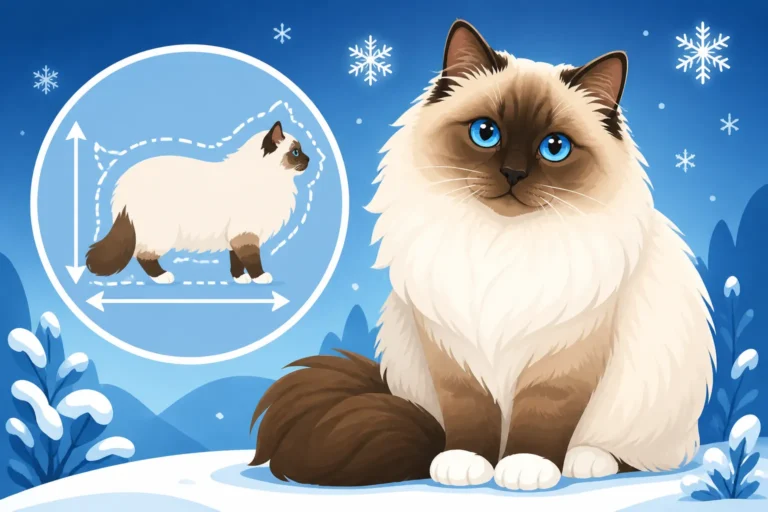
The Birman's single coat is truly a marvel. Picture a waterfall of soft, fine hair, parting effortlessly when you run your fingers through it. This isn't the coarse, often static-prone fur you might find on some other breeds. Instead, it’s a luxuriously soft, almost rabbit-like texture that feels cool and smooth, rather than dense and springy. The length of the coat isn't uniform across the body; it's generally medium-long but becomes notably longer and more profuse in certain areas.
The most magnificent manifestation of this longer fur is often the ruff, a lush mane around their neck and chest that frames their sweet, expressive face. Their tail, too, is a glorious plume, full and feathery, flowing behind them like a silken banner. On their flanks and britches (the fur on their hind legs), the hair is also longer, creating a graceful, flowing outline. Despite this length, the lack of undercoat means that even these longer sections are less prone to the kind of stubborn mats that can plague double-coated cats. You'll find it runs through your fingers with ease, a testament to its unique structure.
Grooming Benefits and Realities of a Single Coat
The Birman's distinctive single coat brings with it a host of practical advantages, especially when it comes to grooming. While no long-haired cat is truly "maintenance-free," the Birman comes wonderfully close compared to its double-coated cousins.
Less Matting, Easier Maintenance
One of the biggest sighs of relief new Birman owners experience is discovering just how resistant their cat's coat is to matting. That thick, woolly undercoat found in many other long-haired breeds is the primary culprit behind those formidable tangles and mats that can form deep within the fur, pulling at the skin and causing discomfort. Without it, the Birman's silky guard hairs simply don't have the dense foundation to clump and intertwine in the same way. This is a game-changer for daily life. No Undercoat Is What Makes a Birman Easy to Groom
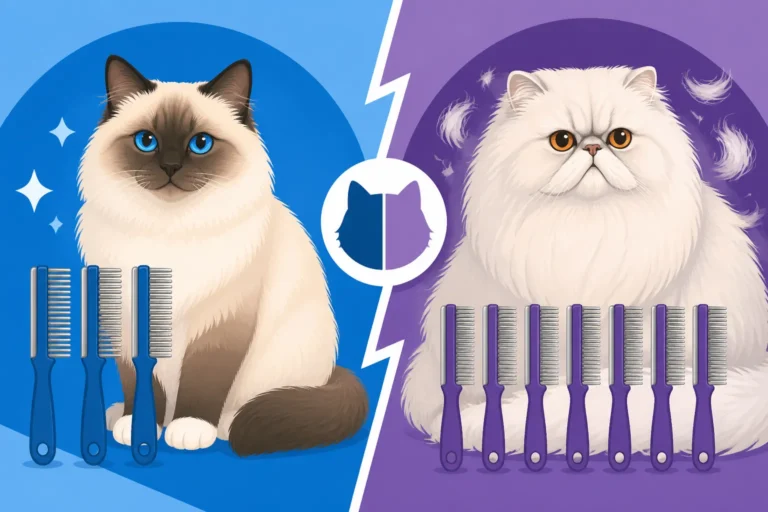
You won't find yourself in a daily wrestling match with a brush, desperately trying to de-tangle dense clumps of fur. Instead, a few times a week – perhaps two or three short sessions – with the right comb is usually all it takes to keep their coat looking pristine and feeling wonderful. This makes grooming a much more pleasant experience for both cat and owner, often becoming a cherished bonding ritual rather than a chore. Even if you miss a session, you're unlikely to face a severe matting crisis, which is a common frustration for owners of other long-haired cats. The low-stress grooming routine is definitely a perk of having a Birman.
Shedding: What to Expect
Let's be realistic: every cat sheds. Even without a woolly undercoat, the Birman will shed, so don't expect a completely hair-free home! However, the nature of their shedding is quite different. Instead of clumps of fine, downy undercoat, you'll find longer, silky guard hairs. These hairs tend to be more noticeable on furniture and clothing simply because of their length, but they don't stick to surfaces with the same tenacity as the barbed undercoat hairs of some breeds. Why a Birman Leaves Long White Hairs Everywhere
Birmans tend to have seasonal shedding periods, often shedding a bit more in spring as they lighten their coat for warmer weather, and again in autumn to prepare for winter growth. During these times, increasing your combing sessions to every other day can make a significant difference in managing the loose fur. While you might still find long, elegant Birman hairs around your home, you're far less likely to encounter the pervasive, felt-like tumbleweeds that double-coated cats can produce. Regular combing helps to remove these loose hairs before they have a chance to settle, keeping your home tidier and your Birman's coat healthier.
How the Birman's Coat Compares to Other Breeds
Understanding the Birman's coat truly shines when you compare it directly to other popular long-haired breeds. This comparison helps to highlight just how unique and user-friendly the Birman's single coat really is.
Birman vs. Double-Coated Longhairs
When we pit the Birman against breeds renowned for their magnificent, dense double coats, such as the Persian or even the slightly less intense Ragdoll, the differences become stark. A Persian's coat, while stunning, is famously high-maintenance. It features a profuse, woolly undercoat that requires daily, diligent combing to prevent extensive matting. Skipping even a day can lead to serious tangles that are painful for the cat and frustrating for the owner to remove. The shedding from a Persian, especially during seasonal changes, can be quite substantial, leaving behind a noticeable layer of fine, soft fluff. Why a Birman Needs Three Combings Where a Persian Needs Seven
The Ragdoll, while having a slightly less dense undercoat than a Persian, still possesses one, giving their fur a plush, almost bunny-soft feel. While Ragdolls are often easier to groom than Persians, they still require more frequent attention than a Birman to avoid matting, particularly in areas like their britches and armpits. In contrast, the Birman's single, silky coat glides through the fingers and the comb, requiring significantly less effort to keep pristine. You're simply not battling the same kind of dense, intertwining fibers. This means less time grooming and more time enjoying that wonderful, placid Birman companionship.
| Feature | Birman (Single Coat) | Persian (Double Coat) | Ragdoll (Double Coat) |
|---|---|---|---|
| Undercoat | Absent | Dense, woolly | Soft, plush (less dense than Persian) |
| Texture | Silky, fine, flowing | Dense, soft, cottony | Soft, rabbit-like, plush |
| Matting Tendency | Low | Very High | Moderate to High |
| Grooming Freq. | 2-3 times per week | Daily, extensive | 3-5 times per week |
| Shedding Type | Longer, fine hairs | Fine, dense fluff (undercoat) | Moderate, fine hairs |
| Overall Effort | Low-Moderate | High | Moderate |
Genetic Lineage and Coat Type
The distinct coat type of the Birman isn't a random occurrence; it's a direct result of its genetic lineage and the intentional breeding choices made throughout its history. While the precise origins are shrouded in legend, the Birman's development in Europe after its supposed arrival from Burma involved strategic outcrossing, particularly after its population was decimated during World War II. These outcrossings were necessary to rebuild the breed, but they were carefully managed to preserve and refine its defining characteristics, including that beautiful, non-matting coat.
Breeders specifically selected for traits that would enhance the Birman's aesthetic appeal while also ensuring a manageable coat. This meant selecting cats with the desired silky texture and the absence of a heavy undercoat. The result is a cat that looks profoundly luxurious but doesn't come with the heavy grooming burden often associated with such opulence. The genetic mechanism responsible for the "single coat" is essentially the absence of the genes that promote the growth of a dense undercoat, or perhaps the presence of modifier genes that suppress it. This deliberate cultivation has given us the Birman we know and love today – a cat with a stunning long coat that truly is What Makes a Birman's Coat Silky Rather Than Woolly.
Nurturing Your Birman's Luminous Locks: Diet and Care
Maintaining that magnificent, silky Birman coat goes beyond just combing. What your Birman eats and how you manage its environment play equally vital roles in ensuring its fur remains lustrous, healthy, and easy to care for.
The Role of Nutrition in Coat Health
Think of your Birman's coat as a direct reflection of its internal health. A dull, dry, or sparse coat can often be an early indicator that something in their diet isn't quite right, or that they might be experiencing other health issues. For that signature silky shine, a high-quality diet rich in protein and essential fatty acids is absolutely paramount. Protein is the building block for hair, so a diet with a good animal protein source will support strong, healthy growth. Look for cat foods where meat is the first ingredient, not grains or fillers.
Beyond protein, essential fatty acids, particularly Omega-3 and Omega-6, are crucial for skin and coat health. These fats contribute to the natural oils that keep the fur soft, shiny, and pliable, preventing dryness and brittleness. Many premium cat foods, readily available from retailers like Chewy or Amazon, incorporate these beneficial oils. Some owners even choose to supplement their Birman's diet with fish oil or specially formulated skin and coat supplements, especially if they notice any dryness or excessive shedding. If you're exploring fresh food options, nutrient-dense meals can significantly boost coat vitality. Always discuss any dietary changes or supplements with your vet to ensure they're appropriate for your individual cat. Why Omega Oils Matter for a Birman's Coat
Environmental Factors and Maintaining Coat Quality
While genetics and diet lay the foundation for a beautiful coat, environmental factors also play a subtle but significant role. Humidity levels, for instance, can affect the texture and static cling of the fur. In very dry environments, you might notice your Birman's coat feeling a bit drier or having more static. A humidifier in the home can sometimes help.
Perhaps one of the most practical environmental considerations for a Birman, especially given their iconic white "gloves," is the choice of litter. Dusty litters, or those with dyes or perfumes, can easily stain those pristine white paws, turning them a dingy yellow or grey. This can be a frustration for owners who cherish the Birman's classic appearance. Opting for a low-dust, natural, and unscented clumping clay or alternative litter (like paper or pine, though pine can sometimes track more) can make a huge difference in keeping those white feet sparkling clean. You can find a wide variety of suitable litters and accessories for white-pawed cats on Amazon or Chewy. Additionally, ensuring your Birman has access to clean, fresh water is essential for overall hydration, which in turn supports skin and coat health. Some Birmans enjoy drinking from a fountain, which can encourage more water intake throughout the day.
Common Coat Challenges and Solutions
Even with their relatively low-maintenance single coat, Birmans can still face occasional coat challenges. Knowing how to identify and address these issues effectively will keep your cat comfortable and looking their best.
Identifying and Handling Minor Mats
While Birmans are far less prone to severe matting than their double-coated counterparts, it's not entirely impossible for a small mat to form. These usually occur in areas of friction or where the fur is longest and might get tangled more easily. Common spots include behind the ears, in the "armpit" area where their front legs meet their body, or on the britches of their hind legs. If your Birman is particularly playful, or perhaps a little less diligent with self-grooming as they age, these tiny tangles can creep in.
The key is early detection and gentle intervention. During your regular combing sessions, pay extra attention to these vulnerable spots. If you encounter a small mat, resist the urge to pull or yank on it. Instead, try to gently tease it apart with your fingers or the very tips of a wide-toothed metal comb. Work slowly, starting from the outer edge of the mat and gradually working inwards. A detangling spray designed for cats can also be a lifesaver, helping the comb glide through the tangled hair without causing pain. If a mat is particularly stubborn or close to the skin, it's always best to consult your vet or a professional groomer rather than risking injury to your cat. How to Get a Mat Out of a Birman's Coat
Keeping White Areas Spotless
The Birman's signature white "gloves" and "laces" are not just beautiful; they are a hallmark of the breed, as integral to their appearance as their deep blue eyes. However, these pristine white areas can be a magnet for discoloration, which can be a minor frustration for owners. The most common culprit, as we touched on earlier, is often litter. Tracking through dusty or dyed litter can quickly leave a yellowish or brownish tint on their pure white paws.
To combat this, start with prevention: use a low-dust, unscented, non-dyed litter. Regularly scooping the litter box also helps, as a clean box means less chance of dirty paws. For actual discoloration, a gentle wipe with a damp cloth can sometimes be enough. For more persistent stains, some owners use pet-safe whitening shampoos or cornstarch, applied sparingly and brushed through, to absorb oils and brighten the fur. However, always be cautious with any products around your cat, and only use those specifically formulated for pets. Regular, gentle combing of the paws and lower legs also helps remove loose dirt and keep the fur clean and fluffy. By taking these proactive steps, you can help ensure your Birman's gloves remain as immaculate as the legend dictates. Keeping a Birman's White Gloves White
Disclaimer
This article is for general informational purposes only and does not constitute professional advice. Laws, prices and regulations vary by location and change over time. Consult a qualified professional for guidance on your specific situation.