Whether a Birman Has Any Undercoat at All
One of the most common questions new Birman parents, or even those just admiring the breed from afar, have is about that magnificent, flowing coat. It looks so luxurious, so dense, that you might immediately think of endless grooming sessions and mats galore. But then you hear whispers, often from veteran Birman owners, that these cats are surprisingly easy to care for, with some even claiming they have "no undercoat." It's a bit confusing, isn't it? This guide is here to untangle that mystery, explaining exactly what makes a Birman's coat so special, how it differs from other longhaired breeds, and what that means for your grooming routine.
Understanding the Birman's Unique Coat Structure
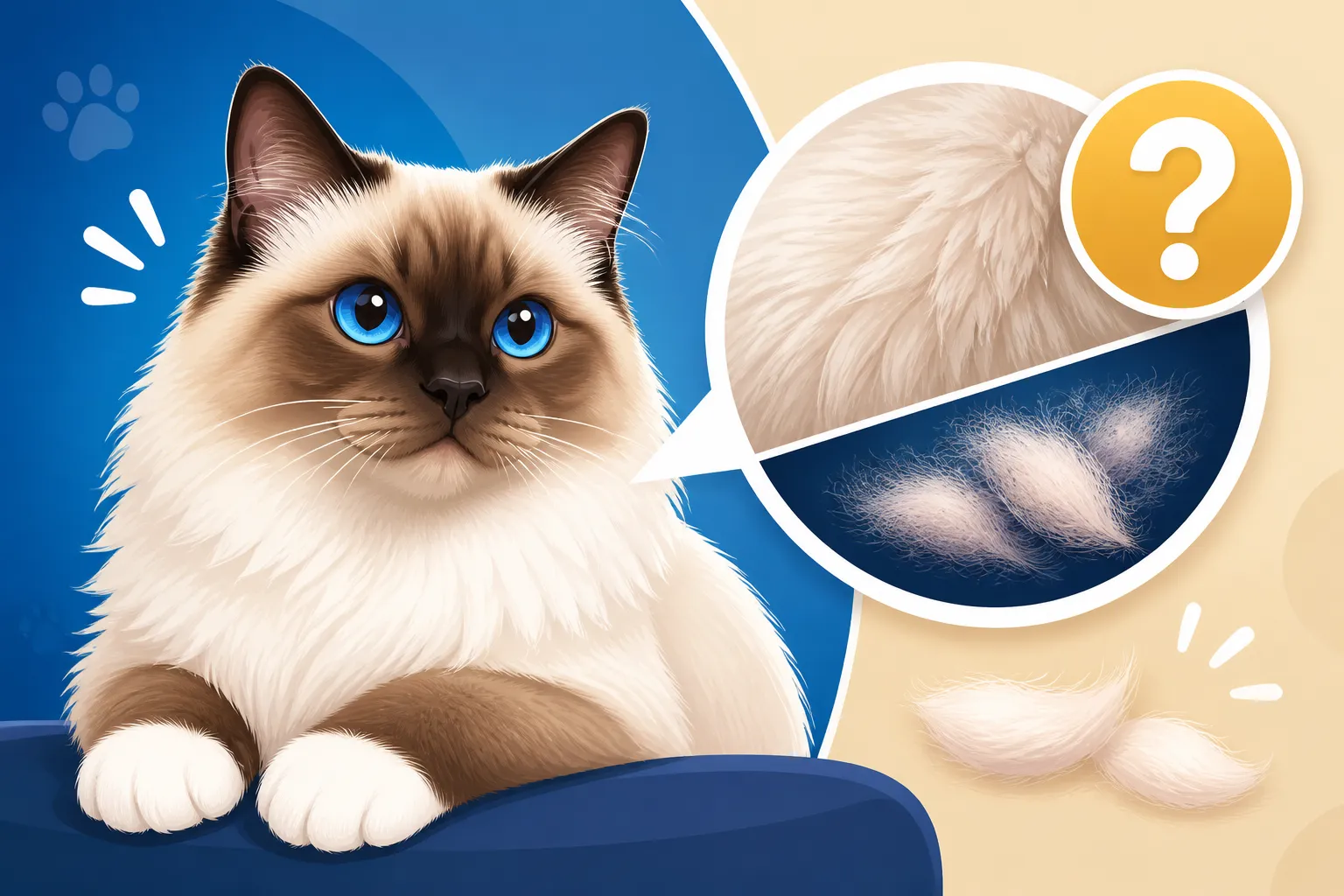
Let's clear up a common misconception right away: the idea that a Birman has absolutely no undercoat. It’s a bit of an oversimplification, though it points to a very real and wonderful characteristic of the breed. When people say a Birman has "no undercoat," they're usually contrasting it with breeds like the Persian, which possess a thick, woolly, and incredibly dense underlayer of fur that's prone to matting. A Birman's coat is different; it's often described as a single coat, but it's more accurate to say it has a minimal and fine undercoat that behaves very differently from what most people imagine.
This unique structure is what gives the Birman its renowned silky texture. When you run your hand through a Birman's fur, it feels like fine silk, gliding effortlessly between your fingers. It’s not the thick, cotton-candy texture you might find on some other longhairs. This incredible softness and the way it hangs beautifully are direct results of its particular hair follicle arrangement and the quality of those under-hairs, which are far less dense and more integrated with the guard hairs. For more on this, check out What Makes a Birman's Coat Silky Rather Than Woolly.
The Myth of the "No Undercoat" Birman
The phrase "no undercoat" likely originated from the noticeable difference between a Birman's coat and those of other plush or woolly longhaired cats. While it doesn't have the heavy, insulating, and easily tangled secondary layer that some breeds possess, it's not entirely devoid of finer, softer hairs beneath the longer guard hairs. These aren't the mat-prone, dense fibers that give other breeds their bulk; instead, they are much finer and tend to lie smoothly with the outer coat.
Imagine a Persian's undercoat as a thick, fluffy sweater underneath a silky robe – two distinct layers that can easily snag and felt together. A Birman's coat, on the other hand, is more like a very fine, integrated lining within that silky robe. It's there, providing a subtle fullness and incredible softness, but it doesn't create the same kind of distinct, mat-forming layer. This is why many owners breathe a sigh of relief when they realize grooming a Birman is a far less daunting task than they might have anticipated.
This genetic distinction contributes immensely to the Birman's reputation for being relatively low-maintenance when it comes to grooming, despite its luxurious appearance. It’s truly one of the breed’s standout features, making that gorgeous long coat a joy rather than a chore. The individual hairs are also much finer, which means they don't tangle with each other as aggressively as coarser, thicker fur might.
The Difference Between a Birman's Undercoat and a Persian's
To truly appreciate the Birman's coat, it helps to understand what a "typical" dense undercoat entails, as seen in breeds like the Persian. A Persian's coat is famous (or infamous, depending on your perspective!) for its incredibly thick, woolly underlayer. This undercoat is designed for insulation, but it’s also a magnet for tangles, mats, and dander. It easily traps loose hair, dirt, and moisture, forming dense, felt-like knots that can be painful and require diligent daily grooming, often with specialized tools.
The Birman's coat, in stark contrast, lacks this heavy, woolly density. Its fine, almost non-existent undercoat doesn't trap shed hair or form those tight knots. Instead, any shed hairs tend to fall out more readily or are easily removed with a gentle comb. This is a game-changer for owners, as it translates directly into significantly less time spent detangling and dematting. You won't find yourself wrestling with stubborn knots or needing to resort to painful shaving due to neglected matting as often as with a cat with a very dense undercoat. You can literally feel the difference – a Persian's coat feels thick and springy, while a Birman's is flowing and liquid. This is partly How a Birman's Coat Differs From a Ragdoll's as well, as Ragdolls also have a dense coat but are semi-longhaired.
This fundamental difference means that while both breeds are longhaired and visually stunning, their grooming requirements are poles apart. The Birman's coat is built for elegance and flow, not for extreme insulation, making it a much more "wash and wear" option in the longhaired cat world. It's truly a marvel of feline genetics that allows for such beauty with relatively minimal fuss. You'll notice the difference particularly when comparing the sheer volume of shed hair collected after a grooming session – the Birman will leave you with far less to clean up. Why a Birman's Coat Is Lighter Than a Maine Coon's delves further into these structural differences.
How the Birman's Coat Texture Influences Grooming
So, while the Birman does have a minimal undercoat, it's the quality and sparseness of this undercoat that truly matters for us owners. It means their grooming needs, while still present, are far less intensive than you might assume for a cat with such a magnificent mane. You won't be spending hours a day battling mats, which is a huge relief for busy cat parents.
The silky texture and the way its coat lies flat, rather than puffing out with a dense undercoat, is the primary reason for its relative ease of care. This doesn't mean you can ignore grooming altogether – no longhaired cat thrives without some attention – but it means the routine is much more pleasant and less prone to emergencies. It’s all about maintaining that natural flow and preventing the rare, small tangles that can still occur.
Why Regular Combing is Still Essential (But Easier!)
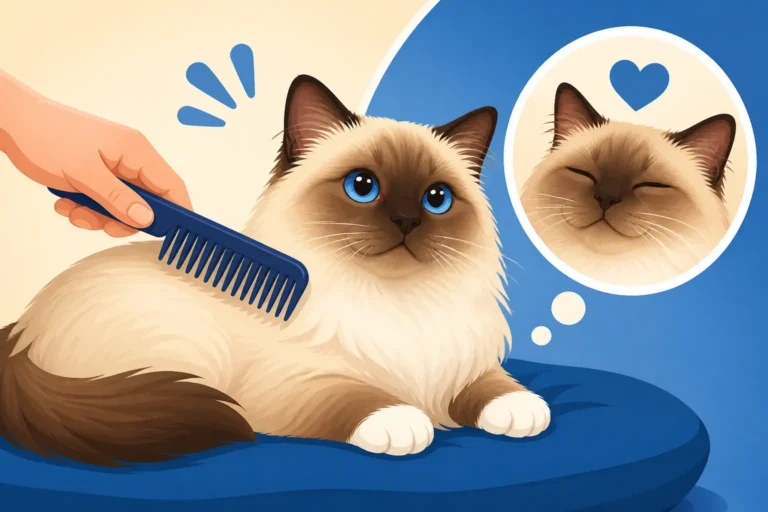
Even with its dreamily easy-care coat, regular combing is absolutely essential for a Birman. Think of it less as a chore and more as a bonding ritual. While you won't be fighting thick mats, a Birman's long, silky hair can still form minor tangles, especially in areas of high friction or where the fur is naturally longer and denser. These "hot spots" include behind the ears, in the armpits, on the britches (the fluffy fur on their hind legs), and within their glorious ruff around the neck.
Regular combing, ideally three times a week, helps to prevent these small tangles from escalating. It also distributes natural skin oils, keeping the coat healthy and shiny, and removes loose hairs before they can be ingested during self-grooming. This helps to minimize hairballs, making life more comfortable for your Birman and cleaner for your home. You’ll find these sessions are quick and enjoyable, often turning into purring cuddle times rather than stressful struggles. For a deeper dive, read Combing a Birman Three Times a Week.
When it comes to tools, forget the harsh slicker brushes designed for dense, woolly coats. These can actually damage a Birman's delicate guard hairs. Instead, opt for a wide-toothed metal comb. A good quality comb will glide through their fur, gently teasing out any tiny knots without pulling. Some owners find detangling sprays helpful for those trickier spots, especially if you're working through a small snag. You can find a fantastic selection of suitable combs and sprays on platforms like Chewy or Amazon, making it easy to stock up on the right gear. And to know what exactly to look for, consult Which Comb Gets Through a Birman's Ruff Without Pulling.
Managing Shedding with a "Single-ish" Coat
No cat is truly non-shedding, and the Birman is no exception. However, the way they shed is often quite different from breeds with dense undercoats. Instead of shedding large clumps of woolly fur, a Birman typically sheds fine, individual hairs that are lighter and tend to float more. You'll still find Birman hairs around your home, especially during seasonal changes, but generally, the volume is much more manageable.
This manageable shedding is another huge benefit of their coat structure. Regular combing helps to capture these loose hairs before they can land on your furniture or clothing. It’s also important for your Birman's digestive health. While they still ingest some hair when grooming themselves, the lack of a dense, shedding undercoat means they are less prone to forming massive hairballs that can cause digestive upset. You might notice them shedding a bit more in spring as they lighten their coat for warmer weather, and then again in the fall as they prepare for winter with a slightly thicker (but still silky!) coat. For more insights on this, Whether a Birman's Single Coat Means Fewer Hairballs is a great resource.
A consistent grooming routine, paired with a high-quality diet, can significantly reduce the amount of shedding you encounter. Foods rich in Omega fatty acids support skin and coat health, leading to less breakage and healthier hair growth. Products like a daily brush-out glove can also be surprisingly effective for collecting loose hairs with minimal fuss, making daily maintenance a breeze.
The Practical Implications for Birman Owners
Knowing the specific characteristics of your Birman's coat isn't just academic – it directly impacts how you care for them. From the tools you buy to the diet you choose, understanding their unique fur helps you make the best decisions for their health and happiness. It’s all about working with their coat, not against it.
This practical knowledge means you can invest in the right kind of grooming kit from the start, saving money and frustration on tools that simply aren't suited for their fine, silky hair. It also helps set realistic expectations for the amount of time and effort you'll need to dedicate to their beauty regime. The good news is, for a Birman, that effort is usually rewarded with a stunning, low-maintenance coat.
Choosing the Right Grooming Tools and Products
Choosing the right tools for a Birman's coat is crucial. Forget the slicker brushes and dematting rakes designed for thick, woolly undercoats – these can be too harsh and actually damage your Birman's beautiful fur, pulling out delicate hairs and potentially causing discomfort. Instead, focus on tools that respect its silky texture.
| Tool Type | Suitable for Birman? | Why? |
|---|---|---|
| Wide-toothed metal comb | Yes | Glides through silky fur, gently removes tangles without pulling. |
| Fine-toothed comb | Use sparingly | Good for face/paws, but can pull on longer body fur if used carelessly. |
| Rubber grooming glove | Yes | Excellent for daily loose hair removal and massaging the skin. |
| Slicker brush | No | Too harsh, can break delicate guard hairs and cause static. |
| Dematting rake | No | Designed for dense undercoats; unnecessary and damaging for Birmans. |
| Cat shampoo (gentle) | Yes (if needed) | Use sparingly for spot cleaning; ensures white gloves stay bright. |
| Detangling spray | Yes | Helps with small tangles and adds shine; look for cat-safe formulas. |
A high-quality, wide-toothed metal comb, often referred to as a "greyhound comb," is your best friend. Many options are readily available on Amazon and Chewy. These combs feature teeth that are spaced far enough apart to glide through the Birman's long, flowing fur without snagging, yet close enough to catch any loose hairs or minor tangles. Regularly running this comb through their coat will keep it pristine. You might also find a soft rubber grooming mitt useful for a quick daily rub-down, which helps remove loose hair and stimulates circulation, keeping the coat shiny. Don't forget to factor in What a Comb for a Birman's Silky Coat Costs when budgeting for your Birman.
Beyond tools, diet plays a significant role in coat health. A premium cat food rich in animal protein and essential fatty acids will contribute to a strong, healthy coat that sheds less and has a beautiful luster. Omega-3 and Omega-6 fatty acids are particularly beneficial for skin and coat condition. Consider adding a fish oil supplement if your cat's diet doesn't provide enough, but always consult your vet first. This investment in their nutrition helps maintain that stunning Birman coat from the inside out. For more on dietary needs, see What Feeding a Birman for Coat Condition Costs.
Keeping Those Beautiful Gloves Pristine
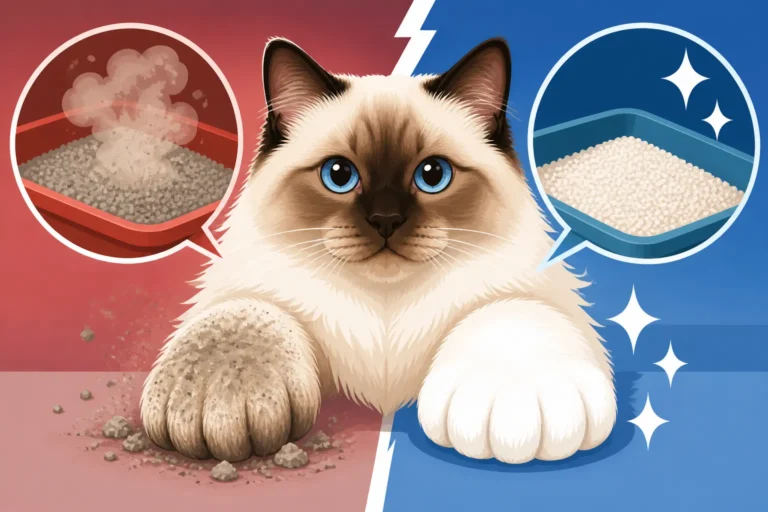
The Birman's iconic white "gloves" on its paws are a hallmark of the breed, but they do require a little extra attention to keep them looking their best. While the overall coat is low-maintenance, those pristine white feet can easily pick up dirt, litter dust, or accidental stains. Even with a minimal undercoat, the fine hairs on their paws can trap small particles.
To keep those gloves dazzling, start with your litter choice. Opt for a low-dust, clumping litter that won't track easily or leave powdery residue. Silica gel crystal litters or certain paper-based litters can be excellent choices as they tend to be less dusty. You can explore a variety of low-dust litter options on Chewy or Amazon. Regularly scooping the litter box also helps immensely, ensuring your Birman isn't stepping into soiled litter more often than necessary. This attention to detail is specifically why Why a Birman Needs a Litter That Does Not Stain is so important.
For any accidental stains or yellowing, gentle spot cleaning is your best approach. A damp cloth with a mild, cat-safe shampoo (specifically designed for white coats if available) can work wonders. Avoid harsh chemicals or human shampoos, as these can irritate your cat's skin or strip natural oils. Regular checks of their paws, especially after litter box visits, will help you catch any issues early. Over time, consistent grooming and a clean environment will ensure those lovely white gloves remain a source of pride, showcasing the exquisite beauty of your Birman. You can find more targeted advice in Keeping a Birman's White Gloves White.
The Benefits of the Birman's Coat Structure
It's clear by now that the Birman's coat is a significant advantage for owners. That lack of a dense, woolly undercoat translates into several practical benefits that make owning this magnificent breed even more delightful. These advantages contribute to not only the cat's comfort but also the owner's peace of mind, proving that beauty doesn't always have to come with excessive maintenance.
From reducing the time spent on grooming to potentially easing allergen concerns, the Birman's unique coat structure is a testament to its thoughtful breeding and natural elegance. It allows for more enjoyment and less fuss, which is a win-win for everyone in the household.
Less Matting, More Cuddling
One of the most celebrated benefits of the Birman's coat is its incredible resistance to matting. Unlike many other longhaired breeds that require daily, intense grooming to prevent painful tangles and felted fur, the Birman's silky, single-layer-like coat rarely mats. The fine texture and the way the hairs lie smoothly mean that shed fur doesn't get trapped and woven into dense knots as easily. This is precisely Why a Single Coat Mats Less on a Birman.
This translates directly into a more relaxed and enjoyable grooming routine for both you and your Birman. Instead of battling a distressed cat with a brush, you'll find that combing sessions are brief, gentle, and often cherished opportunities for bonding. Many Birmans adore being combed and will happily purr through the process, enjoying the attention and gentle massage. This reduced grooming burden frees up more time for playing, cuddling, and simply enjoying your Birman's affectionate company, rather than spending it on arduous detangling efforts. It truly makes owning a longhaired cat a much more stress-free experience.
It’s a joy to be able to run your fingers through their magnificent fur without encountering snags or resistance, a luxury not afforded to owners of many other long-haired breeds. This ease of maintenance allows the Birman's placid and loving temperament to shine even brighter, as neither cat nor owner is burdened by constant coat battles.
Not Hypoallergenic, But Potentially Less Allergenic?
This is a really important point to address, as many people search for "hypoallergenic" cat breeds. Let's be very clear: no cat breed, including the Birman, is truly 100% hypoallergenic. The allergens responsible for most cat allergies are primarily found in a cat's dander (dead skin flakes), saliva, and urine, not just their fur. All cats produce these allergens.
However, some individuals with mild cat allergies report fewer reactions to breeds with less dense coats or those that shed less profusely. The Birman's coat, with its minimal undercoat and tendency to shed individual fine hairs rather than dense clumps, might fall into this category for some sensitive individuals. Because their coat is less prone to matting and is easier to groom, theoretically, it could mean that fewer allergen-laden dander particles are trapped in the fur and subsequently released into the environment. It also means you can more effectively remove dander and loose hairs through regular, gentle combing. This isn’t a guarantee for allergy sufferers, but it does mean that a Birman might be a more tolerable option than a very densely coated, heavy-shedding breed.
It's always recommended for potential owners with allergies to spend time with a Birman before committing, to gauge their personal reaction. Remember, while a Birman's coat is beautiful and relatively low-maintenance, it's not a magic bullet for allergies. Still, the ease of keeping their fur clean and free of excessive dander is certainly a plus. For a comprehensive look at this topic, read Why No Amount of Combing Makes a Birman Hypoallergenic.
Disclaimer
This article is for general informational purposes only and does not constitute professional advice. Laws, prices and regulations vary by location and change over time. Consult a qualified professional for guidance on your specific situation.