Whether a Single Coat Makes a Birman Easier on Allergies
It's a common and completely understandable hope: you love cats, but your nose runs, your eyes itch, and you break out in hives just thinking about cuddling a fluffy feline. When you hear about breeds with "single coats," like our beloved Birman, it's natural to wonder if this characteristic might finally offer a reprieve from those pesky allergies. This guide is here to unravel the truth behind Birman coats, cat allergies, and what it truly means for allergy sufferers hoping to welcome one of these gentle giants into their home.
Understanding the Birman's Unique Coat and Allergy Misconceptions
When people first encounter a Birman, they're often struck by its luxurious, flowing fur. It looks like a cat that would leave a trail of hair everywhere, and surely, trigger every allergy symptom known to humankind. Yet, many Birman enthusiasts will tell you their cats are "low-shedding" or "hypoallergenic," and a big part of that belief stems from its unique coat structure. Let's delve into what makes a Birman's coat special and why it’s often misunderstood in the context of allergies.
What "Single Coat" Really Means for a Birman
Unlike many long-haired breeds, such as the Persian or Maine Coon, the Birman possesses what’s known as a "single coat." This means they primarily have a topcoat of guard hairs, without the dense, woolly undercoat that other breeds develop for insulation. This lack of an undercoat is precisely why their fur feels so silky and soft to the touch, almost like rabbit fur. It also means less tangling and matting, making No Undercoat Is What Makes a Birman Easy to Groom a genuine relief for owners.
Think about it: a cat with a thick undercoat is essentially wearing two sweaters. The undercoat often traps loose hairs, dander, and oils close to the skin, which can then be released in a massive shedding event or during grooming. A Birman, with its single layer, doesn't have this dense secondary insulation layer. This single coat generally results in less overall shedding compared to a double-coated breed, making it seem like less dander is distributed throughout the home. However, "less shedding" doesn't equate to "no dander," and dander is the real culprit here.
Debunking the Hypoallergenic Myth
The term "hypoallergenic" is often thrown around casually, but it's largely a myth when it comes to cats. There isn't a single cat breed that is 100% hypoallergenic, meaning "free from allergens." The notion that a Birman's single coat makes it hypoallergenic stems from the mistaken belief that cat hair itself is the primary allergen. If it were just about the hair, then a low-shedding cat might indeed be a perfect solution.
The truth is, cat allergies are predominantly caused by a protein called Fel d 1, which is found in a cat's saliva, urine, and dander (dead skin flakes). When a cat grooms itself, it deposits Fel d 1-laden saliva onto its fur. As the saliva dries, the protein becomes airborne, attaching to dust particles, clothing, and circulating throughout your home. While less hair floating around might mean slightly less visible dander, the Fel d 1 protein is still very much present, regardless of coat type or shedding volume. A Birman, like any other cat, produces this protein, and therefore, can trigger allergies. Why No Amount of Combing Makes a Birman Hypoallergenic is a crucial piece of information for anyone considering this breed with allergies in mind.
What Actually Causes Cat Allergies
To truly understand why a Birman's coat isn't a magic bullet for allergies, we need to dive deeper into the science of what makes people react to cats in the first place. It’s far more complex than just a bit of cat fur.
The Real Culprit: Fel d 1 Protein
As mentioned, the primary allergen is a glycoprotein called Fel d 1. This tiny protein is produced by sebaceous glands in the cat's skin, salivary glands in their mouth, and even in their urine. It's truly ubiquitous in a cat's environment and on its body. When a cat grooms itself, which they do constantly, they spread this protein all over their fur. As their fur dries, these microscopic protein particles flake off as dander, or simply become airborne with loose hairs.
These Fel d 1 particles are incredibly small and light, meaning they can stay suspended in the air for hours, or settle on surfaces throughout your home. They are sticky and easily cling to clothes, furniture, and carpets, making them notoriously difficult to remove completely. This is why even visiting a home with cats can trigger symptoms in allergic individuals, even if the cat isn't in the same room. The allergens are simply everywhere. Even a relatively Quiet Undemanding Birman Suits an Older Owner, but their allergens will still be around.
Beyond Fel d 1: Other Contributing Factors
While Fel d 1 is responsible for the vast majority of cat allergies, it's not the only allergen. Cats also produce other allergenic proteins (Fel d 2, Fel d 3, Fel d 4, etc.) found in various secretions. For example, Fel d 4 is found in saliva and urine, and can also contribute to allergic reactions. The severity of a person's allergy often depends on which proteins they are sensitive to and their individual immune response.
Furthermore, outdoor cats can bring in other allergens like pollen, dust mites, and mold spores on their fur, which can exacerbate existing allergies or trigger new ones in susceptible individuals. While Birmans are typically indoor cats, limiting these external allergens, any cat can pick up environmental irritants from a screened porch or even from you bringing them in on your clothes. So, while the focus is usually on the cat itself, the overall allergen load in your home environment plays a significant role.
Why Individual Cats Vary in Allergen Production
Here's where it gets interesting: not all cats produce the same amount of Fel d 1. Factors like a cat's gender, hormonal status, and even genetics can influence how much of the protein they produce. For instance, intact male cats generally produce more Fel d 1 than neutered males. Females and neutered males tend to produce less. There's also some evidence to suggest that darker colored cats might produce more allergens than lighter colored ones, though this is less definitively proven.
This variability is why some allergic individuals might react less severely to one cat than another, even within the same breed. It's not necessarily about the coat type, but rather the individual cat's biochemistry. Unfortunately, there's no reliable way to predict a specific kitten's allergen output without specialized testing, which isn't widely available or practical for most pet owners. This makes choosing a Birman (or any cat) based solely on its "hypoallergenic" reputation a gamble.
Managing Allergies with a Birman in Your Home
So, if a Birman's single coat doesn't magically make it allergen-free, what can you do if you're determined to share your life with one of these sweet, blue-eyed beauties despite your allergies? The good news is that while there's no perfect solution, a multi-pronged approach can significantly reduce your symptoms.
Grooming Routines and Allergen Reduction
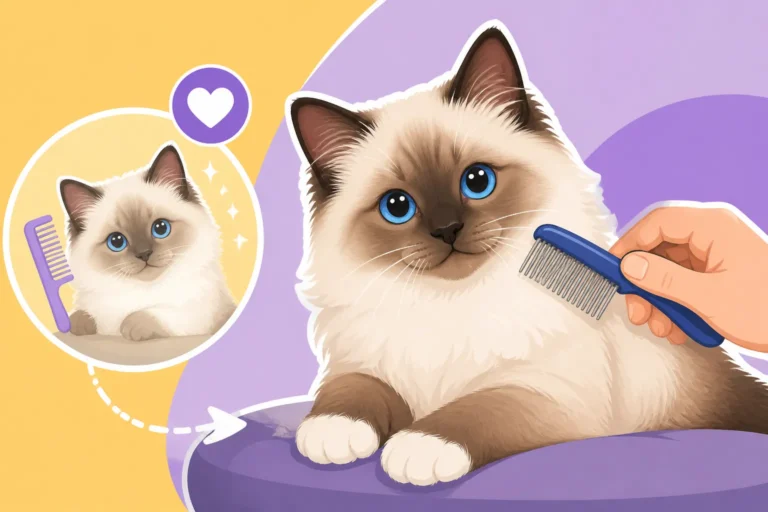
Regular grooming is paramount, not because it removes the allergen, but because it removes the carrier of the allergen – loose hair and dander. For a Birman, their Combing a Birman Three Times a Week routine is genuinely beneficial. Use a fine-toothed comb to gently go through their silky fur. This helps capture loose hairs before they fall out and spread dander around your home.
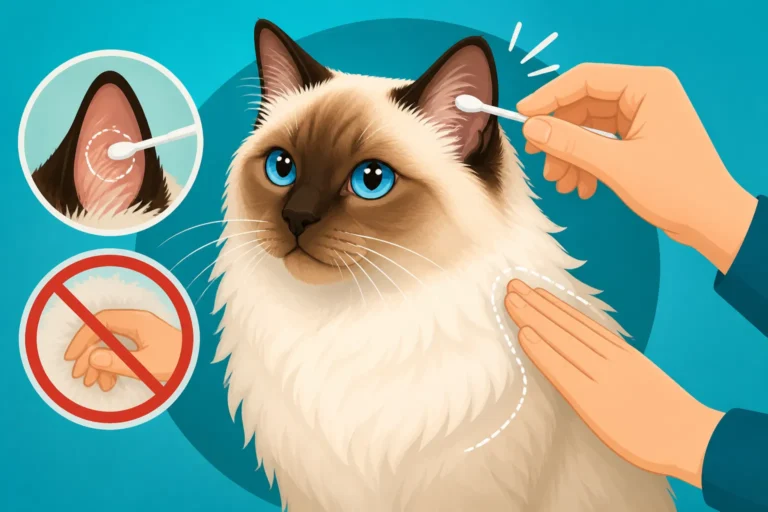
Consider having a non-allergic family member or friend do the grooming, or wear a mask and gloves if you must do it yourself. Brushing your Birman outdoors (weather permitting) or in a well-ventilated area can also help keep airborne allergens out of your main living spaces. Baths, while not usually necessary for a Birman's coat health, can also help wash away some of the Fel d 1 protein. However, frequent bathing can dry out their skin, so discuss this with your vet. How Much a Birman's Single Coat Takes to Dry is also a factor if you're considering regular baths.
Environmental Controls: Making Your Home Allergy-Friendly
Creating an allergy-friendly home environment is perhaps the most effective strategy. Think of your home as zones:
- Bedroom: Make your bedroom a cat-free sanctuary. This means no Birmans allowed, ever. This gives your body a place to recover and reduces nighttime symptoms.
- Air Filtration: Invest in high-quality HEPA air purifiers for common areas and your bedroom. These devices can trap airborne Fel d 1 particles, significantly reducing their concentration. You can find excellent options on Amazon or at local electronics stores.
- Vacuuming: Use a vacuum cleaner with a HEPA filter regularly. Focus on carpets, rugs, and upholstery where allergens tend to settle. Consider hard flooring over carpet if possible, as it's easier to clean thoroughly.
- Washing Fabrics: Frequently wash bedding, curtains, and other washable fabrics in hot water to remove trapped allergens.
- Surface Cleaning: Regularly wipe down surfaces with a damp cloth. This helps pick up settled dander rather than just redistributing it.
- Litter Box Maintenance: Keep the litter box impeccably clean. Fel d 1 is also in urine, so fresh litter and a spotless box are crucial. For a Birman, Which Litter Suits a White Gloved Cat is also important to consider to prevent staining their beautiful paws, but low-dust options are key for allergy sufferers.
Dietary Considerations for Skin and Coat Health
A healthy cat with healthy skin and coat will produce less dander because their skin is less flaky and their coat sheds less excessively. Ensuring your Birman has a high-quality diet rich in omega-3 and omega-6 fatty acids can promote skin hydration and a healthy, shiny coat. Look for cat foods with good protein sources and ingredients that support skin and coat health.
Brands like Chewy offer a vast selection of premium cat foods, including specialized options for skin and coat. You might also consider supplements, such as fish oil, after consulting with your veterinarian. A well-nourished Birman often means a happier cat and potentially less allergen production due to better skin integrity. Why Omega Oils Matter for a Birman's Coat is something worth discussing with your vet to see if diet adjustments could help.
Veterinary Care and Allergy Solutions
Your veterinarian can be a valuable partner in managing your allergies alongside your Birman. They can offer advice on diet, grooming products, and even discuss potential medical interventions for your cat that could help. For example, there are special therapeutic cat foods designed to reduce Fel d 1 production in cats, like Purina Pro Plan LiveClear, which contains an egg-based protein that neutralizes Fel d 1 in the cat's saliva. This can be a game-changer for some households.
Additionally, your own doctor or an allergist can provide you with strategies to manage your personal allergy symptoms. This might include antihistamines, nasal sprays, or even allergy shots (immunotherapy) that can desensitize you over time. Combining personal medical management with environmental controls and good cat care offers the best chance for a successful, sneeze-free coexistence with your Birman.
Beyond the Coat: Other Factors to Consider
When bringing any cat into an allergic household, it’s not just about the fur. There are many other aspects of a Birman's temperament and lifestyle that contribute to how manageable allergy symptoms might be.
Temperament and Interaction Levels
Birmans are known for their incredibly gentle, placid, and affectionate nature. They are often described as "dog-like" in their devotion, loving to be near their human companions. A Birman Would Rather Be Near You Than On You is a classic description, meaning they enjoy your presence without constantly demanding to be in your lap or carried. This can be a double-edged sword for allergy sufferers. On one hand, their calm demeanor means less frantic activity stirring up dander. On the other, their desire to be near you means you're still consistently exposed to allergens.
They often follow you from room to room, settling close by. While this is wonderful for companionship, it means their dander gets distributed more widely throughout your living spaces. You might find your Birman sleeping on your favorite chair or even your bed (if you allow it, which allergy sufferers often avoid!). Understanding their interaction style helps you anticipate allergen spread and plan your cleaning routines accordingly.
Lifestyle and Indoor Living
Birmans thrive as indoor-only cats. Their long, silky coats and trusting nature make them vulnerable to outdoor hazards, and many breeders emphasize strict indoor living. This is a huge advantage for allergy sufferers, as it eliminates the introduction of outdoor allergens like pollen, mold, and environmental pollutants that can cling to their fur and exacerbate symptoms.
An indoor lifestyle also makes it easier to control their environment. You're not worrying about what they're picking up from the neighborhood or tracking into the house. It means you have a contained "allergen bubble" that you can more effectively manage through grooming, air purification, and regular cleaning. If you're someone who is considering Whether a Birman Should Ever Go Outside in Snow, remember the allergy implications of bringing outdoor elements inside.
The Importance of a Trial Period (If Possible)
If you are severely allergic but still have your heart set on a Birman, the best advice often comes with a caveat: try to spend time with the specific cat or a cat from the same lineage before committing. While not always feasible, visiting a breeder's cattery (wearing a mask and taking allergy medication, if needed) can give you a real-world sense of your reaction. Some breeders might even allow you a short "trial period" if you're seriously considering a kitten, though this is rare and comes with its own complexities.
Remember, every individual cat produces Fel d 1 differently. You might find you react less to one Birman than another. However, be cautious: a short visit might not give you the full picture, as allergen buildup in a home can take time to trigger a full reaction. Allergy symptoms can also worsen over time with continuous exposure, so what feels manageable initially might become a bigger problem down the line. It's a significant commitment, so always proceed with caution and realistic expectations.
| Factor | Impact on Allergies | Birman's Characteristic | Management Strategy |
|---|---|---|---|
| Allergen Source | Fel d 1 protein (saliva, dander, urine) | Birmans produce Fel d 1 like all cats | Regular grooming, air purifiers, surface cleaning, specialized food |
| Coat Type | Less shedding can mean less visible dander, but protein is still present | Single coat, less prone to matting, generally less shedding than double-coated | Frequent combing, occasional bathing |
| Shedding Volume | More shedding equals more allergen dispersal | Moderate shedding, but continuous | Consistent grooming, vacuuming with HEPA filter |
| Grooming Habits | Spreads Fel d 1 via saliva onto fur | Birmans groom themselves thoroughly | Assisted grooming, wiping down cat, considering therapeutic diets |
| Temperament | Affects how widely dander is spread | Affectionate, enjoys proximity to owners, moderate activity levels | Keep cat out of bedroom, designated "cat zones," frequent cleaning |
| Lifestyle | Outdoor exposure brings in additional environmental allergens | Best suited for indoor-only living | Strict indoor policy, cleaning any outdoor access areas |
In conclusion, while the Birman's beautiful single coat offers grooming advantages and may appear to shed less, it does not make them truly hypoallergenic. The key to living with a Birman if you have allergies lies in understanding the true cause of your symptoms and implementing consistent, comprehensive management strategies. With dedication and the right approach, many allergy sufferers can indeed enjoy the loving companionship of a Birman cat.
Disclaimer
This article is for general informational purposes only and does not constitute professional advice. Laws, prices and regulations vary by location and change over time. Consult a qualified professional for guidance on your specific situation.