Why No Amount of Combing Makes a Birman Hypoallergenic
It’s a common and deeply frustrating misconception for cat lovers with allergies: you hear whispers about certain breeds, like our beloved Birmans, being "hypoallergenic" due to their luxurious, silky coats. You imagine finally being able to breathe freely while cuddling your dream cat. But the truth is, no amount of combing, no matter how dedicated, will ever make a Birman—or any cat, for that matter—truly hypoallergenic. This guide will dive deep into why this myth persists, what actually triggers cat allergies, and how you can still share your home with a Birman if you’re among the millions who suffer from them.
The Allergy Culprit Isn't Always the Hair Itself
When you sneeze, get itchy eyes, or break out in hives around a cat, it’s easy to point the finger at their fur. After all, it’s what you see and feel. But the reality is far more complex, and understanding this distinction is the first step toward managing your allergies and truly appreciating what makes a Birman unique. The fur is just a carrier, not the primary cause of your discomfort.
Understanding Fel d 1: The Real Villain
Let’s get straight to the heart of the matter: the real culprit behind most cat allergies is a protein called Fel d 1. This isn't just some abstract scientific term; it's a microscopic, persistent little troublemaker. Fel d 1 is primarily produced in a cat's saliva, sebaceous glands (in their skin), and to a lesser extent, their urine. When your Birman grooms themselves, they deposit this protein all over their beautiful coat. As their skin sheds, it releases dander—tiny flakes of skin carrying Fel d 1—into the environment.
Think of it like this: every time your Birman meticulously bathes themselves, they're essentially "painting" their fur with allergens. This protein then dries, becomes airborne, and attaches to everything in your home – your furniture, curtains, clothes, and even the air circulating through your ventilation system. It’s incredibly sticky and lightweight, allowing it to hang around for a long time, perpetuating your allergic reactions even when your cat isn't in the room. This tiny protein is incredibly potent; even minute amounts can trigger significant reactions in sensitive individuals.
Why a Birman's Coat Texture Offers No Allergy Protection
Many people are drawn to Birmans because of their single, silky coat, often hoping it means less shedding and, therefore, fewer allergens. It’s true that a Birman's coat, unlike the dense, woolly double coats of some breeds like Persians or Maine Coons, is less prone to matting and generally easier to manage. No Undercoat Is What Makes a Birman Easy to Groom, which is a blessing for daily care! This silky texture is often described as feeling like rabbit fur, running through your fingers without tangles.
However, this perceived advantage in grooming doesn't translate to allergy relief. While they might shed differently or less visibly than some other breeds, Birmans still shed hair, skin cells, and most importantly, they still produce and distribute Fel d 1 protein. Their magnificent ruff and flowing tail plume are still being meticulously groomed by their own saliva. The idea that "less shedding" automatically equals "hypoallergenic" is a widespread myth. Even though you might not see massive clumps of fur everywhere, the invisible dander, laden with Fel d 1, is still very much present. Why a Birman Mats Far Less Than It Looks Like It Should also doesn't mean it's allergen-free; it just means it's less tangled.
The perception versus reality here is a tough pill to swallow for many aspiring Birman owners. You look at their elegant, flowing fur and hope for a miracle, but physiologically, their bodies operate just like any other cat's when it comes to allergen production. The very act of them being a cat, grooming and living, means they are distributing Fel d 1.
Common Misconceptions About "Hypoallergenic" Cats
The term "hypoallergenic" gets thrown around a lot in the pet world, causing confusion and often leading to disappointment. It’s crucial to understand what this word actually means – or, more accurately, what it doesn't mean – especially when it comes to our feline friends. There's no such thing as a truly hypoallergenic cat breed, including the Birman.
The Myth of the Hairless Cat and Other Breeds
When people think of "hypoallergenic" cats, their minds often jump to hairless breeds like the Sphynx. The logic seems sound: no hair, no allergies, right? Wrong. This is one of the biggest misconceptions out there. While a Sphynx cat might not shed hair, they still have skin, and that skin still produces sebaceous oils and, you guessed it, Fel d 1 protein. In fact, some people with cat allergies find that their reaction to a hairless cat is worse because the allergen is directly on their skin, without the buffer of fur, and can be more easily transferred through direct contact.
Other breeds, like Siberians or Russian Blues, are sometimes marketed as "less allergenic." This isn't because they don't produce Fel d 1, but rather because some individuals within these breeds may produce slightly lower levels of the protein. It’s a genetic lottery, not a guarantee. Even with these breeds, there's no way to know if a specific cat will be tolerable to an allergic individual without spending significant time with them, and even then, reactions can vary. For a Birman, there's no evidence to suggest they produce less Fel d 1 than any other typical domestic cat. Their beautiful What Makes a Birman's Coat Silky Rather Than Woolly trait is about texture, not allergen content.
The term "less allergenic" is far more accurate than "hypoallergenic" for any cat breed. It implies a reduced chance of an allergic reaction, not an elimination of it. For most Birmans, however, it’s safe to assume they produce a standard amount of Fel d 1, making them as allergenic as any other cat for sensitive individuals.
Why Regular Combing Doesn't Eliminate Allergens
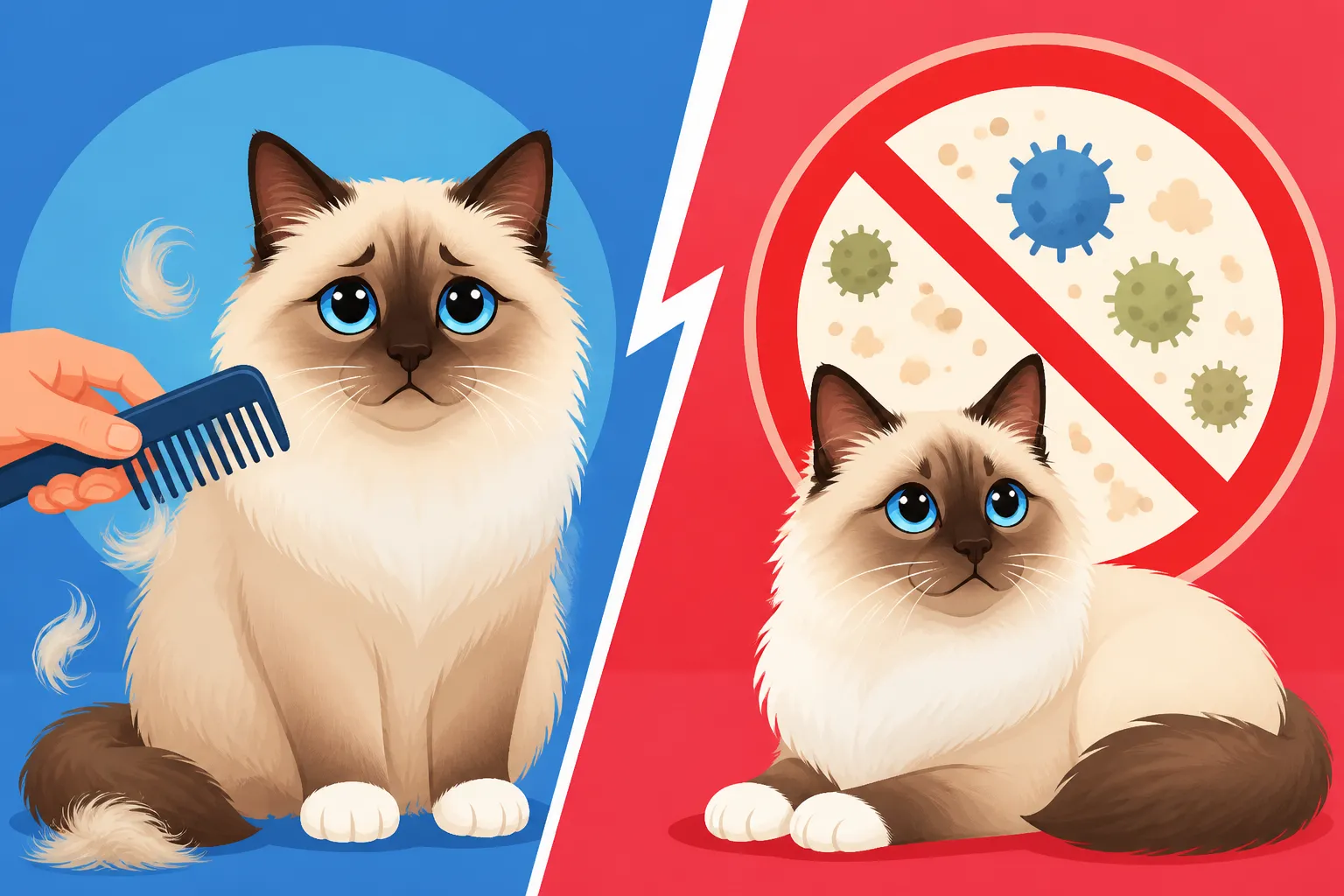
As a Birman owner, you're likely already familiar with the importance of regular grooming. Their single, silky coat is relatively easy to care for, and Combing a Birman Three Times a Week can keep it looking pristine and minimize loose hairs around the house. You might even hope that this diligent grooming routine could somehow "comb out" the allergens, making your home a safer haven for allergy sufferers.
Sadly, while combing is fantastic for your Birman's coat health and bonding, it doesn't solve the core allergy problem. When you brush your Birman, you are indeed removing loose hairs and some dander. However, this action can actually stir up more microscopic Fel d 1 particles into the air temporarily. The protein is still being produced on their skin and in their saliva. Think of it like dusting a very dusty room – you're removing some, but you're also kicking a lot of it into the air to resettle.
Even the most thorough grooming regimen cannot strip the Fel d 1 protein from the cat's skin or prevent its continuous production. While removing loose hair can help with overall cleanliness and keep the environment slightly clearer, it's not an allergen-eliminating strategy. The primary benefit of regular grooming is maintaining your Birman's beautiful coat, preventing mats, and reducing hairballs, not turning them into an allergy-friendly pet. Whether a Birman Is Prone to Hairballs is often related to how diligent you are with combing, but again, this doesn't impact allergen production.
Managing Allergies When Living With a Birman
Okay, so Birmans aren't hypoallergenic. That's a bummer, I know. But before you give up on your dreams of a graceful Birman purring by your side, understand that living happily with a cat, even if you have allergies, is absolutely possible. It takes dedication, a multi-faceted approach, and a bit of a lifestyle adjustment, but many Birman lovers find the effort well worth the reward. It's about proactive management and creating an environment that minimizes allergen exposure.
Environmental Control Is Key
Since Fel d 1 is everywhere, the first line of defense is to control your home environment as much as possible. This means thinking about how allergens spread and settling into your living space.
- Air Purifiers: Investing in high-quality air purifiers with HEPA filters can make a significant difference. Place them in rooms where your Birman spends the most time, especially in your bedroom if your cat is allowed in there (though it's generally better to keep them out). These devices actively pull microscopic allergen particles out of the air, making it cleaner and easier to breathe.
- Frequent Cleaning: This isn't just about tidiness; it's an allergy management strategy. Vacuum regularly, ideally with a vacuum cleaner that also has a HEPA filter, to trap allergens rather than recirculating them. Damp dusting surfaces also helps, as it picks up allergens instead of just pushing them around. Wash bedding, throws, and curtains frequently, as these fabric items are magnets for dander. Consider steam cleaning carpets or choosing hard flooring if you're particularly sensitive.
- Creating "Allergen-Free Zones": Your bedroom should ideally be a sanctuary where your Birman is not allowed. This gives your body eight hours a night to recover from allergen exposure. Keep the door closed, and use an air purifier in this room diligently. Designating certain furniture, like your favorite armchair, as "cat-free" zones can also help.
- Litter Box Management: Your Birman's litter box can also be a source of allergens, as Fel d 1 is present in urine. Choose low-dust litter, and consider a covered box to minimize airborne particles. Scooping frequently and cleaning the box thoroughly is crucial. Why a Birman Needs a Litter That Does Not Stain is also a good consideration for their white paws, and cleaner litter means less allergen-laden dust. You can find excellent low-dust litter options and cleaning supplies on platforms like Chewy or Amazon.
Personal Hygiene and Cat Care Strategies
Beyond managing your home, there are specific things you can do with and around your Birman to minimize your personal exposure to allergens.
- Hand Washing: Make it a habit to wash your hands immediately after petting or playing with your Birman. This simple act prevents the transfer of Fel d 1 from your hands to your face, especially your eyes and nose.
- Changing Clothes: If you've had a long snuggle session with your Birman, consider changing your clothes, especially before heading to bed. This prevents you from carrying allergens from your clothes to your sleeping area.
- Wiping Your Birman Down: Some owners find success with specialized pet wipes or damp cloths designed to reduce dander on their cat's fur. This isn't a cure, but it can help physically remove some of the surface allergens. Products like these are readily available through retailers like Chewy or Amazon. However, always ensure any product you use is specifically formulated and safe for cats.
- Regular Bathing (with caution): While Birmans generally don't require frequent bathing, a gentle bath with a cat-safe shampoo can temporarily wash away some Fel d 1 from their coat. The key here is gentle and infrequent. Most cats, including the placid Birman, don't enjoy baths, and stressing your cat out can negate any benefit. If you do bathe your Birman, use lukewarm water and ensure they are thoroughly dried afterward to prevent chills. Consult your vet for recommended cat shampoos that won't irritate their skin.
- Specialized Diets: Some cat food brands have introduced diets specifically formulated to reduce Fel d 1 production in cats. These diets work by including a protein from eggs that neutralizes Fel d 1 in the cat's saliva. While relatively new, early reports are promising for some individuals. It's worth researching these options and discussing them with your veterinarian, as consistent use may help reduce the overall allergen load.
Medical Interventions and Professional Advice
Sometimes, environmental and care strategies aren't enough on their own. That's when it's time to consider medical interventions and seek professional guidance for your own health.
- Over-the-Counter Medications: Antihistamines, decongestants, and nasal sprays can provide symptomatic relief for many allergy sufferers. These can help manage immediate reactions like sneezing, runny nose, and itchy eyes. Always follow dosage instructions and consult your doctor or pharmacist if you have any concerns.
- Prescription Medications: Your doctor might recommend stronger prescription antihistamines or steroid nasal sprays if over-the-counter options aren't sufficient. These can be very effective in controlling more severe allergic responses.
- Allergy Shots (Immunotherapy): For persistent and bothersome allergies, immunotherapy (allergy shots) might be an option. This involves a series of injections that gradually desensitize your immune system to the cat allergen over time. It's a long-term commitment but can provide significant, lasting relief. This is something you'd discuss with an allergist.
- Consulting an Allergist: This is perhaps the most crucial step if you're serious about living with a Birman despite your allergies. An allergist can pinpoint exactly what you're allergic to, assess the severity of your reactions, and help you develop a personalized management plan. They can also advise on the best medical treatments for your specific situation. Remember, your Birman is known for a Why a Quiet Birman Is Easy to Misread temperament, so while they won't complain, your body might!
Living with allergies and a beloved Birman is a balancing act, but with the right strategies, many people successfully make it work. It's about minimizing exposure and managing your own reactions, allowing you to enjoy the gentle companionship that Birmans are so famous for.
| Allergy Myth | Reality (Birman Specific) | Management Strategy |
|---|---|---|
| "Hairless cats are hypoallergenic." | No, they still produce Fel d 1 protein on their skin. Birmans produce it in saliva/dander. | Regular bathing (for Sphynx) or wiping with special cloths (for Birmans), keeping "allergen-free" zones. |
| "Cats with single coats are hypoallergenic." | A Birman's silky single coat sheds less visibly, but still distributes Fel d 1 protein and dander. | Frequent vacuuming with HEPA filter, damp dusting, washing fabrics. |
| "Frequent combing removes allergens." | Combing helps coat health and reduces loose hair, but doesn't eliminate Fel d 1. It can temporarily stir up allergens. | Grooming in a well-ventilated area, wearing a mask, having a non-allergic person do the grooming. |
| "Only cat hair causes allergies." | The Fel d 1 protein in saliva, dander, and urine is the primary trigger, not the hair itself. | Environmental control (air purifiers, cleaning) and personal hygiene (hand washing, changing clothes). |
| "You can build up immunity." | While some individuals report reduced sensitivity over time, this isn't a reliable or safe strategy. Allergy shots are a medical intervention. | Consult an allergist for medical advice and potential immunotherapy. Over-the-counter medications for symptom relief. |
How Often a Birman Notices a Toy Has Changed might tell you a bit about their engagement, but their gentle nature and presence are constants that require continuous allergy management. Don't forget that a Birman's placid nature, as seen in Why a Birman Would Never Wake You for Food, might make them seem less impactful on your allergies than a more active, demanding cat, but the allergen production remains the same. If you are going to let your Birman enjoy a What a Birman Actually Does in a Catio, remember allergens can still transfer from their fur when they come back inside.
Disclaimer
This article is for general informational purposes only and does not constitute professional advice. Laws, prices and regulations vary by location and change over time. Consult a qualified professional for guidance on your specific situation.