Whether a Birman Is Prone to Hairballs
It’s a common worry for anyone bringing a beautiful, long-haired cat into their home: "Am I signing up for a lifetime of hairball woes?" The image of a majestic feline hacking up a furball isn't exactly charming, and the truth is, dealing with them can be unpleasant for both you and your beloved companion. This comprehensive guide is here to unravel the truth about Birmans and hairballs, explaining why this particular breed often experiences fewer issues than you might expect, and what you can do to keep your furry friend comfortable and healthy.
Understanding the Birman Coat: The Key to Hairball Risk
When you first lay eyes on a Birman, with its luxurious, flowing coat and magnificent ruff, you might immediately assume that hairballs are just a part of the package. It's a natural assumption, given the sheer volume of beautiful fur! However, the Birman's coat has a distinct characteristic that sets it apart from many other long-haired breeds, and it's this very trait that plays a significant role in their propensity for hairballs.
The Birman's Single Coat vs. Double Coats
Unlike breeds such as the Persian or Maine Coon, which boast a dense double coat composed of both long guard hairs and a thick, woolly undercoat, the Birman is blessed with what's known as a "single coat." This means they primarily have long, silky guard hairs with very little to no true undercoat. This fundamental difference is crucial. An undercoat is typically fine, soft, and prone to tangling and matting, creating a dense layer that sheds profusely and is easily ingested during grooming.
Because a Birman's coat lacks this dense underlayer, it's far less prone to matting and tends to shed differently. The silky texture means that loose hairs are more likely to fall out or be caught by a comb, rather than remaining trapped in the coat and accumulating. This unique coat structure is a huge part of why its single coat means fewer hairballs (Whether a Birman's Single Coat Means Fewer Hairballs). While Birmans do shed, the hair is generally easier to manage and less likely to form the compact masses that lead to frequent hairballs in other breeds. This trait is often celebrated by owners who find their Birman's grooming needs to be surprisingly manageable, especially compared to the intensive daily brushing required for some other long-haired cats.
Grooming Habits and Hair Ingestion
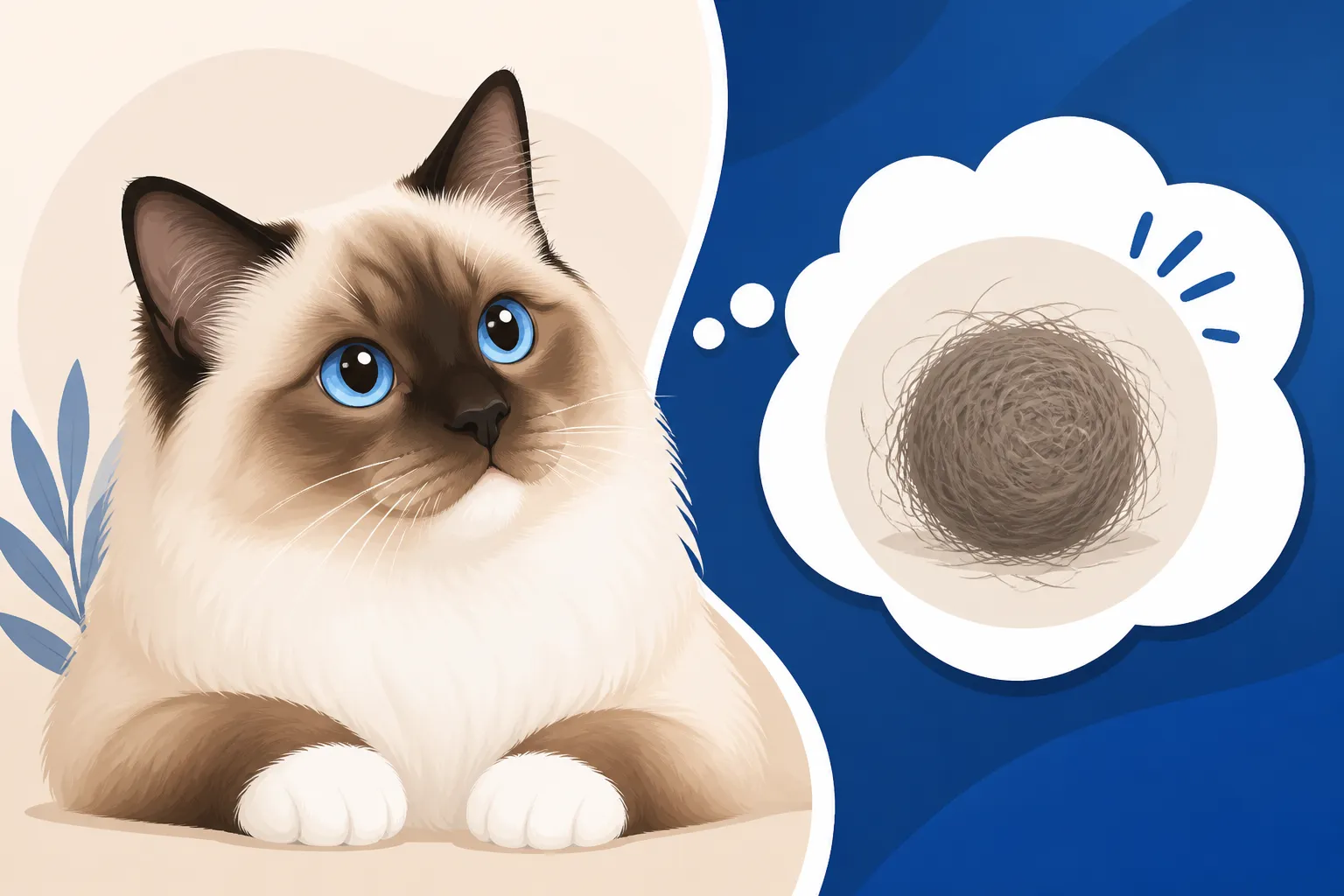
Every cat is a meticulous groomer; it's just part of being a feline! They spend a significant portion of their day licking their fur clean, smoothing it out, and removing loose hairs with their barbed tongues. This is where hairballs come into play. As cats groom, the loose fur gets swallowed. Usually, this hair passes harmlessly through their digestive system. However, sometimes the hair collects in the stomach, forming a mass that the cat eventually regurgitates – a hairball.
Even with their less problematic single coat, Birmans still groom themselves diligently. They still ingest some hair, which means hairballs are not entirely out of the question. You'll likely still encounter the occasional hairball, especially during shedding seasons. However, the frequency and severity are often significantly reduced compared to cats with thick undercoats. A Birman's placid temperament also means they often tolerate grooming sessions quite well, which further helps to reduce the amount of loose hair they ingest. By establishing a routine early on, such as outlined in How to Get a Birman Used to Grooming, you can proactively minimize hair ingestion.
Factors Influencing Hairball Frequency in Birmans
While Birmans generally have an advantage when it comes to hairball management due to their coat type, it doesn't mean they're entirely immune. Several factors can influence how often your Birman experiences hairballs, and understanding these can help you better support their health and comfort.
Seasonal Shedding and Hairball Production
Just like many other animals, cats, including Birmans, experience seasonal shedding. While their single coat sheds less dramatically than a double coat, you will still notice periods where more loose hair is present around your home and, consequently, ingested by your cat during grooming.
Typically, cats will shed more heavily in spring as they lighten their coat for warmer weather, and again in the fall as they prepare for a thicker winter coat. During these times, even a Birman might produce hairballs more frequently. It's a natural physiological response to coat changes. Owners often report seeing a slight uptick in hairballs or noticeable clumps of fur on furniture or grooming tools during these transition periods. It's a sign that their body is adapting to the changing seasons, and it's a perfect time to step up your grooming game to help them out.
Diet and Digestive Health
What goes into your Birman's bowl can have a surprisingly large impact on what comes out – or doesn't come out – in terms of hairballs. A healthy digestive system is crucial for hair to pass through naturally. If a cat's gut isn't functioning optimally, hair can linger longer in the stomach, increasing the chances of forming a hairball.
A high-quality diet that is rich in easily digestible proteins and healthy fats, particularly omega-3 and omega-6 fatty acids, can support both skin and coat health. A healthy coat sheds less excessively, and the hair that is shed is often stronger and less prone to breaking into small pieces that are easily swallowed. Moreover, adequate fiber in the diet can help to move ingested hair through the digestive tract. Some cat foods are specifically formulated as "hairball control" diets, which often contain higher levels of fiber to aid in this process. Staying well-hydrated is also paramount. A cat that drinks enough water will have a more efficient digestive system, making it easier for hair to pass. This is especially important for breeds like the Birman, which has a Why a Birman's PKD History Makes Water Intake Matter due to ancestral links to Polycystic Kidney Disease (PKD). Ensuring access to fresh, clean water, perhaps even through a pet fountain, can make a big difference.
Age and Activity Levels
A Birman's age and overall activity level can also play a role in hairball frequency. Younger, more active Birmans tend to have a higher metabolism and more robust digestive systems, often processing ingested hair with fewer issues. Their playful nature might also mean they’re moving around more, which can stimulate digestion.
As Birmans mature and become seniors, their activity levels naturally decline. They might groom themselves less thoroughly, or conversely, spend more time meticulously grooming due to boredom or joint stiffness, leading to more hair ingestion. Older cats can also experience a slowdown in their digestive motility. Their metabolism might decrease, and conditions like What an Ageing Birman Slows Down From could impact their overall gut health. If an older Birman struggles to groom its back or other hard-to-reach areas, as discussed in Caring for an Old Birman That Cannot Reach Its Back, loose fur can accumulate, increasing the likelihood of hairball formation. Regular grooming assistance from you becomes even more vital as they age.
Practical Strategies to Minimize Birman Hairballs
Even though Birmans are less prone to hairballs, being proactive is always the best approach. Implementing a consistent care routine can significantly reduce the chances of your Birman experiencing discomfort from hairballs and help maintain their beautiful, silky coat.
Consistent Grooming Routine
This is perhaps the most effective tool in your hairball prevention arsenal. Regularly removing loose hair before your Birman has a chance to swallow it is key. For a Birman, three combings a week are usually sufficient, thanks to their single coat. You'll want to use the right tools to avoid damaging their delicate fur.
A metal comb with both wide and fine teeth is often ideal. Start with the wider teeth to gently work through the ruff and tail plume, then switch to the finer teeth for the body. Be particularly gentle around their belly and armpits, where any rare mats might try to form. It’s a good idea to make grooming a pleasant experience; many Birmans enjoy the attention. Using soft praise and gentle strokes can turn it into a bonding ritual. Remember, Combing a Birman Three Times a Week is usually enough to keep the loose hair at bay. Focus on smooth, even strokes that capture shedding fur without pulling at the skin. Regular grooming not only reduces hairballs but also helps you check for any skin issues, parasites, or changes in their coat condition.
Dietary Adjustments and Supplements
As mentioned earlier, diet plays a significant role. If your Birman is experiencing more hairballs than you'd like, consider a dietary review.
- High-Quality Cat Food: Ensure your cat is eating a premium cat food with easily digestible ingredients. Look for formulations that are rich in animal protein and contain healthy fats.
- Hairball Formulas: Many brands offer "hairball control" cat foods. These typically contain a higher fiber content, which helps to bind to hair in the digestive tract and facilitate its passage through the stool. Brands like Royal Canin and Hill's Science Diet offer such specialized formulas.
- Wet Food: Increasing wet food in their diet can boost hydration, which in turn supports digestive motility. This is a simple yet effective way to help hair move through more smoothly.
- Supplements: Over-the-counter hairball remedies often come in the form of gels or pastes, typically flavored to appeal to cats. These usually contain lubricants (like petroleum jelly) or fiber to help hair slide through the digestive system. Use these sparingly and always consult your vet before introducing new supplements, especially if your Birman has any underlying health conditions. Adding omega-3 fatty acid supplements (fish oil) can also improve skin and coat health, leading to less shedding and a healthier coat overall.
Environmental Enrichment and Hydration
A happy, healthy Birman is less likely to engage in excessive stress-related grooming, which can contribute to hairball formation.
- Hydration Stations: Place multiple water bowls around the house, ensuring they are always clean and fresh. Some Birmans prefer flowing water, so a pet fountain can be a fantastic investment to encourage more drinking. Whether a Fountain Gets a Birman Drinking More is a common question, and for many Birmans, the answer is a resounding yes!
- Mental and Physical Stimulation: Boredom or stress can lead to overgrooming. Provide plenty of toys, regular play sessions, and opportunities for mental engagement. A Birman is a companionable cat that thrives on interaction. Ensuring they have company, whether it's you, another family member, or a cat-friendly dog, can reduce anxiety.
- Clean Living Space: Regularly vacuuming and cleaning your home will remove loose Birman hair from surfaces, meaning there's less for your cat to pick up on their fur and ingest during their own grooming sessions.
When to Worry: Recognizing Problematic Hairball Symptoms
While an occasional hairball might just be an unpleasant fact of cat ownership, it’s crucial to know the difference between a normal hairball and a symptom of a more serious underlying issue. Your Birman's placid temperament means Why a Quiet Birman Is Easy to Misread when they are unwell, so vigilance is key.
Signs of Obstruction or Discomfort
A typical hairball is usually a tubular mass of fur and some digestive fluids, often regurgitated with little effort, and the cat quickly returns to normal behavior. However, certain signs indicate that your Birman might be struggling with something more serious, potentially a gastrointestinal obstruction caused by a large, unpassed hairball.
Here are some red flags to watch for:
- Repeated, unproductive retching or gagging: If your Birman is trying to vomit but nothing is coming up, or only a small amount of liquid, it could mean a blockage.
- Loss of appetite or refusal to eat: A cat with a blockage will often lose interest in food and water.
- Lethargy and weakness: If your usually active Birman becomes unusually tired, withdrawn, or unwilling to play, it's a cause for concern.
- Constipation or diarrhea: Changes in bowel movements, particularly straining to defecate or producing very small, hard stools, can indicate a blockage. Conversely, severe diarrhea could also be a symptom of gastrointestinal distress.
- Abdominal pain or swelling: If your Birman's belly appears distended or they react with pain when you gently touch their abdomen, seek immediate veterinary attention.
- Weight loss: Significant and unexplained weight loss, especially if accompanied by other symptoms, is always a warning sign. Why a Birman's Weight Should Be Recorded Every Visit is important for tracking these changes.
These symptoms could point to a severe hairball obstruction that requires medical intervention, or another serious gastrointestinal issue.
Seeking Veterinary Advice
If you notice any of the concerning symptoms listed above, or if your Birman is producing hairballs very frequently (e.g., several times a week, especially outside of heavy shedding periods) despite your best preventive efforts, it’s time to call your veterinarian. Don't delay, as an intestinal obstruction can be life-threatening and may require emergency surgery.
Your vet will likely conduct a thorough physical examination, ask about your Birman's history, diet, and symptoms. They might recommend diagnostic tests such as X-rays or ultrasound to determine if there's a blockage and its severity. In some cases, endoscopy or surgery may be necessary to remove the obstruction. Early intervention is always best for a positive outcome. Having a good pet insurance plan, like one from Healthy Paws, can certainly ease the financial stress if your Birman ever needs extensive vet care for complications arising from severe hairballs or any other health issue. When considering health coverage, many Birman owners look into options from providers like Healthy Paws to ensure peace of mind for unexpected veterinary costs. It's a smart way to ensure your Birman gets the best care without financial burden.
| Symptom Category | Normal Hairball (Occasional) | Problematic Hairball (Seek Vet Care) |
|---|---|---|
| Retching/Vomiting | Brief, usually productive, followed by quick recovery. | Repeated, unproductive retching; only foam/bile; cat remains unwell. |
| Appetite | No change, eats normally soon after. | Loss of appetite, refusal to eat or drink for 12+ hours. |
| Energy Level | Returns to normal activity immediately. | Lethargy, weakness, hiding, disinterest in play/interaction. |
| Bowel Movements | No change in frequency or consistency. | Constipation (straining, hard stools) or persistent diarrhea. |
| Abdominal Signs | No pain or swelling. | Pain upon touching abdomen, distended belly. |
| Other | Healthy coat, good weight. | Significant weight loss, dull coat, dehydration. |
Conclusion
So, are Birmans prone to hairballs? The short answer is, "less so than many other long-haired breeds." Thanks to their unique, silky single coat, Birmans generally shed less and are less prone to the severe matting that leads to frequent, problematic hairballs. However, they are not immune, and every Birman owner should still be diligent in preventive care. Consistent grooming, a high-quality diet, ample hydration, and a stimulating environment are your best defenses. By understanding your Birman's specific needs and staying watchful for any concerning symptoms, you can ensure your beloved "Sacred Cat of Burma" lives a comfortable, healthy life, free from excessive hairball worries.
Disclaimer
The information provided in this article is for general informational purposes only and is not intended as a substitute for professional veterinary advice. Always consult with a qualified veterinarian regarding any medical concerns or before making any decisions about your pet's health and treatment.