What Fifteen Years of a Birman’s Coat and Feet Takes
Bringing a Birman into your life is a commitment to a wonderful, placid companion, but it also means dedicating yourself to their unique needs for what can often be fifteen years or more. Many new Birman parents are charmed by their silky coats and striking white 'gloves,' not fully realizing the ongoing, evolving care these features demand over such a long lifespan. This guide will walk you through the journey of maintaining your Birman's coat and feet from their kitten days right through their golden years, ensuring they remain comfortable, healthy, and looking their best.
The Birman's Enduring Coat: A Lifetime of Silky Care
The Birman's coat is truly a thing of beauty, often described as feeling like silk ribbons through your fingers. Unlike some other long-haired breeds, they have a single coat with no dense undercoat, which is a blessing in many ways – it means far fewer mats than you might expect for such a luxurious mane. However, "less matting" doesn't mean "no grooming." Over a lifetime, that beautiful coat will undergo changes, and your grooming routine needs to adapt right along with it.
The Youthful Sheen vs. Age-Related Changes
When your Birman kitten first comes home, their coat is incredibly soft and relatively short, and their points are barely starting to show. You'll notice how A Birman Kitten's Points Come In slowly, developing into those stunning seal, blue, chocolate, or lilac hues. During these early years, their coat is often in its prime – full, lustrous, and less prone to tangles, especially if you get them accustomed to regular combing from a young age. This initial ease can sometimes lull owners into a false sense of security, believing that grooming will always be this straightforward.
However, as your Birman matures and particularly as they enter their senior years, changes inevitably occur. The fur, especially around the impressive ruff and tail plume, can become thicker, longer, and sometimes a little coarser or more brittle. You might also notice their Birman's Points Darken as It Ages quite considerably, becoming a deeper, richer shade. This darkening is a natural thermoregulation effect, a fascinating aspect of their genetics. An older Birman might also start to lose some of that natural elasticity in their skin, which can make them more prone to developing small mats in hard-to-reach areas, especially if their mobility decreases.
Grooming Through the Years: Adapting Your Routine
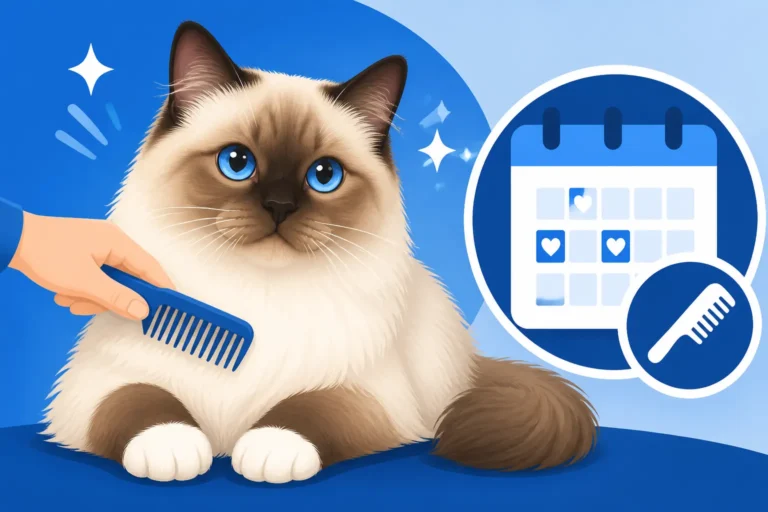
For a young adult Birman, combing two to three times a week with a good quality metal comb should be sufficient to keep their coat in top condition. Focus on areas where mats typically form, like behind the ears, in the armpits, and on the britches. The goal here is prevention – stopping small tangles from becoming bigger, more painful mats. As your Birman ages, you might find you need to increase this frequency. An older Birman, especially one past ten years of age, might need daily attention, particularly if they're less flexible and can't reach their own back or britches effectively. Taking Over the Grooming an Old Birman Has Given Up becomes a vital part of their senior care.
It's also essential to use the right tools. A wide-toothed metal comb is generally best for working through their silky coat gently, followed by a finer-toothed comb for checking for any missed tangles. Avoid slicker brushes unless absolutely necessary and used with extreme care, as they can pull and damage the Birman's delicate guard hairs. If you do encounter a mat, never try to yank it out. Instead, gently work it apart with your fingers, or use a mat splitter if the mat is tight against the skin, always being mindful of their delicate skin. Regular grooming sessions should be calm and positive experiences, fostering a bond between you and your cat.
Those Iconic White Gloves: Maintaining Pristine Paws from Kittenhood to Golden Years
The Birman's white 'gloves' and 'laces' are arguably their most distinctive and beloved feature, but they also represent one of the biggest challenges in terms of lifelong maintenance. Keeping those pristine white paws clean and healthy for fifteen years requires consistent effort and a keen eye. From muddy mishaps to nail care, these elegant extremities demand special attention.
The Ever-Present Challenge of White Paws
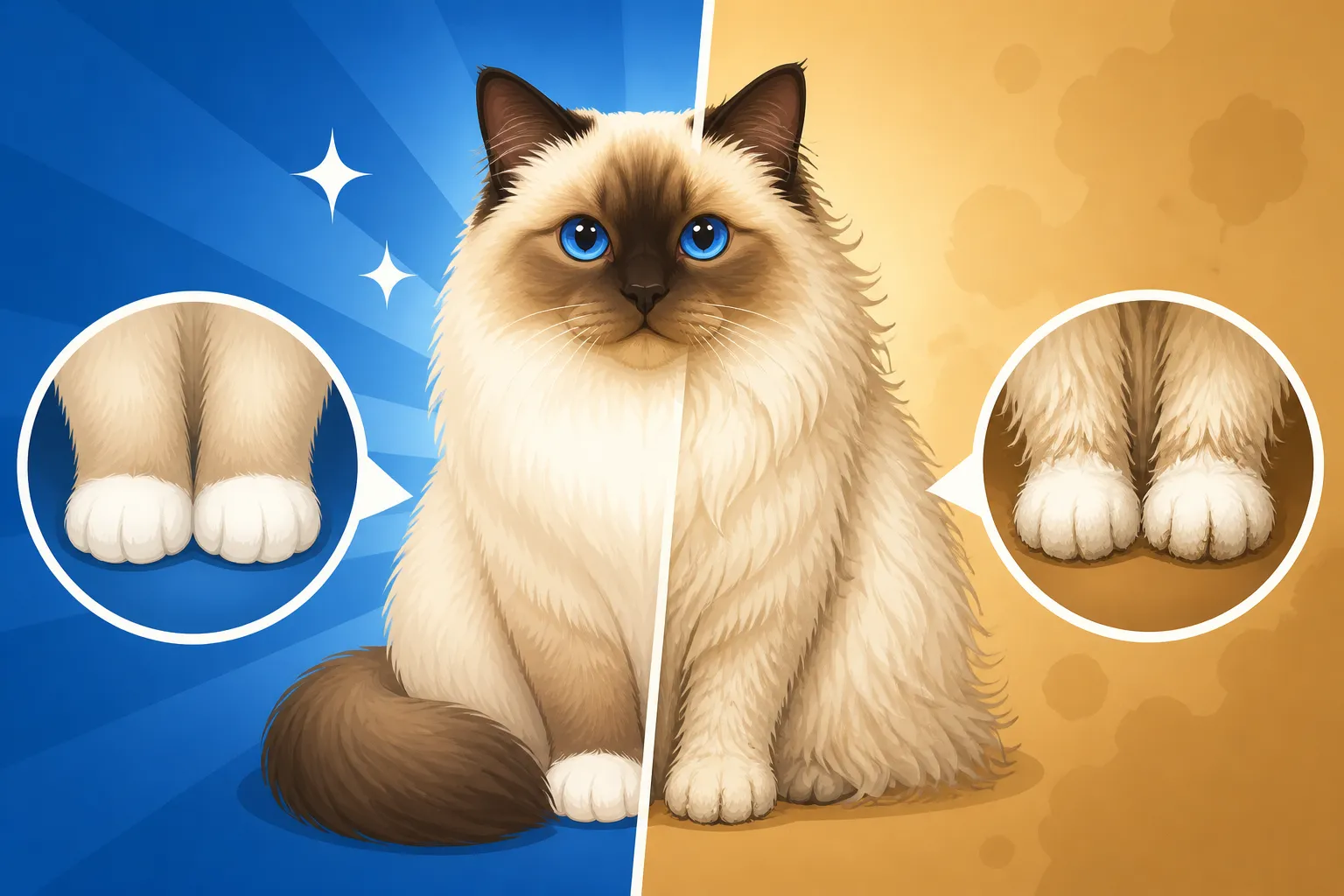
From the moment your Birman kitten arrives, you'll be on a mission to keep those precious white paws sparkling. Kittens, with their boundless curiosity, often find themselves in situations that can easily stain their white fur – a wet litter box, a dusty corner, or a curious investigation into something messy. As they grow, the challenge continues. Litter Discolors a Birman's White Feet is a common frustration for Birman owners, making the choice of low-dust, non-clumping, or even paper-based litter paramount. You'll likely find yourself gently wiping their paws more often than with other cats.
In their senior years, maintaining white paws can become even more difficult. Older cats might not be as agile when using the litter box, sometimes stepping in waste or tracking it out. They may also be less meticulous with their self-grooming. Regular inspection and gentle cleaning become even more critical. Keep cat-safe wipes or a soft, damp cloth handy to quickly address any discoloration. Sometimes, a full paw bath might be necessary if they get into something particularly stubborn, and choosing a shampoo that keeps the gloves white (Which Shampoo Keeps a Birman's Gloves White) is key. Remember, patience is a virtue when trying to keep white paws pristine, especially over a decade and a half.
Nail Care and Paw Health Over a Decade and a Half
Nail care is an integral part of maintaining healthy paws for your Birman throughout their life. Regular nail trims, typically every 2-4 weeks, prevent nails from growing too long, which can cause discomfort, make walking awkward, or even lead to ingrown nails, especially in older cats. Getting your Birman used to nail trims from a young age is crucial. Use sharp, cat-specific clippers and only snip the very tip of the clear part of the nail, avoiding the quick.
As your Birman ages, you might notice their nails become thicker or more brittle. This can make trimming a bit more challenging, so consider having your vet or a professional groomer assist if you're unsure. Beyond nail trims, regularly check your Birman's paw pads. Look for any cuts, cracks, tenderness, or unusual growths. Healthy paw pads are supple and smooth. Over time, particularly in older cats, their pads can become tougher or more sensitive. If your Birman is not using their scratching post as much as they used to, it's worth checking their nails. While Declawing Would Ruin a Birman's Gloves and Its Life, providing appropriate scratching surfaces helps maintain nail health naturally. Brands like Chewy offer a wide variety of scratching posts and boards that can encourage natural nail wear.
Beyond Grooming: How Overall Health Impacts Coat and Feet
It's easy to focus solely on brushes and wipes, but the truth is, a Birman's coat and paw health are intrinsically linked to their overall well-being. What goes into their body, how much they move, and their general health status all play a significant role in how well their coat gleams and how sound their feet remain over fifteen years. Neglecting internal health will inevitably show on the outside.
Nutritional Support for Lifelong Luster and Strong Paws
The food you choose for your Birman is a cornerstone of their coat and paw health. A high-quality diet rich in animal protein and essential fatty acids (like Omega-3 and Omega-6) is vital for maintaining that characteristic silky coat. These nutrients contribute to skin health, which in turn supports healthy hair follicles and a lustrous shine. You'll want to look for foods that explicitly state they include these beneficial oils. What Protein Level a Birman's Ruff Needs to Stay Full is often a consideration for owners.
As your Birman transitions from kitten to adult and then to senior, their nutritional needs will shift. Older Birmans may require fewer calories to prevent weight gain, especially if their activity levels decrease. However, they still need nutrient-dense food to support aging bodies. Good hydration is also crucial for skin and coat health, particularly given the Birman's potential predisposition to kidney issues. Encourage water intake with fresh water bowls, a cat fountain (available on Amazon), or incorporating wet food into their diet. Some pet food subscriptions offer tailored meal plans that can adapt to your cat's changing needs throughout their life, ensuring optimal nutrition for their coat and overall health.
| Age Stage | Coat Characteristics | Grooming Needs | Paw/Nail Care Considerations |
|---|---|---|---|
| Kitten | Soft, shorter, points developing | Weekly combing, introduce tools | Introduce nail trims, gentle paw cleaning |
| Adult | Full, silky, lustrous, mature points | 2-3 times a week, focus on mat-prone areas | Regular nail trims, inspect paw pads |
| Senior | Thicker, potentially coarser, darker points, duller | Daily combing, assist with hard-to-reach areas | Monitor nail thickness, increased paw cleaning |
The Link Between Mobility and Self-Grooming in an Older Birman
A decline in mobility is a common concern for older Birmans and has a direct impact on their ability to self-groom. Arthritis or other joint issues can make it painful or difficult for them to bend, stretch, and twist to reach all parts of their body. You might notice an older Birman stopping using the stairs, or avoiding their usual high perches. How Arthritis Shows in a Birman That Never Jumped Much can be subtle. This reduced flexibility often leads to neglected areas of their coat, particularly around the lower back, hindquarters, and tail, where mats can quickly form.
When an older Birman struggles with self-grooming, it's a clear signal that you need to step up your assistance. Beyond increased combing, gentle massages can help stimulate circulation and provide comfort. Ensure their environment is easy to navigate – ramps to favorite spots, soft bedding, and easily accessible litter boxes. If you suspect your Birman is experiencing joint pain, a vet visit is essential. They might recommend supplements, pain management, or even a therapeutic diet to improve comfort and mobility, indirectly helping your Birman maintain a healthier coat by allowing them to participate more in their own grooming.
Proactive Care: Setting Your Birman Up for a Lifetime of Comfort
The joy of sharing fifteen years with a Birman means being proactive about their health and comfort. It's not just about reacting to problems, but setting them up for success from day one. This holistic approach ensures that their beautiful coat and precious white feet are just one reflection of a well-cared-for and happy cat.
Regular Vet Checks and Early Intervention
One of the most crucial elements in a Birman's long-term health, and consequently the condition of their coat and feet, is a consistent schedule of veterinary check-ups. From kittenhood, these visits establish a baseline of health and allow for early detection of any emerging issues. Your vet will not only administer necessary vaccinations and parasite control but also perform thorough physical examinations, checking their skin, coat, and paws. What a Birman Kitten's First Exam Includes Its Heart is critical, but they also check for healthy growth, dental health, and any congenital issues that might impact their comfort or grooming abilities later in life.
As your Birman ages, these check-ups become even more vital, often including blood work to monitor organ function, especially for conditions like kidney disease or hyperthyroidism, which can impact coat quality and overall vitality. For example, a dull, greasy, or thinning coat can be an early indicator of an underlying health problem. Early intervention means better outcomes and a higher quality of life for your cat. A vet can spot early signs of arthritis, dental issues that affect appetite, or skin problems that could make grooming painful. Discussing What a Birman's Yearly Panel Should Include After Eight with your vet is a smart move for preventive care.
Creating an Environment for Senior Birman Comfort
As your Birman reaches their senior years, adapting their living environment can make a world of difference to their comfort and ability to maintain their coat and feet. Think about accessibility: lower sided litter boxes are easier to step into for cats with stiff joints, reducing the chance of them accidentally soiling their white gloves. Ramps or pet stairs can help them reach favorite elevated spots, like a sunny windowsill or a cozy bed on the sofa, without painful jumping. This not only keeps them engaged but also allows them to comfortably groom themselves or relax without strain.
Consider also the climate of your home. Birmans, with their single coat, can sometimes get a bit chilly. Providing warm, soft beds, especially heated ones for older cats, can soothe aching joints and encourage relaxation, which in turn supports overall health. A well-placed scratching post can also keep their nails in better condition, even if they aren't using it with the same gusto as in their youth. Thoughtful adjustments to their environment show your Birman that you understand their changing needs, helping them live out their fifteen years feeling cherished and comfortable.
Disclaimer
This article is for general informational purposes only and does not constitute professional advice. Laws, prices and regulations vary by location and change over time. Consult a qualified professional for guidance on your specific situation.