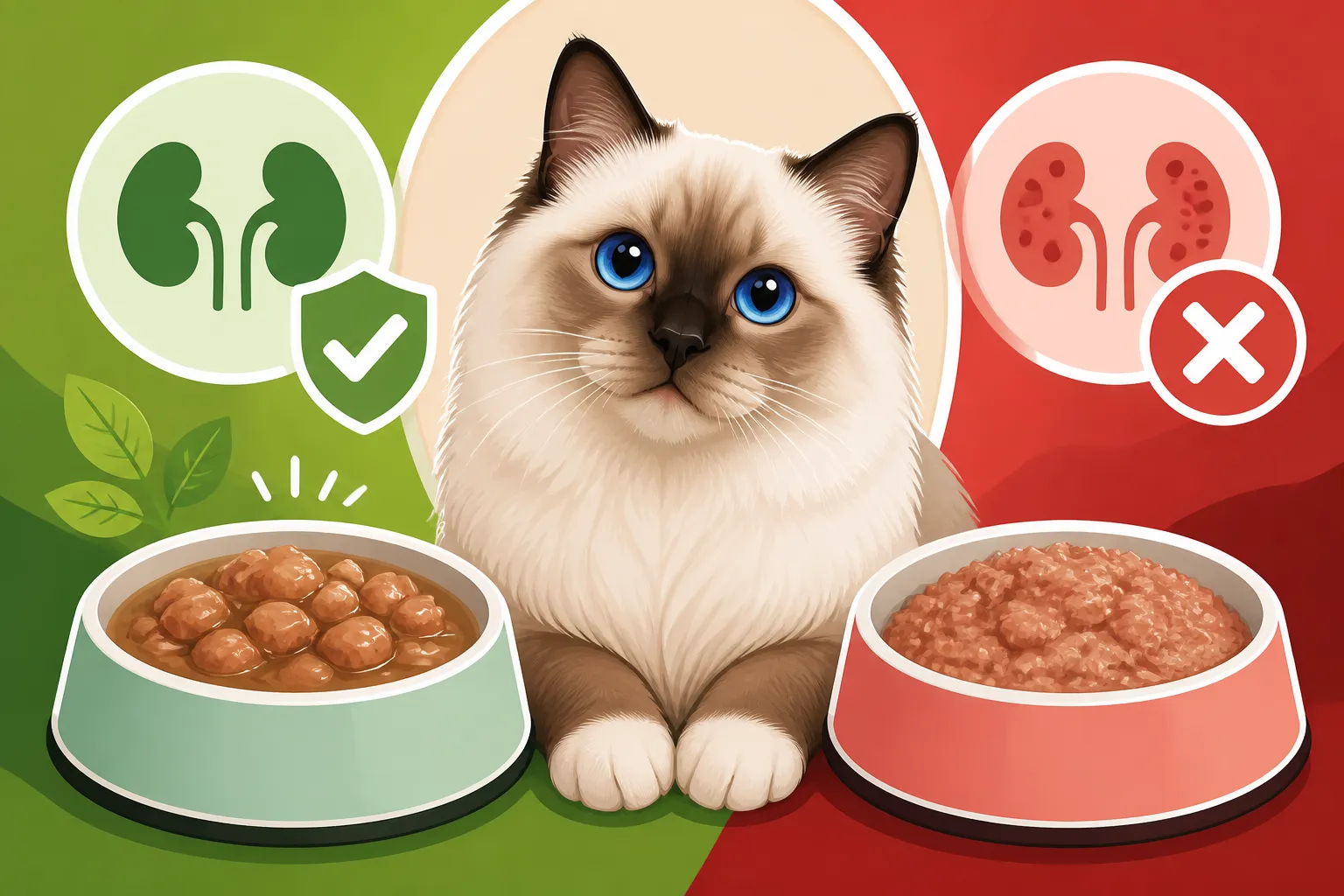
Which Wet Food Suits a Birman’s Kidney History
If you're a Birman parent, you know our beloved companions are generally quite healthy, but like any purebred cat, they come with their own unique considerations. One area that often causes a lot of worry is kidney health, especially as they get older. It can be incredibly stressful to think about, and choosing the right diet, particularly wet food, feels like a minefield when you want to do everything right for your furry family member. This guide aims to clear up some of that confusion, explaining why wet food is so important for a Birman with a kidney history and how to choose the best options to support their long-term well-being.
Why a Birman's Kidneys Deserve Special Attention
It's heartbreaking to think about our cats facing health challenges, and kidney issues can feel particularly daunting because they often progress silently. Understanding why Birmans might be more prone to these issues and how their bodies work is the first step in proactive care.
The Birman's Unique Kidney Landscape: A Look at Genetics and Breed History
Our beautiful Birmans have a fascinating history, but some of their genetic heritage, especially the necessary outcrossing that saved the breed after World War II, brought with it certain predispositions. The infusion of Persian blood into the Birman lines, crucial for rebuilding the breed, also introduced some genetic traits. One particular concern that can be traced back to this lineage is Polycystic Kidney Disease (PKD). While responsible breeders diligently test for this now, and many Birman lines are clear, it highlights why a Birman's kidneys might need a closer watch than some other breeds. Why PKD Reached the Birman Through the Persian explains more about this connection. Even without PKD, the general health of a Birman's kidneys remains a vital focus, especially as they mature. The kidneys are crucial organs, filtering waste products from the blood and maintaining fluid balance, so supporting them through diet is paramount.
The Crucial Link Between Hydration and Renal Health
Cats, by their very nature, aren't the best at drinking water. In the wild, their ancestors got most of their hydration from their prey. Our domesticated Birmans retain this trait, often not feeling thirsty until they're already a bit dehydrated. Dry kibble, while convenient, only exacerbates this natural tendency. Imagine trying to stay properly hydrated by eating only crackers and rarely drinking a full glass of water – it's just not ideal. For a cat, especially one with a predisposition or early signs of kidney issues, chronic low-level dehydration puts a continuous strain on their kidneys. The kidneys have to work harder to filter waste with less fluid, and this extra effort can contribute to the progression of kidney disease over time. This is where wet food truly shines as a hero for our Birmans.
Recognizing the Subtle Signs of Kidney Concerns in Your Birman
One of the most frustrating things about kidney disease is how subtly it can begin. Our Birmans are known for their placid and tolerant nature, which, while endearing, can also mean they hide discomfort or illness incredibly well. Why a Birman Hides Illness Behind a Placid Temperament is a real eye-opener in this regard. You might not see obvious signs of distress until the disease is quite advanced. Initial symptoms might be as vague as drinking a little more water than usual – Why a Birman Drinking More Points at Its Persian Ancestry dives into this specific behavior – or urinating more frequently. They might seem a bit more lethargic, perhaps not greeting you at the door with their usual enthusiasm, or just generally appearing a bit "off." You might notice a slight decrease in appetite, or they might lose a bit of weight over time. Catching these changes early, even if they seem minor, is absolutely crucial. Regular vet check-ups, especially as your Birman moves into middle age, are non-negotiable for monitoring kidney values and catching potential issues before they become serious. Why Birman Kidney Disease Is Watched From Middle Age provides more insight into this.
Decoding Wet Food: Essential Nutrients for Kidney Support
Once kidney concerns are on the table, whether as a preventative measure or a management strategy, the discussion inevitably turns to diet. It’s not just about any wet food; it’s about choosing one formulated with kidney health in mind.
Moisture: The Foundation of Kidney-Friendly Diets
Let's be blunt: the single most impactful thing you can do for your Birman's kidney health, especially if they have a history of issues, is to increase their moisture intake. And the easiest, most consistent way to do that is through wet food. Wet food is typically 70-80% water, compared to kibble which is only 5-10%. This difference is monumental. When a cat eats wet food, they are automatically taking in a significant amount of water with every meal, which helps flush toxins from their kidneys, keeps them better hydrated, and generally eases the workload on these vital organs. Think of it as giving their kidneys a constant, gentle bath from the inside out. This isn't just about preventing kidney disease; for cats already diagnosed, consistent hydration can slow its progression and improve their quality of life. Why Kibble Alone Leaves a Birman Short of Water perfectly illustrates this challenge.
Protein: Balancing Quality and Quantity
The role of protein in kidney disease diets is often misunderstood and can be a source of confusion for cat owners. In the past, the advice was often to drastically reduce protein for any cat with kidney disease. However, current veterinary understanding is more nuanced. Cats are obligate carnivores, meaning they need high-quality animal protein to thrive. Severely restricting protein can lead to muscle wasting and a decline in overall health, which is counterproductive.
For cats in the early stages of kidney disease, or for prevention, the focus is less on extreme restriction and more on providing high-quality, easily digestible protein in appropriate amounts. This means protein sources that produce fewer waste products that the kidneys have to filter. As kidney disease progresses, a veterinarian might recommend a moderate reduction in protein, but always ensuring it’s still high-quality to maintain muscle mass. The goal is to provide enough protein for the cat's needs without overwhelming the kidneys.
Phosphorus: The Nutrient to Watch Closely
If there's one nutrient that almost universally needs careful management in a kidney-support diet, it's phosphorus. As kidney function declines, the kidneys become less efficient at removing phosphorus from the blood. High phosphorus levels can then lead to a cascade of problems, including further kidney damage, mineral imbalances, and bone issues. This is why many prescription kidney diets are specifically formulated with restricted phosphorus levels.
When you're looking at wet food options, whether over-the-counter or prescription, the phosphorus content is arguably more critical to scrutinize than protein levels, especially once a kidney issue has been identified. Always check the guaranteed analysis on the food label and, ideally, get specific phosphorus recommendations from your veterinarian.
Sodium and Other Supportive Ingredients
Beyond moisture, appropriate protein, and restricted phosphorus, other ingredients play a supportive role in kidney health.
- Sodium: While not as critical as phosphorus, moderate sodium restriction is often part of kidney diets. High sodium can contribute to high blood pressure, which can further damage the kidneys. However, extreme sodium restriction isn't usually necessary unless specifically indicated by a vet.
- Omega-3 Fatty Acids: These often get a lot of buzz for good reason! Found in fish oils, omega-3s (like EPA and DHA) have anti-inflammatory properties that can help reduce inflammation in the kidneys. Many kidney-support diets include these beneficial fatty acids.
- Antioxidants: Vitamins E and C, along with other antioxidants, can help combat oxidative stress in the body, which might offer some protective benefits for kidney cells.
- B Vitamins: Cats with kidney disease tend to lose B vitamins through increased urination, so supplementation is often included in therapeutic diets.
- Potassium: Maintaining proper potassium balance is also important. In some stages of kidney disease, cats might have low potassium, which needs to be addressed.
Choosing the Right Wet Food for Your Birman's Needs
Stepping into the pet food aisle, or browsing online at places like Chewy or Amazon, can be overwhelming. Knowing what to look for, and when to seek veterinary intervention, is key.
Understanding Food Labels and Guaranteed Analysis
Reading a pet food label isn't always straightforward. Manufacturers list ingredients by weight, which means water is often the first ingredient in wet food, making it appear more substantial than it is. What you really need to focus on is the Guaranteed Analysis and, if possible, the "as fed" and "dry matter" basis for protein and phosphorus.
- Guaranteed Analysis: This section gives you the minimum percentages of crude protein and fat, and maximum percentages of crude fiber and moisture. For kidney concerns, you'll want to pay close attention to the protein and moisture.
- Phosphorus Content: This is often not listed on the standard guaranteed analysis for over-the-counter foods. You might need to check the manufacturer's website or contact them directly for this crucial information. Many brands specifically market "low phosphorus" diets for senior cats or those with early kidney concerns.
- Ingredients List: Look for high-quality, identifiable protein sources like chicken, turkey, or fish. Avoid vague terms like "meat by-products" without further specification, although some by-products can be perfectly nutritious if from a reputable source. The quality of ingredients directly impacts digestibility and the workload on the kidneys.
Over-the-Counter Options vs. Veterinary Therapeutic Diets
This is a critical distinction.
- Over-the-Counter (OTC) "Kidney-Friendly" or "Senior" Diets: These foods might have slightly reduced protein or phosphorus compared to standard adult cat food, but they are not as strictly controlled as veterinary prescription diets. They can be a good choice for prevention or for Birmans in the very earliest stages of kidney decline (IRIS Stage 1), especially if they are difficult to transition to a prescription diet. Brands found on Chewy or Amazon often have senior-specific lines that focus on general health and moderate phosphorus levels. If your vet advises a general kidney-support diet, options like Merrick Purrfect Bistro, Weruva, or Tiki Cat can be good starting points due to their high moisture content and often discernible ingredient lists, but always check their phosphorus levels.
- Veterinary Therapeutic Diets (Prescription Diets): If your Birman has been diagnosed with kidney disease, particularly IRIS Stage 2 or higher, your veterinarian will almost certainly recommend a prescription kidney diet. Brands like Royal Canin Renal Support, Hill's Prescription Diet k/d, or Purina Pro Plan Veterinary Diets NF are specifically formulated to precisely control protein (high quality but appropriate levels), restrict phosphorus, manage sodium, and often include beneficial supplements like omega-3s and B vitamins. These diets are backed by scientific research and are proven to extend the lifespan and improve the quality of life for cats with chronic kidney disease. They are available only through a veterinary clinic or with a vet's authorization from online retailers like Chewy's prescription food section. Which Prescription Diet a PKD Positive Birman Ends Up On offers more details on these specialized foods.
Tips for Successful Transition and Palatability
Cats can be notoriously picky, and changing their food, especially to a therapeutic diet, can be a battle. Here are some tips:
- Go Slow: Introduce new food gradually over 7-10 days, mixing small amounts with their old food and slowly increasing the new food's proportion.
- Warm It Up: Warming wet food to body temperature can enhance its aroma and make it more appealing.
- Variety: Some cats respond well to rotating different flavors or textures within the same prescription diet line (e.g., Royal Canin offers various textures like pate, thin slices, loaf).
- Small, Frequent Meals: Offer smaller meals more often throughout the day.
- Enticements: A tiny sprinkle of a favored low-phosphorus treat or a lick of tuna water (check sodium content!) can sometimes tempt a hesitant eater. Remember, consistency is important, but a cat that won't eat is a bigger problem than a cat eating an imperfect diet.
- Stay Calm: Your stress can transfer to your Birman. Be patient and persistent.
Beyond the Bowl: Holistic Hydration and Care
While wet food is a cornerstone, a comprehensive approach to your Birman's kidney health goes beyond just what's in their dish.
Encouraging Water Intake Through Innovative Solutions
Even with a wet food diet, maximizing water intake is essential. Our Birmans enjoy routine and comfort, and making water accessible and appealing is a simple, yet highly effective, strategy.
- Water Fountains: Many cats are fascinated by running water. A ceramic or stainless steel pet fountain encourages them to drink more. The movement and aeration can make the water more attractive. Whether a Fountain Gets a Birman Drinking More explores this option in depth.
- Multiple Water Stations: Place several bowls of fresh water in different locations around your home – upstairs, downstairs, in quiet corners, away from food bowls. Some cats prefer glass, others ceramic or stainless steel. Experiment to see what your Birman likes best.
- Wide, Shallow Bowls: Cats don't like their whiskers touching the sides of a bowl. Wide, shallow bowls prevent "whisker fatigue."
- Add Water to Wet Food: You can add a tablespoon or two of extra water (or low-sodium broth) to your Birman's wet food to further boost hydration, turning it into a soupy consistency many cats enjoy.
- Ice Cubes: Some cats enjoy batting at and licking ice cubes in their water bowl, turning hydration into a game.
- Filtered Water: If your tap water has a strong smell or taste, consider using filtered water.
Remember, How Much Water a Birman Should Get Through in a Day varies, but generally, the more, the better for kidney support.
Establishing a Consistent Feeding Routine
Birmans thrive on routine, and feeding times are no exception. Consistent meal times can help manage their appetite and metabolism, especially when dealing with specific dietary needs. Instead of free-feeding, which is not ideal for cats on specific diets, opt for two or three measured meals a day. This allows you to monitor exactly how much they are eating and when, and helps prevent overfeeding, which can lead to weight gain. Weight management is important for overall health, and especially for cats with underlying conditions. Plus, for cats with kidney disease, inconsistent eating can cause upset. Sticking to a schedule also means you'll be quicker to notice if their appetite changes, which is a key indicator of their health.
For owners who work long hours, an automatic feeder that dispenses wet food (some models exist, though they can be pricy) or arranging for a pet sitter to provide mid-day meals could be options. Or, consider fresh, pre-portioned, high-moisture meals to supplement or use as a primary food, always with veterinary guidance.
Partnering with Your Veterinarian for Optimal Kidney Care
Above all, your veterinarian is your most valuable partner in managing your Birman's kidney health. Self-diagnosing or making significant dietary changes without professional guidance can be detrimental.
- Regular Check-ups: Ensure your Birman has annual vet visits, or more frequently if kidney concerns are present. These visits should include blood and urine tests to monitor kidney function. How a Birman's Kidney Numbers Are Tracked From Middle Age highlights the importance of these tests.
- Early Intervention: If kidney disease is diagnosed, even at an early stage, prompt dietary intervention and other supportive care can make a significant difference. Don't wait for advanced symptoms.
- Dietary Guidance: Your vet will recommend the most appropriate diet based on your Birman's specific diagnosis, stage of kidney disease, and individual needs. They can provide specific recommendations for phosphorus levels, protein content, and even advise on specific brands of prescription diets.
- Ongoing Monitoring: Once a new diet is in place, your vet will want to recheck blood work to ensure the diet is having the desired effect and that phosphorus, potassium, and other values are stable.
- Addressing Other Health Concerns: Kidney disease rarely exists in isolation. Your vet will also help manage any other concurrent health issues that might impact kidney function or overall well-being.
Caring for a Birman with kidney concerns can feel like a lot, but with the right wet food choices, consistent hydration strategies, and a strong partnership with your vet, you can help your cherished companion live a comfortable, happy life for many years to come.
| Dietary Factor | Importance for Birman Kidney Health | Why It Matters | Actionable Steps |
|---|---|---|---|
| Moisture Content | Critical for prevention and management of kidney disease. | Helps flush toxins, reduces kidney workload, prevents dehydration. | Choose wet food (70-80% moisture), add water to meals, use water fountains. |
| Protein Level | Moderate to Controlled. Quality is key. | Essential for muscle maintenance, but excess or poor quality burdens kidneys. | Opt for high-quality, digestible protein. Discuss specific levels with your vet for early vs. advanced stages. |
| Phosphorus | Highly Important for management of kidney disease. | High phosphorus accelerates kidney damage and causes mineral imbalances. | Prioritize foods with restricted phosphorus. Check manufacturer websites or vet for values, especially for OTC foods. |
| Sodium | Moderate Restriction. | High sodium can contribute to high blood pressure, damaging kidneys further. | Avoid high-sodium treats and foods. Prescription diets usually have controlled sodium. |
| Omega-3 Fatty Acids | Beneficial for kidney health. | Anti-inflammatory properties can help reduce kidney inflammation. | Look for foods fortified with omega-3s or discuss supplementation with your vet. |
| B Vitamins | Important for supplementation. | Cats with kidney disease lose these through increased urination. | Many kidney diets include B vitamins; discuss with your vet if using OTC food. |
| Palatability | Crucial for successful dietary compliance. | A cat must eat the food to benefit from it, regardless of its formulation. | Introduce new foods slowly, warm food, offer variety, use vet-approved enticements. |
Disclaimer
This article is for general informational purposes only and does not constitute professional advice. Laws, prices and regulations vary by location and change over time. Consult a qualified professional for guidance on your specific situation.