Why Kibble Alone Leaves a Birman Short of Water
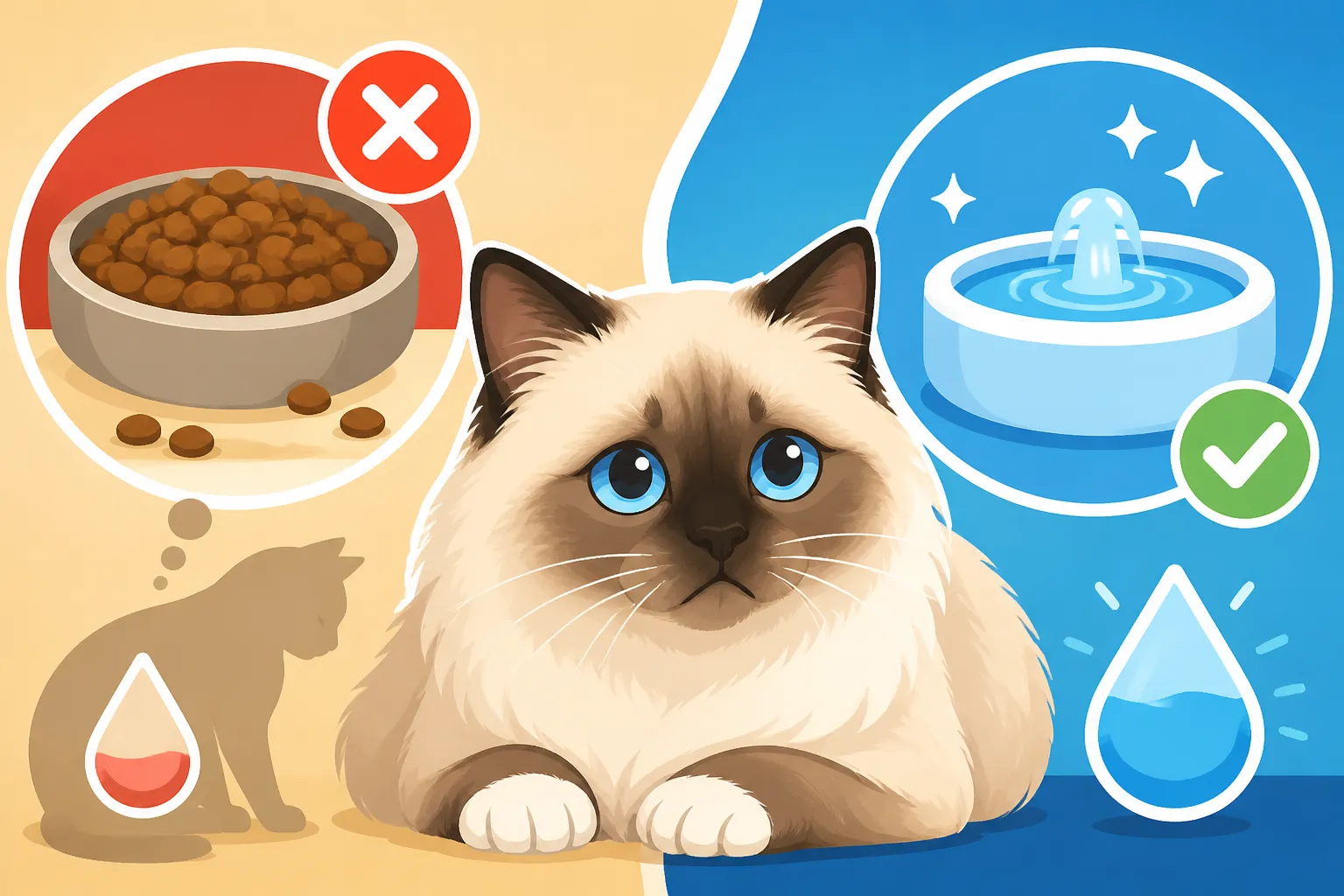
It's a common, heartbreaking scenario many cat parents unknowingly fall into: you diligently fill your Birman's bowl with kibble, thinking you're providing a complete and convenient meal. You might even have a water bowl nearby, topped up regularly. But then, months or years down the line, you find yourself at the vet with concerns about their kidneys or urinary health, wondering what went wrong. The truth is, while dry kibble offers many conveniences for us, it often leaves our beloved Birmans perpetually short on the one thing they need most: water. This guide will dive deep into why a kibble-only diet is inherently dehydrating for cats and how you can ensure your gentle Birman stays wonderfully hydrated and healthy for years to come.
The Ancestral Thirst Trap: Why Cats Don't Drink Enough Naturally
Our domestic cats, including our beautiful Birmans, carry a fascinating legacy in their genes. They are, at heart, desert creatures, descendants of hardy wild felines that evolved in arid environments. This ancestral heritage profoundly impacts their relationship with water, often leading to insufficient intake when faced with modern living conditions.
The Desert Dweller Legacy
Imagine a small wild cat, stealthily hunting its prey in a vast, dry landscape. Water sources are scarce and unreliable. Over countless generations, these cats developed a highly efficient system for conserving water. Their bodies became adept at extracting almost all the moisture they needed directly from their food. This meant their thirst drive, unlike ours or a dog's, was never strongly wired to seek out standing water. They just weren't built to guzzle from a river or a pool. When they were thirsty, it typically meant their prey wasn't hydrating them enough, or they were already quite far along the dehydration spectrum. This evolutionary trait, once a survival advantage, becomes a significant challenge for our house cats, particularly Birmans, who are not out hunting for their meals.
How Prey Provides Hydration
In the wild, a cat's diet consists almost exclusively of small prey – mice, birds, insects. These natural food sources are surprisingly high in moisture, often containing 70-80% water. Think about that for a moment: every meal was essentially a hydrating drink wrapped in a protein-rich package. A cat consuming a few mice a day would easily meet its daily water needs without ever needing to find a separate water source. Their kidneys became incredibly efficient at concentrating urine to hold onto as much water as possible. This efficiency, while great for survival in a dry environment, means that when a cat does get dehydrated, its body struggles to signal that intense thirst effectively until it's already quite significant.
The Modern Bowl Conundrum
Now, bring that ancient physiology into a modern home. We offer our Birman a bowl of clean, fresh water. Sounds great, right? For us, yes. For our cats, it's often not enough. Because their evolutionary wiring means they don't have a strong drive to drink standing water, they simply won't consume enough voluntarily to compensate for a dry diet. A still bowl of water might be overlooked, ignored, or only sipped at sparingly throughout the day. This isn't because your Birman is stubborn or unhealthy; it's just how their body is designed. They expect their food to bring the water with it, and when it doesn't, they don't instinctively make up the difference by drinking copious amounts from a bowl. It’s a silent, daily battle against their own genetics.
The Hidden Dehydration Risks of a Kibble-Only Diet for Birmans
While kibble is convenient and often budget-friendly, its dry nature poses distinct and serious health risks for cats, risks that can quietly build up over years and are especially concerning for a placid breed like the Birman who might not show discomfort until a problem is advanced.
Concentrated Dryness
The most fundamental issue with a kibble-only diet is its moisture content. Dry food, by definition, contains very little water – often only 5-10%. Compare this to the 70-80% found in their natural prey or in good quality wet food. This enormous disparity means that a cat eating only kibble is starting its day with a significant water deficit. While they will drink some water from their bowl, it's typically nowhere near enough to bridge that gap. Their bodies are constantly playing catch-up, trying to extract moisture from their own systems to process the dry food. It's like asking a desert plant to thrive by occasionally spraying it with a mist, instead of providing deep, regular watering. Over months and years, this chronic low-level dehydration stresses their internal organs.
Stress on Kidneys
The kidneys are powerhouse organs, filtering waste products from the blood and maintaining fluid balance. When a cat is consistently under-hydrated due to a kibble-only diet, their kidneys are forced to work much harder. They have to concentrate urine excessively to conserve what little fluid is available in the body. This continuous strain can lead to significant problems over time. The concentrated urine is not only harsher on the delicate kidney tubules, but it also carries a higher concentration of waste products, making the kidneys' job more arduous. Many Birmans, particularly as they age, might be predisposed to kidney issues, and a kibble-only diet can quietly exacerbate or accelerate these problems. A Birman's placid temperament means they may not show outward signs of discomfort or illness until their kidneys are already significantly compromised. This is why paying close attention to their hydration is paramount for this breed, especially if their lines have any history of kidney concerns. Knowing Which Blood Values a Birman's Kidney History Makes Important can help you have a more informed discussion with your vet about proactive care.
Urinary Tract Troubles
Perhaps one of the most immediate and visible consequences of chronic dehydration from a kibble diet is the impact on the urinary tract. When urine is consistently concentrated, it creates an environment ripe for the formation of urinary crystals and stones. These crystals, essentially mineral deposits, can irritate the bladder lining, leading to painful inflammation (cystitis) and even blockages. Male cats, due to their narrower urethras, are particularly susceptible to life-threatening blockages.
A Birman with a urinary tract infection or crystals might start showing signs like straining to urinate, frequent trips to the litter box, crying in the litter box, or urinating outside the box. However, again, their calm nature might mean these signs are subtle at first. You might just notice a slight change in litter box habits, or a brief moment of discomfort. These conditions are not only incredibly painful for your cat but can also be expensive to treat, often requiring emergency vet visits, specialized diets, and even surgery in severe cases. Preventing them through adequate hydration, rather than trying to manage them once they've appeared, is always the best approach for their comfort and your peace of mind.
Strategies to Boost Your Birman's Water Intake
Now that we understand why kibble can be problematic, let's talk about what we can do to counteract those effects and ensure our lovely Birmans get all the hydration they need. It’s about being proactive and creative!
Embracing Wet Food
This is, without a doubt, the single most effective way to increase your Birman's daily water intake. Switching from a kibble-only diet to one that includes or primarily consists of wet food makes a world of difference. Canned or pouched wet food typically contains 75-85% moisture, mirroring the hydration your cat would get from natural prey. It's essentially food and drink in one go.
Think about it: if your Birman eats two meals a day, and each meal is a wet food that's 78% water, they're automatically consuming a significant amount of hydration without you ever having to coax them towards a water bowl. It takes the pressure off their low thirst drive. You don't necessarily have to go 100% wet food overnight; even introducing one wet meal a day, or mixing some wet food with their kibble, can have a profoundly positive impact. There are many fantastic brands available through retailers like Chewy, offering a vast selection of textures and flavors to entice even the pickiest Birman. Fresh options are also naturally high in moisture and can be a fantastic way to boost hydration. Which Wet Food Suits a Birman's Kidney History is a great resource to explore specific options if your Birman has particular health needs.
The Allure of Running Water
While still water might not always pique a cat's interest, many Birmans are utterly fascinated by running water. This is where a cat drinking fountain can be a game-changer. There’s something about the movement, the fresh oxygenation, and the cooler temperature of circulating water that captures their attention. In the wild, running water is often safer and fresher than stagnant pools, so there might be a subtle instinctual draw.
Placing a fountain in a quiet, accessible spot can encourage your Birman to drink more frequently. You might find them happily lapping from the fountain when they wouldn't touch a still bowl. It’s worth experimenting with different types of fountains – ceramic, stainless steel, or plastic, with various flow settings – to see which your Birman prefers. Some Birmans like a bubbling stream, while others prefer a gentle cascade. Regular cleaning is essential to keep the water fresh and prevent bacterial buildup. You can find a wide range of highly-rated cat fountains on Amazon, often with different filters and designs to suit your home and your cat's preferences. It's a small investment that can yield big returns in terms of your cat's health. For more detailed advice, check out Whether a Fountain Gets a Birman Drinking More.
Creative Hydration Hacks
Beyond wet food and fountains, there are several other clever ways to sneak more moisture into your Birman's day.
- Multiple Water Stations: Don't just have one water bowl. Place several bowls around your home in different rooms, away from food and litter boxes. Cats often prefer to drink in a different location than where they eat. This increases the chances of your Birman encountering a water source more frequently throughout their day. Also, consider the type of bowl. Some cats dislike deep bowls where their whiskers touch the sides. Why a Birman's Whiskers Need Bowl Room is a good read if you notice your cat splashing water out of their bowl.
- Add Water to Food: If your Birman is particularly fond of kibble and resists wet food, try adding a tablespoon or two of warm water, plain chicken or beef broth (make sure it's low sodium and onion/garlic-free), or a splash of cat-specific milk replacer to their dry food. This softens the kibble and adds a bit of hidden moisture.
- Ice Cubes: Some cats love to play with and lick ice cubes. Drop a few into their water bowl or even offer one as a treat. It's a fun way to get a little extra hydration, especially on warmer days.
- Water-Rich Treats: Offer treats that have high moisture content, like small pieces of cooked chicken, plain tuna in water, or cat-specific broths. These aren't meant to replace meals but can supplement their water intake.
- Cleanliness is Key: Ensure all water bowls and fountains are cleaned daily. Stagnant, dusty water is unappealing to cats. A fresh, clean bowl is much more inviting.
By combining these strategies, you can significantly boost your Birman's daily hydration. Remember, your goal is to make drinking water as appealing and accessible as possible, even for a creature whose instincts tell them otherwise. Knowing How Much Water a Birman Should Get Through in a Day can help you monitor their intake and adjust your strategies.
| Hydration Strategy | Primary Benefit | Implementation Tips |
|---|---|---|
| Wet Food | High inherent moisture content | Gradually introduce; try different brands; vary textures |
| Water Fountains | Appeals to natural instinct for running water | Clean regularly; experiment with different types (Amazon); place in quiet spots |
| Multiple Bowls | Increased accessibility | Place away from food/litter; use wide, shallow bowls; refresh daily |
| Add Water to Food | Sneaky hydration for kibble lovers | Use warm water or plain broth; softens kibble |
| Ice Cubes | Engaging and refreshing | Drop in bowls or offer as a treat; useful in warmer weather |
Recognizing Signs of Dehydration in Your Birman
Because Birmans are known for their calm and often stoic nature, they can be masters at hiding discomfort or illness. This means that recognizing the subtle signs of dehydration early is crucial. You might not see dramatic symptoms until the problem is quite advanced, so being observant is key.
Subtle Clues in Behavior
A Birman experiencing dehydration, even mild, might show changes that are easily missed if you’re not paying close attention. They might become a little more withdrawn, perhaps sleeping more than usual or seeking out cooler, quieter spots. Why a Placid Birman Hides Pain is a critical insight for Birman owners, as their gentle nature often means they won't vocalize or display obvious distress like other breeds might. You might notice they are less interested in playing, or their usual greeting at the door is a little less enthusiastic. They might also appear a bit more lethargic, moving slower or seeming generally less vibrant.
Another subtle sign can be a slight decrease in appetite. While a completely dehydrated cat will often stop eating altogether, mild dehydration might just make them pickier or eat less at each meal. They might also seem less interested in their usual routine, or just generally "off." These small shifts in temperament or routine can be early warnings that their body isn't getting enough moisture. Don't dismiss these changes; they are your Birman's quiet way of telling you something isn't quite right. Keep an eye on What a Withdrawn Birman Is Telling You for more insights into interpreting their subtle cues.
Physical Indicators
Beyond behavioral changes, there are several physical cues that can indicate dehydration. These are important for every Birman owner to know how to check:
- Skin Elasticity (Skin Tent Test): Gently pinch the skin on your Birman's neck or between their shoulder blades, lift it slightly, and then release. In a well-hydrated cat, the skin should snap back into place almost immediately. If it returns slowly, or "tents" for a moment, it's a strong indicator of dehydration. The slower the return, the more dehydrated your cat might be.
- Gum Stickiness: Carefully lift your Birman's lip to expose their gums. Healthy gums should be moist and slick to the touch. If they feel sticky or dry, it's another sign of dehydration. The color of the gums should also be a healthy pink; pale or unusually dark gums warrant immediate veterinary attention.
- Sunken Eyes: In severe cases of dehydration, a Birman's eyes might appear sunken into their sockets, losing their usual bright and alert appearance.
- Lack of Urination: If you notice your Birman isn't urinating as frequently as usual, or if their litter box seems unusually dry, it could be a sign of reduced fluid intake and potential dehydration. Conversely, if they are straining to urinate without producing much, it could indicate a serious urinary blockage, which is a medical emergency.
- Dry Nose: While not always a definitive sign, a very dry, crusty nose can sometimes accompany dehydration.
- Lethargy and Weakness: As dehydration progresses, your Birman may become noticeably weak, reluctant to move, and spend most of their time lying down. They might even seem a bit disoriented.
Regularly checking these physical signs, especially the skin tent and gum stickiness, can help you catch dehydration early. It’s part of the essential care that ensures your Birman's long-term health. Knowing How Dental Disease Progresses in a Birman is also relevant here, as healthy gums are a general indicator of overall well-being.
When to Call the Vet
While mild dehydration can often be addressed at home by implementing the strategies mentioned above, severe dehydration is a medical emergency that requires immediate veterinary intervention.
You should contact your veterinarian right away if you notice:
- Extreme lethargy or unresponsiveness.
- Persistent vomiting or diarrhea, which can quickly worsen dehydration.
- Complete refusal to drink water or eat wet food for more than 24 hours.
- Marked sunken eyes and a skin tent that remains for several seconds.
- Pale or blue-tinged gums.
- Any signs of straining to urinate, especially if your male Birman is trying repeatedly with no urine production. This is a critical emergency and needs immediate attention.
Your vet can assess the severity of the dehydration, administer subcutaneous or intravenous fluids, and identify any underlying health issues that might be contributing to the problem. Don't hesitate to reach out to your vet if you have any concerns about your Birman's hydration status or overall health. Early intervention can make all the difference in their recovery and long-term well-being. Ultimately, your Birman's hydration is a fundamental aspect of their health, and understanding the risks associated with a kibble-only diet empowers you to provide the best possible care for your cherished companion. It's a key part of What Keeping a Birman Costs Every Year in terms of preventative health.
Disclaimer
This article is for general informational purposes only and does not constitute professional advice. Laws, prices and regulations vary by location and change over time. Consult a qualified professional for guidance on your specific situation.