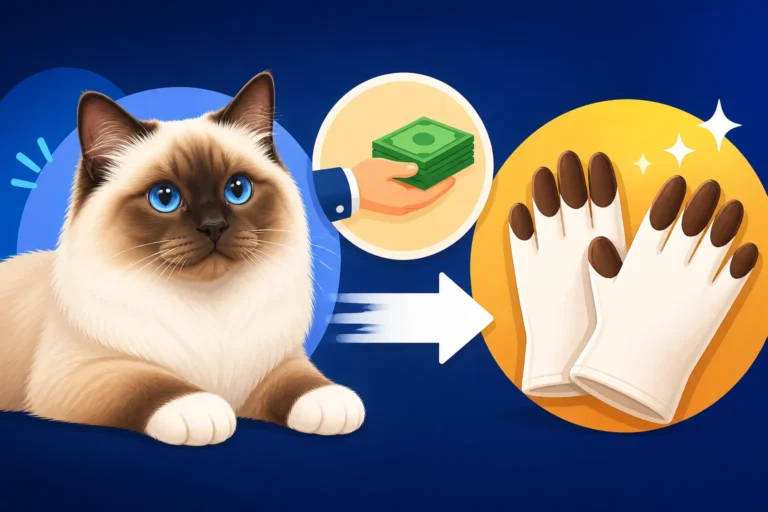
What Keeping a Birman Costs Every Year
Bringing a beautiful Birman cat into your life is an absolute joy, but it’s also a significant financial commitment beyond the initial adoption fee. Many prospective owners focus solely on the kitten price, only to be surprised by the ongoing expenses that accumulate year after year. This comprehensive guide will meticulously break down the typical annual costs of owning a Birman, from their specific dietary needs to essential health screenings and everything in between, so you can budget wisely and provide the best possible life for your sacred cat of Burma.
The True Cost of Bringing a Birman Home: Beyond the Purchase Price
When you first bring home a Birman kitten, there’s a flurry of activity and expenses that go beyond the initial purchase price. While this article focuses on annual costs, it’s crucial to understand these foundational expenses because they set the stage for your first year’s budget and influence long-term spending. Think of these as the one-time investments that create a safe, comfortable, and healthy environment for your new family member. Getting these right from the start can actually save you money and stress down the line.
Many people only factor in the cost of the kitten itself, which can vary wildly depending on markings, pedigree, and the breeder's reputation. If you're looking at What a Birman Kitten Costs in 2026, Gloved and Mismarked, you'll see how much that initial outlay can be. But once you have that adorable bundle of fluff, a whole new category of spending begins. These are the items and services that ensure your Birman settles in happily and healthily, and while they're primarily first-year expenses, some may require replacement or ongoing attention in subsequent years.
Understanding these initial costs helps you prepare for the real financial picture of Birman ownership. It’s not just about the lovely creature you bring home, but also about the infrastructure of care and comfort you establish for them. A well-prepared home contributes significantly to a Birman's overall well-being and can help prevent future problems that might otherwise lead to costly interventions.
Setting Up Your Birman's Home Comforts
Your Birman needs more than just a place to sleep; they need a secure and stimulating environment. This means investing in a quality carrier for vet visits and safe transport, a comfortable bed (or several!), and plenty of scratching opportunities. A good carrier isn't just for the trip home; it's a vital safety tool for every vet appointment and any future travel. Look for one that's sturdy, well-ventilated, and easy to clean, as you'll be using it for How Quiet a Birman Is on a Long Car Journey and more.
Beyond the carrier, multiple comfortable resting spots are a must. Birmans love to be near their people, so a soft bed in a sunny spot, another near your favorite armchair, and perhaps a cozy den in a quiet corner will be much appreciated. While they might end up sleeping on your bed, having their own designated spaces can provide a sense of security and belonging.
Scratching posts are non-negotiable for any cat, but especially for a Birman with their beautiful, untrimmed claws. Invest in a variety of vertical and horizontal scratchers, made from different materials like sisal rope and cardboard. This helps protect your furniture and provides an outlet for natural feline behavior. A sturdy, medium-height cat tree can also serve as a scratching post, a climbing spot, and a secure perch for observing their domain.
Essential Initial Vet Visits and Vaccinations
The first year of a Birman's life often involves more frequent vet visits than subsequent years. Your kitten will need a series of vaccinations to protect them from common feline diseases. These initial rounds are crucial for building their immunity and ensuring a healthy start. Beyond vaccines, your vet will conduct thorough health checks, looking for any congenital issues or early signs of problems.
Microchipping is another essential first-year expense, offering peace of mind should your Birman ever get lost. Registering the microchip with your contact information is usually a small additional fee, but it’s paramount for reunification. Many breeders will have already started this process, but you'll need to ensure the registration is transferred into your name.
Finally, unless you plan to breed, spaying or neutering is a significant one-time cost in the first year. This procedure prevents unwanted litters and can offer numerous health benefits, including reducing the risk of certain cancers and behavioral issues. Discuss the best timing for this with your vet, as it can vary based on individual growth and development. These early veterinary investments are crucial for ensuring The Twelve to Sixteen Years a Birman Usually Gets.
Stocking Up on Quality Food and Litter
While food and litter are ongoing annual expenses, the initial stocking up often represents a larger upfront cost as you experiment to find what works best. You might buy several small bags of different high-quality kibbles or various wet food brands to see what your Birman prefers and tolerates well. This trial-and-error phase is important for establishing a diet that supports their unique needs, like their silky coat and kidney history.
Similarly, finding the right litter is key, especially for a white-gloved Birman. You’ll want low-dust options that don't stain their pristine white paws. This might involve purchasing different types of litter – clay, silica gel, paper, or natural wood pellets – to discover which one best meets your Birman’s preferences and your cleanliness standards. Remember, Why a Birman Needs a Litter That Does Not Stain, so this initial investment in variety is worthwhile.
Don't forget the practical items like food and water bowls. Stainless steel or ceramic bowls are often recommended for hygiene and durability. A water fountain can also be an excellent investment, as many cats prefer running water, which encourages hydration – particularly important given the Birman's history with kidney-related issues.
The Ongoing Expense of Nurturing Your Birman's Diet
Once the initial stocking up is done, food becomes one of your most consistent annual expenses. Birmans, like all cats, thrive on a high-quality diet that meets their carnivorous needs. Skimping on food quality to save a few dollars can lead to more significant health problems and higher vet bills down the road, making it a false economy. Investing in good nutrition is truly an investment in their long-term health and vitality.
The market is flooded with cat food options, from budget-friendly kibble to gourmet wet foods and even fresh, human-grade meals. Navigating this can feel overwhelming, but focusing on ingredients, life stage, and your Birman's specific needs will guide your choices. Remember, Birmans are generally not demanding eaters, but they will quietly consume what you provide. This placid nature means you need to be particularly diligent about what you're offering, as they won't complain if it's not ideal.
This category also includes those little extras that contribute to their dietary well-being, such as dental treats or supplements recommended by your vet. While these might seem like small additions, they can add up over the course of a year, so it's wise to factor them into your overall food budget.
Choosing Quality Kibble and Wet Food for Optimal Health
When it comes to feeding your Birman, quality ingredients are paramount. Look for foods where a named meat (chicken, salmon, turkey) is the first ingredient, not a grain or a vague "meat byproduct." A balanced diet for a Birman, as with any cat, should be high in animal protein, moderate in fat, and low in carbohydrates. This supports their muscle development, energy levels, and the health of their beautiful coat.
Many Birman owners opt for a mix of wet and dry food. Wet food offers higher moisture content, which is beneficial for kidney health and can aid in hydration, especially if your Birman isn't a big drinker. Dry kibble can be convenient and help with dental hygiene, though its primary role isn't teeth cleaning. Fresh, human-grade cat food can be another option for optimal nutrition, though it typically comes at a higher price point. If you choose this route, always transition slowly to avoid digestive upset.
Consider your Birman’s age and activity level. Kittens require more calories and specific nutrients for growth, while adult and senior Birmans have different needs. A sedentary indoor Birman will require fewer calories than a very playful one. Always check the feeding guidelines on the packaging, but adjust based on your cat's body condition and consult your vet if you're unsure.
The Impact of Diet on Coat and Kidney Health
A Birman's diet directly influences the health and luster of their magnificent, single-layered coat. Foods rich in omega-3 and omega-6 fatty acids, often derived from fish oils or flaxseed, are excellent for skin and coat health, helping to keep their fur silky and reduce shedding. A dull, dry coat can sometimes be a sign of nutritional deficiencies.
Beyond aesthetics, a Birman's kidney health is a significant consideration. The breed, like many others with Persian ancestry, can be predisposed to conditions like Polycystic Kidney Disease (PKD), even if a breeder tests for it. Ensuring adequate hydration through a high-moisture diet is crucial preventative care. This is Why a Birman's PKD History Makes Water Intake Matter. If your Birman is diagnosed with kidney issues later in life, your vet will likely recommend a prescription renal diet, which can be more costly but essential for managing the condition.
Regular discussions with your vet about your Birman's diet are vital. They can advise on specific nutritional needs, recommend appropriate brands, or suggest supplements if necessary. Remember, Feeding a Birman That Will Never Beg for It means you need to be proactive about their diet rather than waiting for them to show signs of hunger or dissatisfaction.
Treats and Supplements: Indulgences and Necessities
Treats are a wonderful way to bond with your Birman and can be used for training, but they should always be given in moderation. Too many treats can lead to weight gain, which carries its own health risks, especially for a breed that can develop joint issues in old age. Opt for healthy, low-calorie treats, or even small pieces of cooked chicken or fish as a special reward. Brands found at places like Chewy often have a wide selection of healthy treat options.
Supplements, on the other hand, are typically given for a specific purpose, such as joint support for an aging Birman, or probiotic supplements to aid digestion. These should always be discussed with your veterinarian before introducing them into your cat’s routine. While some supplements can be beneficial, others might be unnecessary or even harmful if given improperly.
The cost of treats and supplements can vary widely. A small bag of treats might last a month, while a bottle of joint supplement could last several. Factor these into your monthly budget, but always prioritize high-quality food as the foundation of their diet. Think of treats as occasional delights and supplements as targeted health aids rather than dietary staples.
Keeping That Silky Coat Flawless: Annual Grooming Expenses
One of the Birman's most striking features is their beautiful, medium-long, silky coat. Thankfully, unlike some other long-haired breeds, Birmans don't have an undercoat, which makes them surprisingly easy to groom. This means your annual grooming expenses will likely be more about investing in the right tools and a little bit of your time, rather than costly trips to a professional groomer. However, being prepared for the occasional special need is always wise.
Despite the relative ease, consistent grooming is vital. Regular combing prevents mats, which can be painful and lead to skin issues if left untended. It also helps manage shedding and keeps their fur soft and lustrous. Their famous white "gloves" on their paws require particular attention to keep them pristine and prevent discoloration, especially if they have access to dusty litter.
Understanding what your Birman truly needs for grooming can save you money and keep them comfortable. It's about knowing the right techniques and having the proper equipment rather than spending a fortune on services they don't necessarily require.
Essential Grooming Tools and Their Lifespan
Your primary grooming tool for a Birman will be a good quality metal comb. Look for one with both wide and fine teeth, which allows you to work through different areas of their coat gently. A fine-toothed comb is particularly useful for checking for fleas or working through smaller tangles, while the wider teeth are perfect for the body and ruff. Which Comb Gets Through a Birman's Ruff Without Pulling is key here, as you want to glide through their fur, not snag it.
Avoid slicker brushes or de-shedding tools designed for cats with thick undercoats, as these can actually damage a Birman's delicate guard hairs. You might also want a soft bristled brush for a finishing polish, but it's largely aesthetic. Nail clippers designed for cats are another essential item. Regular nail trims prevent overgrowth, which can lead to discomfort, snagging, or even ingrown claws. Investing in quality tools means they’ll last for years, making the initial cost a worthwhile annual expense spread over time.
Additionally, a good quality cat-specific shampoo (for rare baths) and perhaps some ear cleaner or eye wipes for routine hygiene round out your essential toolkit. These items might be replaced every year or two, depending on usage.
Managing Mats and Keeping White Gloves Spotless
Even with a single coat, Birmans can occasionally develop small mats, usually in high-friction areas like behind their ears, in their "armpits," or in their britches. Regular combing, at least three times a week, is the best preventative measure. If you do encounter a mat, gently try to work it out with your fingers or the wide-toothed side of your comb, working from the outside in. Never pull or try to cut mats with scissors unless you are absolutely confident and know what you're doing, as you can easily cut their skin.
Keeping their signature white gloves sparkling is a bit of an art. Birmans can be fastidious, but accidents happen, and dusty litter can quickly discolor their white paws. You might find yourself needing to spot-clean their feet more often than you bathe the rest of their body. Lukewarm water and a mild, cat-safe shampoo can work wonders. After cleaning, ensure their paws are thoroughly dried to prevent skin irritation.
For truly stubborn discoloration, you might consider pet-safe whitening shampoos, but always use sparingly and rinse thoroughly. The key is prevention through regular cleaning and choosing the right litter, which we'll delve into more later.
Professional Grooming? Often Unnecessary, But Consider the Costs
For most Birman owners, professional grooming is genuinely unnecessary. Their coats are relatively low-maintenance, and regular at-home combing by you is usually sufficient to keep them looking their best. In fact, many professional groomers might not be familiar with the Birman's unique coat texture and could inadvertently use tools that are too harsh. What a Birman Owner Spends on Grooming Tools is typically a one-time purchase, not a recurring professional service.
However, there are exceptions. If your Birman develops severe matting due to neglect or illness, a professional groomer or vet might be needed to safely shave down the matted areas. This can be a costly procedure, often requiring sedation depending on the severity and the cat's temperament. Older Birmans, who might struggle to groom themselves thoroughly due to arthritis or other age-related issues, might also benefit from occasional professional assistance.
If you ever find yourself in a situation where professional help is needed, research groomers who specialize in long-haired cats or consult your vet. These services are typically priced per hour or by the severity of the coat condition, so costs can vary.
Prioritizing Health: Annual Veterinary Care and Screenings
Annual veterinary care is perhaps the most critical recurring expense for your Birman. These routine visits are not just about vaccinations; they are comprehensive health checks that allow your vet to catch potential issues early, often before they become serious and much more costly. Given the breed's genetic predispositions, proactive health management is incredibly important for a Birman.
A Birman's placid temperament can sometimes be a double-edged sword when it comes to health. Why a Birman Hides Illness Behind a Placid Temperament means they are less likely to show obvious signs of discomfort or illness, making regular veterinary oversight even more crucial. What might seem like a minor change in behavior could be indicative of an underlying health problem that only a vet can properly diagnose.
These annual checks are foundational for maintaining your Birman's quality of life throughout The Twelve to Sixteen Years a Birman Usually Gets. They're an investment in peace of mind and, ultimately, can lead to a longer, healthier life for your cherished companion.
Routine Check-ups, Vaccinations, and Parasite Control
Every year, your Birman should have a full veterinary check-up. This typically includes a physical examination where your vet will check their weight, teeth, ears, eyes, coat, and palpate their abdomen. They will also listen to their heart and lungs, looking for any abnormalities. These routine checks are vital for monitoring overall health trends.
Annual booster vaccinations are usually part of this visit, ensuring your Birman remains protected against common feline diseases. Your vet will discuss which vaccines are appropriate based on your cat's lifestyle and risk factors (e.g., purely indoor vs. occasional outdoor access in a secure catio).
Parasite control is another ongoing expense. This includes regular treatments for fleas, ticks, and internal parasites like worms. Your vet can recommend the best products and schedule for your Birman, whether it’s monthly topical treatments or oral medications. These preventative measures are crucial for your cat's health and can prevent discomfort and more serious issues that parasites can cause.
Essential Genetic Screenings and Advanced Health Checks
For Birmans, specific health screenings are incredibly important, particularly for breeding cats but also recommended for pets in some cases. The breed has known predispositions to certain genetic conditions, such as Hypertrophic Cardiomyopathy (HCM) and Polycystic Kidney Disease (PKD). Regular screening can identify these issues early.
HCM in a Birman Has No DNA Test, Only an Echo, meaning a cardiac ultrasound (echocardiogram) is the gold standard for screening breeding Birmans. While annual echoes are usually for breeding lines, discussion with your vet about heart health is still important for pet Birmans, especially if a murmur is detected. How Often a Breeding Birman Needs Scanning highlights the serious commitment breeders make, and owners of pet Birmans should be aware of this.
Similarly, Why a Birman Breeder Still Tests for PKD through a DNA test (PKD1) is crucial to ensure affected cats are not bred. If your Birman's lineage isn't clear, or if there's any concern, your vet might recommend a kidney scan or blood work to monitor kidney function, especially as they age. These specialized screenings are typically more expensive than routine check-ups but are invaluable for breed-specific health management.
Dental Care: A Critical, Often Overlooked Expense
Dental health is often one of the most neglected aspects of pet care, yet it’s incredibly important for a Birman’s overall well-being. Due to their sometimes narrow jaws, Birmans can be prone to dental disease, which can lead to pain, infection, and even impact other organ systems if bacteria from the mouth enter the bloodstream. How Dental Disease Progresses in a Birman illustrates how quickly problems can escalate.
Routine dental care includes regular brushing at home, which can significantly reduce plaque and tartar buildup. While not every Birman will tolerate daily brushing, even a few times a week can make a difference. Your vet can recommend cat-specific toothbrushes and enzymatic toothpastes.
However, even with diligent home care, most cats will eventually need professional dental cleanings under anesthesia. This allows the vet to thoroughly scale and polish the teeth, as well as perform X-rays to check for issues below the gumline. These procedures can be quite costly, often running into hundreds of dollars, and might be needed every few years, depending on your Birman's dental health. Factoring this potential expense into your annual budget is a smart move.
Litter, Bowls, and Bedding: Everyday Essentials and Replacements
Beyond food and vet care, the everyday essentials for your Birman also contribute significantly to your annual costs. This category covers everything that makes their living space clean, comfortable, and functional. From the litter in their box to the water in their bowl, these items are fundamental to their daily routine and overall quality of life.
The choices you make in these areas can also have a direct impact on your Birman's health and happiness. For instance, the right kind of litter can prevent paw irritation and tracking, while appropriately sized bowls can prevent whisker fatigue. Though seemingly small, these details add up and require regular replenishment or replacement.
While individual items might not break the bank, the cumulative cost over a year can be substantial. It's about finding a balance between quality, practicality, and what your Birman prefers, all while keeping your budget in mind.
The Cost of Choosing the Right Litter for White Paws
For a Birman, choosing the right litter is more than just about odor control; it’s about protecting their pristine white gloves. Dusty clay litters can easily get embedded in their fur and cause discoloration, turning those beautiful white paws a dingy yellow or grey. This is Why a Birman Needs a Litter That Does Not Stain. Therefore, many Birman owners opt for low-dust, non-clumping, or paper-based litters, which tend to be gentler on their coats and less likely to leave residue.
The cost of litter can vary significantly by type and brand. While some premium litters might seem more expensive upfront, they can be more absorbent or longer-lasting, potentially balancing out the cost. You might also find that buying in bulk from a retailer like Chewy can offer savings over time, especially for frequently used items like litter.
Remember, the goal is to find a litter that your Birman accepts, keeps their paws clean, and effectively controls odors. It might take a bit of experimentation to find the perfect fit, but once you do, sticking with it will save you headaches (and cleaning supplies) in the long run.
Litter Box Maintenance and Replacements
Beyond the litter itself, you'll have ongoing costs for litter box maintenance. This includes litter scoops, liners (if you use them), and disposal bags. While scoops and liners are relatively inexpensive, they are recurring purchases. Investing in a good quality, sturdy scoop will save you from frequently replacing flimsy ones.
Litter boxes themselves also need to be replaced periodically, typically every 6-12 months, even with regular cleaning. Over time, plastic can absorb odors and become scratched, providing nooks and crannies for bacteria to hide, which no amount of cleaning can fully eliminate. The size of the litter box is also important for a Birman; their long, rectangular frames mean they need a box that’s generously sized to allow them to turn around comfortably and dig without making a mess.
Consider whether you prefer open or covered litter boxes. While covered boxes can contain odors and litter scatter, they might also trap moisture and scents, which some Birmans dislike. For cats with a beautiful long coat, a covered box can also trap more litter in their fur, increasing the chance of tracking.
Environmental Factors: Why Birman Litter Needs Are Specific
A Birman's fastidious nature and physical characteristics dictate specific requirements for their litter setup. Beyond avoiding staining, their long hair can pick up litter particles and track them throughout the house. Choosing a litter with larger granules or pellets can help reduce tracking compared to very fine, dusty litters.
The placement of litter boxes is also important. Birmans, like most cats, prefer quiet, private locations. You should ideally have at least one more litter box than the number of cats in your home, spread out in different areas, especially in a multi-level house. This ensures convenience and helps prevent inappropriate elimination, which can lead to much higher cleaning and damage costs.
If your Birman is particularly sensitive, you might even consider specialized odor eliminators for the litter box area, though proper litter management and frequent scooping are usually the most effective methods. The annual cost here isn't just for the products, but for the thought and care put into creating a hygienic and comfortable toileting environment.
Enrichment and Entertainment: Keeping Your Birman Engaged
Birmans are known for their gentle and affectionate nature, but like all cats, they need mental and physical stimulation to thrive. Providing a variety of toys, comfortable resting spots, and opportunities for play is crucial for their well-being. While they may not be as intensely energetic as some breeds, a bored Birman can become a stressed Birman, potentially leading to behavioral issues or health problems.
These costs are often seen as "extras," but they are truly essential for preventing boredom, encouraging exercise, and strengthening the bond between you and your cat. Investing in good quality, durable toys and comfortable amenities means they'll last longer and provide more enjoyment.
This category isn't just about flashy gadgets; it’s about understanding How Little Play a Birman Needs to Stay Content and choosing items that align with their calm, companionable nature. A Birman might prefer a quiet wand toy session to an elaborate agility course, but the interaction and mental engagement are still vital.
Toys, Scratching Posts, and Interactive Fun
Your Birman will benefit from a variety of toys to keep them entertained. This includes wand toys for interactive play sessions, which are fantastic for encouraging exercise and strengthening your bond. Simple toy mice, crinkle balls, and puzzle feeders can also provide self-play opportunities when you're busy.
It's a good idea to rotate toys to keep things fresh and prevent your Birman from getting bored. Store some toys away and bring them out periodically to renew interest. While individual toys might be inexpensive, replacing worn-out or lost ones can add up over the year. Consider durable toys from trusted retailers like Chewy that can withstand gentle play.
Don't forget the importance of scratching posts. Even if you invested in some initially, they wear down over time and may need replacing. Having multiple posts in different locations and with varying textures (sisal, cardboard) provides outlets for this natural behavior and saves your furniture. A good scratching post is an investment in both your Birman's happiness and your home's integrity.
Beds, Blankets, and Cozy Spots
Birmans love comfort and warmth. While they might claim your sofa or bed as their own, having dedicated cozy spots is always appreciated. Investing in a few soft beds or blankets for different areas of the house provides them with safe, comfortable retreats. Consider options like heated beds for winter, as their single coat doesn't provide as much insulation as a double-coated cat.
These items will need occasional replacement due to wear and tear, or simply because your Birman's preferences change. Washing their bedding regularly is also a must for hygiene, especially if they have white fur that shows dirt easily. The cost here is for both the initial purchase and the ongoing maintenance or replacement as needed.
Remember that Why an Old Birman Sleeps Closer to You means that as they age, comfort becomes even more paramount. Soft, supportive beds can help ease joint discomfort in senior Birmans, making these items a valuable investment in their long-term comfort.
Catios, Cat Trees, and Environmental Upgrades
While not strictly annual expenses, larger environmental enrichment items like cat trees, window perches, or even full catios can be significant investments that enhance your Birman’s quality of life for many years. These contribute to their overall annual enjoyment by providing elevated spaces, views, and safe outdoor access.
Birmans are not typically high-climbers, preferring mid-height perches to soaring cat trees. So, a modest but sturdy cat tree or a well-placed window perch can be perfect for them to observe the world outside. Where a Birman Prefers to Perch is often somewhere they feel secure but still part of the action.
A catio (enclosed patio for cats) can be a wonderful way to offer your Birman safe outdoor experiences, protecting them from dangers like traffic, predators, or theft. While the upfront cost can be substantial, it's a one-time expense that provides years of enrichment. If you opt for such an upgrade, it's an investment in their long-term happiness and safety.
Financial Safeguards: Insurance and Emergency Preparedness
Even with the best preventative care, health issues can arise unexpectedly, and the costs can be staggering. This is where financial safeguards like pet insurance or a dedicated emergency fund come into play. For a Birman, with specific breed predispositions, these safeguards are not just an option but a crucial part of responsible ownership.
Many owners find themselves caught off guard by the expense of an emergency vet visit or a chronic condition. Planning ahead for these possibilities can prevent difficult financial decisions during an already stressful time. It's about ensuring you can always provide the best possible care for your Birman, no matter what challenges come their way.
Choosing between insurance and an emergency fund depends on your personal financial situation and risk tolerance, but having one or both is strongly recommended. This category is about investing in peace of mind, allowing you to focus on your Birman’s health rather than worrying about the bill.
The Value of Pet Insurance for a Birman
Pet insurance can be a lifesaver, covering a significant portion of unexpected veterinary bills from accidents, illnesses, and sometimes even chronic conditions. For a Birman, given their breed-specific health concerns like HCM, having insurance can be particularly valuable. Many policies offer coverage for diagnostics, surgeries, hospitalizations, and medications, greatly reducing your out-of-pocket expenses during a crisis.
When choosing a policy, read the fine print carefully. Look for plans that have good coverage for hereditary and congenital conditions, which is especially important for purebred cats. Some insurers, like Healthy Paws, are known for their comprehensive coverage, but always compare deductibles, reimbursement percentages, and annual limits. It’s important to get insurance before any symptoms of a condition appear, as pre-existing conditions are typically not covered.
The annual cost of pet insurance varies based on your Birman's age, breed, location, and the level of coverage you choose. It's a recurring expense, but one that can potentially save you thousands in the event of a major illness or accident. Consider Whether Insurers Exclude HCM in a Birman when reviewing policies.
Building an Emergency Fund: The Alternative to Insurance
For those who prefer not to pay monthly premiums, building a dedicated emergency fund for your Birman is a viable alternative. This involves regularly setting aside money into a separate savings account specifically for unexpected veterinary expenses. The advantage is that you have direct access to the funds and don't have to navigate insurance claims.
The downside is that a major emergency could deplete your fund quickly, and if you haven't saved enough, you could still face financial stress. It requires discipline to consistently save and resist dipping into the fund for other purposes. A good rule of thumb is to aim for at least a few thousand dollars in this fund, as emergency surgeries or treatments can be incredibly costly.
Whether you choose insurance or an emergency fund, the goal is the same: to ensure you have the financial resources to provide immediate and comprehensive care for your Birman if an unforeseen health event occurs.
Regular Health Testing and Its Long-Term Financial Impact
While certain tests like annual HCM echoes for breeding Birmans are quite specific, regular health testing for a pet Birman, recommended by your vet, can have significant long-term financial benefits. Catching health issues early, such as changes in kidney values or the onset of dental disease, often means treatment is less invasive, less expensive, and more successful.
For instance, regular blood work for an aging Birman can identify early signs of kidney disease, allowing you to implement dietary changes or medications before the condition becomes advanced. This proactive approach can extend your Birman's life and improve their quality of life, ultimately saving you from more drastic (and expensive) interventions later on.
Discuss with your vet what routine blood panels, urine tests, or other screenings they recommend annually or every few years as your Birman ages. These are investments in their preventative care that can help avoid major crisis costs down the line. It aligns with the principle that How a Vet Manages a Birman Whose Echo Came Back Thickened is far more effective if caught early.
The Little Extras: Hidden Costs and Occasional Splurges
Beyond the major categories of food, vet care, and basic supplies, there are always those "little extras" that pop up throughout the year. These can be easily overlooked in an initial budget, but they certainly add to the overall annual cost of Birman ownership. They range from services needed when you're away to unexpected medical needs or even just those tempting new toys that catch your eye.
These hidden costs often represent flexibility in your budget – some are unavoidable, while others are discretionary. Being aware of them allows you to allocate a small buffer in your annual spending plan, so you’re not caught by surprise. Sometimes, these are the costs that make owning a Birman truly enjoyable, allowing for travel or special comforts.
It’s also important to remember that a Birman's gentle and companionable nature means they thrive on company. This can influence costs when you travel, as their needs for companionship are higher than some more independent breeds.
Pet Sitting, Boarding, or Travel Expenses
If you travel frequently or even occasionally, you'll need to account for the cost of caring for your Birman while you're away. Birmans are highly social cats and generally do not do well when left alone for extended periods. This means either a pet sitter visiting your home, boarding them at a reputable cattery, or taking them with you.
Pet sitting services can vary in cost depending on the number of visits per day and the services provided. A sitter coming to your home can be less stressful for a Birman, as they remain in their familiar environment. Boarding facilities offer round-the-clock care, but the change of environment can be unsettling for some Birmans.
If you choose to travel with your Birman, consider the costs of pet-friendly accommodations, airline fees (if applicable), and any required veterinary certificates for travel. These can be significant, especially for longer trips or international travel. This is why Why Boarding Unsettles a Birman More Than Most Cats often makes in-home care a preferred option for Birman owners.
Unexpected Vet Bills and Prescription Medications
Even with pet insurance or an emergency fund, there can be unexpected vet bills that fall outside of routine care or policy coverage. This could be a sudden injury, an allergic reaction, or a minor illness that requires a visit to the vet and a course of medication. These smaller, unforeseen expenses can quickly add up.
Prescription medications, even for common ailments like an ear infection or a temporary course of pain relief, will add to your annual costs. If your Birman develops a chronic condition that requires ongoing medication, this will become a regular, significant expense. Always factor in a contingency for these unplanned medical needs.
Having a little extra cash set aside in a general "pet" fund for these types of expenses means you won't have to dip into your larger emergency fund or make difficult choices about treatment for minor issues.
Grooming Supplies for Specific Issues e.g., Ear Cleaner
While we covered general grooming tools earlier, there might be specific grooming-related supplies you need to purchase throughout the year. This could include specialized ear cleaner if your Birman is prone to waxy ears, specific eye wipes for tear staining (though rare for Birmans), or even a specialized conditioner for particularly dry fur.
These items are usually inexpensive individually but become part of the cumulative annual cost. It's often easier to grab them when you're already making a purchase from a pet supply store like Chewy or during a vet visit. Staying on top of these minor issues with targeted products can prevent them from escalating into more serious (and costly) problems.
Always ensure any products you use on your Birman are specifically formulated and safe for cats. Never use human products, as they can contain ingredients toxic to felines.
Annual Birman Cost Summary Table
To help visualize the annual financial commitment of owning a Birman, here's a general summary of estimated costs. Please remember these are broad estimates and actual costs will vary greatly depending on location, specific product choices, vet fees, and your cat's individual health needs.
| Category | Typical Annual Range (Low Estimate) | Typical Annual Range (High Estimate) | Notes |
|---|---|---|---|
| Food & Treats | $400 | $1,200 | High-quality kibble, wet food, and occasional healthy treats. Fresh food subscriptions will be at the higher end. |
| Litter & Supplies | $150 | $400 | Low-dust, non-staining litter, scoop, liners, occasional litter box replacement. |
| Routine Vet Care | $150 | $400 | Annual check-up, vaccinations, flea/tick/worm prevention. Does NOT include specialized screenings or emergencies. |
| Specialized Health Checks | $0 (Pet Birman without issues) | $600+ | For breeding Birmans, this could include annual HCM echoes. For pet Birmans, potential kidney or dental follow-ups. |
| Grooming Tools & Supplies | $50 | $150 | Combs, nail clippers, cat-safe shampoo, ear cleaner. Initial tool purchase is higher, then replacements. |
| Enrichment & Toys | $100 | $300 | Replacement toys, catnip, puzzle feeders, scratch post refills. Larger items like cat trees are less frequent purchases. |
| Pet Insurance/Savings | $200 | $600+ | Average pet insurance premium or amount contributed to an emergency fund. Healthy Paws can fall in this range depending on coverage. |
| Miscellaneous | $100 | $400 | Pet sitting/boarding, occasional unexpected vet visits for minor issues, extra cleaning supplies, travel costs. |
| Total Annual Estimate | $1,150 | $3,650+ | This range does not include the initial kitten purchase price or significant emergency medical procedures not covered by insurance/savings. It assumes a healthy adult Birman. |
Disclaimer
This article is for general informational purposes only and does not constitute professional advice. Laws, prices and regulations vary by location and change over time. Consult a qualified professional for guidance on your specific situation.