Why a White Gloved Cat Costs More in Litter
For Birman cat owners, those magnificent white gloves are a hallmark of the breed's beauty, but they also present a unique challenge: keeping them pristine amidst the daily realities of the litter box. It’s a common frustration to see those immaculate white paws emerge discolored or dusty, leading to extra cleaning and often, a higher financial outlay for specialized litter. This comprehensive guide will delve into why white-gloved Birmans often necessitate a different approach to litter, and how these choices ultimately impact your ongoing costs and daily care routine.
The Unavoidable Truth: White Gloves and Litter
Owning a Birman means appreciating their stunning appearance, particularly those distinct white paws, often called "gloves" and "laces." But these beautiful markings, a defining characteristic of the breed, are also the very reason why litter selection becomes a much more considered purchase than it might be for other cats. It’s a specific challenge that many Birman guardians face daily.
The Birman's Signature White Markings
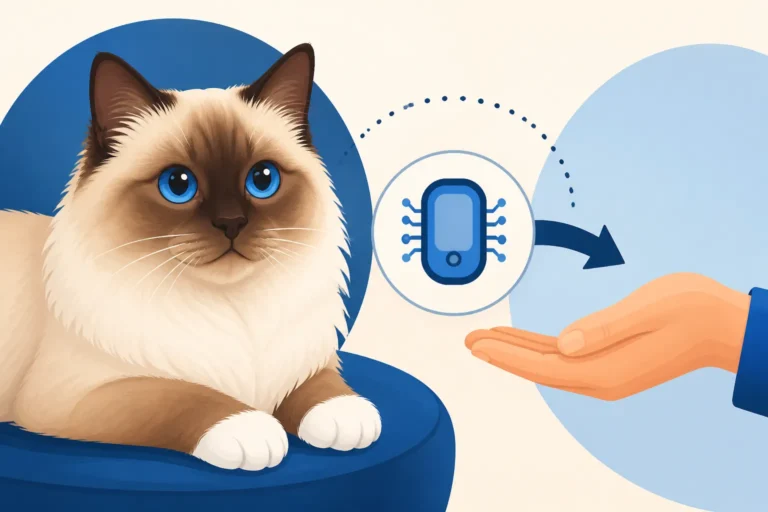
The Birman cat is known for its luxurious, silky, semi-longhaired coat and strikingly blue eyes, but perhaps its most enchanting feature is its perfectly symmetrical white gloves on all four paws, often extending into "laces" on the hind legs. These markings are not just pretty; they are a key part of the breed standard and are what set a Birman apart. Owners cherish these pristine white areas, which create a beautiful contrast against their pointed body color. However, this beauty comes with a practical consideration: white fur acts like a magnet for anything it touches, and in a cat's world, that often means litter. The fine texture of the Birman's coat, while lovely to touch, can also pick up and hold onto fine particles with surprising efficiency. The Gloves Decide What a Birman Kitten Costs is a testament to how important these markings are to the breed's identity and value.
The meticulousness required in the showing of Birmans, where judges scrutinize every detail down to the evenness and length of the gloves, underscores their importance. Pet owners might not be aiming for championship ribbons, but they still take immense pride in their Birman's appearance, and discolored paws can feel like a blight on that picture. It's a constant, low-level worry for many of us – how do I keep these beautiful white areas from looking perpetually grubby? This isn't just about aesthetics; cleanliness around the paws is also vital for your cat's health and hygiene, preventing irritation or ingestion of foreign particles during self-grooming.
How Litter Staining Becomes a Daily Battle
The moment a white-gloved Birman steps into a conventional litter box, the battle begins. Traditional clay litters, while effective at odor control and clumping, are often a nightmare for white-pawed cats. They tend to be dusty, and that fine dust clings to the Birman's silky fur, turning those pristine white gloves a dull, greyish hue. It’s not just a momentary discoloration; the dust can become embedded in the coat, requiring diligent brushing or even a paw bath to truly remove. And if the litter contains any artificial dyes or strong perfumes, as some cheaper varieties do, you run the risk of staining the white fur with unnatural tints, from yellow to pink.
Beyond dust and dyes, tracking is another major culprit. Even "low-tracking" clay litters can leave tiny particles on your Birman's paws, which are then carried out of the box and deposited around your home. For a cat with white paws, these particles are instantly visible and accumulate quickly. This means more frequent vacuuming, wiping down surfaces, and, most importantly, more frequent cleaning of your cat's paws. It's an endless cycle that can be incredibly frustrating for owners who want their Birman to look and feel its best. Why Litter Discolors a Birman's White Feet explains this problem in even greater detail, highlighting the struggle many Birman owners face.
Why Specific Litter Choices Become a Necessity
When you have a white-gloved Birman, your relationship with litter selection transforms from a simple "grab-and-go" task to a strategic mission. It’s no longer just about absorption or odor control; it's about safeguarding those precious white paws and maintaining your cat's overall cleanliness and comfort.
Avoiding Clay Dust and Dyes
Traditional clay litters are often the most affordable and readily available option, which is why many new Birman owners reach for them first. However, these litters are notorious for producing a fine, powdery dust cloud every time your Birman digs or you scoop the box. This dust isn't just an irritant to your cat's respiratory system; it's a menace to those pristine white gloves. The microscopic dust particles cling tenaciously to the silky fur of a Birman's paws and legs, creating a dull, greyish film that is incredibly difficult to brush out completely. Imagine your elegant Birman, fresh from a nap, stepping out of the box with paws that look like they've been dipped in flour.
Compounding this, some clay litters contain artificial dyes or deodorizers, which can actually transfer color onto the white fur, leaving unsightly yellowish or even pinkish stains that are almost impossible to remove without a full paw bath. This means more frequent, stressful baths for your placid Birman, which neither of you wants. The ideal scenario is a litter that is truly dust-free and free of any added coloring agents. You might find a wider selection of these types of litter on online retailers like Chewy, where you can easily compare options and read customer reviews from other cat owners facing similar challenges.
The Quest for Low-Tracking and Fast-Clumping
Dust isn't the only concern; litter tracking is another major headache for white-gloved Birmans. Even if a litter is dust-free, small granules can still cling to your cat's paws and be carried throughout your home. This is especially true for Birmans with their fluffy "toe tufts" that can act like tiny brooms. Low-tracking litters are designed with larger, heavier granules that are less likely to adhere to fur or get flung out of the box during digging. Materials like pine pellets, corn, or specific silica gel crystals often perform better in this regard than fine-grained clay.
Fast-clumping action is also surprisingly important for keeping those white gloves clean. A litter that clumps quickly and firmly encapsulates waste, preventing urine from soaking into the bottom of the tray and sticking to your Birman's paws. If a cat steps into a wet, sticky mess that hasn't clumped properly, it can pick up residue that is difficult to remove from white fur, potentially causing irritation or infection. Therefore, investing in a high-quality, fast-clumping, low-tracking litter becomes a necessity, not a luxury, when you have a white-gloved Birman. It’s about minimizing contact with potential staining agents and making sure the little bits that do escape are easily manageable. Which Litter Suits a White Gloved Cat delves into the different types of litter and their effectiveness in maintaining paw cleanliness.
The Financial Impact of Premium Litter
It’s easy to think of cat litter as a basic commodity, but for Birman owners, it quickly becomes clear that certain choices translate into tangible financial differences. The drive to keep those white gloves pristine often means reaching for options that carry a higher price tag.
Comparing Costs: Budget vs. High-Quality Litters
Let's face it, budget litters are tempting. They often boast large bags for a low price, and for a cat with a different coat or paw color, they might be perfectly adequate. However, for a white-gloved Birman, those initial savings can quickly evaporate into other costs. Cheaper clay litters are frequently dustier, track more, and may not clump as effectively. This means you might end up using more litter because it doesn't last as long between full changes, or because you're constantly scooping around crumbly, weak clumps. The volume needed to maintain a clean box can be surprisingly high when the litter isn't performing optimally.
On the other hand, high-quality, specialized litters – often made from alternative materials like corn, pine, walnut shells, or premium silica gel – typically come with a higher per-bag price. While the initial sticker shock can be real, these litters are often designed to be ultra-low dust, superior at odor control, and exceptionally good at clumping. They might even be more absorbent, meaning you use less product over time. Therefore, the higher upfront cost can sometimes be offset by using less litter and needing fewer full litter box changes, making the long-term cost not as drastic as it first appears. It's a balance between initial outlay and ongoing usage efficiency, all driven by the specific needs of your Birman's beautiful white feet.
The Hidden Costs of Frequent Litter Changes
The cost of litter isn't just what you pay at the register. For a white-gloved Birman, there are numerous hidden costs associated with choosing the wrong type of litter. If your litter is dusty or tracks excessively, you'll find yourself cleaning more often. This means more frequent vacuuming of your floors, more wiping down of surfaces, and a higher consumption of cleaning supplies. Consider the time spent on these tasks as well; time is money, and constant cleanup adds up.
Even more significant can be the cost of increased grooming. If your Birman’s paws are constantly getting discolored or sticky, you'll need to brush them more often, or worse, perform regular paw baths. These baths can be stressful for your cat and time-consuming for you, and sometimes require specialized shampoos to truly whiten the fur without irritation. In extreme cases, poor litter hygiene can lead to skin irritation or even infections between the paw pads, necessitating a costly vet visit and medication. While Healthy Paws pet insurance might cover such medical issues, preventing them in the first place by investing in appropriate litter is always the best approach. What a Birman Costs From Kitten to Sixteen highlights how various aspects of care contribute to the lifetime cost of ownership, and litter choices are certainly part of that equation.
Beyond the Litter Box: Other Grooming Considerations
While litter choice is paramount, ensuring your Birman's white gloves stay immaculate involves a holistic approach that extends beyond the litter box itself. Regular grooming and even their diet play a crucial role in maintaining cleanliness and overall coat health.
Managing Paw Hygiene
A Birman's paws, with their distinctive white gloves, require a bit more attention than average. Even with the best low-dust, low-tracking litter, some particles are bound to cling. This means integrating regular paw checks and cleaning into your routine. After each litter box visit, or at least daily, gently wipe your Birman’s paws with a damp, pet-safe cloth. This simple step can prevent dust and tiny granules from settling into the fur and causing long-term discoloration. For particularly stubborn spots, a quick, localized paw bath with lukewarm water and a mild, feline-specific shampoo can be necessary. Be sure to rinse thoroughly and gently towel dry to prevent moisture-related skin issues.
Trimming the tiny tufts of fur between their paw pads can also help immensely in reducing tracking. These tufts can act like tiny brushes, picking up and retaining litter particles. Keeping them neatly trimmed allows less surface area for debris to cling to, making your cat's paws easier to clean and reducing the amount of litter carried outside the box. Regular claw trims are also important, as long claws can dig into the litter more deeply, potentially picking up more unwanted material. How to Keep a Birman's Gloves Clean provides more in-depth advice on these grooming practices.
The Role of Diet and Supplements for Coat Health
It might seem indirect, but your Birman's diet plays a significant role in the overall health and quality of their coat, which in turn impacts how easily their white gloves get dirty and how well they can be cleaned. A healthy coat, rich in essential fatty acids and nutrients, tends to be less prone to matting and can shed debris more effectively. If your Birman has a dull, greasy, or poor-quality coat, it can be more porous and more likely to attract and hold onto dirt, dust, and litter particles.
Ensuring your Birman receives a balanced diet, perhaps incorporating high-quality wet food that supports hydration or supplements rich in Omega-3 and Omega-6 fatty acids, can contribute to a lustrous, healthy coat. A well-nourished coat isn't just shiny; it's also more resilient to staining and easier to maintain. Furthermore, a diet that promotes healthy digestion means fewer instances of loose stools, which can be a disastrous issue for any long-haired cat, especially one with white back “laces.” Good gut health directly translates to cleaner fur around the hindquarters, reducing another potential source of staining.
Long-Term Strategies for a Spotless Birman
Maintaining a Birman's pristine white gloves isn't just about one-off solutions; it's about establishing consistent routines and optimizing their environment. By taking a proactive approach, you can significantly reduce the challenges and costs associated with keeping your beautiful cat looking its best.
Optimized Litter Box Setup
The right litter box setup can make a world of difference for a white-gloved Birman. Firstly, size matters. Birmans are long, rectangular cats, and they need a spacious litter box that allows them to turn around comfortably without touching the sides or tracking waste onto their body. A larger box also means more surface area for the litter to spread, potentially reducing the concentration of soiled areas and making it easier for your cat to find a clean spot. Why a Birman Needs a Longer Box Than a Round Cat elaborates on the importance of box dimensions.
Consider the type of litter box as well. While covered boxes might seem to contain odor and tracking, some can actually exacerbate dust issues within an enclosed space and make it harder for your Birman to maneuver without brushing against soiled sides. An open-top box with high sides, or even a top-entry box (if your Birman is agile enough), can help contain litter scatter while still allowing for good air circulation. Placing a high-quality litter mat with deep grooves or mesh right outside the box is also crucial. These mats are designed to catch any stray granules from your Birman's paws as they exit, preventing them from being tracked further into your home. Regularly cleaning these mats is, of course, essential to their effectiveness.
| Litter Type | Pros for White-Gloved Birmans | Cons for White-Gloved Birmans | Cost Implications |
|---|---|---|---|
| Clay (Premium) | Low dust, strong clumping, good odor control | Still potential for fine dust, heavier tracking granules | Moderate to High |
| Clay (Budget) | Readily available, low upfront cost | High dust, poor clumping, dyes can stain, heavy tracking | Low upfront, high hidden |
| Silica Gel | Virtually dust-free, excellent odor control, low tracking | Can be expensive, non-clumping (some varieties), hard granules | High |
| Pine/Wood Pellets | Natural, biodegradable, low dust, good odor control | Can track fine sawdust when breaking down, less fine texture | Moderate |
| Corn/Walnut Shell | Natural, good clumping, low dust, biodegradable, lighter texture | May have slight natural color, potential for insect attraction | Moderate to High |
| Paper Pellets | Dust-free, soft on paws, biodegradable | Non-clumping, less odor control, can break down into mush | Moderate |
Embracing a Regular Grooming Routine
A Birman's coat, while not as prone to matting as some other longhairs due to its lack of an undercoat, still benefits immensely from a consistent grooming routine. This isn't just for general tidiness; it directly impacts the cleanliness of their white gloves. Regular combing, at least two to three times a week, helps to remove loose hairs and any accumulated dust or debris that might be clinging to their silky fur, especially around the paws and lower legs. A wide-toothed comb followed by a finer metal comb is often ideal for navigating their beautiful coat without causing discomfort. Combing a Birman Three Times a Week explores this in detail.
Beyond general combing, focusing specifically on their paws is vital. This might involve a quick daily wipe-down with a damp cloth, as mentioned before, but also ensuring their claws are trimmed and the fur between their paw pads is kept short. The more meticulous you are with these small details, the less likely those white gloves are to pick up and retain stains from the litter box or anything else your Birman encounters. Establishing a positive association with grooming from a young age is key; many Birmans are quite placid and will tolerate, even enjoy, these sessions, especially if they end with a treat or some gentle praise. The goal is to make it a natural, stress-free part of their day, ensuring their health, happiness, and that magnificent Birman beauty.
Disclaimer
This article is for general informational purposes only and does not constitute professional advice. Laws, prices and regulations vary by location and change over time. Consult a qualified professional for guidance on your specific situation.