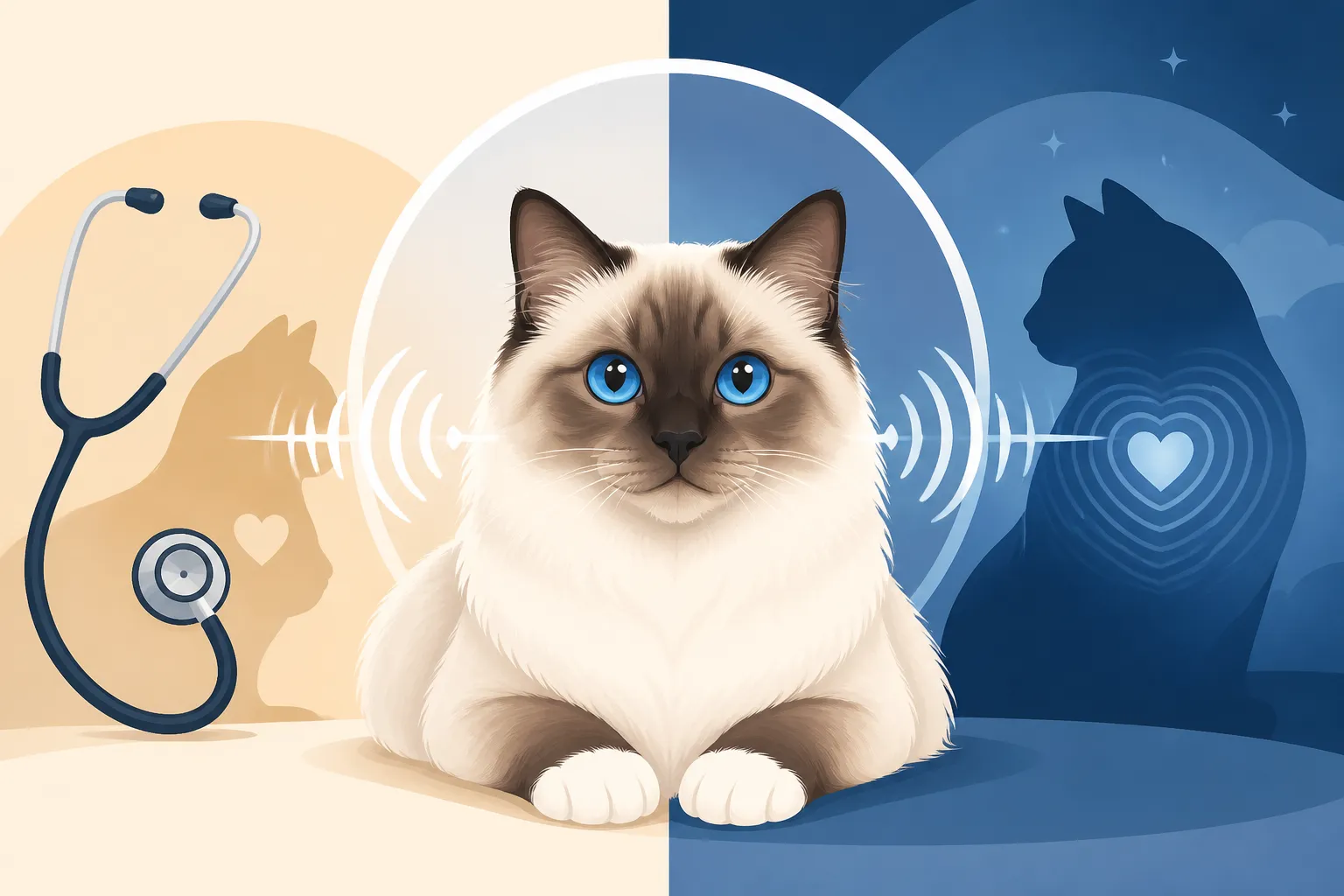
Why a Birman’s Vet Year Is Built Around One Echo
For Birman cat owners, nothing is more heartbreaking than the thought of a hidden illness, especially one as serious as heart disease, which can often show no outward signs until it's too late. It’s a real and understandable worry that often leads us to ask how we can best protect our beloved companions. This guide will walk you through why a yearly echocardiogram forms the absolute cornerstone of your Birman's veterinary care, detailing exactly why it's so critical and what it means for their long-term health and your peace of mind.
The Shadow Lurking: Understanding HCM in Birmans
When we talk about serious health concerns for our Birman cats, one condition consistently rises to the top: Hypertrophic Cardiomyopathy, or HCM. It's a truly insidious disease because, for such a gentle and often stoic breed, it can develop silently, showing few, if any, symptoms until it has progressed significantly. It's a condition that thickens the heart muscle, specifically the walls of the ventricles, making it harder for the heart to pump blood effectively. This isn't just a minor issue; it directly impacts the very organ that sustains their life.
What is Hypertrophic Cardiomyopathy?
HCM is the most common heart disease in cats, and unfortunately, Birmans are one of the breeds with a known predisposition. Imagine your cat's heart trying to work efficiently, but the main pumping chamber, the left ventricle, becomes so thick that it struggles to fill with blood and then push it out to the body. That's essentially what happens with HCM. This thickening can eventually lead to a cascade of problems, including fluid buildup in the lungs (congestive heart failure), blood clots forming inside the heart chambers, and even sudden cardiac death. The insidious part is that a cat can appear perfectly healthy, playing and eating normally, while this dangerous process is quietly unfolding within. HCM in a Birman Has No DNA Test, Only an Echo explains why this diagnosis is so reliant on imaging.
Why Birmans Are Particularly Susceptible
It's a frustrating reality for many Birman owners that while this breed is generally robust and enjoys a good lifespan, they do carry a genetic vulnerability to HCM. While not every Birman will develop the disease, the breed's history, including its post-war reconstruction with a limited gene pool, has left certain predispositions. Unlike some other breeds where a specific genetic marker for HCM has been identified and can be tested for via a simple cheek swab, for Birmans, such a genetic test is not available. This means we can't simply test a kitten at birth and know its future risk with certainty. This lack of a genetic test places an even greater emphasis on regular, proactive screening, which is why the annual echocardiogram becomes an indispensable tool in our arsenal.
The Echo: Your Birman's Annual Health Checkpoint
Given the silent nature and breed predisposition of HCM, the echocardiogram (often just called an "echo") isn't merely a suggestion; it's a vital, proactive measure that allows us to peer inside your Birman's heart and assess its health. This non-invasive ultrasound scan provides real-time images of the heart's structure and function, detecting changes long before any outward symptoms might appear.
What an Echocardiogram Reveals
An echocardiogram is essentially a sound wave picture of your cat's heart. It allows a veterinary cardiologist to precisely measure the thickness of the heart muscle walls, evaluate the size of the heart chambers, assess the motion of the heart valves, and observe how well blood is flowing through the heart. They can spot even subtle thickening of the ventricular walls or abnormalities in blood flow that indicate the early stages of HCM. How HCM Shows Up in a Birman can be incredibly subtle, which is why this detailed imaging is so critical. Early detection is paramount because it allows for interventions that can potentially slow the progression of the disease and improve your cat's quality of life. Without this visual insight, we'd be relying on often too-late physical symptoms. Why an Echo Is the Only Way to Screen a Birman underscores this diagnostic reality.
The Screening Process and What to Expect
The thought of any vet procedure can be daunting, but an echocardiogram is generally stress-free for your Birman. It's a non-painful, non-invasive procedure. Your cat will typically be gently restrained, usually lying on their side on a padded table with a small area of their chest shaved to allow for good contact with the ultrasound probe. Sedation is usually not required unless your cat is particularly anxious, which is rare for the generally placid Birman temperament. The cardiologist will use a transducer (a small handheld device) to send sound waves into the chest and capture images of the heart. The entire process usually takes about 30-60 minutes, and you can often be present to provide comfort, though some clinics prefer a quieter environment. After the scan, the cardiologist will analyze the images and discuss the findings with you, often immediately. How Often a Breeding Birman Needs Scanning highlights the importance of this for genetic health management.
When to Start and How Often to Scan
For Birmans, a baseline echocardiogram is generally recommended around the age of one year, and then annually thereafter, especially for breeding cats or those with a family history of HCM. Some breeders even start earlier with kitten screens, though significant changes are less common in very young cats. This yearly routine ensures that any changes to the heart muscle are caught as early as possible. Think of it like a regular dental check-up, but for their heart! The Age a Birman Starts Needing Yearly Heart Checks is a crucial piece of information for all Birman owners. If your regular vet hears a heart murmur during a routine physical exam, that immediately warrants an echo, regardless of age. Why a Murmur in a Birman Sends You Straight to an Echo explains why this is an urgent indicator. Even with a clear echo, regular vet visits are still important, as addressed in How Often a Birman With Clear Papers Still Needs a Vet.
Beyond the Scan: Living with an HCM Diagnosis
Receiving an HCM diagnosis for your beloved Birman can feel overwhelming, but it's important to remember that it's not an immediate death sentence. Early detection through regular echo scans allows for proactive management, which can significantly extend and improve your cat's quality of life. The focus shifts from curing the disease, as there is currently no cure, to managing its progression and mitigating its effects.
Treatment Options and Management Strategies
The specific treatment plan for a Birman with HCM will depend entirely on the severity of the disease and the presence of any symptoms. Medication is often prescribed to help the heart function more efficiently, reduce fluid buildup, prevent blood clots, and manage blood pressure. These can include beta-blockers, ACE inhibitors, diuretics, and blood thinners. Your cardiologist will tailor a regimen specific to your cat's needs. Regular follow-up echocardiograms, often every 6-12 months, will be essential to monitor the heart's response to medication and adjust the dosage as needed. What a Cardiologist Measures on a Birman's Heart Wall during these follow-ups helps guide treatment decisions. Dietary changes, such as a low-sodium diet, may also be recommended to support heart health and reduce strain on the kidneys. Finding these specialized foods can sometimes be easier through online retailers like Chewy, which often stock a wider variety of prescription diets.
Lifestyle Adjustments and Quality of Life
Beyond medication, certain lifestyle adjustments can help your Birman thrive with an HCM diagnosis. Maintaining a calm, low-stress environment is crucial, as excitement or anxiety can put extra strain on the heart. Gentle play is usually fine, but intense, prolonged activity might need to be curtailed. Monitoring your Birman for subtle changes in behavior or activity level is also vital. Are they less keen to jump? Do they seem more tired than usual? Why a Birman With HCM Stops Jumping can be an early indicator.
Here's a quick comparison of potential lifestyle changes:
| Aspect | Pre-Diagnosis (Healthy Birman) | Post-Diagnosis (HCM-Managed Birman) |
|---|---|---|
| Activity Level | Moderate play, occasional bursts of energy, loves to explore. | Gentle play, shorter sessions, avoid strenuous activity, monitor fatigue. |
| Environment | Stable, comfortable home. | Calm, predictable, minimal stressors. |
| Diet | High-quality, balanced cat food. | Potentially prescription cardiac diet, low sodium. |
| Monitoring | Annual vet check-up, observe for obvious illness. | Close observation for subtle changes, regular vet check-ups (more frequent), at-home monitoring (e.g., breathing rate). |
| Travel | Generally tolerant of travel. | May require less travel or careful planning to minimize stress. |
Remember, your Birman is still your loving companion, and providing comfort and reassurance is key. How Long a Birman Lives After Its Heart Is Diagnosed can vary greatly depending on early detection and diligent management, reinforcing the importance of those annual echoes.
Integrating the Echo into Your Birman's Preventative Care
An echocardiogram shouldn't be seen as a standalone event, but rather a central pillar of a comprehensive preventative healthcare plan for your Birman. It’s part of a holistic approach that ensures their long and healthy life, intertwined with regular physical exams, appropriate vaccinations, and diligent home care.
The Holistic View: Beyond the Heart
While the echo focuses on cardiac health, it's just one piece of the puzzle. Your Birman's annual vet visit should include a thorough physical examination, dental check, weight assessment, and discussion about nutrition and behavior. These elements work together to give a complete picture of your cat's well-being. For example, maintaining a healthy weight helps reduce strain on the heart, and good dental hygiene prevents bacteria from entering the bloodstream and potentially affecting the heart. Why a Birman Hides Illness Behind a Placid Temperament makes regular, thorough vet checks even more important, as they often won't complain until things are quite serious. Products found on sites like Chewy, from specialized dental treats to high-quality food, can play a supportive role in this overall preventative strategy.
The Role of Regular Vet Check-ups
Even with a clear echocardiogram, routine veterinary examinations remain crucial. A physical exam allows your vet to listen to your Birman's heart for murmurs or arrhythmias, check their breathing, palpate their abdomen, and examine their coat, skin, eyes, and ears. These examinations can catch other health issues unrelated to HCM but equally important, such as kidney disease, thyroid problems, or early signs of arthritis, which are more common as Birmans age. What an Ageing Birman Slows Down From outlines many of these age-related changes that your vet will be monitoring. Remember, a clear echo from one year covers that particular timeframe. How Many Years a Clear Echo Covers a Birman is essentially one year, emphasizing the need for annual recurrence.
Preventative Care Timeline for a Birman
A proactive approach to your Birman's health, with the echo at its core, can look something like this:
Birman Preventative Care Schedule (General Guideline)
| Age/Frequency | Key Preventative Actions |
|---|---|
| Kitten (8-16 weeks) | Initial vet exams, vaccinations (FVRCP, Rabies), deworming, microchipping. |
| Adult (1-7 years) | Annual Echocardiogram (starting at 1 year), annual comprehensive vet exam, booster vaccinations, dental check, parasite control. |
| Senior (8+ years) | Annual Echocardiogram, twice-yearly comprehensive vet exams, bloodwork (CBC, chemistry, thyroid), urinalysis, dental care, arthritis monitoring. |
Note: This is a general guideline; your veterinarian will tailor a specific plan based on your Birman's individual health, lifestyle, and risk factors.
This structured approach ensures that you're not just reacting to problems but actively working to prevent them or catch them at their earliest, most manageable stages.
Budgeting for Your Birman's Heart Health
The financial aspect of pet ownership is a significant consideration, and the cost of an echocardiogram and potential long-term care for HCM can feel daunting. However, viewing these expenses as an investment in your Birman's quality of life can reframe the conversation. Planning ahead and exploring options like pet insurance can make these crucial diagnostics and treatments more accessible.
Understanding the Cost of an Echo
The cost of an echocardiogram for your Birman can vary significantly depending on your geographic location, the veterinary clinic, and whether it's performed by a general practitioner with specialized equipment or a board-certified veterinary cardiologist. Generally, you can expect the cost to reflect the specialized equipment, the expertise of the veterinarian, and the time involved in the procedure and interpretation. While it's a significant upfront cost, it's crucial to weigh this against the potential expense and emotional toll of emergency treatment for advanced heart failure that could have been managed earlier. What Testing a Birman for FOXN1 and PKD1 Together Costs and What a Birman's Echo Screening Costs are specific cost questions that you'll need to research locally, as prices fluctuate.
The Value of Pet Insurance
This is where pet insurance can truly shine as a financial safety net. Many pet insurance providers, such as Healthy Paws, offer plans that cover a significant portion of diagnostic tests, specialist consultations, and ongoing treatments for chronic conditions like HCM, especially if the condition is diagnosed after you enroll. The key is to enroll your Birman in a policy before any symptoms or diagnoses of heart disease emerge, as most policies consider pre-existing conditions as ineligible for coverage. Investing in pet insurance when your Birman is a healthy kitten or young adult can provide invaluable peace of mind, knowing that you can afford the best possible care, including those critical annual echo scans and potential long-term medication, without having to make difficult financial decisions during a stressful time. Whether Insurers Exclude HCM in a Birman is a question to specifically ask any potential insurer, and Why to Insure a Birman Before Its First Echo is critical advice.
Long-Term Financial Planning
Beyond insurance, it's wise to set aside a dedicated "pet emergency fund" for unexpected veterinary expenses or routine costs not covered by insurance. This might include annual wellness exams, routine dental cleanings (which can be a significant expense), or specialized prescription foods. Many online retailers like Chewy offer auto-ship options for recurring food and medication needs, sometimes with a discount, which can help manage ongoing costs. By proactively planning for these expenses, you ensure that your Birman receives consistent, high-quality care throughout their life, minimizing financial stress when critical decisions need to be made. What a Birman Costs From Kitten to Sixteen highlights the cumulative financial commitment.
The Broader Picture: Other Vital Vet Checks for Birmans
While the echocardiogram holds a starring role in your Birman's annual health check-up, it’s far from the only important consideration. A truly comprehensive preventative care plan addresses a range of potential health concerns, ensuring every aspect of your beloved feline friend’s well-being is monitored.
Kidney Health and Screening
Birmans, like many purebred cats with a history of outcrossing, can sometimes have a predisposition to kidney issues. Polycystic Kidney Disease (PKD1), though often associated with Persians, has found its way into some Birman lines due to historical breeding practices. While there is a genetic test for PKD1, which responsible breeders should use, ongoing kidney health monitoring is crucial for all Birmans, regardless of their PKD1 status. Why a Birman Breeder Still Tests for PKD despite its prevalence in other breeds. Your vet will monitor kidney function through annual blood tests (checking BUN, creatinine, and SDMA levels) and urine tests, especially as your Birman moves into middle and senior years. Why Birman Kidney Disease Is Watched From Middle Age is a critical insight. Catching early signs of kidney decline means you can often intervene with diet changes, supplements, and increased water intake to slow progression. Using filtered water or encouraging water consumption through fountains or high-moisture wet food can also make a big difference.
Dental Care: A Silent Threat
Dental disease is one of the most common health problems in cats, and Birmans are no exception. Their narrow jaws and often crowded teeth can make them more prone to plaque and tartar buildup, leading to gingivitis and periodontal disease. The problem is, cats are masters at hiding pain, so you might not notice a problem until it's severe. Untreated dental disease can lead to tooth loss, pain, and even systemic infections that affect organs like the heart and kidneys. Regular dental checks during vet visits, combined with daily at-home tooth brushing (if your Birman tolerates it, and many of these placid cats do!), are vital. Many veterinarians recommend professional dental cleanings under anesthesia every few years, or more frequently if needed. How Dental Disease Progresses in a Birman and Why Gum Disease Creeps Up on a Birman are essential reads for understanding this common issue.
Thyroid Function in Older Birmans
As Birmans reach their senior years, typically starting around age eight to ten, hyperthyroidism becomes a more common concern. This condition, where the thyroid gland produces too much thyroid hormone, can lead to weight loss despite a ravenous appetite, hyperactivity, increased thirst, and even heart problems. Because these symptoms can sometimes be mistaken for normal aging or other conditions, regular thyroid screening through a simple blood test is recommended for all senior Birmans. Early diagnosis allows for various treatment options, including medication, dietary management, or even radioactive iodine therapy, all of which can significantly improve your cat's health and comfort in their golden years. Why a Thin, Hungry Old Birman Needs a Thyroid Test points to a key symptom. This comprehensive approach to veterinary care, with the annual echo as a cornerstone, provides your Birman with the best chance for a long, happy, and healthy life.
Disclaimer
This article is for general informational purposes only and does not constitute professional advice. Laws, prices and regulations vary by location and change over time. Consult a qualified professional for guidance on your specific situation.