How to Verify a Birman’s Test Certificates
Bringing home a Birman kitten is such an exciting time, full of dreams of cuddles and quiet companionship. But let's be real, the process can also be filled with anxiety, especially when it comes to understanding and verifying all the health claims and paperwork breeders provide. It's frustrating to feel like you're navigating a maze of unfamiliar terms and documents, wondering if you're truly getting a healthy cat. This guide is here to walk you through exactly how to confidently verify a Birman's test certificates, ensuring you bring home a healthy companion and giving you peace of mind.
Why Verification Matters for Your Birman's Future
When you're looking for a Birman, you're not just choosing a beautiful cat; you're investing in a family member who you hope will be with you for many years. Untested lines can hide serious genetic conditions that might not show up until much later, leading to heartbreaking discoveries and significant veterinary expenses down the line. Verifying a breeder's health claims isn't about distrust; it's about responsible ownership and protecting your future companion.
The Hidden Risks of Untested Lines
Imagine bringing home a sweet, playful Birman kitten, only to face devastating news a few years later about a genetic heart condition or kidney disease that could have been screened for. It's a reality many pet owners sadly encounter, and it's precisely why understanding and verifying health tests is so critical. The Birman, like many purebred cats, has certain predispositions that conscientious breeders work hard to manage through rigorous testing. Ignoring these tests can lead to unforeseen suffering for your cat and emotional and financial strain for you. What a Narrow Founder Base Left in the Birman sheds light on how historical breeding practices have shaped the breed's genetic landscape, emphasizing the need for modern health screening.
A lack of proper screening for conditions like Hypertrophic Cardiomyopathy (HCM) or Polycystic Kidney Disease (PKD) can mean you're unknowingly purchasing a kitten that carries these silent threats. These aren't just minor ailments; they are serious, life-shortening conditions that can significantly impact your cat's quality of life and require extensive, ongoing veterinary care. Breeders who skip testing, often to cut costs, put their kittens and their future owners at immense risk. It's a stark reminder that a "cheap" kitten can quickly become the most expensive one you'll ever own when vet bills start piling up. Understanding Which Diseases Survived the Birman's Post War Bottleneck can provide further context on the importance of genetic health management in the breed.
Understanding Different Types of Certificates
Navigating the world of cat health certificates can feel like learning a new language. It’s important to distinguish between genetic DNA tests and health screenings. Genetic tests, like those for Feline Hypotrichosis with Short Life Expectancy (FOXN1) or Polycystic Kidney Disease (PKD1), are typically done once in a cat's life via a cheek swab or blood sample. They tell you if a cat is clear, a carrier, or affected by a specific genetic mutation. For example, What Testing a Birman for FOXN1 and PKD1 Together Costs is a common panel breeders will undertake.
Health screenings, on the other hand, often involve physical examinations or imaging. A prime example for Birmans is the echocardiogram for HCM, which looks at the structure and function of the heart. Since HCM can develop over time, these screenings need to be repeated periodically, especially for breeding cats, to ensure they remain clear. The results for these screenings are usually detailed veterinary reports. Breeders should be transparent about all relevant tests. Which Tests Belong on a Birman Panel outlines the comprehensive battery of checks that a responsible breeder will perform on their cats.
The Nitty-Gritty: How to Actually Verify Those Certificates
So, you've found a potential breeder, and they've shown you some certificates. That's a great first step! But how do you know they're legitimate and truly belong to the cat you're interested in? This section dives into the practical steps you can take to verify these crucial documents.
Checking DNA Test Results (FOXN1, PKD1)
When a breeder provides DNA test results for conditions like FOXN1 or PKD1, your first step is to identify the laboratory that performed the test. These labs are typically specialized veterinary genetic testing facilities. You'll usually see the lab's name, logo, and contact information prominently displayed on the certificate itself.
Once you have the lab's details, you have a couple of options. Many reputable labs offer an online portal where you can enter a certificate number or the cat's microchip number to verify results. This is often the quickest and easiest method. If an online portal isn't available or you prefer direct contact, you can reach out to the laboratory directly via phone or email. Provide them with the cat's full registered name, microchip number, and the certificate number, and ask them to confirm the results. They should be able to tell you if the results match what you've been given. For specific information on how a PKD test clears a Birman, check out How the PKD1 Test Clears a Birman. Likewise, if you're verifying FOXN1, it's good to know Which Lab Runs the Birman FOXN1 Test and what information they need. Remember to understand what "clear," "carrier," and "affected" mean for the specific disease. For responsible breeding, parents should ideally be clear, or at least one clear and one carrier with careful mating, never two carriers for recessive conditions.
Verifying HCM Echocardiogram Reports
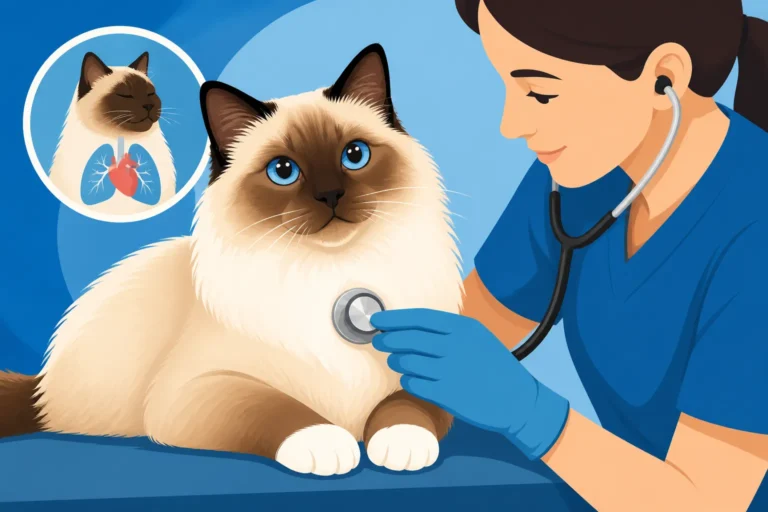
Verifying Hypertrophic Cardiomyopathy (HCM) screening results requires a slightly different approach, as HCM is not typically diagnosed via a DNA test. HCM in a Birman Has No DNA Test, Only an Echo explains this distinction clearly. Instead, it relies on regular echocardiograms performed by a board-certified veterinary cardiologist. The certificate you receive should be an official report from a veterinary cardiology practice, usually signed by the cardiologist.
To verify these reports, you'll want to contact the veterinary cardiology practice directly. Just like with DNA labs, you'll need the cat's full registered name, microchip number, and the date of the scan. The clinic should be able to confirm that the specific cat received an echocardiogram on that date and what the official findings were. It's also important to ask about the frequency of scanning. Breeding Birmans, in particular, should undergo regular scans because HCM can develop later in life. A single clear scan at a young age isn't enough for a breeding cat; you want to see a history of clear scans. How Often a Breeding Birman Needs Scanning details the recommended schedule for these crucial checks. This proactive approach helps ensure that any potential issues are caught early, protecting both the breeding cat and its offspring.
Cross-Referencing Pedigree and Registration Papers
Beyond health tests, your Birman should come with registration papers and a pedigree. These documents are your cat's official identity and family tree. The key here is to cross-reference everything. The registered name and microchip number on the health certificates must match those on the registration papers and pedigree. If there's any discrepancy, it's a major red flag.
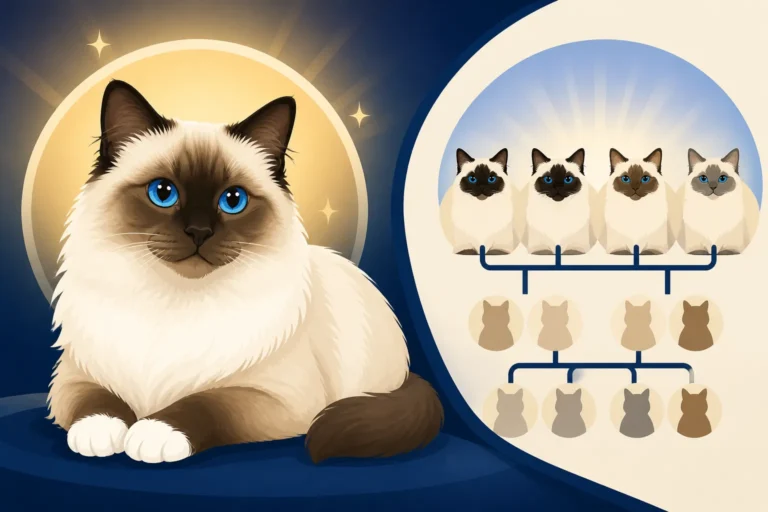
You can also contact the relevant cat registry body (like CFA, TICA, GCCF, etc.) to verify a cat's registration status. While they won't disclose confidential health information, they can confirm if a cat with a particular registered name and microchip is indeed registered under that breeder. The pedigree itself traces your cat's lineage, often several generations back. Reputable breeders are proud of their lines and will share this openly. Understanding Which Registry Body Issues a Birman's Papers is the first step, and it's also worth noting Why a Birman's Pedigree Should Reach the Post War Founders to ensure a strong, traceable lineage. Sometimes, if breeders participate in public health databases, you can even trace some ancestors' health results through these records, adding another layer of verification.
| Test Type | What it Checks For | Verification Method | Frequency (for breeding cats) |
|---|---|---|---|
| DNA Tests | |||
| FOXN1 (Hypotrichosis) | Genetic predisposition to hairlessness | Contact testing lab or use online portal with certificate/microchip | Once (result is permanent) |
| PKD1 (Polycystic Kidney Disease) | Genetic predisposition to kidney cysts | Contact testing lab or use online portal with certificate/microchip | Once (result is permanent) |
| Screening Tests | |||
| HCM (Hypertrophic Cardiomyopathy) | Heart muscle thickening | Contact cardiology clinic directly with report/microchip | Annually or biennially until advanced age, depending on vet advice |
Beyond the Paper: What Else to Look For and How to Protect Your Investment
Verifying certificates is a huge step, but it's part of a larger picture when choosing a Birman. A truly responsible breeder goes above and beyond just providing documents; they are transparent, communicative, and prioritize the well-being of their cats in every aspect. Knowing what else to look for can help you identify a truly ethical breeder and safeguard your investment in your new companion.
What to Watch Out For
Sadly, not all breeders operate with the highest ethical standards. There are definite red flags to watch out for that can indicate a breeder might be cutting corners or, worse, being deceptive. Vague answers to your questions about health testing are a major concern. If a breeder says things like "oh, my vet just checks them over," or "we haven't had any problems in our line," without offering specific, verifiable documentation, that's a huge warning sign. A truly responsible breeder will be eager to share full, verifiable test results, not just verbally reassure you.
Another significant red flag is a price that seems too good to be true. Why a Cheap Birman Is Usually Untested is a harsh reality. The cost of comprehensive health testing (DNA panels, regular cardiology scans, vet visits, quality food for breeding cats) is substantial. If a kitten is priced significantly lower than the breed average, it's highly likely that these crucial tests have been skipped, which means you're inheriting the risk. Lastly, be wary if a breeder is reluctant to let you see the parents of the kitten or visit their cattery (even if virtually, in some cases). Transparency is key, and any attempt to obscure information or access should raise your suspicions immediately.
Empowering Yourself as a Buyer
You have every right to be thorough and ask questions when bringing a new family member home. Don't feel shy about insisting on seeing original documents or verified copies of all health certificates. If a breeder sends you scanned copies via email, that's fine, but ensure you can still verify the lab or clinic. What to Ask About a Birman Line's Heart Scans gives you a great starting point for specific questions regarding HCM. A good breeder will welcome your diligence and be happy to provide all the information you need. In fact, many excellent breeders will proactively show you their health screening results, like Why a Birman Breeder Publishes Echo Results, demonstrating their commitment to the breed's health.
Beyond verification, always get a written contract from the breeder. This contract should clearly outline any health guarantees, what tests have been performed on the kitten and its parents, and what recourse you have if a genetic health issue arises within a specified timeframe. This protects both you and the breeder. Even with all the thorough testing, unforeseen illnesses can strike, which is why many savvy owners explore pet insurance options. Providers like Healthy Paws can offer peace of mind, helping to cover unexpected veterinary costs throughout your Birman's life. And don't forget the importance of a high-quality diet. High-quality food provides excellent nutrition that supports your Birman's long-term health, helping them thrive for years to come.
Disclaimer
This article is for general informational purposes only and does not constitute professional advice. Laws, prices and regulations vary by location and change over time. Consult a qualified professional for guidance on your specific situation.