Why a Birman’s Pedigree Should Reach the Post War Founders
Bringing a beautiful Birman kitten into your home is an incredibly exciting time, but if you're like many new owners or even seasoned cat enthusiasts, you might find yourself a little bewildered by the talk of "pedigrees" and "founder cats." It can feel like a lot of historical jargon that doesn't really matter to your fluffy companion. However, understanding why a Birman's pedigree should ideally trace all the way back to the post-World War II founders isn't just a fancy historical detail; it's absolutely crucial for grasping the breed's genetic health, consistency, and even its very survival.
The Birman's Near Extinction Event
Imagine a time when the very existence of your beloved Birman breed hung by a thread. That's precisely what happened during and immediately after World War II, a period that dramatically reshaped the genetic landscape of many cat breeds, including our beautiful Sacred Cat of Burma.
The Ravages of World War II
The mid-20th century was a devastating time across Europe, and the world of pedigree cat breeding was by no means immune. Many catteries were destroyed, breeders were displaced, and the resources to care for and breed cats became scarce. Travel was perilous, and maintaining breeding programs was a luxury few could afford. For breeds like the Birman, which even before the war had a somewhat limited presence outside of France, this period proved to be an almost fatal blow. The war years saw a catastrophic decline in numbers, pushing the Birman to the very brink of extinction. It was a true genetic bottleneck, where the few remaining cats became the sole hope for the breed's future.
The Critical Pair: Orloff and Xenia de Kaabaa
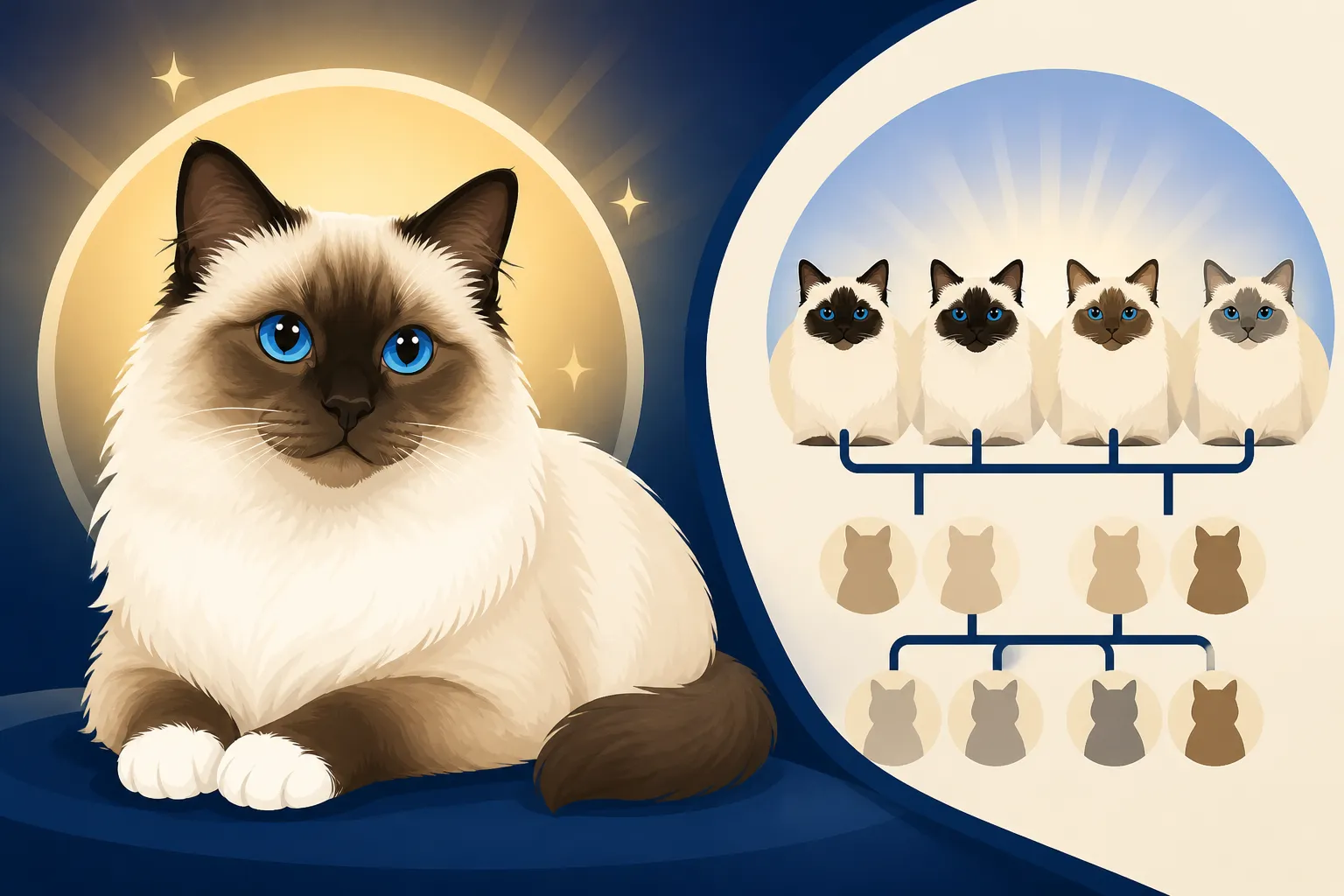
Out of this devastation emerged a pivotal moment for the Birman: the survival of just two known breeding Birman cats, a male named Orloff and a female named Xenia de Kaabaa. These two incredible felines became the Adam and Eve of the modern Birman world. Every single Birman cat alive today traces its lineage back to this heroic pair. Their genes, for better or worse, became the foundation upon which the entire breed was rebuilt. Understanding that your Birman's pedigree reaches back to them is like knowing your own family tree goes back to the first immigrants who settled your country – it tells a story of survival, resilience, and crucial foundational genetics. If you want to delve deeper into this incredible origin story, you might find Which Two Cats Every Birman Descends From particularly fascinating.
The Necessity of Outcrossing and Its Legacy
With only two cats to work with after the war, breeders faced an impossible task: how do you rebuild an entire breed without introducing severe inbreeding that would inevitably lead to a host of debilitating genetic problems? The answer was a controversial but ultimately necessary strategy: outcrossing.
Rebuilding a Breed from a Handful of Cats
To expand the gene pool and prevent the immediate genetic collapse of the Birman, breeders had to make a tough choice: introduce other breeds. This wasn't done lightly; it was a desperate measure to preserve the essence of the Birman. The primary candidates for these outcrosses were other long-haired, pointed breeds that shared some phenotypic similarities, such as Persians and perhaps even some Siamese or domestic longhairs with suitable traits. These crosses were carefully managed, with the goal of re-introducing genetic diversity while minimizing the impact on the Birman's distinctive appearance and gentle temperament. It truly was a monumental effort to bring the breed back from the brink, as explored further in Why Post War Outcrossing Was Unavoidable for the Birman.
Tracing the Outcrosses in a Pedigree
When you look at a truly extensive Birman pedigree, especially those from the immediate post-war period, you might notice names that aren't strictly "Birman." These are the ghosts of those essential outcrosses, the non-Birman ancestors who were brought in to shore up the breed's numbers and genetic health. Recognising these ancestors is vital. They represent deliberate, careful choices made by dedicated breeders to save the Birman. While subsequent generations were rigorously back-crossed to Birmans to re-establish type, those early outcrosses left an indelible mark. For instance, the What Persian Blood Brought Into the Birman link might shed some light on the specific traits and genetic influences these crosses brought. A pedigree that clearly shows these foundational outcrosses, and how they were bred back to Birman type, provides an honest and complete picture of the breed's recovery, demonstrating the integrity of the breeding program over time.
Genetic Health and the Founder Effect
The story of the Birman's post-war revival isn't just a tale of survival; it's also a crucial lesson in genetics. The very act of rebuilding from such a small number of cats, even with necessary outcrossing, created a distinct genetic profile for the modern Birman.
Understanding the Genetic Bottleneck
When a population shrinks dramatically, and then expands again from only a few individuals, it undergoes what geneticists call a "founder effect" and a "genetic bottleneck." Essentially, the genetic diversity of the entire future population is limited to what those few founder cats carried. This means that if Orloff or Xenia de Kaabaa, or any of their immediate outcross descendants, carried certain recessive genes – whether for desirable traits or for genetic illnesses – those genes became disproportionately represented in the subsequent Birman population. The flip side is also true: many genes that existed in the pre-war Birman population were lost forever. This profound impact on the gene pool is one of the lasting legacies, and you can learn more about it in What a Narrow Founder Base Left in the Birman.
Identifying Potential Genetic Risks
Because of this bottleneck, certain hereditary conditions can become more prevalent within a breed, even if they were rare or non-existent before the crisis. While breeders have made incredible strides in recent decades, some conditions, like Hypertrophic Cardiomyopathy (HCM) or Polycystic Kidney Disease (PKD), though not unique to Birmans and often influenced by the outcrosses, need constant vigilance because the overall gene pool is less diverse. This isn't to say every Birman will develop these issues, but it underscores why responsible breeders are so diligent with health screening. It highlights why understanding Which Diseases Survived the Birman's Post War Bottleneck is so important for every Birman owner.
The Value of a Deep Pedigree for Health Screening
This is where a comprehensive pedigree becomes invaluable, not just a historical curiosity. A pedigree that traces back to the post-war founders, showing a consistent line of breeding, allows breeders to track health trends and genetic predispositions through generations. It helps them make informed decisions about which cats to mate, avoiding combinations that might amplify known genetic risks. For you, as a potential owner, seeing such a detailed pedigree from your breeder means they are transparent and invested in the long-term health of their lines. They are not just selling you a kitten; they are entrusting you with a piece of the breed's history and its future health. Many reputable breeders will openly discuss the health screening done on their breeding cats and provide documentation, which is why transparency around pedigree and health test results is so vital. When considering pet insurance, companies like Healthy Paws often require detailed health histories for pre-existing conditions, so a well-documented pedigree can be a valuable asset in demonstrating your kitten's clear lineage.
Ensuring Breed Type and Consistency
Beyond health, the pedigree stretching back to the post-war founders is critical for maintaining the very essence of what makes a Birman, a Birman. It’s about preserving the distinctive look, the gentle nature, and all those charming characteristics we adore.
Maintaining the Birman Standard
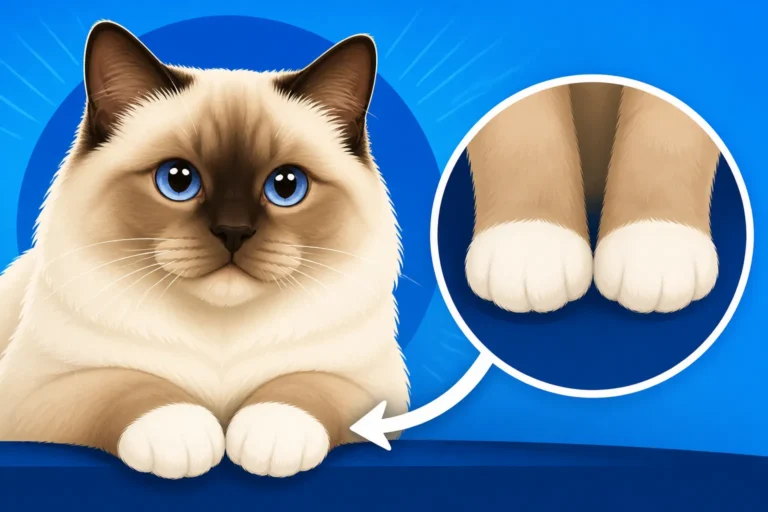
The official breed standard outlines everything from eye color and shape to coat texture, body type, and the unique white 'gloves' and 'laces' on their paws. After the war, with outcrossing a necessity, there was a real risk of diluting these defining traits. Breeders diligently worked to "breed back to type," meaning they carefully selected offspring that most closely resembled the pre-war Birman standard. A pedigree that shows this consistent line of adherence to the standard demonstrates that the breeder is committed to preserving the true Birman look. It's about ensuring that your kitten, generations down the line, still embodies the characteristics that make the breed so beloved. The very fact that The Birman Was Rebuilt From Two Cats and It Shows means that every generation since has been a testament to careful selective breeding.
Protecting the Birman's Unique Characteristics
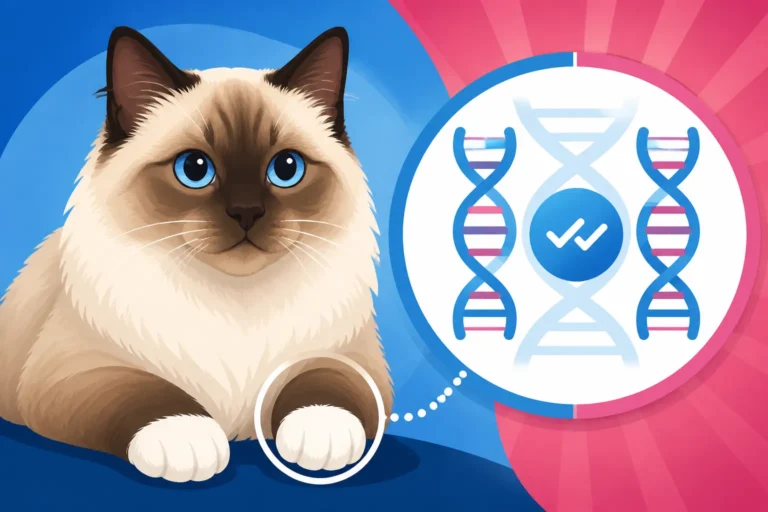
The Birman isn't just visually stunning; it's also known for its incredibly placid, affectionate, and almost dog-like temperament. These behavioral traits, while partly individual, are also deeply embedded in the breed's genetic makeup. A clear, deep pedigree helps ensure that these characteristics are maintained. It's about more than just looks; it’s about protecting the entire package that defines the Birman. For example, the unique gloving pattern is a hallmark, and knowing its genetic background is important, as seen in The Gloving Gene Every Birman Carries Two Copies Of. A pedigree assures you that your cat's lineage has been carefully guided to preserve both its physical beauty and its charming personality.
Avoiding Undesirable Traits or Crosses
A transparent, comprehensive pedigree also serves as a safeguard against accidental or deliberate introduction of undesirable traits or unacknowledged outcrosses. In the past, less scrupulous breeders might have introduced unrecorded crosses, which could then bring in health problems or conformational faults that deviate from the Birman standard. By insisting on a pedigree that reaches far back, you are empowering yourself with the knowledge that the breeder has maintained rigorous standards and has not taken shortcuts that could compromise the breed's integrity. When purchasing food or supplies for your Birman from retailers like Chewy, you're relying on their commitment to quality, much like you rely on a breeder's commitment to a clear and verifiable pedigree. This dedication to lineage helps prevent unpleasant surprises and ensures you're truly getting a purebred Birman, with all the traits you expect. For specific dietary needs that might arise from their health history, particularly related to kidney health, it's important to understand your cat's individual needs.
Here's a quick summary of why tracing your Birman's pedigree to its post-war founders is so important:
| Reason | Explanation | Impact on Breed/Owner |
|---|---|---|
| Genetic Health Insight | Reveals the limited gene pool from which the breed was rebuilt and potential genetic predispositions. | Helps breeders avoid propagating inherited diseases and allows owners to be aware of potential health considerations, ensuring a healthier kitten. |
| Breed Integrity | Confirms that the cat adheres to the established Birman breed standard, including unique physical traits. | Guarantees the kitten is a true Birman in appearance and temperament, preserving the breed's distinct characteristics and safeguarding against unrecorded outcrosses or diluted lines. |
| Historical Transparency | Provides an honest record of the breed's post-war rebuilding efforts, including necessary outcrosses. | Builds trust with the breeder, showing their commitment to ethical breeding practices and their knowledge of the breed's history, which translates to a more reliable and well-bred kitten for you. |
| Long-term Planning | Allows breeders to make informed decisions for future generations, preventing genetic bottlenecks. | Contributes to the overall health and vitality of the Birman breed for years to come, benefiting all Birman owners and enthusiasts by ensuring the breed's continued existence and wellbeing. |
| Reduced Risk of Issues | Minimizes the chances of unexpected health problems or undesirable traits due to unknown ancestry. | Provides peace of mind for the owner, knowing their Birman comes from a well-documented and carefully managed lineage, reducing costly vet bills and emotional distress in the long run. |
Conclusion
So, while the idea of a "post-war founder" might have seemed like an obscure historical detail, I hope you can now see just how profoundly it impacts your Birman today. A pedigree that genuinely reaches back to those critical moments in the breed's history isn't just a piece of paper; it's a testament to the dedication of breeders who saved the Birman from extinction. It’s a vital tool for understanding your cat's genetic background, assessing potential health risks, and ensuring that the cherished characteristics of the Birman continue for generations. When you're looking for your next Birman, don't hesitate to ask your breeder about their pedigrees and how far back they can trace their lines. It’s a conversation worth having for the health and happiness of your future feline family member.
Disclaimer
This article is for general informational purposes only and does not constitute professional advice. Laws, prices and regulations vary by location and change over time. Consult a qualified professional for guidance on your specific situation.