What a Birman Cattery’s Kitten Room Should Look Like
When you're looking for a Birman kitten, it's natural to focus on the adorable little fluffball itself, but the environment it grows up in tells a huge story about its future health and temperament. Many prospective owners don't realize just how much a well-structured kitten room contributes to a happy, well-adjusted adult cat. This guide will walk you through what a truly excellent Birman cattery's kitten room should look like, ensuring you know what questions to ask and what to observe when visiting a breeder.
The Essential Environment: Safety, Cleanliness, and Warmth
A kitten room isn't just a place where kittens are kept; it's their entire world for the crucial first weeks of their lives. A good breeder understands that every detail, from the flooring to the air quality, contributes to the kittens' well-being. This space needs to be a sanctuary that promotes growth, prevents illness, and sets the stage for a confident, healthy Birman.
Prioritizing Safety and Containment
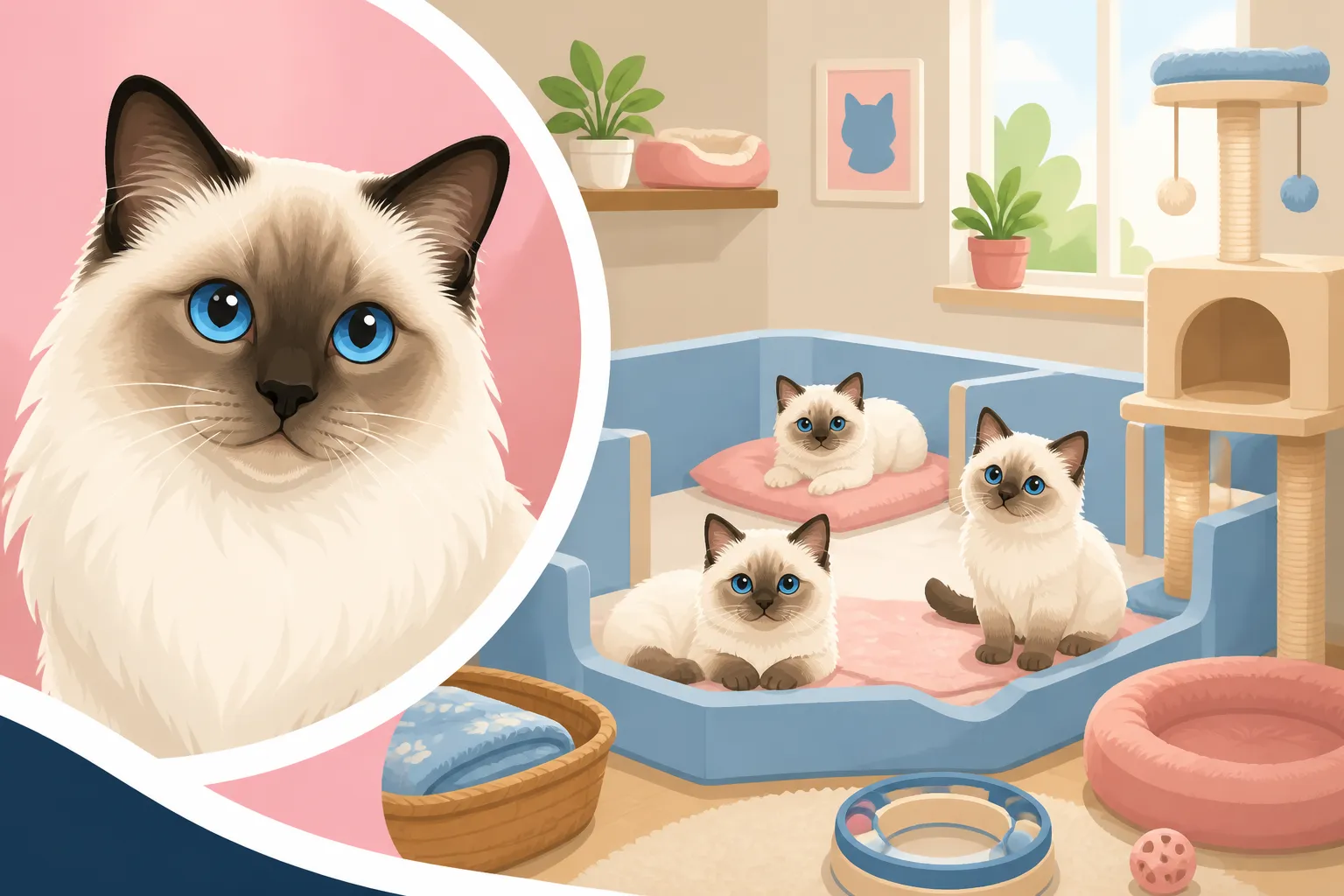
First and foremost, the kitten room must be an utterly safe haven. This means going beyond simply keeping the kittens confined. Every potential hazard, from small objects that could be swallowed to exposed electrical cords, needs to be meticulously addressed. Think about what a curious, playful kitten, full of boundless energy, might get into if left unchecked. High-quality playpens or designated areas within a larger room should have smooth, non-toxic surfaces, free from splinters or sharp edges. The height of barriers needs to be substantial enough to prevent escape attempts once the kittens start getting adventurous and climbing.
Furthermore, the materials used for bedding, toys, and even the walls should be chosen with safety in mind. Avoid anything that can shred into stringy pieces, posing a choking or intestinal obstruction risk. Furniture, if any, should be sturdy and impossible to tip over. A breeder who has truly thought this through will have baby-proofed the room as if they were expecting a human toddler, knowing that kittens are just as inventive in finding trouble. It's about creating a secure bubble where they can explore without accidental injury.
Maintaining Impeccable Hygiene
Cleanliness in a kitten room is absolutely non-negotiable, and it's something you can usually smell (or not smell!) the moment you walk in. Kittens are incredibly vulnerable to illness, and a dirty environment can quickly lead to widespread infections. This means daily, often multiple times a day, cleaning routines. The flooring should be easy to sanitize, preferably non-porous and free of grout lines or cracks where bacteria can hide. Many breeders opt for vinyl flooring or even specific seamless veterinary-grade surfaces. You should expect to see spotless litter boxes, fresh bedding, and clean food and water bowls.
Beyond the visible surfaces, consider the air quality. Good ventilation is key to preventing the buildup of odors and airborne pathogens. A breeder might use air purifiers with HEPA filters, but these should complement, not replace, regular cleaning and fresh air circulation. The bedding, towels, and blankets used for the kittens should appear freshly laundered and smell clean. It’s a constant battle against tiny messes, and a breeder dedicated to the health of their charges will have this system down to a fine art. The presence of specialized cleaning supplies or even a dedicated "kitten laundry" area is a good sign, showing commitment to a sterile environment.
Ensuring Optimal Temperature and Comfort
Birmans, especially as young kittens, thrive in a stable, comfortable environment. Their lovely, silky single coat is beautiful but doesn't offer the same insulation as a dense undercoat, meaning they can feel the cold more readily than some other breeds. A kitten room should be kept at a consistent, warm temperature, free from drafts. This is particularly important for very young kittens who can't yet regulate their body temperature effectively. You might see heat lamps or heated beds in the nesting boxes for the mother and her newborns, especially in cooler climates.
Comfort extends beyond just warmth. Soft, clean bedding is essential, offering cozy spots for naps and snuggles. The mother cat also needs a calm, private area within the kitten room where she feels secure nursing her litter, perhaps a nesting box or a small den. This sense of security helps reduce stress for both the queen and her babies. Observing whether the kittens are content, sleeping soundly, and not shivering or huddled excessively, will give you a good indication of their comfort level. A truly attentive breeder creates a serene, nurturing haven where every kitten feels safe and cherished. Why a Coat With No Undercoat Is Not Warm can explain why this is especially important for Birmans.
Socialization and Enrichment for Growing Kittens
A Birman kitten isn't just born, it's made into the gentle, affectionate companion the breed is known for, and a huge part of that process happens in the kitten room. Beyond physical health, their early environment shapes their personality, confidence, and ability to adapt to new homes. A dedicated breeder goes far beyond basic care to actively enrich their kittens' lives.
Gentle Human Interaction
Birman kittens are inherently sweet, but early, positive human interaction solidifies their trusting nature. A good kitten room is one where the kittens are clearly used to and comfortable with people. This means regular, gentle handling from a young age – not just for health checks, but for playtime and cuddles. The breeder and their family should be spending quality time with each litter, ensuring the kittens associate humans with positive experiences. You want to see kittens who approach people readily, purr when petted, and don't cower or hiss. This isn't just about making them cute; it's about building their confidence and ensuring they'll easily bond with their future family.
This interaction should be varied, too. Different family members, including children (under careful supervision), can help accustom kittens to various voices, touches, and appearances. This early socialization is crucial for Birmans, who are known for their placid and friendly temperaments. A kitten that has been consistently handled and loved will transition much more smoothly into a new home. When you visit, observe how the kittens react to the breeder. Do they seem eager for attention, or are they hesitant? This tells a lot about their early experiences with humans. How to Handle a Birman Kitten From Day One offers more insights into this critical phase.
Early Sensory Exposure
The world outside the kitten room is full of sights, sounds, and smells, and introducing these in a controlled way helps kittens become well-adjusted adults. A good breeder will expose their kittens to a variety of gentle, everyday household noises – the vacuum cleaner in another room, the television, normal conversation, the clatter of dishes. This shouldn't be overwhelming, but rather a gradual introduction to the symphony of a typical home. Similarly, different textures underfoot – soft rugs, smooth tiles, crinkly tunnels – help develop their tactile senses.
Visual stimulation is also important. This might involve toys of different colors and shapes, or even a safe window view, allowing them to observe the outside world from afar. The goal is to avoid creating a sterile, silent environment that leaves them ill-prepared for the hustle and bustle of a new home. A well-socialized Birman kitten will be curious and adaptable, not easily startled by common household occurrences. This early sensory richness builds resilience and curiosity, making them much more confident when they finally leave for their forever families.
Playtime and Exploration Opportunities
Play is fundamental to a kitten's development, honing their coordination, problem-solving skills, and social interactions with littermates. A good kitten room will be stocked with a variety of appropriate toys: soft balls, crinkly toys, wand toys for interactive play, and scratching posts. These aren't just for entertainment; they are vital tools for healthy development. The toys should be changed out regularly to maintain interest and prevent boredom. Observe the kittens playing – are they engaged? Do they interact appropriately with each other, or are there signs of excessive aggression or shyness?
Beyond toys, kittens need space to explore. Different levels, small tunnels, or even simple cardboard boxes provide engaging environments for climbing, hiding, and discovering. This encourages physical agility and mental stimulation. A breeder might use various interactive toys or feeders, readily available from retailers like Chewy, to keep the kittens stimulated and encourage natural hunting behaviors. Why a Birman Kitten Bites Less Than Most explains their gentle play, which is further encouraged by appropriate enrichment. This focus on enriching play helps shape a confident, well-rounded Birman ready for an active life in their new home.
Practical Setup: Food, Water, and Litter
The practical aspects of a kitten room might seem mundane, but they are critical for health, training, and the ease of future care. How a breeder manages feeding, hydration, and litter training directly impacts a kitten's early habits and long-term well-being.
Designated Feeding Stations
Proper nutrition is paramount for growing Birman kittens. Their feeding stations in the kitten room should be clean, separate from litter boxes, and easily accessible. Multiple small bowls can be used to ensure all kittens get their share without aggressive competition. The food offered should be high-quality, formulated specifically for kittens, providing the necessary nutrients for their rapid growth and to support their developing coats. Breeders often start with gruel or wet food, gradually introducing small kibble as the kittens mature.
It's a good sign if a breeder is thoughtful about food choices, perhaps researching options like high-quality, specialized cat food from brands known for nutrition. They should be able to tell you what they feed and why, and offer advice on transitioning the kitten to your chosen food. Measured meals rather than free-feeding can help ensure appropriate growth and prevent overeating. How Much a Birman Should Get in a Measured Meal highlights the importance of portion control even at a young age. Cleanliness around the feeding area is crucial, preventing the spread of bacteria.
Accessible Hydration Sources
Fresh, clean water must be available at all times. This means multiple water bowls, again, kept separate from the litter area. The bowls should be sturdy enough not to tip over easily and cleaned daily to prevent bacterial growth. Some breeders might use kitten-friendly water fountains to encourage drinking, especially given the Birman's tendency toward kidney issues in some lines, making water intake vital. Ensuring good hydration from a young age helps establish healthy habits.
The bowls themselves should be made of easy-to-clean materials like ceramic or stainless steel, as plastic can harbor bacteria and retain odors. Pay attention to how often bowls appear to be refilled or cleaned. A constant supply of fresh water supports organ function and overall health, laying a strong foundation for a long and healthy life.
Thoughtful Litter Box Placement
Litter training starts early, and the setup of the litter boxes in the kitten room is key to success. There should be multiple litter boxes, easily accessible to all kittens, with low sides to accommodate their small size. They should be placed in quiet, private areas, away from food and water stations. The type of litter used is also important; it should be unscented and relatively dust-free, and ideally one that won't easily track or stain their white paws. Which Litter Suits a White Gloved Cat is an excellent resource for understanding this specific challenge with Birmans.
A responsible breeder will meticulously clean these boxes several times a day. You should never see overflowing or heavily soiled litter boxes. The kittens should be demonstrating good litter habits, instinctively using the boxes. A clean, well-maintained litter area not only prevents illness but also teaches the kittens proper hygiene, making the transition to their new home much smoother for both the kitten and its new family. It shows dedication to the details that make for a well-adjusted companion.
| Aspect of Kitten Room | Ideal Condition | Why It Matters | Breeder's Practice |
|---|---|---|---|
| Safety | No accessible cords, small objects, or sharp edges; sturdy, non-toxic furniture/playpens. | Prevents accidental injury, choking hazards, and ingestion of foreign objects. Ensures a worry-free exploration space. | Daily hazard checks, use of safe materials (e.g., solid wood or durable plastics), secure enclosures. |
| Cleanliness | Spotless floor, fresh bedding, sanitized food/water bowls, minimal odor. | Prevents spread of illness, promotes healthy growth, ensures good air quality. | Multiple daily cleanings, use of easy-to-sanitize surfaces, regular laundry cycles for bedding. |
| Temperature | Consistent warmth, free from drafts, cozy nesting areas. | Essential for young kittens' thermoregulation, reduces stress, promotes comfort. | Thermostats set to optimal temperature, supplemental heating (mats/lamps) as needed, insulated nesting boxes. |
| Human Interaction | Kittens are curious, approach readily, purr when handled; exposed to various family members. | Builds confidence, trust, and a positive association with humans, easing transition to new home. | Daily dedicated play and cuddle sessions, gentle handling for health checks, supervised interaction with children. |
| Sensory Exposure | Gentle introduction to household sounds, various textures, safe visual stimulation. | Prevents shyness, fear; promotes adaptability and curiosity towards new environments. | Background radio/TV, crinkly toys, different floor coverings (rugs, mats), window perches. |
| Play & Exploration | Variety of safe toys, scratching posts, tunnels, different levels for climbing. | Develops physical agility, problem-solving skills, social interaction; prevents boredom. | Regular rotation of toys (some sourced from Chewy), sturdy climbing structures, encouraging interactive play. |
| Feeding | Clean, separate stations; high-quality kitten food; measured portions. | Ensures proper nutrition for growth, prevents competition, establishes healthy eating habits. | Scheduled feeding times, vet-recommended kitten food (considering high-quality options), fresh water always available. |
| Litter | Multiple, low-sided boxes; unscented, low-dust litter; placed privately. | Facilitates litter training, prevents accidents, maintains hygiene. | Frequent scooping (multiple times daily), use of appropriate litter, strategic placement away from food. |
Monitoring and Documentation
A truly responsible Birman breeder understands that care extends beyond providing a safe and stimulating environment. It involves meticulous observation and record-keeping, ensuring each kitten's individual health and development are tracked from birth until they leave for their forever homes. This dedication to detail is a hallmark of ethical breeding practices.
Daily Health Checks and Observation
Every single day in a kitten room should begin and end with thorough health checks. This involves more than just a quick glance. A breeder needs to closely observe each kitten for any signs of illness, no matter how subtle. This includes checking their eyes, ears, and noses for discharge, ensuring their coats are clean and free of parasites, and paying attention to their activity levels and appetite. Are they playful and energetic, or are they lethargic? Are they eating and drinking normally? Are their stools healthy? Any deviation from the norm warrants immediate attention. What to Check on a Birman Kitten in Its First Week Home is a good example of the rigorous checks involved.
A good breeder knows their kittens' individual personalities and can quickly spot when something is amiss. They'll regularly weigh the kittens to ensure steady growth, which is a critical indicator of health. They'll also monitor the mother cat, ensuring she remains healthy and continues to provide good care. This constant vigilance is vital, as kittens can go downhill very quickly if an illness takes hold. A responsible breeder will be transparent about any health issues that arise, no matter how minor, and will have a strong relationship with their veterinarian for prompt consultation and care. Furthermore, a breeder committed to excellent health will encourage new owners to consider comprehensive pet insurance, like options from providers such as Healthy Paws, to help manage future veterinary costs.
Record Keeping for Growth and Development
Beyond daily observations, comprehensive record-keeping is a cornerstone of responsible breeding. Each kitten should have a detailed individual file. This file typically includes their birth date, weight at birth, daily weight gain records, any medications administered, vaccination dates, deworming schedules, and notes on their general development and milestones. It might even include specifics like when their eyes opened, when they started walking, or when their points began to show, which can be useful information for new owners. How a Birman Kitten's Points Come In is a specific developmental milestone that would be recorded.
These records provide an invaluable history for both the breeder and the future owner. They demonstrate a breeder's commitment to the health and well-being of their animals and offer tangible evidence of diligent care. When you pick up your kitten, the breeder should provide you with a copy of these records, along with their registration papers, microchip information, and proof of any genetic testing performed on the parents, such as for conditions common in the breed. This meticulous documentation is a sign of professionalism and dedication, assuring you that your kitten has received the best possible start in life and that the breeder stands behind the health of their lines.
Disclaimer
This article is for general informational purposes only and does not constitute professional advice. Laws, prices and regulations vary by location and change over time. Consult a qualified professional for guidance on your specific situation.